
How to Become an Ethical Hacker in Nigeria: Step-by-Step Roadmap

How to Become an Ethical Hacker in Nigeria: The Full Roadmap

Ethical hacking is one of Nigeria’s fastest-growing tech careers. Furthermore, Nigerian banks, fintechs, and telecoms are actively recruiting. Lagos Data School trains Nigerian professionals to enter this field confidently.

This may contain: the title for the book, ethical hacking guide

Therefore, this guide gives you the complete step-by-step action plan. Also, it covers skills, certifications, tools, and real salary data. By the end, you will have a clear plan to follow from tomorrow.


Why Ethical Hacking Is One of Nigeria’s Best Career Choices

Cybercrime cost Nigeria over ₦650 billion in losses in 2023 alone. Furthermore, this number grows with every new digital service launched.

Nigeria’s digital economy expands rapidly across all industries. Also, every new app and government portal needs proper security testing.

Consequently, ethical hackers are in urgent demand across all sectors. Therefore, this career offers job security, strong pay, and global opportunity.


Quick Facts About Ethical Hacking Jobs in Nigeria

Several facts highlight why this career is worth pursuing right now. Furthermore, the numbers tell a compelling story for Nigerian professionals.


  • Demand is growing: Cybersecurity job posts in Lagos grew 40% in 2024.
  • Salaries are strong: Entry-level hackers earn ₦3.5m–₦6m yearly.
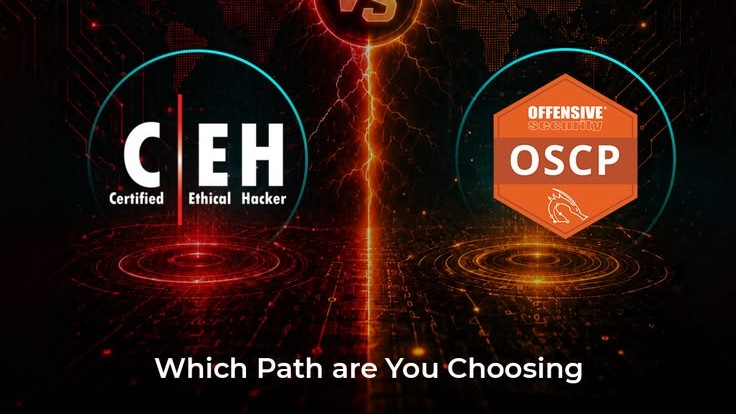
  • Certifications go global: CEH and OSCP are recognised worldwide.
  • Remote work is common: Many Nigerians work for international clients online.
  • Sectors are diverse: Banking, oil, telecoms, and government all recruit.


In short, this career path offers both local and international opportunities. Consequently, Nigerian ethical hackers often earn in foreign currency remotely.


The Step-by-Step Roadmap: Eight Clear Steps


Step 1: Build a Strong Networking Foundation

Networking is the backbone of all ethical hacking knowledge. Furthermore, you must understand how data travels across networks.

Learn TCP/IP, DNS, HTTP, HTTPS, and firewall basics thoroughly. Also, the CompTIA Network+ certification validates these core concepts well.

Consequently, you will understand exactly what you attack and defend. Therefore, start with networking before touching any hacking tool at all.


Step 2: Learn Linux, Especially Kali Linux

Most ethical hacking tools run exclusively on Linux systems. Furthermore, Kali Linux is the standard hacker operating system globally. It ships pre-loaded with over 600 security testing tools. Also, download it free at kali.org and install it today.

Consequently, Nigerian beginners must master the Linux command line confidently. Therefore, spend at least four weeks practising Linux commands every day.


Step 3: Get Your First Security Certification

Start with an entry-level certification to validate your foundation knowledge.

Furthermore, CompTIA Security+ is the most recognised beginner cert in Nigeria. Additionally, eJPT (eLearnSecurity Junior Penetration Tester) is practical and cheap. Also, both exams are taken fully online from anywhere in Nigeria.

Consequently, your first certification proves readiness to Nigerian employers. Therefore, aim to complete your first certification within three months.


Step 4: Learn Web Application Security

Web apps are the most common ethical hacking target in Nigeria. Furthermore, the OWASP Top 10 covers the most critical web vulnerabilities. Also, visit OWASP.org for free web security resources today.

Consequently, SQL injection, XSS, and CSRF knowledge becomes essential. In addition, Burp Suite Community Edition is the free tool for web testing. Therefore, dedicate at least one month to web application security practice.


Step 5: Build a Home Lab and Practise Every Day

Theory without daily practice never produces skilled ethical hackers. Furthermore, a home lab lets you attack systems safely and legally. Also, TryHackMe offers free browser-based labs for Nigerian beginners.

Consequently, you build real hands-on skills without buying expensive equipment. In addition, VirtualBox with vulnerable machines creates a local practice environment. Therefore, practise for at least one hour every single day without exception.


Step 6: Pursue the CEH Certification

The CEH is the most recognised mid-level credential in Nigeria. Furthermore, it is offered by EC-Council at eccouncil.org. Also, it covers all five ethical hacking phases in structured depth.

Consequently, CEH holders are preferred candidates for Nigerian security jobs. In addition, the exam covers 125 questions across twenty hacking domains. Therefore, plan three to six months of dedicated preparation before exam day.


Step 7: Build Your Security Portfolio

A portfolio proves your skills far beyond any single certification. Furthermore, document every lab exercise and CTF challenge you complete. Also, write short pen test reports for each completed exercise you do.

Consequently, Nigerian employers see real, verifiable proof of your skills. In addition, a GitHub profile hosting your scripts strengthens your application. Therefore, treat every lab session as a real client engagement always.


Step 8: Apply for Nigerian Cybersecurity Roles

Start applying after completing your first two certifications confidently. Furthermore, target junior penetration tester and security analyst roles first.

Also, Nigerian cybersecurity firms like Sysops offer entry-level opportunities. Consequently, your first role builds experience for senior positions later.

In addition, LinkedIn and Jobberman list Nigerian cybersecurity vacancies daily. Therefore, apply consistently and follow up on every application you submit.


The Full Eight-Step Roadmap at a Glance

Step Action Timeline
1 Learn networking: TCP/IP, DNS, HTTP, firewalls Month 1–2
2 Install Kali Linux and practise the Linux command line Month 2–3
3 Get CompTIA Security+ or eJPT certification Month 3–5
4 Study OWASP Top 10 and web application security Month 4–6
5 Build a home lab — use TryHackMe daily Month 5–8
6 Pursue the CEH certification Month 8–12
7 Build a portfolio with lab write-ups and pentest reports Ongoing
8 Apply for junior security analyst or penetration tester roles Month 12+


Essential Tools Every Nigerian Ethical Hacker Must Know

Tools are the daily weapons of every professional ethical hacker. Furthermore, mastering these seven tools builds a strong technical foundation.


  • Kali Linux: The hacker OS — pre-loaded with 600+ tools.
  • Nmap scans: Discovers open ports and running network services.
  • Metasploit exploits: Tests and exploits known system vulnerabilities.
  • Burp Suite tests: Finds OWASP Top 10 flaws in web apps.
  • Wireshark captures: Analyses live network traffic in real time.
  • Aircrack-ng tests: Audits wireless network security and WPA strength.
  • Hydra brute-forces: Tests login page password policy robustness.


Also, each tool has a free version available for Nigerian students. Consequently, you can build full tool proficiency at zero cost initially.


Certification Path for Nigerian Ethical Hackers

Stage Certification Cost (USD) Study Time
Beginner CompTIA Security+ $370 2–3 months
Beginner eJPT $200 1–2 months
Intermediate CEH $950–1,200 3–6 months
Intermediate CompTIA PenTest+ $370 2–4 months
Advanced OSCP $1,499 6–12 months
Advanced GPEN (GIAC) $2,000+ 6–12 months


Nigerian Ethical Hacking Communities Worth Joining

Communities accelerate learning faster than solo study ever does. Furthermore, Nigerian cybersecurity groups share job leads and resources regularly.


  • CyberSafe Foundation: A Nigerian NGO promoting cybersecurity awareness nationally.
  • NCS membership: Nigeria Computer Society connects ICT practitioners professionally.
  • ISACA Nigeria: Links security and IT audit professionals across Nigeria.
  • TryHackMe Discord: Global community where Nigerians share hacking tips freely.


In short, joining one community multiplies your learning speed significantly. Consequently, you gain mentors, job leads, and practice partners quickly.


Free Resource: TryHackMe Learning Paths

Lagos Data School recommends TryHackMe as the best free platform for Nigerian beginners. Furthermore, the Pre-Security and Jr Penetration Tester paths are completely free. Every lab runs in a browser — no downloads or local setup required. Also, Nigerian professionals in any city can practise ethical hacking today.


How Lagos Data School Prepares Nigerian Ethical Hackers

Lagos Data School delivers live cybersecurity training across Nigeria. Students practise in real lab environments using Kali Linux and Metasploit.

Furthermore, CEH exam preparation is embedded throughout every module. Consequently, graduates leave with practical skills and full certification readiness.

Visit the Lagos Data School training page to enrol.


Frequently Asked Questions

Q1: Do I need a degree to start in Nigeria?

No. A degree is not required for ethical hacking roles. Furthermore, certifications and practical skills matter far more to employers. Also, many top Nigerian ethical hackers started without any degree at all. Therefore, focus on certifications and lab practice — not formal education.


Q2: How much does ethical hacking training cost in Nigeria?

Training costs range from ₦50,000 to ₦500,000 depending on the programme. Furthermore, Lagos Data School offers structured courses at competitive rates. Also, free platforms like TryHackMe reduce overall self-study costs significantly. Therefore, a combination of paid training and free labs is the smartest investment.


Q3: Can I work as a freelance ethical hacker in Nigeria?

Yes. Many Nigerian ethical hackers work as independent security consultants. Furthermore, bug bounty programmes on HackerOne pay in USD for valid discoveries. Also, freelance engagements typically pay more per project than full-time roles. Consequently, a freelance practice is a smart long-term Nigerian career strategy.


Q4: What is the best first step for a complete beginner?

Install Kali Linux and complete TryHackMe’s free Pre-Security path first. Furthermore, read the CompTIA Security+ study guide at the same time.

Also, join Lagos Data School’s cybersecurity cohort for live structured guidance. Therefore, combining free labs with live training is the fastest Nigerian path.


Q5: Is the OSCP worth pursuing for Nigerians?

Yes. The OSCP is the most respected hands-on hacking certification globally. Furthermore, it demonstrates real practical skill rather than just book knowledge. Also, OSCP holders in Nigeria command the highest salaries in the security field. Therefore, target it after gaining at least two to three years of experience.


Build Your Career with Lagos Data School

Ethical hacking offers Nigeria’s clearest path into premium tech careers. Furthermore, demand, salaries, and remote work options all grow every year. Lagos Data School gives you training, labs, and certification prep to succeed.

Visit Lagos Data School and enrol in the cybersecurity course today.

Penetration Testing vs Ethical Hacking: Complete 2026 Guide

Penetration Testing vs Ethical Hacking: What Is the Real Difference?

Many Nigerian professionals use these two terms interchangeably. However, they are not the same thing at all. Lagos Data School explains both terms clearly and completely here. Therefore, this guide covers definitions, differences, types, and careers.

Also, Nigerian examples and salary data are included throughout. By the end, you will use both terms correctly in any workplace.


Defining Ethical Hacking

Ethical hacking is the broad practice of attacking systems with permission. Furthermore, it covers all forms of authorised offensive security work.

Story pin image

Also, it includes penetration testing, vulnerability assessments, and red teaming. Consequently, ethical hacking is the umbrella term for all legal security testing. In short, if you have written permission to test a system, that is ethical hacking.


Defining Penetration Testing

Penetration testing is one specific type of ethical hacking engagement. Furthermore, it simulates a real cyberattack on a defined target system.

Story pin image

Also, the goal is to see how far an attacker could realistically penetrate. Consequently, a penetration test always produces a detailed vulnerability report. In short, pen testing is ethical hacking with a narrow, well-defined scope.


The Core Difference: Scope and Structure

Ethical hacking is broad and may include many different security activities. However, penetration testing is narrow and follows a specific methodology. Furthermore, pen tests have a defined start date, end date, and agreed scope.

Also, ethical hacking can be an ongoing, open-ended security team role. Consequently, a security professional may do ethical hacking every single day. Therefore, penetration testing is one tool within the ethical hacking toolkit.


Penetration Testing vs Ethical Hacking: Side-by-Side

Factor Ethical Hacking Penetration Testing
Scope Broad — covers all security testing areas Narrow — specific target defined
Duration Ongoing role or long-term contract Fixed time box — days to weeks
Methodology Flexible and exploratory Structured and formally documented
Goal Improve overall security posture broadly Find and exploit specific vulnerabilities
Report May include many types of outputs Always produces a formal pen test report
Nigerian use In-house teams at Nigerian banks Hired firm tests a specific app
Common certs CEH, Security+ OSCP, GPEN, CompTIA PenTest+


What Is a Vulnerability Assessment?

A vulnerability assessment is a third term that causes confusion in Nigeria. Furthermore, it is different from both ethical hacking and pen testing.

Also, it identifies weaknesses but does not attempt to exploit any of them. Consequently, it tells you what vulnerabilities exist — not how far they reach. Therefore, a pen test always goes deeper than a vulnerability assessment alone.


The Three Levels of Nigerian Security Testing

Level Name What It Does Nigerian Example
1 Vulnerability Assessment Scans and flags weaknesses only Bank runs a quarterly server scan
2 Penetration Testing Exploits weaknesses to test real impact Firm tests the mobile banking app
3 Red Team Exercise Full simulated attack on the whole org Military-style attack drill on a telecom


Types of Penetration Testing Used in Nigeria


Network Penetration Testing

Network pen testing attacks internal and external network infrastructure. Furthermore, it finds misconfigured firewalls and weak protocols. Nigerian banks use this to protect core banking servers and switches.

Also, vulnerabilities in routers and VPNs are found and reported. Consequently, the entire network perimeter becomes stronger after each test.


Web Application Penetration Testing

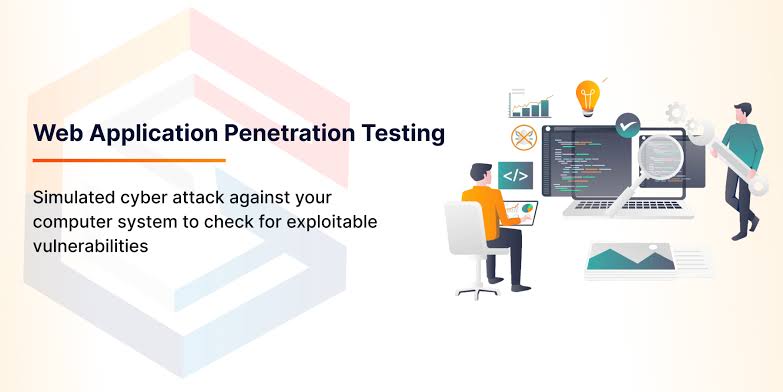
Web app pen testing focuses on websites, APIs, and web portals. Furthermore, OWASP Top 10 vulnerabilities are tested on every engagement. Nigerian fintech apps and e-commerce platforms are common targets here.

Also, SQL injection, XSS, and broken authentication flaws are identified. Consequently, web app security improves significantly after each pen test.


Mobile Application Penetration Testing

Mobile pen testing targets Android and iOS applications directly. Furthermore, it checks data storage, API calls, and authentication. Nigerian banking apps are tested this way before every major release.

Also, insecure data storage and weak encryption are commonly found. Consequently, mobile security flaws are caught before customers are affected.


Social Engineering Testing

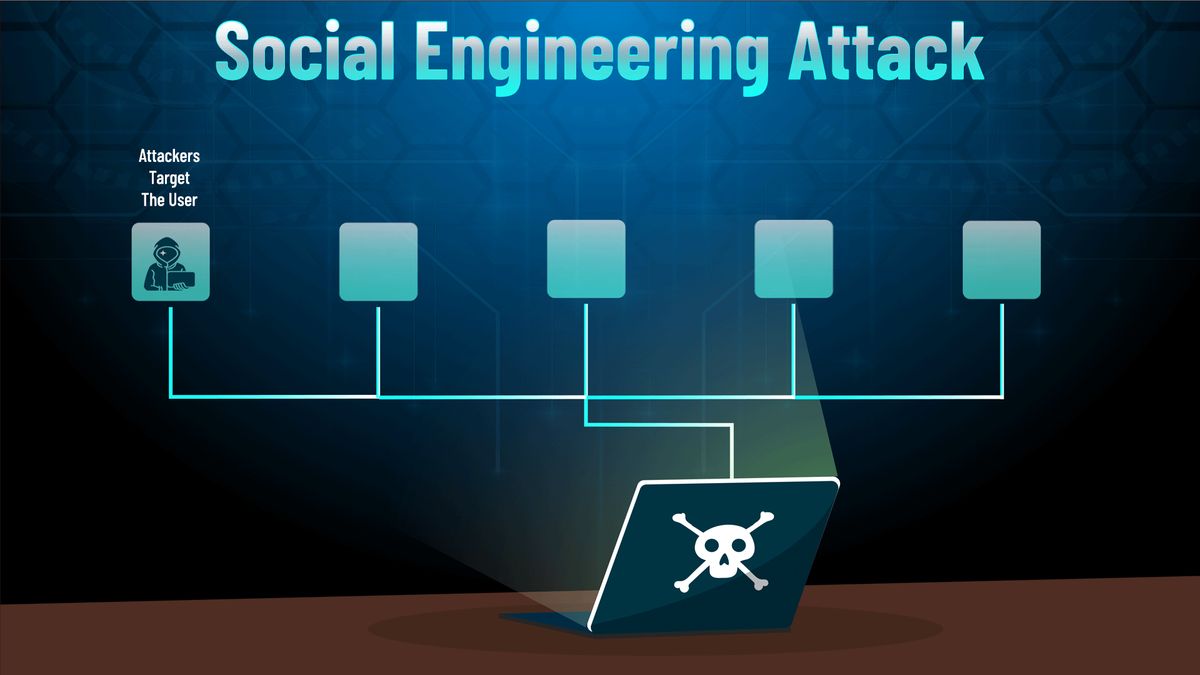
Social engineering tests the human element of organisational security. Furthermore, phishing emails and phone scams are simulated on real staff. Many Nigerian cybersecurity incidents start with a phishing attack first.

Also, training staff to spot phishing is as important as patching software. Consequently, human-layer security improves significantly after social testing.


Physical Penetration Testing

Physical pen testing tests physical access controls and security measures. Furthermore, testers attempt to enter server rooms without proper authorisation. Nigerian data centres use this test to find physical security weaknesses.

Also, tailgating attacks and badge cloning are simulated during these tests. Consequently, physical security gaps are identified and corrected quickly.


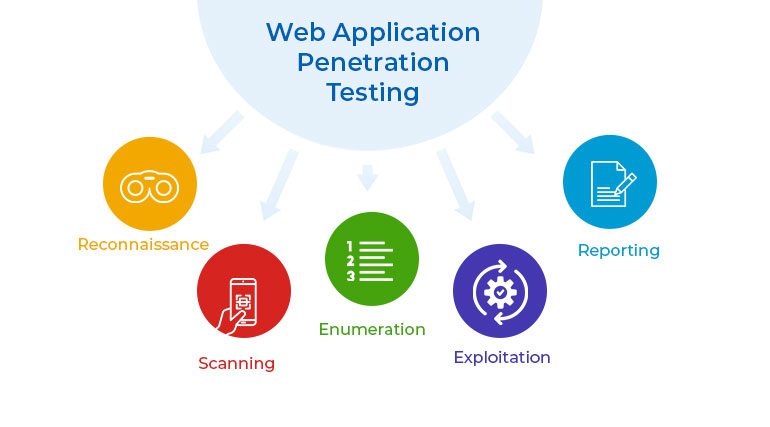
The Five-Phase Penetration Testing Methodology

Professional pen testing follows a structured methodology on every engagement. Furthermore, this protects both the tester and client throughout.


Phase 1: Pre-Engagement

Scope, rules of engagement, and legal agreements are defined here. Furthermore, start and end dates are agreed by all parties involved. Also, specific systems that can be tested are listed clearly in writing. Consequently, both the tester and the client are legally protected.


Phase 2: Reconnaissance

The tester gathers information using open-source intelligence tools. Furthermore, Maltego and Shodan are used for passive information gathering. Active scanning only begins after the pre-engagement agreement is signed.

Also, the tester builds a detailed picture of the target environment. Consequently, the attack phase is informed by solid prior intelligence.


Phase 3: Scanning and Enumeration

Nmap discovers open ports and identifies all running services. Furthermore, service versions are matched against known vulnerability databases.

Also, web directories and exposed login pages are enumerated carefully. Consequently, a prioritised list of attack vectors is compiled.


Phase 4: Exploitation

Identified vulnerabilities are exploited in a fully controlled manner. Furthermore, Metasploit and manual techniques are both commonly used.

Also, every successful exploit is documented with clear screenshots. Consequently, the evidence package becomes the basis for the final report.


Phase 5: Post-Exploitation and Reporting

The tester assesses what data could have been accessed after the breach. Furthermore, privilege escalation and lateral movement are tested here.

Also, a detailed report covering every finding is written and delivered. Consequently, the Nigerian client receives a clear, prioritised fix list.


What a Professional Pen Test Report Includes

Section Content
Executive Summary High-level overview for Nigerian management and board
Scope and Methodology Systems tested, engagement dates, and approach used
Findings Summary Count of Critical, High, Medium, and Low findings
Detailed Findings Each vulnerability with CVSS score and exploit evidence
Remediation Guidance Specific fix recommendations ordered by risk priority
Re-test Schedule Recommended timeline for verifying that fixes work


Career Paths: Ethical Hacker vs Penetration Tester in Nigeria

Area Ethical Hacker Career Penetration Tester Career
Work style Broad security role across many areas Specialist focused on testing only
Employment In-house team or broad consultancy Specialist firm or freelance
Key certs CEH, Security+, CISSP OSCP, GPEN, PenTest+
Nigerian salary ₦4m–₩18m per year ₩6m–₩28m per year
Best employers Banks, fintechs, telecoms Security firms, international clients


Which Nigerian Regulations Require Penetration Testing?

Nigerian regulators now require regular security testing across many industries. Furthermore, compliance is driving demand for pen testers rapidly.


  • CBN Framework: Requires regular security assessments for all Nigerian banks.
  • NDPR regulation: NITDA mandates organisations test their data systems regularly.
  • NCC requirements: Telecoms must conduct security testing under NCC guidelines.
  • Pension regulator: PenCom requires cybersecurity audits for pension fund administrators.


In short, regulatory compliance is the biggest driver of pen testing demand. Consequently, Nigerian pen testers with OSCP or CEH are actively sought after.


Free Resource: PTES Standard

Lagos Data School recommends the PTES Standard as a free methodology reference. Furthermore, it defines every phase of a professional penetration test.

Also, it is used as the baseline methodology by Nigerian security consultancies. Consequently, understanding PTES makes every Nigerian pen tester more credible.


How Lagos Data School Teaches Pen Testing and Ethical Hacking

Lagos Data School covers both disciplines in its live cybersecurity course. Students practise web, network, and mobile pen testing in every session. Furthermore, the complete five-phase methodology is applied on live lab systems. Consequently, graduates write professional pen test reports from day one.

Visit the Lagos Data School training page to enrol.


Frequently Asked Questions

Q1: Is penetration testing in high demand in Nigeria?

Yes. It is one of the fastest-growing services in Nigerian cybersecurity. Furthermore, CBN and NITDA regulations now mandate regular bank pen tests.

Also, international firms operating in Nigeria require local security assessments. Consequently, OSCP or CEH-certified Nigerians are actively sought across sectors.


Q2: How much does a penetration test cost in Nigeria?

A basic web app pen test costs ₦500,000 to ₦2,000,000 in Nigeria. Furthermore, comprehensive network tests for large organisations cost more.

Also, price depends on scope, duration, and the consultant’s certification level. Therefore, certified Nigerian pen testers command premium rates from clients.


Q3: Can Nigerian freelancers do penetration testing remotely?

Yes. Freelance penetration testing is growing rapidly across Nigeria. Furthermore, Nigerian pen testers work for global clients through online platforms.

Also, bug bounty programmes pay Nigerians in USD for valid vulnerability discoveries. Consequently, freelance pen testing offers strong foreign exchange earning potential.


Q4: What is the OSCP and why does it matter for Nigerians?

The OSCP is Offensive Security Certified Professional — the most respected pen cert globally. Furthermore, it is offered by Offensive Security at offensive-security.com.

Also, passing requires completing a gruelling 24-hour hands-on hacking exam. Consequently, OSCP holders in Nigeria command the highest cybersecurity salaries here.


Q5: What is the difference between a red team and a pen test?

A pen test is scoped, structured, and delivered within a fixed time box. Furthermore, a red team exercise simulates a full, unrestricted adversary attack.

Also, red teams use deception, physical intrusion, and social engineering together. Consequently, red teaming is more expensive and more comprehensive than pen testing.


Master Pen Testing and Ethical Hacking with Lagos Data School

Both disciplines offer rewarding, well-paying careers in Nigerian tech. Furthermore, regulatory demand, growing threats, and rising salaries make this field exceptional.

Lagos Data School trains you with live labs, real methodology, and CEH preparation.

Visit Lagos Data School and enrol in the cybersecurity programme today.

10 Hands-On Hacking Tools to Master for a Cyber Security Career

Top 10 Ethical Hacking Tools Every Nigerian Security Pro Needs in 2026

The right tools separate effective ethical hackers from ineffective ones. Furthermore, Nigerian cybersecurity professionals use these tools daily.

Lagos Data School teaches every tool in its live cybersecurity training. Therefore, this guide reviews the top ten tools for 2026 in detail.

Also, each tool is explained with a Nigerian security use case. By the end, you will know which tools to master and why.


Why Tool Mastery Matters for Nigerian Ethical Hackers

Ethical hacking tools automate repetitive security tasks reliably. Furthermore, they find vulnerabilities that manual testing would easily miss. Nigerian clients expect professional tools and professional reports.

Story pin image

Also, tool proficiency signals seriousness to hiring managers in Lagos. Consequently, mastering the top ten tools fast-tracks your Nigerian career. Therefore, start with the free tools and gradually build up to paid ones.


Tool 1: Kali Linux

Kali Linux is the operating system of choice for ethical hackers worldwide. Furthermore, it is available free at kali.org. It ships with over 600 pre-installed security testing tools.

Also, it runs on laptops, virtual machines, and Raspberry Pi devices. Consequently, Nigerian ethical hackers use it as their daily working environment. In short, Kali Linux is the non-negotiable foundation of this entire toolkit.


How Nigerian Security Teams Use Kali Linux

Nigerian security consultants boot Kali Linux from a USB drive on client sites. Furthermore, they run assessments without installing anything on client hardware.

Also, Kali’s live boot feature keeps client systems completely clean. Consequently, the engagement is clean, professional, and legally defensible.


Tool 2: Nmap (Network Mapper)

Nmap is the most widely used network scanning tool in the world. Furthermore, download it for free at nmap.org. It discovers open ports, running services, and operating system details.

Also, Nmap scans entire networks in minutes with a single command. Consequently, Nigerian ethical hackers map target environments before attacking. Therefore, Nmap is always the first tool used on any Nigerian engagement.


Common Nmap Commands Nigerian Hackers Use

Several Nmap commands are used in almost every security engagement in Nigeria. Furthermore, each command reveals different layers of network information.


  • The first one is the nmap -sV: Detects service versions on every open port found.
  • Second is the nmap -O flag: Identifies the operating system of the target host.
  • Third is the nmap -A option: Runs an aggressive scan with OS, version, and scripts.
  • Fourth is the nmap -p- option: Checks all 65,535 ports for hidden services.


Also, Nmap’s scripting engine runs automated vulnerability checks. Consequently, a single scan reveals a detailed picture of the target network.


Tool 3: Metasploit Framework

Metasploit is the world’s most popular exploitation framework. Furthermore, it contains thousands of pre-built exploits for known vulnerabilities. Nigerian penetration testers use it to demonstrate real security risks.

Also, download the free community edition at metasploit.com. Consequently, even junior Nigerian ethical hackers can demonstrate serious breaches. Therefore, Metasploit is essential for any Nigerian penetration testing engagement.


How Metasploit Is Used on Nigerian Engagements

A Lagos security consultant identifies an unpatched Windows server. Furthermore, Metasploit is used to exploit the EternalBlue vulnerability on it. Access is gained and documented with full screenshots as evidence.

Also, the finding is rated Critical in the final penetration test report. Consequently, the client patches the server within 48 hours of the report.


Tool 4: Burp Suite

Burp Suite is the go-to tool for web application security testing. Furthermore, it is available at portswigger.net with a free community edition. It intercepts, inspects, and modifies HTTP traffic between browsers and servers.

Also, it tests for SQL injection, XSS, CSRF, and other OWASP vulnerabilities. Consequently, every Nigerian fintech app assessment uses Burp Suite heavily. Therefore, it is the most important web security tool in this entire list.


Key Burp Suite Features Nigerian Hackers Rely On

Several Burp Suite features are used on almost every web engagement. Furthermore, each feature targets a different layer of web application security.


  • Proxy intercept: Captures and modifies live HTTP requests in real time.
  • Scanner module: Automatically finds common OWASP vulnerabilities quickly.
  • Repeater tool: Replays modified requests to test exploitation scenarios.
  • Intruder function: Automates brute-force attacks on login pages efficiently.


In short, Burp Suite covers the entire OWASP Top 10 testing workflow. Consequently, Nigerian ethical hackers cannot afford to skip learning this tool.


Tool 5: Wireshark

Wireshark captures and analyses network traffic in real time. Furthermore, it is free and available at wireshark.org. Nigerian ethical hackers use it to inspect unencrypted network data.

Also, it reveals credentials, session tokens, and sensitive data in transit. Consequently, weak encryption is identified and documented with clear evidence. Therefore, Wireshark is essential for any Nigerian network security assessment.


Tool 6: Aircrack-ng

Aircrack-ng tests the security of wireless networks comprehensively. Furthermore, it captures WPA handshakes and tests password strength. Nigerian security teams use it to audit office Wi-Fi networks.

Also, it reveals weak WPA passwords within minutes on most networks. Consequently, Nigerian organisations upgrade weak wireless security after audits. Therefore, Aircrack-ng is the standard tool for all wireless pen testing.


Tool 7: John the Ripper

John the Ripper tests password strength by cracking hashed passwords. Furthermore, it supports hundreds of hash formats, including MD5 and SHA. Nigerian ethical hackers use it to test Active Directory password policies.

Also, it reveals weak passwords that users reuse across multiple systems. Consequently, organisations strengthen password policies after every John test. Therefore, password security audits in Nigeria rely heavily on this tool.


Tool 8: Nikto

Nikto scans web servers for thousands of known vulnerabilities automatically. Furthermore, it checks for outdated software, misconfigurations, and open files. Nigerian ethical hackers run Nikto before every web application engagement.

Also, it identifies exposed admin panels and default login pages quickly. Consequently, low-hanging fruit vulnerabilities are caught in the very first scan. Therefore, Nikto is the fastest first-pass tool for any Nigerian web assessment.


Tool 9: SQLmap

SQLmap automates the detection and exploitation of SQL injection vulnerabilities. Furthermore, it is free and available at sqlmap.org. Nigerian fintech portals and e-commerce sites frequently carry SQL injection risks.

Also, SQLmap extracts database contents to demonstrate the full impact. Consequently, clients understand the severity of SQL injection through live evidence. Therefore, SQLmap is a must-have tool for every Nigerian web pen tester.


Tool 10: Hydra

Hydra performs fast brute-force attacks against login services. Furthermore, it supports SSH, FTP, HTTP forms, and dozens of other protocols. Nigerian ethical hackers use it to test weak authentication controls.

Also, it reveals accounts using simple passwords like ‘123456’ or ‘password’. Consequently, organisations enforce stronger password and lockout policies after. Therefore, Hydra completes the core toolkit every Nigerian ethical hacker needs.


All Ten Tools at a Glance

Tool Primary Use Cost Nigerian Use Case
Kali Linux Full ethical hacking OS Free Daily working environment for assessments
Nmap Network scanning Free Maps ports and services on target networks
Metasploit Vulnerability exploitation Free+Paid Demonstrates real breach impact to clients
Burp Suite Web application testing Free+Paid Tests OWASP Top 10 on Nigerian fintech apps
Wireshark Packet capture and analysis Free Reveals unencrypted data on office networks
Aircrack-ng Wireless security testing Free Audits office Wi-Fi password strength
John the Ripper Password cracking Free Tests Active Directory password policies
Nikto Web server scanning Free First-pass scan before web app testing
SQLmap SQL injection automation Free Tests Nigerian fintech portal databases
Hydra Brute-force login testing Free Tests weak authentication on web services


How to Build Your Nigerian Ethical Hacking Lab in 2025

A home lab lets you practise all ten tools safely and legally. Furthermore, you do not need expensive equipment to get started.


  • Install VirtualBox: Free virtualisation software runs multiple OS instances.
  • Download Kali Linux: Boot it as a virtual machine on your laptop.
  • Add Metasploitable: A vulnerable Linux VM designed for safe practice.
  • Try DVWA app: A deliberately vulnerable web app for Burp practice.
  • Join TryHackMe: Free browser-based labs need no local setup at all.


In short, your entire lab can be built for zero cost today. Consequently, Nigerian beginners can start practising all ten tools immediately.


Free Resource: Kali Linux Tools Documentation

Lagos Data School recommends the Kali Linux Tools Documentation as a free reference. Furthermore, it covers every pre-installed tool with usage examples.

Also, the documentation is updated with every new Kali Linux release. Consequently, Nigerian professionals always have access to current tool guidance.


How Lagos Data School Teaches These Tools

Lagos Data School covers all ten tools in its live cybersecurity training. Students practise in real lab environments with guided exercises. Furthermore, every session uses Nigerian security scenarios specifically. Consequently, graduates leave confident to use these tools on day one.

Visit the Lagos Data School training page to enrol today.


Frequently Asked Questions

Q1: Which tool should I learn first as a Nigerian beginner?

Start with Kali Linux and Nmap; they are the foundation of everything. Furthermore, both are free and well-documented online.

Also, Nmap teaches you network thinking before any exploitation occurs. Therefore, spend two to four weeks on Kali and Nmap before moving on.


Q2: Are these tools legal to use in Nigeria?

Yes. All ten tools are legal when used with written permission. Furthermore, the Nigerian Cybercrimes Act 2015 protects authorised testing.

Also, using them without permission is a criminal offence in Nigeria. Therefore, always secure a signed scope-of-work before any testing begins.


Q3: Does Burp Suite require coding knowledge?

No. The community edition needs no coding to use effectively. Furthermore, the GUI makes it accessible to complete Nigerian beginners.

Also, Burp Suite’s web academy offers free guided learning labs online. Consequently, Nigerian professionals can master it without prior coding skills.


Q4: Can I use these tools on a regular Nigerian laptop?

Yes. All ten tools run on basic laptops with 4GB of RAM or more. Furthermore, Kali Linux works on older machines with limited specifications.

Also, browser-based platforms like TryHackMe need no local installation. Therefore, hardware is never a barrier for Nigerian ethical hacking students.


Q5: How long does it take to learn all ten tools?

Basic proficiency across all ten tools takes three to six months. Furthermore, advanced Metasploit and Burp Suite mastery requires deeper practice.

Also, tool learning never stops; new features are released regularly. Consequently, treat tool learning as an ongoing part of your career.


Master All Ten Tools with Lagos Data School

Tool mastery is what separates theoretical knowledge from real security skill. Furthermore, Nigerian employers test tool competence in every interview.

Lagos Data School gives you live lab access to all ten tools in Nigeria.

Visit Lagos Data School and enrol in the cybersecurity course today.

How to Use Kali Linux for Ethical Hacking: A Practical Intro

How to Use Kali Linux for Ethical Hacking: A Practical Nigerian Guide

Kali Linux is the most important tool in every ethical hacker’s arsenal. Furthermore, it is used daily by Nigerian security professionals.

Lagos Data School teaches Kali Linux in its live cybersecurity training. Therefore, this guide gives you a practical, beginner-friendly introduction.

Also, Nigerian examples are used throughout every section. By the end, you will be ready to use Kali Linux for real security work.


What Is Kali Linux?

Kali Linux is a Debian-based Linux distribution built for security testing. Furthermore, it is developed and maintained by Offensive Security at kali.org. It ships with over 600 pre-installed penetration testing tools.

Story pin image

Also, it is updated regularly with new tools and security patches. Consequently, Kali Linux remains the most comprehensive free hacking platform. In short, it is the operating system every Nigerian ethical hacker must master.


Why Kali Linux Is Used Over Windows for Hacking

Most ethical hacking tools are built for Linux environments. Furthermore, Kali Linux runs these tools natively without workarounds.

Also, Linux gives much deeper access to network interfaces than Windows. Consequently, wireless attacks and packet captures work far better on Kali. Therefore, Nigerian ethical hackers must learn Linux to work professionally.


How to Install Kali Linux in Nigeria

Several installation options exist for Nigerian ethical hacking students. Furthermore, choose the option that best suits your current hardware.


Option 1: Install as a Virtual Machine

This is the safest and most recommended option for Nigerian beginners. Furthermore, VirtualBox is free and runs Kali alongside your existing OS. Download VirtualBox first, then download the Kali Linux VirtualBox image.

Also, allocate at least 4GB RAM and 20GB storage to the virtual machine. Consequently, you get a fully functional Kali environment without risk. Therefore, start with VirtualBox before any other installation method.


Option 2: Live Boot from USB

Live boot runs Kali directly from a USB drive without installation. Furthermore, it leaves no trace on the host computer after shutdown. Nigerian security consultants use this method on client engagement sites.

Also, a 16GB USB drive is all the hardware you need for this option. Consequently, your entire hacking environment fits in your pocket.


Option 3: Install Directly on Your Laptop

Direct installation gives the best performance on dedicated hardware. Furthermore, this is the preferred setup for Nigerian full-time security professionals.

Also, a dual-boot configuration lets you keep your existing Windows system. Consequently, you switch between Windows and Kali based on your task. Therefore, choose direct installation once you outgrow the virtual machine.


The Kali Linux Desktop: A First Look

Kali Linux uses a clean desktop environment called GNOME. Furthermore, all security tools are organised in the Applications menu.

Also, tools are grouped by category: information gathering, exploitation, and more. Consequently, finding the right tool for any task takes less than one minute.


Key Kali Linux Tool Categories

Kali organises its 600+ tools into clear, logical categories. Furthermore, each category covers a different phase of ethical hacking.


  • Information gathering: Tools like Nmap and Maltego collect target data.
  • Vulnerability analysis: OpenVAS and Nikto scan for known weaknesses.
  • Exploitation tools: Metasploit and SQLmap exploit identified gaps.
  • Password attacks: Hydra and John crack weak passwords quickly.
  • Wireless testing: Aircrack-ng audits Wi-Fi security effectively.
  • Web application tools: Burp Suite tests web security comprehensively.


In short, Kali Linux covers every phase of the ethical hacking methodology. Consequently, Nigerian professionals need only this one OS for full pen testing.


Essential Kali Linux Terminal Commands for Nigerian Beginners

The terminal is where Kali Linux reveals its true power. Furthermore, mastering basic commands is the first practical skill to build.


Basic Navigation Commands

These commands help you move around the Kali Linux file system. Furthermore, every tool is launched and managed from the terminal.


  • pwd command: Prints your current directory location on screen.
  • ls -la: Lists all files, including hidden system files.
  • cd: Changes: Moves you into a different directory quickly.
  • mkdir: Creates a new folder to organise your work.


Also, these four commands are used in every single Kali session. Consequently, master them before running any security testing tools.


Network Commands Every Nigerian Ethical Hacker Needs

Network commands are essential for every security testing engagement. Furthermore, these commands help you understand your own network environment.


  • ifconfig displays: Shows your network interfaces and IP addresses.
  • netstat reveals: Lists all active network connections on the machine.
  • ping checks: Tests if a target host is online and reachable.
  • traceroute maps: Shows the network path packets take to the target.


In addition, these commands are used at the start of every engagement. Consequently, Nigerian ethical hackers understand the network before scanning.


Your First Nmap Scan in Kali Linux

Nmap is the first security tool every Nigerian ethical hacker runs. Furthermore, it reveals exactly what is running on a target network. Open the Kali terminal and type: nmap -sV [target IP address].

Also, replace [target IP] with the IP of your practice lab machine. Consequently, Nmap returns a list of open ports and detected services. Therefore, your very first scan gives you a picture of the target environment.


Understanding Your Nmap Output

Nmap results show three key columns: Port, State, and Service. Furthermore, the ‘open’ state means a service is actively listening on that port.

Also, the service column names the software detected on each port. Consequently, you know which services to investigate further in the next phase. Therefore, always save your Nmap output before moving to the next step.


Your First Metasploit Session in Kali Linux

Metasploit launches from the Kali terminal with a single command. Furthermore, type ‘msfconsole’ and press Enter to open the framework.

Also, Metasploit takes thirty to sixty seconds to load on most laptops. Consequently, the msf6 prompt appears when the framework is fully ready.


Basic Metasploit Commands for Nigerian Beginners

Several Metasploit commands are used in almost every practical session. Furthermore, knowing these four commands gets you through most basic tasks.


  • search [keyword]: Finds available exploits matching your search term.
  • use [module path]: Loads the selected exploit module into your session.
  • show options lists: Displays all required settings for the loaded module.
  • set RHOSTS [IP]: Configures the remote target IP address for the exploit.


Also, type ‘run’ or ‘exploit’ to execute the loaded module. Consequently, your first Metasploit session teaches you the entire workflow.


Your First Burp Suite Intercept Session

Burp Suite intercepts web traffic between your browser and target server. Furthermore, configure your browser proxy to 127.0.0.1 on port 8080.

Also, open Burp Suite’s Proxy tab and set Intercept to On. Consequently, every browser request passes through Burp for inspection. Therefore, you can read, modify, and replay any web request manually.


Finding Your First XSS Vulnerability in Burp

Open DVWA (Damn Vulnerable Web Application) in your browser. Furthermore, navigate to the XSS Reflected section in DVWA. Type a simple XSS payload like: script>alert(‘XSS’)/script into the input field.

Also, Burp intercepts the request so you can inspect the payload in transit. Consequently, DVWA reflects the payload and triggers an alert popup. Therefore, you have found and demonstrated your first XSS vulnerability.


Kali Linux Tips Specifically for Nigerian Professionals

Several practical tips make Kali Linux work better in Nigerian conditions. Furthermore, each tip addresses a real challenge Nigerian users face.


  • Power backup matters: Run Kali on a UPS or generator to prevent data loss.
  • Mobile hotspot works: Use your Nigerian data plan when office Wi-Fi is slow.
  • Save outputs always: Export scan results before power cuts delete your work.
  • Update carefully: Run apt update on stable power to avoid corruption.
  • Snapshot your VM: Take VirtualBox snapshots before major tool installations.


In short, these five habits protect your work in any Nigerian environment. Consequently, Nigerian students avoid the most common lab setup frustrations.


Free Resource: Kali Linux Official Documentation

Lagos Data School recommends the Kali Linux Documentation as the first free reference. Furthermore, it covers installation, configuration, and tool usage in detail.

Also, the documentation is fully updated with every new Kali release. Consequently, Nigerian professionals always access accurate, current guidance.


How Lagos Data School Teaches Kali Linux

Lagos Data School covers Kali Linux across every module of its cybersecurity course. Students install, configure, and use Kali in live lab sessions. Furthermore, every exercise simulates a real Nigerian security engagement. Consequently, graduates are comfortable with Kali Linux from day one.

Visit the Lagos Data School training page to enrol.

Frequently Asked Questions

Q1: Is Kali Linux hard to learn for Nigerian beginners?

No. Kali Linux is beginner-friendly with the right structured guidance. Furthermore, Lagos Data School makes it accessible for complete beginners.

Also, the graphical interface is similar to other modern operating systems. Therefore, most Nigerian beginners feel comfortable within two to four weeks.


Q2: Can Kali Linux run on a low-spec Nigerian laptop?

Yes. Kali Linux runs on laptops with as little as 2GB of RAM. Furthermore, the lightweight Kali version is optimised for older machines.

Also, the live boot option avoids any permanent hardware requirements. Consequently, hardware limitations are never a barrier for Nigerian students.


Q3: Is it legal to run Kali Linux in Nigeria?

Yes. Installing and using Kali Linux is completely legal in Nigeria. Furthermore, the legality depends on how you use the tools — not the OS.

Also, using Kali tools without permission is an illegal act — not the software. Therefore, always ensure written authorisation before running any security tests.


Q4: How do I update Kali Linux in Nigeria?

Open the terminal and run: sudo apt update && sudo apt upgrade. Furthermore, always update on a stable power source or UPS.

Also, run updates weekly to keep all security tools current. Consequently, your tools stay effective against the latest vulnerabilities.


Q5: Where can I practise Kali Linux safely in Nigeria?

Use VirtualBox to run vulnerable practice machines on your laptop. Furthermore, TryHackMe provides free browser-based labs for Nigerian beginners.

Also, Hack The Box offers free retired machines for solo practice. Consequently, Nigerian students have multiple safe practice environments available.


Start Your Kali Linux Journey with Lagos Data School

Kali Linux is the skill that turns cybersecurity theory into practical work. Furthermore, Nigerian employers test Kali proficiency in every interview.

Lagos Data School gives you live, guided Kali Linux training in Nigeria.

Visit Lagos Data School and enrol in the cybersecurity course today.

What Is a Bug Bounty Program?: Complete Guide

What Is a Bug Bounty Program? A Complete Guide for Nigerian Hackers

Bug bounty programs let ethical hackers earn money by finding vulnerabilities. Furthermore, companies pay real cash for every valid security flaw reported.

Lagos Data School trains Nigerian hackers to participate and earn from these programmes. Therefore, this guide explains everything about bug bounty from the start.

Also, it covers platforms, Nigerian success stories, and earnings data. By the end, you will know how to start earning from bug bounty today.


What Is a Bug Bounty Program?

A bug bounty program is a formal invitation to find security vulnerabilities. Furthermore, companies publish a list of systems that researchers can legally test. Ethical hackers submit reports of any vulnerabilities they discover.

Story pin image

Also, valid reports are rewarded with cash payments called bounties. Consequently, companies fix real security gaps before attackers exploit them. In short, a bug bounty is a win for companies and a paid career for hackers.


Why Companies Run Bug Bounty Programs

Traditional security teams cannot test every system all the time. Furthermore, thousands of external hackers find bugs faster than any internal team.

Also, companies only pay for results, not for hours of work done. Consequently, bug bounty is cheaper and more effective than hiring full-time staff. Therefore, the biggest tech companies in the world now run bounty programmes.


How Bug Bounty Programs Work: Step by Step

Understanding the process helps Nigerian hackers maximise their success rate, while each step must be followed carefully and completely.


Step 1: Choose a Platform and a Programme

Start by choosing a bug bounty platform to begin your search. Furthermore, HackerOne and Bugcrowd list hundreds of active programmes.

Also, each programme has a scope defining exactly what you can test. Consequently, always read the programme policy before touching any system. Therefore, choosing the right programme at your skill level matters greatly.


Step 2: Understand the Scope and Rules

Every programme defines what is in scope and what is out of scope. Furthermore, testing out-of-scope targets breaks the rules of engagement.

Also, out-of-scope testing can result in legal action against the hacker. Consequently, Nigerian hackers must read the full policy document first. Therefore, scope reading is the most important pre-hacking activity here.


Step 3: Find a Vulnerability

Use ethical hacking tools to test the in-scope systems thoroughly. Furthermore, focus on OWASP Top 10 vulnerabilities for the fastest results.

Also, XSS, IDOR, and authentication bypass flaws are commonly rewarded well. Consequently, Nigerian hackers with web security skills find bounties fastest. Therefore, practise web application testing before starting any programme.


Step 4: Write a Clear Vulnerability Report

A strong report is the difference between paid and unpaid submissions. Furthermore, the report must include proof of the vulnerability clearly.

Also, steps to reproduce the flaw must be detailed and accurate. Consequently, a clear report gets triaged and paid much faster. Therefore, always write your report as if the reader has no prior context.


Step 5: Submit and Wait for Triage

Submit your report through the platform’s secure submission portal. Furthermore, most platforms triage reports within three to ten business days.

Also, the security team verifies the finding and assigns a severity rating. Consequently, Critical and High findings are typically paid within 30 days. Therefore, patience and follow-up emails keep your submission moving forward.


Top Bug Bounty Platforms Nigerian Hackers Use

Several platforms host bug bounty programmes open to Nigerian researchers. Furthermore, each platform has its own strengths and payout structures.


HackerOne

HackerOne is the world’s largest bug bounty platform. Furthermore, it is accessible at HackerOne and free to join. Programmes from Google, Microsoft, and Shopify are hosted here. Consequently, Nigerian hackers compete globally for significant bounty rewards. In addition, HackerOne pays via PayPal — accessible from Nigeria.


Bugcrowd

Bugcrowd hosts both public and private bug bounty programmes. Furthermore, visit Bugcrowd to create a free researcher account.

Also, Bugcrowd has a Points system that builds your public reputation, and higher-ranked Nigerian researchers get invited to private programmes. Private programmes typically pay higher bounties than public ones.


Open Bug Bounty

Open Bug Bounty focuses on web security vulnerability disclosure. Furthermore, visit Open Bug Bounty for completely free participation.

Also, it is an ideal starting platform for absolute Nigerian beginners. Consequently, new researchers build confidence and portfolio entries here. Therefore, start with Open Bug Bounty before moving to HackerOne.


Intigriti

Intigriti is a European platform growing rapidly in African markets. Furthermore, visit Intigriti to access programmes with premium reward rates.

Also, it hosts programmes from leading European banks and tech companies. Consequently, Nigerian hackers can access well-paying European targets here. Therefore, Intigriti offers a strong alternative to the US-focused platforms.


Bug Bounty Earnings: How Much Can Nigerian Hackers Earn?

Vulnerability Type Typical Payout (USD) Nigerian Naira Equivalent
Informational $0–$50 ₦0 – ₦80,000
Low severity $50–$200 ₦80,000 – ₦320,000
Medium severity $200–$1,000 ₦320,000 – ₦1,600,000
High severity $1,000–$5,000 ₦1,600,000 – ₦8,000,000
Critical severity $5,000–$50,000 ₦8m – ₦80,000,000
Critical in top company $50,000+ ₦80,000,000+


What Vulnerabilities Pay Best in Bug Bounty?

Some vulnerability classes consistently earn higher rewards globally. Furthermore, Nigerian hackers should focus on these high-value targets first.


  • RCE (Remote Code Execution): Highest-paying bug — often $10,000+.
  • IDOR vulnerabilities: Accessing another user’s data without authorisation.
  • SQL injection flaws: Database access via malicious input fields.
  • Authentication bypasses: Logging in without valid credentials at all.
  • Stored XSS bugs: Injecting scripts that persist in the application.


In short, web application vulnerabilities dominate bug bounty payouts globally. Consequently, Nigerian hackers who master web security earn the most consistently.


How Nigerian Hackers Get Paid from Bug Bounty

Payment methods matter because not all options work well in Nigeria. Furthermore, understanding payout logistics saves frustration later.


  • PayPal transfers: Most platforms pay via PayPal — works in Nigeria.
  • Wire bank transfers: Available on HackerOne for verified researchers.
  • Crypto payouts: Some platforms offer Bitcoin or USDT payments.
  • Gift card options: Amazon and other gift cards available on some platforms.


Then, PayPal is the most widely used payment method for Nigerian researchers. Consequently, setting up a PayPal account is the first financial step.


How to Write a Bug Bounty Report That Gets Paid

Report quality determines whether a finding gets paid or rejected. Furthermore, a poorly written report delays payment by weeks or months.

Also, clear reproduction steps prevent back-and-forth with the security team. Consequently, Nigerian researchers who write well consistently get paid faster. Therefore, invest time in report writing skills from your very first submission.


What a Strong Bug Bounty Report Includes

Several elements distinguish a professional report from an amateur one. Furthermore, each element serves a specific purpose for the security team.


  • Summary section: One sentence clearly naming the vulnerability found.
  • Severity rating: Your assessment of Critical, High, Medium, or Low.
  • Steps to reproduce: Numbered steps the team can follow exactly.
  • Proof of concept: Screenshots or video showing the exploit clearly.
  • Impact assessment: Explains what an attacker could do with this flaw.
  • Remediation advice: Your suggestion for fixing the vulnerability found.


In short, cover all six sections, and your report will stand out immediately. Consequently, well-structured reports get triaged and paid significantly faster.


Common Bug Bounty Mistakes Nigerian Hackers Make

Mistake What Happens Fix
Testing out of scope Account gets banned from the programme Always read the full policy before testing
Poor report quality Finding gets rejected or delayed Cover all six report sections every time
Duplicate submissions No payment for a known finding Search existing reports before submitting
Low severity only Earnings stay very small Focus on IDOR, XSS, and auth bypass first
No proof of concept Team cannot verify and will not pay Always include screenshots and PoC code


Building a Reputation on Bug Bounty Platforms

A strong platform reputation opens private programme invitations. Furthermore, private programmes pay significantly more than public ones.

Also, reputation is built by submitting accurate, well-written reports. Consequently, quality matters far more than quantity in bug bounty. Therefore, submit five excellent reports rather than fifty poor ones.


Nigerian Ethical Hackers Already Earning from Bug Bounty

Several Nigerian researchers have built strong reputations on global platforms. Furthermore, their success proves this income stream is very real.

Also, many earn in USD while living in Nigeria full-time. Consequently, bug bounty offers Nigerian professionals genuine foreign income. Therefore, the opportunity is real, open, and growing every single year.


Free Resource: HackerOne Hacktivity Feed

Lagos Data School recommends browsing the HackerOne Hacktivity feed daily. Furthermore, it shows real disclosed vulnerability reports from top researchers.

Also, reading these reports teaches you what good submissions look like. Consequently, Nigerian beginners learn from the best researchers in the world.


How Lagos Data School Prepares Nigerian Bug Bounty Hunters

Lagos Data School covers bug bounty strategy in its live cybersecurity training. Students practise writing professional vulnerability reports from day one. Furthermore, web application security and OWASP testing are taught in depth. Consequently, graduates submit their first real bug bounty report with confidence.

Visit the Lagos Data School training page to enrol.


Frequently Asked Questions

Q1: Can Nigerian beginners participate in bug bounty programmes?

Yes. Many public programmes welcome researchers at all skill levels. Furthermore, Open Bug Bounty is specifically designed for beginners.

Also, TryHackMe labs prepare Nigerian beginners for their first real submission. Therefore, you do not need years of experience to start today.


Q2: How long before a Nigerian hacker earns their first bounty?

Most dedicated learners submit their first paid report within three to six months. Furthermore, structured training shortens this timeline significantly.

Also, focusing on web security vulnerabilities leads to faster first payouts. Consequently, a focused Nigerian beginner can earn their first bounty quickly.


Q3: Do bug bounty platforms accept Nigerian researchers?

Yes. HackerOne, Bugcrowd, and Intigriti all accept Nigerian researchers. Furthermore, no geographic restrictions block Nigerian participation.

Also, PayPal payments work in Nigeria for most platform payouts. Therefore, Nigerians have full access to global bug bounty opportunities.


Q4: What is the highest bug bounty ever paid?

The highest single bug bounty ever paid was $2 million USD. Furthermore, it was paid by Immunefi for a critical smart contract vulnerability.

Also, Google, Apple, and Microsoft have paid over $100,000 for single findings. Consequently, top Nigerian researchers can earn life-changing amounts from bug bounty.


Q5: Should I do bug bounty full-time or alongside a job?

Start bug bounty part-time alongside your current job or studies. Furthermore, treat it as supplemental income until earnings are consistent.

Also, full-time bug hunting requires a strong skill set and platform reputation. Consequently, most Nigerian researchers transition to full-time after two to three years.


Start Earning from Bug Bounty with Lagos Data School

Bug bounty is one of the most accessible ways Nigerians earn from cybersecurity. Furthermore, the programmes are open, the platforms are free, and the earnings are real.

Lagos Data School gives you the web security skills and report writing training to succeed.

Visit Lagos Data School and enrol in the cybersecurity course today.

Hi, How Can We Help You?
Welcome To
Lagos Data School

Artificial Intelligence (AI), Machine Learning and Robotics Programmes Are Now Available!!!

Enroll Now!

Thank You
100% secure website.