Tableau Training in Lagos: Your Complete 2026 Guide

Data tells a story. However, most people cannot read raw numbers alone. They need visual charts, maps, and dashboards that make patterns clear at a glance. Tableau is the world’s most powerful data visualization tool. It turns complicated datasets into stunning, interactive dashboards that anyone can understand. Fortunately, professionals in Lagos can now learn this skill fast. Lagos Data School offers the best Tableau Training in Lagos, hands-on, beginner-friendly, and built for real career results.

Lagos Data School has helped hundreds of professionals build beautiful Tableau dashboards from scratch. Furthermore, the school’s Tableau course takes complete beginners from zero to confident dashboard builders in a focused and practical program. So, whether you work in finance, marketing, operations, or healthcare, this training gives you the visualization skills that every data-driven employer in Lagos wants. This guide covers everything you need to know about Tableau Training in Lagos and why Lagos Data School is your best starting point.


What Is Tableau and Why Does It Matter?

Tableau is a data visualization and business intelligence tool built by Salesforce. It connects to dozens of data sources, pulls in large datasets, and transforms them into beautiful, interactive charts, maps, and dashboards. Moreover, Tableau requires no coding to get started. According to the Tableau official site, over one million people use Tableau every day to explore data and share insights across their organizations. As a result, Tableau skills are in extremely high demand across every data-driven industry in 2026.
Tableau comes in several versions. Tableau Desktop is the main tool for building reports on your computer, Tableau Public is a free version that lets users publish and share dashboards online with anyone in the world. Furthermore, Tableau Server and Tableau Cloud allow organizations to share dashboards securely within their teams. Consequently, Tableau suits both individual analysts and large enterprise teams across every industry and company size.

Additionally, Tableau is used across banking, insurance, healthcare, retail, logistics, government, and education sectors. Therefore, professionals who master Tableau in Lagos open career doors in virtually every industry. The Tableau Help documentation confirms that Tableau integrates with over 80 data connectors making it one of the most versatile visualization tools available today.


Why Learn Tableau in Lagos Nigeria?

Lagos drives Nigeria’s commercial and data economy. Banks, fintech firms, retail chains, telecoms companies, and government agencies all generate large datasets every day. Consequently, they all need professionals who can turn that data into clear, visual insights that drive smarter decisions. Tableau is one of the most widely used tools for doing exactly this. Visit Lagos Data School to discover how Tableau training fast-tracks your data career in the Lagos job market.

Furthermore, Tableau skills work powerfully alongside other data courses. Students who complete the Lagos Data School SQL course find that Tableau becomes a natural and exciting way to visualize the data they can already query. Moreover, professionals who have taken the Lagos Data School Power BI course often add Tableau to their toolkit to serve clients who use different platforms. As a result, learning Tableau makes every other data skill stronger, more versatile, and more commercially attractive to employers.

Additionally, Tableau expertise opens remote work opportunities across the globe. Companies in the UK, US, Canada, and Europe actively hire remote Tableau developers and data visualization analysts. So, Lagos professionals trained at Lagos Data School can confidently apply for top-paying international data roles from anywhere in Nigeria. Therefore, Tableau training is both a powerful local career booster and a genuine global career investment.


Lagos Data School: The Best Place to Learn Tableau in Lagos

When it comes to Tableau Training in Lagos, Lagos Data School stands out as the most practical, credible, and results-focused training provider in Nigeria. The school has built a strong record of transforming beginners into confident Tableau users who can build and publish professional dashboards independently. Furthermore, every Tableau session is taught by certified data professionals who use Tableau daily on real client projects across Nigeria and beyond.

The school follows one clear principle — every lesson must produce a real, immediately usable skill. Accordingly, students open Tableau Desktop from the very first session and start building visuals right away. They connect to real datasets, create charts, and publish their first dashboard before the first week ends. Moreover, every exercise draws from actual Nigerian business scenarios — making learning feel relevant, practical, and directly tied to the work students want to do.

Additionally, Lagos Data School consistently updates its Tableau curriculum to reflect the latest Tableau features, best practices, and certification requirements for 2026. Consequently, every graduate leaves the program with skills that employers and clients immediately recognize and value. Visit Lagos Data School today to see the current course schedule and secure your spot in the next Tableau cohort.


What the Tableau Course at Lagos Data School Covers

The Tableau Training at Lagos Data School takes complete beginners through a clear and well-structured learning journey. Furthermore, every module is packed with hands-on exercises, real Nigerian business datasets, and practical dashboard-building tasks. Here is a full breakdown of everything the course covers from start to finish.

Module One: Getting Started with Tableau

Students begin by understanding what Tableau is and how it fits into the broader world of data analytics. This module covers the Tableau product family — Desktop, Public, Server, and Cloud. Furthermore, students download and install Tableau Desktop and explore the interface for the first time. They also set up a free Tableau Public account for publishing their work online. As a result, students understand exactly which version of Tableau they need and why before they build a single chart.

Additionally, students are introduced to the Tableau Community Forums, a rich global network of Tableau users who share tips, workbooks, and solutions. Moreover, they explore Tableau for Students, a free academic program that gives learners access to Tableau Desktop at no cost. Consequently, every student gets the tools they need to practice outside of class without spending any extra money.

Module Two: Connecting to Data and Preparing It in Tableau

Real Tableau work starts with connecting to data. Therefore, this module teaches students how to connect Tableau to multiple data sources. They link to Excel files, CSV files, SQL databases, Google Sheets, and web-based data. Furthermore, students learn how to use Tableau’s built-in data preparation tools, including joins, unions, pivots, and data interpreter to clean and shape their data before they start building visualizations.

Moreover, students practice working with live and extract connections, understanding the difference between querying data in real time and using a saved, faster local copy. Additionally, they learn how to create relationships between multiple tables in Tableau’s data model, a feature that mirrors the relational database skills they already know. As a result, every student finishes this module knowing exactly how to bring clean, reliable data into Tableau from any source they encounter on the job.

Module Three: Building Core Visualizations

With data connected and clean, students start building charts. This module covers all the core visualization types that every Tableau user must know. Students create bar charts, line graphs, scatter plots, pie charts, heat maps, tree maps, and geographic maps. Furthermore, they learn when to use each chart type, a critical skill that separates good data communicators from great ones.

Moreover, students study the Show Me panel, Tableau’s intelligent chart recommendation tool and learn how it chooses the right visualization based on the data types selected. Additionally, they practice formatting their charts professionally, using colors, labels, tooltips, and reference lines to make their visuals clear, clean, and compelling. As a result, students build a strong visual library of chart types they can use confidently in any future dashboard project.

Module Four: Calculated Fields and Table Calculations

Calculations are what turn basic charts into powerful business insights. Therefore, this module teaches students how to create calculated fields in Tableau. They write formulas using Tableau’s calculation editor to create custom metrics such as profit margins, growth rates, customer lifetime value, and market share percentages. Furthermore, students learn how to use Tableau’s built-in functions across string, number, date, and logical categories.

Moreover, students are introduced to table calculations, dynamic computations that reference other values in the visualization itself. They learn how to calculate running totals, percentage of total, rank, and moving averages using table calculations. Additionally, the Tableau Help documentation is used as a live reference throughout this module. As a result, students leave knowing how to calculate virtually any business metric inside Tableau without ever writing a line of code.

Module Five: Building Interactive Dashboards and Stories

Dashboards bring everything together. Consequently, this module is where the course truly comes alive. Students learn how to combine multiple charts onto a single Tableau dashboard. They set up filters, actions, and parameters that make dashboards interactive and dynamic. Furthermore, students study layout best practices how to arrange visuals, use containers, and design dashboards that work beautifully on both desktop and mobile screens. Every dashboard they build is published to Tableau Public for the world to see.

Moreover, students learn how to build Tableau Stories, a series of dashboard views that guide the audience through a data narrative step by step. Additionally, they practice presenting their dashboards to the class explaining their design decisions and the business insights their data reveals. As a result, every student graduates from this module with both the technical skill to build impressive dashboards and the communication skill to present them with clarity and confidence.

Module Six: Capstone Project and Portfolio Launch

Every great course ends with a real project. Therefore, the final module is a full capstone project where students receive a raw Nigerian business dataset and a set of analytical questions from a simulated client. Furthermore, they use every skill from the course — data connection, cleaning, visualization, calculations, and dashboard design to deliver a complete, publication-ready Tableau workbook from start to finish.

Moreover, completed projects are published to Tableau Public and linked to each student’s LinkedIn profile and professional portfolio. Additionally, students present their dashboards to a panel of peers and instructors and receive structured, professional feedback. As a result, every graduate leaves the course with a live, publicly accessible Tableau portfolio that stands out in every job application and client pitch they make.


Tools and Resources Covered at Lagos Data School

Lagos Data School ensures every Tableau graduate knows the tools that professional data analysts and visualization specialists use every working day. Specifically, the following tools and platforms are covered throughout the Tableau training program:

  • Tableau Desktop: the primary tool for building reports, calculations, and dashboards on your local machine
  • Microsoft Excel and CSV files: for preparing and importing data into Tableau workbooks
  • Tableau Help and Documentation: the official reference guide for all Tableau features, functions, and best practices
  • Tableau for Students: free access to Tableau Desktop for students and learners through the academic program
  • Google Sheets: for connecting live, collaborative spreadsheet data to Tableau dashboards
  • Tableau Community Forums: the global peer support network where Tableau users share workbooks, tips, and solutions
  • SQL databases: for connecting Tableau to relational databases and live enterprise data sources
  • Tableau Public: the free platform for publishing, sharing, and showcasing Tableau dashboards online

Furthermore, students practice with every one of these tools during live, hands-on sessions throughout the full course. Consequently, they arrive at their first data role already comfortable and productive with the complete professional Tableau toolkit. The Tableau Help documentation is introduced early and used consistently so students build the habit of finding answers independently throughout their career.


Who Should Enroll in Tableau Training in Lagos?

The Tableau course at Lagos Data School is designed for a wide and diverse range of professionals. Specifically, the following people will gain the most value from enrolling in this training program:

  • Complete beginners who have never used Tableau before and want to build dashboards from scratch
  • Data analysts who want to move beyond Excel charts and create interactive, shareable Tableau reports
  • Business analysts who need to present data findings in clear, compelling dashboards for stakeholders
  • Finance professionals who want to visualize financial data, budgets, and performance metrics dynamically
  • Marketing teams who want to track campaign results, customer behavior, and channel performance visually
  • Operations and supply chain staff who want to monitor logistics, inventory, and delivery data in real time
  • HR managers who want to visualize workforce data, headcount trends, and employee performance metrics
  • IT professionals who want to transition into data visualization and business intelligence roles
  • Fresh graduates who want to add Tableau to their CV and stand out in a competitive Lagos job market

Regardless of your background, Lagos Data School’s certified instructors guide every student from their starting point to confident, independent Tableau proficiency. Furthermore, the school’s supportive and structured learning environment ensures that every student makes meaningful progress in every single session throughout the course.


Why Lagos Data School Is the Right Choice for Tableau Training

Many online platforms offer Tableau tutorials. However, Lagos Data School delivers a completely different and far more effective learning experience. Here is exactly what every student gets when they choose to learn Tableau at Lagos Data School.

Certified Instructors with Real Visualization Experience

All Tableau instructors at Lagos Data School hold recognized data certifications and bring years of hands-on visualization experience. Furthermore, they have built real Tableau dashboards for clients across banking, retail, logistics, and healthcare in Nigeria. So, every lesson comes from genuine professional experience. As a result, students learn how Tableau is used in real business settings — not just in controlled, tutorial-style exercises.

Nigerian Business Data in Every Exercise

Lagos Data School never uses generic, irrelevant datasets. Therefore, every exercise in the Tableau course uses data drawn directly from Nigerian business scenarios. Students analyze Lagos retail sales data, visualize Nigerian bank transaction trends, and build dashboards for simulated Nigerian companies. Moreover, this approach makes every lesson feel purposeful and directly relevant to the real data jobs students are preparing for. Consequently, graduates do not just know Tableau, they know how to apply it specifically to Nigerian business contexts.

Flexible Formats That Work for Everyone

Lagos Data School recognizes that most students carry full professional and personal schedules. Therefore, the school offers weekday classes, weekend sessions, and fully live online programs for remote learners. Consequently, working professionals across Nigeria complete the Tableau course without disrupting their careers or family commitments in any way. Additionally, the online format extends this high-quality Tableau training to data professionals in cities and states far beyond Lagos.

A Vibrant and Active Alumni Network

Every graduate automatically joins the Lagos Data School alumni community,  a large, supportive, and growing network of data professionals across Nigeria and internationally. Members share job leads, exchange Tableau workbooks, and actively support each other’s career growth. Furthermore, Lagos Data School organizes regular alumni data challenges, Tableau dashboard showcases, and professional meetups throughout the year to keep the community engaged, inspired, and well-connected at all times.

Full Career Support from Day One

Lagos Data School goes far beyond teaching Tableau skills. Additionally, the school provides comprehensive career support to every graduate. This includes Tableau Public portfolio reviews, LinkedIn optimization, CV writing help, technical interview preparation, and direct referrals to hiring companies across Lagos. So, graduates leave the course not just with strong visualization skills but with a complete career support system that helps them land their next data role quickly and confidently.


Career Opportunities After Tableau Training at Lagos Data School

Completing Tableau Training in Lagos at Lagos Data School opens a wide range of exciting and well-paying career paths. Graduates find roles at banks, consulting firms, FMCG companies, healthcare organizations, tech startups, government agencies, and international NGOs across Nigeria and beyond. Moreover, many receive job offers or land freelance data visualization projects within weeks of completing the course.

Job titles commonly held by Lagos Data School Tableau graduates include:

  • Tableau Developer
  • Data Visualization Analyst
  • Business Intelligence Analyst
  • Data Analyst
  • Reporting Analyst
  • Insights Analyst
  • Freelance Data Visualization Consultant
  • BI and Analytics Manager

Furthermore, many graduates combine Tableau with other courses at Lagos Data School to build a complete data skill stack. For example, students who have completed the SQL course use Tableau to visualize their database queries as interactive dashboards. Moreover, graduates who take the Data Analysis course use Tableau alongside Python and Excel to deliver end-to-end analytical projects for clients. As a result, Tableau training serves as a powerful career multiplier that makes every other data skill more compelling, more visual, and more impactful in the workplace.


How to Enroll in Tableau Training at Lagos Data School

Joining the Tableau course at Lagos Data School is simple, fast, and completely pressure-free. Visit Lagos Data School online to view the full 2026 course schedule, training fees, and the next available cohort start dates. Furthermore, the admissions team is reachable by phone and email to answer every question and walk you through each step of the enrollment process. Additionally, a free initial consultation is offered to anyone who wants to discuss the course structure and content before making any commitment.

Corporate training packages are also available for organizations that want to upskill their data, analytics, and reporting teams on Tableau. Furthermore, group enrollment discounts make it cost-effective for companies to train multiple team members at the same time. Therefore, both individual learners and corporate clients consistently find outstanding and lasting value in the Tableau programs that Lagos Data School delivers every single cohort.


Conclusion

Tableau is not just a data tool, it is a career superpower. Every business in Lagos that collects data needs someone who can transform that data into clear, beautiful, and actionable visuals. The demand for skilled Tableau professionals in Nigeria keeps growing faster every year. Now is the perfect time to build this skill and position yourself for one of the most in-demand and rewarding careers in the Nigerian and global data market. Tableau Public makes it possible to share your portfolio with the entire world giving every Lagos Data School graduate a global stage to showcase their skills.

Lagos Data School gives you the most practical, structured, and career-focused path to mastering Tableau in Lagos Nigeria. Through certified instruction, real Nigerian business data, flexible class formats, a thriving alumni community, and full career support, the school prepares every student to succeed in the data-driven job market of 2026 and beyond.

Take action today. Enroll in Tableau Training in Lagos at Lagos Data School and start building the data visualization skills that employers across Nigeria and around the world are actively hiring for right now.


Visit Lagos Data School online or contact the admissions team directly to register for the next available Tableau training cohort and take the first confident step toward your data visualization career.
Excel Advanced Training in Lagos for Data Analysts: Your Complete Guide

Data analysts who know basic Excel are common. However, analysts who master advanced Excel are rare and highly paid. Every bank, consulting firm, and retail chain in Lagos needs someone who can build complex models, automate reports, and produce dashboards that non-technical leaders can read instantly.

Lagos Data School has helped hundreds of working professionals transform their Excel skills from ordinary to exceptional.

What Is Advanced Excel and Who Needs It?

Basic Excel covers simple tasks like entering data, using SUM and AVERAGE, and making plain tables. Advanced Excel goes much further. It covers complex lookup formulas, dynamic pivot tables, automated macros, data cleaning with Power Query, and professional dashboard design. Moreover, Microsoft Excel is used by over 750 million people worldwide.

Data analysts use advanced Excel to do things that basic users simply cannot do. They clean thousands of rows of messy data in minutes, build financial models that update automatically when inputs change, and automate monthly reporting tasks so the work gets done while they focus on analysis.

Additionally, the Microsoft Excel support platform confirms that Excel’s advanced features, including Power Query, Power Pivot, and dynamic arrays, are now used across banking, logistics, healthcare, and government sectors globally.


Why Learn Advanced Excel in Lagos, Nigeria?

Lagos is the commercial powerhouse of Nigeria. Banks, insurance companies, telecoms firms, FMCG companies, consulting agencies, and logistics businesses all depend on Excel to track, analyze, and report their data. Consequently, advanced Excel skills are demanded across virtually every employer in the city.

Furthermore, advanced Excel works as a multiplier for other data skills. Students who have completed the Lagos Data School Data Analysis course find that advanced Excel takes their analytical capabilities to a completely new level. Moreover, professionals who also study Tableau at Lagos Data School or complete the SQL course use Excel as a powerful data preparation layer before moving data into visualization tools.

Additionally, strong advanced Excel skills unlock remote work opportunities across the globe. International companies hire remote financial modelers, operations analysts, and reporting specialists who work entirely in Excel.


Lagos Data School: Lagos’s Best Advanced Excel Training Provider

When it comes to Excel Advanced Training in Lagos for Data Analysts, Lagos Data School is the most trusted and results-focused institution in Nigeria. The school has a strong record of turning analysts with basic Excel knowledge into high-performing professionals who immediately stand out in their organizations.

The school operates on one core principle: every single lesson must produce a skill the student can apply on Monday morning. Accordingly, students work with real datasets from the very first session. They build live pivot tables, write real formulas against actual data, and automate genuine reporting tasks in class.


What the Advanced Excel Course at Lagos Data School Covers

The Excel Advanced Training at Lagos Data School takes data analysts through every high-level Excel skill they need to perform at their professional best. Furthermore, every module uses real Nigerian business datasets and live exercises. Here is the full breakdown of what the course covers from start to finish.

Module One: Advanced Formulas That Analysts Actually Use

Students start by mastering the formulas that separate real analysts from casual Excel users. This module covers advanced lookup formulas, including VLOOKUP, INDEX-MATCH, and the powerful XLOOKUP available in Microsoft 365.

Additionally, students master dynamic array functions, including FILTER, SORT, UNIQUE, SEQUENCE, and XLOOKUP, that are transforming the way modern analysts work in Excel. The ExcelJet formula reference is used throughout this module as a live reference for syntax and best practices.

Module Two: PivotTables and PivotCharts Mastery

PivotTables are the single most powerful analytical tool in Excel. Therefore, this module goes deep into mastering them fully. Students learn how to build pivot tables from scratch, group data by dates, categories, and regions, and summarize millions of rows of data in seconds.

Moreover, students build interactive PivotCharts, visual representations of pivot table data that update automatically whenever a filter or slicer changes. Additionally, they add slicers and timelines to create dashboards that any non-technical user can explore independently.

Module Three: Power Query for Serious Data Cleaning

Every real-world dataset is messy. Consequently, this module focuses entirely on Power Query, Excel’s built-in data transformation engine. Students learn how to connect Excel to multiple data sources, remove duplicates, fill blanks, split columns, unpivot tables, and reshape complex datasets into clean, analysis-ready tables.

Moreover, students build reusable Power Query steps that refresh automatically when new source data is added.

Module Four: Professional Excel Dashboards

Good data analysis must be communicated well. Therefore, this module teaches students how to build professional, interactive Excel dashboards that business leaders can actually use. They combine PivotCharts, PivotTables, slicers, and dynamic ranges into clean, organized dashboard layouts.

Moreover, students learn how to use Conditional Formatting to highlight performance issues, outliers, and trends automatically. They also apply sparklines, data bars, and icon sets to add visual meaning to tables without cluttering the design. Additionally, the Chandoo.org Excel dashboard community is introduced as an excellent ongoing resource for advanced dashboard inspiration and peer learning.

Module Five: VBA and Macro Automation

Repetitive tasks drain analyst time and energy every week. Consequently, this module teaches students how to eliminate those tasks using VBA (Visual Basic for Applications) and Excel Macros. Students begin by recording macros to capture simple repetitive actions. They then open the VBA editor and learn how to read, edit, and improve the code that Excel generates automatically.

Moreover, students build custom Excel tools using VBA user forms, simple, guided input screens that allow non-technical colleagues to interact with complex workbooks safely and without breaking any formulas.

Module Six: Power Pivot, Data Modelling, and Capstone Project

The final module pushes Excel skills into the territory of real business intelligence. Students are introduced to Power Pivot, Excel’s in-memory data modelling engine, which allows analysts to work with millions of rows across multiple tables simultaneously.

Moreover, the module ends with a full capstone project. Students receive a raw Nigerian business dataset and a client brief with specific analytical questions. They use every skill from the course, like formulas, Power Query, PivotTables, dashboards, VBA, and Power Pivot, to deliver a complete, polished analytical workbook from raw data to a finished report.


Tools and Excel Features Covered at Lagos Data School

Lagos Data School ensures every advanced Excel graduate knows the features and tools that professional data analysts use every working day. Specifically, the following tools and Excel capabilities are covered throughout the training program:

  • Microsoft 365 Excel: the full advanced version with all modern functions, dynamic arrays, and AI-powered features
  • Microsoft Excel Support: Microsoft’s official help platform used as a live reference throughout the course
  • Power Query: for connecting, transforming, and cleaning data from multiple sources automatically
  • Power Pivot: for in-memory data modelling and DAX calculations across multiple large tables
  • PivotTables and PivotCharts: for rapid data summarization and interactive visual analysis
  • VBA and Macro Editor: for automating repetitive tasks and building custom Excel productivity tools
  • ExcelJet Formula Reference: a leading resource for advanced Excel formulas, functions, and best practices
  • org Dashboard Community: a top community for advanced Excel dashboard design and professional inspiration
  • Microsoft 365 Training Hub: Microsoft’s official self-paced training platform for continuous Excel development
  • Solver and Goal Seek: for financial optimization and business scenario modelling

Furthermore, students practice with every one of these tools and features during live, hands-on sessions throughout the entire course.


Who Should Enroll in Advanced Excel Training at Lagos Data School?

The advanced Excel course at Lagos Data School is designed for professionals who already know Excel basics and are ready to reach a genuinely professional level. Specifically, the following people gain the most value from enrolling in this program:

  • Data analysts who use Excel daily and want to master advanced techniques that make them faster and more impressive
  • Finance and accounting professionals who want to build financial models, automate reports, and use Solver for optimization
  • Business analysts who need advanced Excel skills to analyze data, build business cases, and present findings clearly
  • Operations and supply chain staff who manage large inventory, logistics, and performance datasets in Excel every week
  • HR professionals who track workforce data, payroll, and performance metrics and want to automate their monthly reports
  • Marketing analysts who report on campaign results, customer data, and revenue performance using Excel dashboards
  • Consultants who build financial models and client reports in Excel across multiple industries in Lagos
  • Graduates and career changers who know basic Excel and want to add advanced skills that stand out in every job application

Regardless of your current Excel level, Lagos Data School’s certified instructors build carefully on what you already know. Furthermore, the school’s hands-on and encouraging learning environment ensures that every student masters each advanced concept completely before the course moves forward.


Why Lagos Data School Is the Right Choice for Advanced Excel Training

Many YouTube channels and online platforms claim to teach advanced Excel. However, Lagos Data School delivers a fundamentally different and more effective learning experience for working analysts. Here is exactly what every student receives when they choose to train at Lagos Data School.

Certified Instructors Who Use Excel Professionally

All advanced Excel instructors at Lagos Data School are certified data professionals with real industry experience. Furthermore, they have used advanced Excel to build financial models, automate analytical pipelines, and create executive dashboards for real businesses across Lagos and Nigeria. So, every lesson draws from genuine professional practice, not from scripted tutorials.

Real Nigerian Data in Every Exercise

Lagos Data School never uses irrelevant, generic datasets in its training. Therefore, every advanced Excel exercise is built around Nigerian business scenarios like Lagos sales data, Nigerian bank transaction records, FMCG inventory datasets, and HR records from simulated Nigerian companies. Moreover, this approach makes every lesson feel purposeful and directly applicable to the real data work students do at their current jobs.

Flexible Class Options for Working Analysts

Lagos Data School understands that most students carry full professional and personal schedules. Therefore, the school offers weekday classes, weekend sessions, and fully live online programs for remote learners. Consequently, working data analysts across Nigeria complete the advanced Excel course without disrupting their careers or family commitments.

A Vibrant and Supportive Alumni Community

Every graduate automatically joins the Lagos Data School alumni community, a large, active, and genuinely supportive network of data professionals across Nigeria and internationally. Members exchange Excel templates, share job opportunities, and collaborate on freelance analytical projects together.

Full Career Support That Goes Beyond the Course

Lagos Data School goes far beyond teaching Excel features. Additionally, the school provides comprehensive career support to every graduate. This includes portfolio reviews, LinkedIn profile optimization, CV writing assistance, technical interview preparation, and direct referrals to hiring companies across Lagos. So, graduates leave the course not just with advanced Excel mastery but with a full career support system that helps them land their next analyst role quickly and confidently.


Career Opportunities After Advanced Excel Training at Lagos Data School

Completing Excel Advanced Training in Lagos for Data Analysts at Lagos Data School opens a wide range of exciting and well-paying career paths. Graduates find roles at banks, FMCG companies, consulting firms, insurance organizations, logistics businesses, tech companies, and government agencies across Nigeria and internationally.

Job titles that Lagos Data School advanced Excel graduates commonly hold include:

  • Senior Data Analyst
  • Financial Analyst
  • Business Intelligence Analyst
  • Reporting and Insights Analyst
  • Operations Analyst
  • Excel Automation Specialist
  • Management Information Systems Analyst
  • Freelance Data and Excel Consultant

Furthermore, many graduates combine advanced Excel with other courses at Lagos Data School to build a truly complete data skill stack. For example, students who add Power BI training to their advanced Excel skills become some of the most complete and hireable data analysts in the Lagos market.


How to Enroll in Advanced Excel Training at Lagos Data School

Joining the advanced Excel course at Lagos Data School is simple, fast, and completely pressure-free. Visit Lagos Data School online to view the full 2026 course schedule, training fees, and the next available cohort start dates.

Corporate training packages are also available for organizations that want to upskill their entire data, finance, and operations teams on advanced Excel.


Conclusion

Advanced Excel is not a luxury skill for data analysts in Lagos; it is a professional requirement. Every organization that stores data needs analysts who can process it faster, model it smarter, automate the repetitive work, and present the insights in ways that decision-makers understand immediately. The demand for advanced Excel skills in Nigeria keeps growing with every passing year.

Lagos Data School gives you the most practical, structured, and career-focused path to mastering advanced Excel in Lagos, Nigeria. Through certified instruction, real Nigerian business datasets, flexible class formats, a thriving alumni community, and comprehensive career support, the school prepares every data analyst to perform at their absolute best in 2026 and beyond.

Take action today. Enroll in Excel Advanced Training in Lagos for Data Analysts at Lagos Data School and build the advanced Excel skills that employers across Nigeria and around the world are actively seeking and hiring for right now.


Visit Lagos Data School online or contact the admissions team directly to register for the next available advanced Excel cohort and take the next powerful step in your data analyst career.

Machine Learning Training in Lagos Nigeria: Your Complete Guide

Machine learning is no longer a futuristic concept. It is happening right now — in your bank, your phone, your food delivery app, and the ads you see online. Every major company uses machine learning to predict behavior, detect fraud, and make smarter decisions at scale. Consequently, machine learning engineers and data scientists are among the most in-demand and highest-paid professionals in the global tech industry today.

Lagos Data School has helped hundreds of professionals and beginners break into data science and machine learning across Nigeria.


What Is Machine Learning and Why Does It Matter in 2026?

Machine learning is a branch of artificial intelligence. It gives computers the ability to learn from data and improve their performance over time without being explicitly programmed to do so. Moreover, ML models identify patterns in data, make predictions, and take decisions automatically based on what they have learned.

Machine learning comes in several key types. Supervised learning trains models on labeled data to make predictions. Unsupervised learning finds hidden patterns in unlabeled data. Reinforcement learning trains agents to take actions that maximize a reward signal.

Additionally, machine learning is now accessible to professionals without a PhD or advanced mathematics degree. Modern libraries like Scikit-learn make it possible for any trained professional to build and deploy production-ready ML models using Python. Therefore, the barrier to entering machine learning has never been lower and the career rewards have never been higher.


Why Learn Machine Learning in Lagos, Nigeria, in 2026?

Lagos is driving Nigeria’s AI and technology revolution. Fintech companies use ML to detect fraud. Banks use it to score loan applicants. Hospitals use it to predict patient outcomes. Logistics firms use it to optimize delivery routes. Consequently, the demand for machine learning professionals in Lagos is growing faster than the supply of trained talent.

Furthermore, machine learning skills build powerfully on other data courses. Professionals who have completed the Lagos Data School Python course have a strong head start in machine learning, since Python is the primary language of ML development. Moreover, students who have studied SQL at Lagos Data School understand how to structure and query the data that ML models are trained on.

Additionally, machine learning expertise opens enormous international career opportunities. Tech companies in Silicon Valley, London, Toronto, and across Europe actively recruit remote ML engineers and data scientists.


Lagos Data School: Nigeria’s Leading Machine Learning Training Provider

Among all the machine learning training providers in Lagos, Lagos Data School stands out as the most trusted, most practical, and most results-focused institution in Nigeria. The school has a proven track record of helping both beginners and experienced professionals break into machine learning and build careers that command top salaries locally and internationally.

The school operates on one guiding belief, every lesson must produce a real, immediately usable skill. Accordingly, students run Python code from the very first session, build their first ML model in week one, and work on real datasets throughout the entire course.

Additionally, Lagos Data School’s machine learning curriculum is fully aligned with the tools, frameworks, and techniques that top Nigerian and international companies use in 2026.  Visit Lagos Data School today to view the current course schedule and reserve your place in the next machine learning cohort.


What the Machine Learning Course at Lagos Data School Covers

The Machine Learning Training at Lagos Data School takes students from foundational Python programming all the way to building, evaluating, and deploying production-ready machine learning models. Furthermore, every module is packed with hands-on coding exercises, real datasets, and Nigerian business scenarios. Here is a full and detailed breakdown of everything the course covers.

Module One: Python for Machine Learning

Students begin by building a strong Python foundation specifically for machine learning work. This module covers Python data types, functions, loops, and object-oriented programming. Furthermore, students are introduced to the core Python data science libraries — NumPy for numerical computing, Pandas for data manipulation, and Matplotlib and Seaborn for data visualization. Every exercise uses real Nigerian datasets including sales records, bank transaction data, and healthcare records from simulated Nigerian organizations. As a result, students arrive at the machine learning modules with exactly the Python skills they need, without spending time on topics that are not directly relevant to ML work. Students who have already completed the Lagos Data School Python course can advance directly to Module Two.

Additionally, students are introduced to Kaggle, the world’s leading data science platform and learn how to use its free notebooks and datasets for practice between sessions. Moreover, they set up their machine learning development environment using Jupyter Notebooks and Google Colab.

Module Two: Data Preparation and Exploratory Analysis

Clean, well-prepared data is the foundation of every good machine learning model. Therefore, this module focuses entirely on the data preparation process. Students learn how to load datasets, explore their structure, identify missing values, remove duplicates, and handle outliers.

Moreover, students learn how to encode categorical variables, scale numerical features, and split datasets into training and testing sets. Additionally, they perform exploratory data analysis visualizing distributions, correlations, and patterns in the data before any model is built.

Module Three: Supervised Learning Algorithms

Supervised learning is the most widely used branch of machine learning in industry. Consequently, this module is the core of the entire course. Students learn the most important supervised learning algorithms including Linear Regression, Logistic Regression, Decision Trees, Random Forest, Gradient Boosting, K-Nearest Neighbors, and Support Vector Machines.

Moreover, students build real classification and regression models on Nigerian business datasets. For example, they built a loan default prediction model for a Nigerian bank, a customer churn prediction system for a telecom company, and a sales forecasting model for a Lagos retail chain. Additionally, they learn key model evaluation metrics including accuracy, precision, recall, F1-score, and RMSE to measure how well each model performs.

Module Four: Unsupervised Learning and Clustering

Not all machine learning problems involve labeled data. Therefore, this module introduces students to unsupervised learning, the branch of ML that finds hidden patterns in data without any labeled examples. Students learn how to apply K-Means Clustering to segment customers into groups based on their behavior and characteristics.

Moreover, students apply unsupervised learning to real Nigerian business scenarios. They cluster Nigerian bank customers by transaction behavior, segment retail shoppers by purchase patterns, and identify anomalies in financial transaction data that could signal fraud.

Module Five: Introduction to Deep Learning and Neural Networks

Deep learning is the most powerful form of machine learning. Consequently, this module introduces students to the fundamentals of neural networks and deep learning. Students learn how artificial neural networks are structured — including layers, neurons, activation functions, and backpropagation. Students apply these networks to image classification and text classification problems using real-world datasets.

Moreover, students are introduced to Convolutional Neural Networks (CNNs) for image recognition and Recurrent Neural Networks (RNNs) for sequence data. Additionally, they learn about transfer learning using pre-trained models to solve new problems faster and with less data.

Module Six: Model Deployment and Capstone Project

Building a machine learning model is only half the job. The other half is making it available for real users to interact with. Therefore, this module teaches students how to deploy their ML models as live web applications using Flask and FastAPI. Students learn how to save trained models, build simple API endpoints that accept input data and return predictions, and deploy their applications to cloud platforms.

Moreover, the module ends with a comprehensive capstone project. Students receive a real-world Nigerian business dataset and a specific analytical brief. They prepare the data, select and train the best ML model, evaluate its performance, and deploy it as a live prediction tool.


Tools and Libraries Covered at Lagos Data School

Lagos Data School ensures every machine learning graduate masters the tools and libraries that professional ML engineers and data scientists use in production environments every day. Specifically, the following tools and frameworks are covered throughout the machine learning training program:

  • Scikit-learn — Python’s most powerful ML library for classification, regression, clustering, and model evaluation
  • TensorFlow and Keras — the leading deep learning framework used for building and training neural networks
  • NumPy and Pandas — for numerical computing and data manipulation across large datasets
  • Matplotlib and Seaborn — for data visualization and exploratory data analysis
  • Kaggle Notebooks and Datasets — for hands-on practice with real-world datasets and competitive ML challenges
  • Jupyter Notebooks and Google Colab — for interactive Python coding and ML experimentation
  • Flask and FastAPI — for building and deploying machine learning models as live web APIs
  • Towards Data Science — a leading publication for ML articles, tutorials, and industry insights used throughout the course
  • Google AI — for deep learning resources, pre-trained models, and AI research papers referenced during training
  • GitHub — for version-controlling ML projects and building a professional machine learning portfolio

Furthermore, students practice with every one of these tools during live coding sessions throughout the entire course.


Who Should Enroll in Machine Learning Training in Lagos, Nigeria?

The machine learning course at Lagos Data School is designed for a wide range of professionals at different stages of their data and technology careers. Specifically, the following people will gain the most value from enrolling in this program:

  • Data analysts who want to move beyond descriptive analytics into predictive and prescriptive ML models
  • Software developers and engineers who want to add machine learning capabilities to their applications
  • Python programmers who understand the language well and want to apply it to AI and machine learning problems
  • Business analysts and data professionals who want to build forecasting and classification models for their organizations
  • IT professionals who want to transition into machine learning and data science roles in Lagos and beyond
  • Fresh graduates in computer science, statistics, mathematics, or engineering who want to enter the AI job market
  • Researchers and academics who want to apply machine learning methods to their field of study
  • Entrepreneurs and tech founders who want to build AI-powered products and services for Nigerian markets

Regardless of your starting point, Lagos Data School’s certified instructors guide every student from their current level to genuine machine learning proficiency.


Why Lagos Data School Is the Right Choice for Machine Learning Training

Many online platforms offer machine learning courses. However, Lagos Data School delivers a completely different and far more effective learning experience for professionals in Nigeria. Here is exactly what every student gets when they choose to train at Lagos Data School.

Certified Instructors with Real ML Experience

All machine learning instructors at Lagos Data School hold recognized AI and data science certifications. Furthermore, they have built and deployed real ML models for fintech companies, healthcare organizations, and logistics firms across Nigeria. So, every lesson comes from genuine professional practice not from scripted tutorials or academic theory alone.

Real Nigerian Business Datasets Throughout the Course

Lagos Data School never uses generic, foreign datasets in its ML training. Therefore, every project and exercise in the course is built around real or simulated Nigerian business scenarios. Students predict loan defaults for Nigerian banks, forecast Lagos retail sales, detect fraud in Nigerian payment transactions, and cluster Nigerian telecom customers by behavior.

Flexible Class Formats That Work for Everyone

Lagos Data School recognizes that most students balance demanding professional and personal schedules. Therefore, the school offers weekday classes, weekend sessions, and fully live online programs for remote learners across Nigeria. Consequently, working professionals complete the machine learning course without disrupting their careers or family commitments at any point.

A Thriving and Connected Alumni Community

Every graduate automatically joins the Lagos Data School alumni community, a large, active, and genuinely supportive network of data scientists, ML engineers, and AI professionals across Nigeria and internationally. Members share ML projects, collaborate on Kaggle competitions, exchange job leads, and support each other’s career growth.


How to Enroll in Machine Learning Training at Lagos Data School

Joining the machine learning course at Lagos Data School is simple, fast, and completely pressure-free. Visit Lagos Data School online to view the full 2026 course schedule, training fees, and the next available cohort start dates. Furthermore, the admissions team is reachable by phone and email to answer every question and walk you through each step of the enrollment process at your own pace.

Corporate training packages are also available for organizations that want to upskill their data science, engineering, and analytics teams on machine learning in 2026. Furthermore, group enrollment discounts make it cost-effective for companies to train multiple team members at the same time and pace.


Conclusion

Machine learning is the defining technology of 2026. Every business that collects data wants to use that data to predict the future, automate decisions, and create competitive advantages that their rivals cannot match. The demand for trained ML professionals in Lagos and across Nigeria is growing faster than any other tech skill category today. Now is the best time to build this expertise and claim your place in Africa’s AI revolution.

Lagos Data School gives you the most practical, structured, and career-focused path to mastering machine learning in Lagos, Nigeria. Through certified instruction, real Nigerian business datasets, flexible class formats, a thriving alumni community, and comprehensive career support, the school prepares every student to succeed in the AI-powered job market of 2026 and beyond.

Take action today. Enroll in Machine Learning Training in Lagos, Nigeria, at Lagos Data School and build the AI skills that companies across Nigeria and around the world are actively competing to hire in 2026.


Visit Lagos Data School online or contact the admissions team directly to register for the next available machine learning cohort and take the most important step yet in your data science career.

API Development Training in Lagos Nigeria: Your Complete Guide

Every app you use every day depends on APIs. When you pay with your phone, an API processes the transaction. If you book a ride, APIs connect your request to the driver. When you stream music, APIs deliver the song to your device. APIs power the digital world. Consequently, companies across every industry need skilled API developers to build and maintain these connections. Fortunately, you can learn this skill right here in Lagos. Lagos Data School offers the best API Development Training in Lagos, Nigeria, practical, structured, and designed for real career results.

Lagos Data School has helped hundreds of professionals build strong API development skills from scratch. Furthermore, the school’s API training course covers everything from HTTP basics to building secure, production-ready REST APIs. So, whether you are a beginner or a developer looking to sharpen your backend skills, this course gives you exactly what you need. This guide covers everything about API Development Training in Lagos, Nigeria, and why Lagos Data School is the right place to learn these skills fast.


What Is API Development and Why Does It Matter?

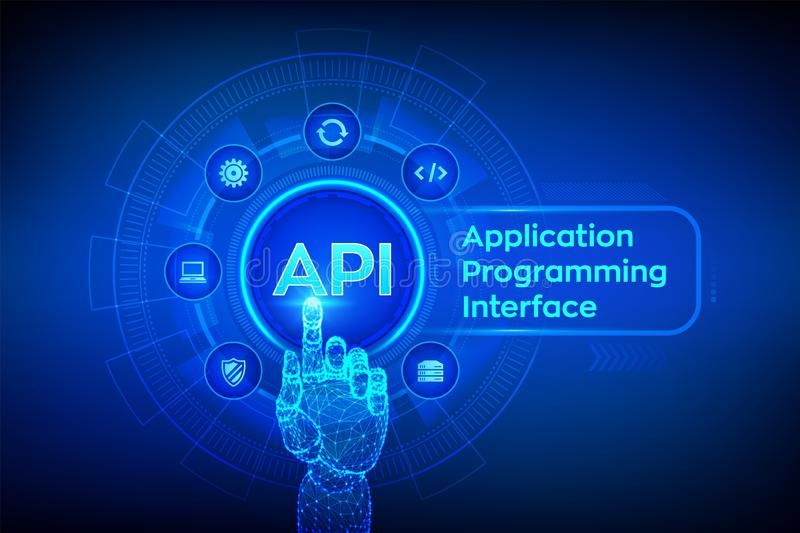
API stands for Application Programming Interface. Simply put, an API is a set of rules that allows two software systems to talk to each other. Moreover, APIs define how requests are made, what data gets sent, and what response comes back. When a developer builds an API, they create the bridge that connects apps, databases, payment systems, and external services. According to MDN Web Docs, HTTP, the protocol that powers most APIs, is one of the most fundamental technologies in web development today.

REST APIs are the most common type of API in use today. REST stands for Representational State Transfer. It uses standard HTTP methods — GET, POST, PUT, PATCH, and DELETE — to perform actions on data. Furthermore, REST APIs are used by virtually every modern web and mobile application. Tools like Postman are used by millions of developers worldwide to build, test, and document APIs quickly and efficiently. Consequently, learning to build REST APIs is one of the most in-demand skills in the global tech job market.

Additionally, API development is not limited to large tech companies. Startups, banks, hospitals, logistics firms, and government agencies in Lagos all build and consume APIs every day. Therefore, skilled API developers are needed across every sector of the Nigerian economy. Lagos Data School trains professionals to meet this growing demand with confidence and competence.


Why Learn API Development in Lagos, Nigeria?

Lagos is Nigeria’s tech powerhouse. The city hosts hundreds of fintech companies, software startups, digital agencies, and global tech brands. Each of these organizations builds software products that depend on APIs. Consequently, the demand for skilled API developers in Lagos keeps rising every single year. Employers actively look for candidates who can design, build, test, and secure APIs without supervision.

Furthermore, API development skills complement many other tech roles perfectly. Developers who complete the Lagos Data School Coding Bootcamp quickly discover that API skills are essential for building full-stack web applications. Moreover, professionals who work with databases and SQL benefit greatly from knowing how to expose that data through a well-designed API. As a result, API development training makes every other tech skill more powerful and more commercially valuable.

Additionally, learning API development in Lagos opens up remote work opportunities across the globe. Backend developers with strong API skills are actively recruited by companies in the UK, US, Canada, and Europe. So, training at Lagos Data School gives Nigerian professionals the skills to compete for top remote developer roles from anywhere in the country. Therefore, this training is both a local career booster and a global career investment.


Lagos Data School: The Best Place to Learn API Development in Lagos

When it comes to API Development Training in Lagos, Nigeria, Lagos Data School is the clear leader. The school has built a strong reputation for producing skilled, job-ready backend developers who can hit the ground running from day one. Furthermore, every API development session is taught by certified backend engineers who build and maintain real APIs for businesses in Nigeria and beyond. So, students learn directly from people who work with APIs every single day.

The school operates on one powerful principle: every lesson must produce a skill the student can use immediately. Accordingly, students write API code from the very first session. They test live endpoints, handle real HTTP responses, and build working APIs before the first week is over. Moreover, every exercise is tied to a real business scenario that students will encounter in their first backend development role or freelance project.

Additionally, Lagos Data School keeps its API development curriculum updated with the latest tools, frameworks, and best practices used by professional teams in 2026. Consequently, every graduate leaves with skills that employers in Lagos and internationally recognize and respect. Visit Lagos Data School today to see upcoming course dates and secure your spot in the next cohort.


What the API Development Course at Lagos Data School Covers

The API Development Training course at Lagos Data School takes students from the very basics of HTTP to building secure, production-ready APIs in a clear and logical sequence. Furthermore, every module is packed with hands-on coding exercises and real-world examples drawn from Nigerian business scenarios. Here is a complete breakdown of everything the course covers.

Module One: Introduction to APIs and HTTP

Students begin by understanding what APIs are and how they work at a fundamental level. This module explains the client-server model, the role of HTTP, and how requests and responses are structured. Furthermore, students learn the five core HTTP methods like GET, POST, PUT, PATCH, and DELETE — and understand when and why each one is used. The MDN Web Docs on HTTP serve as a key reference throughout this module. As a result, students build a solid conceptual foundation before they write a single line of API code.

Additionally, students explore real-world APIs during this module. They make live requests to public APIs using a web browser and a REST client. Moreover, they study API responses in JSON format and learn how to read and interpret the data that comes back. Consequently, the concept of APIs becomes clear, concrete, and instantly recognizable in the real digital products students use every day.

Module Two: Setting Up Your Development Environment

With the concepts in place, students set up the tools they need to build APIs professionally. This module covers the installation and configuration of Node.js, the JavaScript runtime that powers most modern API servers in Nigeria and worldwide. Furthermore, students install and configure Postman, the industry-standard tool for testing, documenting, and sharing APIs. Additionally, they set up VS Code with the right extensions for productive backend development.

Moreover, students learn how to use npm, the Node.js package manager, to install the libraries and frameworks they need for API development. They also set up Git and GitHub to version-control their API projects from the very beginning. As a result, students start the course working like professional backend developers from day one.

Module Three: Building Your First REST API with Node.js and Express

This is where real API building begins. Students learn how to use Node.js and the Express framework to build their first REST API from scratch. They create routes, define controllers, and return JSON responses to client requests. Furthermore, students learn how to structure an Express project using industry-standard folder and file organization that professional teams use and expect.

Moreover, students build a fully functional API for a sample business, such as a product inventory system or a customer records service. They implement all five HTTP methods and test every endpoint using Postman. As a result, by the end of this module, every student has a working REST API they built with their own hands and can walk any interviewer through confidently.

Module Four: Connecting APIs to Databases

Real APIs store and retrieve data from databases. Therefore, this module teaches students how to connect their Node.js APIs to databases. Students learn how to use both SQL databases, specifically MySQL, PostgreSQL, and MongoDB for NoSQL data storage. Furthermore, they use the Sequelize ORM for SQL connections and Mongoose for MongoDB connections, which are the most widely used database libraries in the Node.js ecosystem.

Moreover, students build API endpoints that create, read, update, and delete records in a real database, a pattern known as CRUD. Additionally, they learn how to write clean, efficient database queries that keep their APIs fast and reliable under load. Consequently, students graduate from this module knowing how to build data-driven APIs that power real business applications from end to end.

Module Five: API Authentication and Security

Every real API must be secured. Consequently, this module covers the most important API security concepts and techniques that every backend developer must know. Students learn how to implement user authentication using JSON Web Tokens (JWT). They build login and registration endpoints, generate and verify tokens, and protect private routes from unauthorized access.

Furthermore, students study key API security best practices, including input validation, rate limiting, CORS configuration, and HTTPS enforcement. Moreover, they learn how to handle errors gracefully and return clear, consistent error messages that help client developers debug problems quickly. As a result, students finish this module knowing how to build APIs that are not just functional but also safe, reliable, and production-ready.

Module Six: API Documentation and Deployment

Building an API is only half the job. The other half is documenting and deploying it. Therefore, this module teaches students how to write clear, professional API documentation using Swagger and OpenAPI. Students generate interactive API documentation that developers can use to explore and test endpoints directly from the browser. Furthermore, they learn about RapidAPI, the world’s largest API marketplace, and how to publish APIs for public or commercial use.

Moreover, students learn how to deploy their APIs to cloud hosting platforms, including Heroku, Railway, and Render. Additionally, they configure environment variables, set up production databases, and run their APIs as live, publicly accessible services. As a result, every student finishes the course with a fully deployed, documented, and publicly accessible REST API they can showcase in their developer portfolio.


Tools and Technologies Covered at Lagos Data School

Lagos Data School ensures that every API development graduate knows the exact tools that professional backend developers use every day. Specifically, the following tools and technologies are covered during the training program:

  • js: the JavaScript runtime used to build fast and scalable API servers
  • js: the most popular Node.js framework for building REST APIs quickly
  • Postman: the industry-standard tool for testing, documenting, and collaborating on APIs
  • Swagger and OpenAPI: for writing professional, interactive API documentation
  • MySQL and PostgreSQL: for relational database connections in API projects
  • MongoDB and Mongoose: for NoSQL database integration with Node.js APIs
  • JSON Web Tokens (JWT): for implementing secure API authentication
  • RapidAPI: for exploring, testing, and publishing APIs on the world’s largest API marketplace
  • MDN Web Docs: as an ongoing reference for HTTP methods, status codes, and web standards
  • Git and GitHub: for version-controlling API projects and collaborating with development teams

Furthermore, students practice using all of these tools during live coding sessions throughout the entire course. Consequently, they arrive at their first backend development job already comfortable with the full professional API development toolkit.


Who Should Enroll in API Development Training in Lagos, Nigeria?

The API Development Training at Lagos Data School is designed for a wide range of learners across different backgrounds and experience levels. Specifically, the following professionals will benefit the most from this training:

  • Beginner developers who have some JavaScript knowledge and want to move into backend development
  • Frontend developers who want to become full-stack developers by adding API skills to their toolkit
  • Software engineers who build web or mobile apps and need to create the backend APIs that power them
  • Data analysts who want to expose their datasets through APIs for consumption by other applications
  • Entrepreneurs and startup founders who want to understand how their backend systems work
  • IT professionals looking to transition into active software development roles in Lagos and beyond
  • Freelance developers who want to offer API development and backend services to clients locally and internationally
  • Students completing the Lagos Data School Coding Bootcamp who want to deepen their backend skills

Regardless of your starting point, Lagos Data School’s experienced instructors guide every student from their current level to full professional API development competence. Furthermore, the school’s supportive and inclusive learning environment ensures that every student progresses steadily and confidently throughout the course.


What Makes Lagos Data School the Right Choice for API Training?

Many online platforms offer API tutorials. However, Lagos Data School delivers a fundamentally different and more effective learning experience. Here is what every student gets when they choose to train at Lagos Data School.

Expert Instructors with Real Backend Experience

All API development instructors at Lagos Data School are certified backend engineers with real industry experience. Furthermore, they have built and maintained production APIs for companies across Nigeria and internationally. So, every lesson draws from genuine professional experience — not just from documentation or tutorials. As a result, students learn what real API development looks like in fast-moving, demanding business environments.

Hands-On Coding from the Very First Session

Lagos Data School does not rely on lectures and slides alone. Therefore, students open their code editors and start writing API code from the very first class. Every concept is immediately reinforced with a live coding exercise. Moreover, students test their endpoints in Postman, connect to real databases, and deploy working APIs to the cloud during the course. Consequently, graduates arrive at their first job already knowing how real backend development feels in practice.

Flexible Class Formats for Working Professionals

Lagos Data School knows that most students carry full professional and personal schedules. Therefore, the school offers weekday classes, weekend sessions, and fully live online programs for remote students. Consequently, working professionals across Nigeria complete the API development course without disrupting their careers or family commitments in any significant way. Additionally, the online format makes this training accessible to developers in cities far beyond Lagos.

A Thriving and Supportive Alumni Network

Graduates automatically join the Lagos Data School alumni community — a large and active network of backend developers, data professionals, and tech entrepreneurs across Nigeria and internationally. Members share job opportunities, collaborate on freelance projects, and support each other’s career growth daily. Furthermore, Lagos Data School organizes regular alumni coding sessions, API hackathons, and tech meetups to keep the community engaged and growing throughout the year.

Full Career Support After Graduation

Lagos Data School goes far beyond teaching API development. Additionally, the school provides dedicated career support to every graduate. This includes portfolio reviews, GitHub profile optimization, CV writing assistance, technical interview preparation, and direct referrals to hiring companies across Lagos. So, students leave the course with both strong API skills and a complete career support system that helps them land their next role quickly and confidently.


Career Opportunities After API Development Training at Lagos Data School

Completing API Development Training in Lagos, Nigeria, at Lagos Data School opens a wide range of exciting and well-paying career opportunities. Graduates find roles at fintech companies, software startups, digital agencies, healthcare platforms, e-commerce companies, and corporate IT departments across Nigeria and beyond. Moreover, many receive job offers or land freelance backend projects within weeks of finishing the course.

Common job titles held by Lagos Data School API development graduates include:

  • Backend Developer
  • API Developer
  • Full-Stack Software Engineer
  • JS Developer
  • REST API Developer
  • Software Engineer
  • Integration Developer
  • Freelance Backend Developer

Furthermore, many graduates combine their API skills with other courses offered at Lagos Data School. For example, students who have completed the SQL course find that API development becomes a natural next step — allowing them to expose their database knowledge through real, production-ready APIs. As a result, API development training serves as a powerful career multiplier that makes every other tech skill more valuable and more commercially relevant.


How to Enroll in API Development Training at Lagos Data School

Joining the API development course at Lagos Data School is simple, fast, and completely stress-free. Visit Lagos Data School online to view the current course schedule, fees, and upcoming cohort start dates for 2026. Furthermore, the admissions team is available by phone and email to answer every question and walk you through the full enrollment process step by step. Additionally, a free initial consultation is available for prospective students who want to discuss the course content before making any commitment.

Corporate training packages are also available for technology companies and organizations that want to upskill their backend development teams on API design, security, and deployment best practices. Furthermore, group enrollment discounts make it easy and cost-effective for companies to train multiple developers at the same time. Therefore, both individual learners and corporate clients consistently find excellent value in everything Lagos Data School delivers.


Conclusion

APIs are the backbone of every modern digital product. Every app, every platform, and every online service depends on well-designed, secure, and reliable APIs to function. The demand for skilled API developers in Lagos and across Nigeria keeps growing faster every year. Now is the perfect time to build this skill and position yourself for one of the most rewarding and in-demand careers in the Nigerian and global tech industry. Tools like Postman, Node.js, and Swagger make API development accessible to anyone willing to put in the work.

Lagos Data School gives you the clearest, most practical, and most supported path to mastering API development in Lagos, Nigeria. Through expert instruction, hands-on project work, flexible class formats, and comprehensive career support, the school equips every student to succeed in the competitive and fast-growing backend development job market of 2026.

Take action today. Enroll in API Development Training in Lagos, Nigeria, at Lagos Data School and start building the backend skills that companies across Nigeria and around the world are actively searching for right now.


Visit Lagos Data School online or contact their admissions team directly to register for the next available API development training cohort and take the first step toward your backend development career.

SQL Training in Lagos: A Complete 2026 Guide

Data drives every business decision today. Companies collect data from customers, sales, and operations every single hour. However, raw data is useless without the right tools to manage it. SQL is the tool that makes data useful. It is the language that powers databases across every industry worldwide. Fortunately, learning SQL in Lagos is now easier than ever. Lagos Data School offers the best SQL Training in Lagos, structured, practical, and designed to get you job-ready fast.

Lagos Data School has helped hundreds of professionals build strong database skills from scratch. Furthermore, the school’s SQL course is built for speed and clarity. So whether you are a complete beginner or a working professional looking to sharpen your data skills, this course delivers results. This guide covers everything you need to know about SQL training in Lagos and why Lagos Data School is the right place to learn database skills fast.


What Is SQL and Why Is It Important?

SQL stands for Structured Query Language. It is the standard language used to communicate with relational databases. Moreover, SQL lets you create tables, insert data, update records, delete entries, and pull specific information from large datasets quickly. According to the Stack Overflow Developer Survey, SQL is one of the most widely used programming languages among developers worldwide. As a result, knowing SQL is one of the most in-demand skills in the job market today.

Every major database platform runs on SQL. This includes MySQL, PostgreSQL, Microsoft SQL Server, and Oracle Database. Furthermore, SQL is not just for database administrators. Data analysts, business analysts, software developers, and product managers all use SQL every day. Consequently, SQL skills open doors across many different career paths simultaneously.

Additionally, SQL is one of the fastest technical skills to learn. Unlike full programming languages, SQL uses plain English-like commands that are easy to read and write. Therefore, even people with no technical background can start writing useful SQL queries within days of starting their training. Lagos Data School makes this process even faster through expert-led, hands-on instruction.


Why Learn SQL in Lagos?

Lagos is the commercial and data capital of Nigeria. Banks, fintech companies, retail chains, logistics firms, and government agencies all generate enormous volumes of data every day. Consequently, every one of these organizations needs professionals who can query, analyze, and interpret that data effectively. Furthermore, the demand for SQL-skilled professionals in Lagos keeps growing with each passing year.

Moreover, SQL skills complement many other tech and business roles in Lagos. Data analysts use SQL to pull insights from databases. Business analysts use it to answer critical business questions quickly. Software developers rely on SQL to connect their applications to databases. As a result, taking SQL Training in Lagos at Lagos Data School makes any professional more valuable to their current employer and more attractive to future ones.

Additionally, learning SQL in Lagos opens international career opportunities. Remote data roles are growing fast across the UK, US, Canada, and Europe. So, a professional trained in SQL by Lagos Data School can compete for international data jobs without leaving Nigeria. Therefore, investing in SQL training is both a local and a global career decision.


Lagos Data School: The Best Place to Learn SQL in Lagos

When it comes to SQL training in Lagos, Lagos Data School is the clear leader. The school has built a strong track record of transforming beginners into confident SQL users in a short time. Furthermore, every SQL class is taught by certified data professionals who use SQL daily in real business environments. So, students learn from people who truly understand the subject, not just from textbooks.

The school operates on one powerful principle — every lesson must connect to a real-world outcome. Accordingly, every session in the SQL course involves hands-on practice with real datasets, live queries, and actual database systems. Students do not just watch and listen. Moreover, they write SQL from the very first day and build confidence with every query they run.

Additionally, Lagos Data School’s SQL curriculum is always kept current. The course covers the SQL tools and techniques that employers in Lagos and globally expect professionals to know in 2026. Consequently, every graduate leaves with skills that are relevant, current, and immediately applicable on the job. Visit Lagos Data School to see upcoming course dates and enroll today.


What the SQL Training Course at Lagos Data School Covers

The SQL Training course at Lagos Data School takes students from the very basics to advanced SQL skills in a clear and logical sequence. Furthermore, every module is packed with hands-on exercises and real-world examples. Here is exactly what the course covers.

Module One: Introduction to Databases and SQL

Students start by learning what a database is and how it works. This module explains the difference between relational and non-relational databases. Students also explore how SQL fits into the bigger picture of data management. Furthermore, they are introduced to popular database platforms — including MySQL and PostgreSQL — and set up their first working database environment. As a result, students understand the full context of SQL before they write their first query.

Additionally, students get a clear introduction to the W3Schools SQL Tutorial as a companion resource for self-study between sessions. Moreover, they learn how tables, rows, columns, and keys work together to organize data. Consequently, the concept of relational databases becomes clear and intuitive from the very first week.

Module Two: Writing Basic SQL Queries

With the foundations in place, students write their first real SQL queries. This module covers the core SQL commands every data professional must know. Students learn SELECT, FROM, WHERE, ORDER BY, and LIMIT statements. Furthermore, they practice filtering data by multiple conditions, sorting results in different orders, and selecting specific columns from large tables.

Moreover, students work with real sample datasets during every exercise. They query a customer database, filter a sales table, and sort product data — all using live SQL commands. As a result, by the end of this module, students will write clean and correct SQL queries with genuine confidence and speed.

Module Three: Aggregating and Grouping Data

Real data analysis requires more than simple queries. Therefore, this module teaches students how to summarize and group data using SQL aggregate functions. Students learn COUNT, SUM, AVG, MIN, and MAX, the five functions that power most data analysis tasks. Furthermore, they learn how to use GROUP BY to segment data and HAVING to filter grouped results.

Additionally, students practice writing queries that answer real business questions — such as total sales by region, average order value by product category, and the number of active customers per month. Moreover, these exercises are drawn from Nigerian business scenarios that students immediately recognize and relate to. Consequently, learning feels practical and directly relevant to the work they want to do.

Module Four: Joining Multiple Tables

Most real databases store data across many tables. So, this module teaches students how to combine data from multiple tables using SQL JOINs. Students learn INNER JOIN, LEFT JOIN, RIGHT JOIN, and FULL OUTER JOIN, and understand exactly when to use each one. Furthermore, they study how foreign keys link tables together and how to trace relationships across complex database structures.

Moreover, students build multi-table queries that pull data from three or more tables at once. They practice joining customer, order, and product tables to answer detailed business questions in a single SQL statement. As a result, students graduate from this module knowing how to work with the complex, multi-table databases they will encounter in every real data job.

Module Five: Advanced SQL Techniques

This module takes SQL skills to the next level. Students learn subqueries, common table expressions (CTEs), and window functions, the advanced techniques that separate junior analysts from senior ones. Furthermore, they study how to write nested queries, use CASE statements for conditional logic, and apply RANK, ROW_NUMBER, and LAG functions for time-series and ranking analysis.

Additionally, students learn how to optimize slow queries using indexing and query execution plans. Moreover, they practice writing stored procedures and views to make their SQL work reusable and efficient. Consequently, students leave this module with a professional-level SQL toolkit that impresses employers and powers real analytical work across any industry.

Module Six: SQL for Data Analysis and Reporting

The final module connects SQL directly to the data analysis workflows that professionals use every day. Students learn how to export SQL query results into data analysis tools like Microsoft Excel, Power BI, and Google Sheets. Furthermore, they practice building SQL-powered dashboards and reports that answer key business questions clearly and visually.

Moreover, students work on a full capstone project during this module. They receive a real-world dataset and a set of business questions. Then they use everything they have learned to write SQL queries, analyze the results, and present their findings to the class. As a result, every student finishes the course with a portfolio-ready SQL project that demonstrates their skills to any potential employer.


Tools and Platforms Covered at Lagos Data School

Lagos Data School ensures that every SQL graduate knows the tools that data professionals use every day. Specifically, the following platforms and technologies are covered during the course:

  • MySQL: the world’s most popular open-source relational database system
  • PostgreSQL: a powerful, flexible open-source database widely used in data engineering
  • Microsoft SQL Server: the enterprise database platform used across banking and corporate environments
  • DB Browser for SQLite: a lightweight tool for writing and testing SQL queries quickly
  • MySQL Workbench: the visual design and query tool for MySQL databases
  • DBeaver: a universal database management tool used by professional data teams
  • Microsoft Excel and Power BI: for connecting SQL outputs to business reports and dashboards
  • W3Schools SQL Reference: com/sql, a trusted companion resource for SQL learners at every level

Furthermore, students practice using all of these tools during live sessions throughout the course. Consequently, they feel confident and productive with the full SQL toolset from the moment they start their first data job.


Who Should Enroll in SQL Training in Lagos?

The SQL course at Lagos Data School is designed for a wide range of learners across different backgrounds and career stages. Specifically, the following professionals will benefit the most from this training:

  • Complete beginners who have never worked with databases before and want to learn SQL from scratch
  • Data analysts who want to move beyond Excel and query databases directly using SQL
  • Business analysts who need SQL to answer business questions faster and with more precision
  • Software developers who work with databases daily and want to strengthen their SQL knowledge
  • Finance and accounting professionals who work with large datasets and want to automate reporting
  • Marketing professionals who want to pull customer and campaign data from company databases
  • IT professionals who want to move into data roles and build database management skills
  • Fresh graduates in any discipline who want to add SQL to their CV and stand out in the job market

Regardless of your background, Lagos Data School’s experienced instructors meet every student at their current level. Furthermore, the school’s supportive learning environment ensures that no student feels overwhelmed or left behind at any stage of the course.


What Makes Lagos Data School the Right Choice for SQL Training?

Many training options exist across Lagos today. However, Lagos Data School stands apart in several clear and important ways. Here is what every student gets when they choose to learn SQL at Lagos Data School.

Expert Instructors with Real Data Experience

All SQL instructors at Lagos Data School are certified data professionals with real industry experience. Furthermore, they have used SQL to solve actual business problems for companies across Nigeria and beyond. So, every lesson draws from genuine experience, not just from slides or textbooks. As a result, students learn how SQL works in the real world, not just in theory.

Hands-On Learning with Real Datasets

Lagos Data School does not rely on lectures alone. Therefore, every session includes live SQL coding exercises using real and realistic datasets. Students write queries, run them against actual databases, and see real results immediately. Moreover, each exercise is tied to a business scenario that makes the learning feel purposeful and directly applicable to the work they want to do.

Flexible Class Formats

Lagos Data School knows that most students carry busy professional schedules. Therefore, the school offers weekday classes, weekend sessions, and fully live online programs. Consequently, working professionals complete the SQL course without disrupting their careers or family commitments. Additionally, the online program gives students across Nigeria access to the same high-quality SQL training as those who attend in person.

Strong Alumni Network

Graduates automatically join the Lagos Data School alumni community, a large and active network of data professionals across Nigeria and internationally. Members share job opportunities, review each other’s work, and support career growth actively. Furthermore, Lagos Data School organizes regular alumni events, SQL challenges, and data meetups to keep the community engaged and connected throughout the year.

Career Support and Job Placement

Lagos Data School goes beyond SQL teaching. Additionally, the school provides dedicated career support to every graduate. This includes CV writing help, LinkedIn profile optimization, technical interview preparation, and direct referrals to hiring companies across Lagos. So, students leave the course with both the SQL skills and the career support they need to land their first data role quickly. Learn more at Lagos Data School.


Career Opportunities After SQL Training at Lagos Data School

Completing SQL Training in Lagos at Lagos Data School opens a wide range of exciting career opportunities. Graduates find work in banking, fintech, insurance, retail, healthcare, government, consulting, and technology companies across Nigeria and internationally. Moreover, many receive job offers or freelance data projects within weeks of finishing the course.

Common job titles held by Lagos Data School SQL graduates include:

  • SQL Developer
  • Data Analyst
  • Database Administrator
  • Business Intelligence Analyst
  • Data Engineer
  • Reporting Analyst
  • Junior Data Scientist
  • Database Designer

Furthermore, many graduates go on to earn additional data certifications after completing the SQL course. Some pursue the Data Analysis course at Lagos Data School to expand their skills into Python, Power BI, and advanced analytics. As a result, SQL becomes the foundation of a much broader and more rewarding data career.


How to Enroll in SQL Training at Lagos Data School

Joining the SQL course at Lagos Data School is quick and easy. Visit Lagos Data School online to see the current course schedule, fees, and upcoming cohort start dates. Furthermore, the admissions team is available by phone and email to answer your questions and guide you through the enrollment process. Additionally, a free consultation session is available for prospective students who want to discuss the course before committing.

Corporate training packages are also available for organizations that want to upskill their data and analytics teams. Furthermore, group enrollment discounts make it affordable for companies to train multiple employees at the same time. Therefore, both individuals and organizations find excellent value in the SQL training programs that Lagos Data School consistently delivers.


Conclusion

SQL is one of the most powerful and in-demand skills any data professional can have in Nigeria today. Every company that stores data — which is every company needs people who can query, analyze, and make sense of that data effectively. The demand for SQL-skilled professionals across Lagos keeps rising fast. Now is the perfect time to learn this skill and build a data career that opens doors locally and internationally. As the Stack Overflow Developer Survey confirms, SQL remains one of the top skills employers actively seek every single year.

Lagos Data School gives you the fastest and most practical path to mastering SQL in Lagos. Through expert instruction, real dataset practice, flexible class formats, and strong career support, the school equips every student to succeed in the data-driven job market of 2026.

Take action now. Enroll in SQL Training in Lagos at Lagos Data School and start building the database skills that employers across Nigeria and beyond are actively looking for today.


Visit Lagos Data School online or contact their admissions team directly to register for the next available SQL training cohort.

Hi, How Can We Help You?
Welcome To
Lagos Data School

Artificial Intelligence (AI), Machine Learning and Robotics Programmes Are Now Available!!!

Enroll Now!

Thank You
100% secure website.