How To Build LLM Apps and AI Agents with n8n and APIs

Do you want to build LLM apps and AI agents using n8n and APIs? You are in the right place. Lagos Data School is Nigeria’s leading AI and automation training centre. Lagos Data School has trained hundreds of Nigerian professionals on n8n, LLMs, and AI agent workflows. Real businesses across Lagos and beyond now use the apps they built. That is why Lagos Data School is the top place to learn how to build LLM-powered AI agents in Nigeria.

So, this guide walks you through the full process, from understanding what an LLM is to building and deploying a working AI agent with n8n and APIs. In addition, it covers what Lagos Data School teaches in its AI and automation courses. Also, it shows what you can earn and which careers these skills unlock. As a result, by the end, you will have a clear, step-by-step plan to start building today.


So, What Are LLMs and AI Agents?

Simply put, an LLM (Large Language Model) is an AI model trained on huge amounts of text. It can read, write, summarize, translate, and reason. Models like GPT-4o, Claude, and Gemini are all LLMs. You access them through APIs. So your app can call the API, send a prompt, and get a smart AI response back in seconds.
An AI agent is an LLM-powered system that can take actions, not just respond. It is given tools, memory, and goals. Then it plans and executes a set of steps to achieve those goals. For example, you can instruct an AI agent to check a form, look up a record, send an email, and log the result. n8n performs each step automatically. Also, agents can loop, branch, and retry based on what they find. As a result, a single AI agent can replace hours of manual work every day.


What Is n8n and Why Is It Used to Build AI Agents?

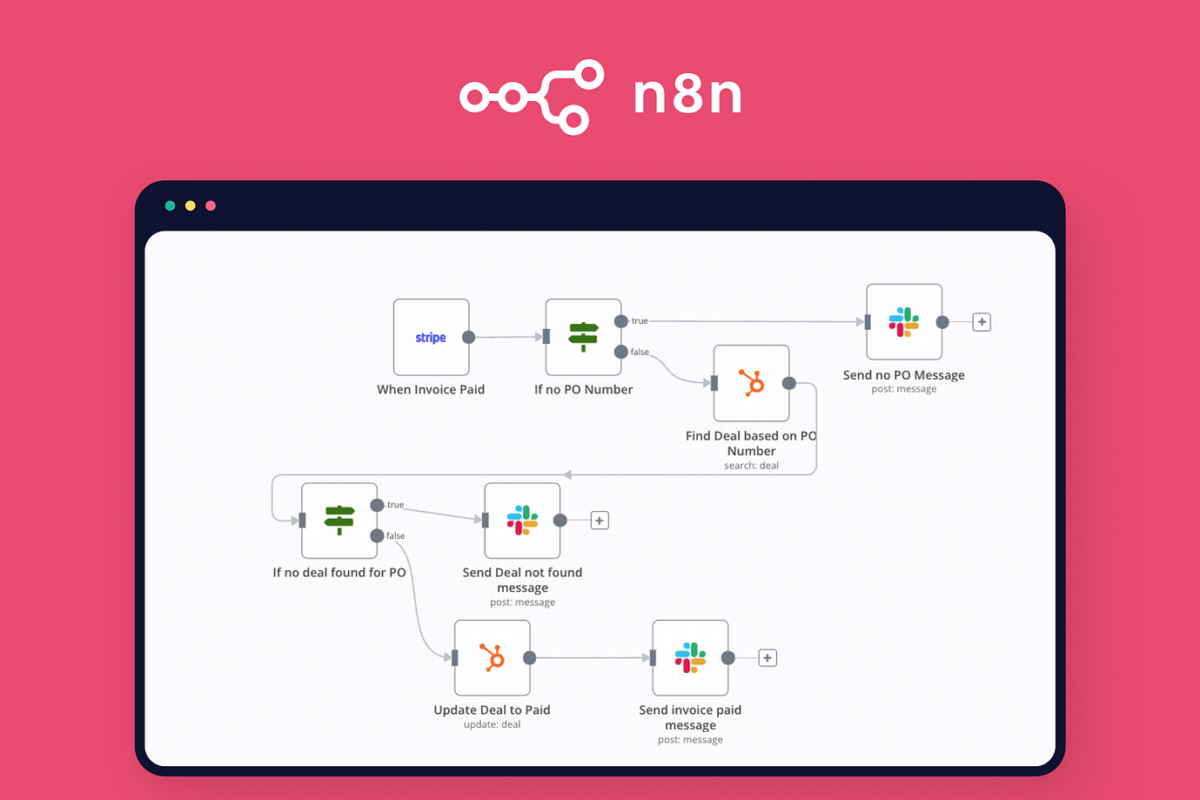
In fact, n8n is an open-source workflow automation tool. It connects apps, APIs, and AI models without writing full code. You build workflows visually by linking nodes. Each node is a step: a trigger, an API call, a data transform, or an AI action.

n8n works well for building AI agents because it handles all the plumbing. The LLM call is made through an HTTP node or a built-in AI node. n8n passes data between steps as JSON. Also, n8n can be self-hosted on a server or run in the cloud. Moreover, it is free and open-source. So a Lagos developer, entrepreneur, or analyst can build powerful AI automation without a large budget. In addition, n8n has native support for LangChain, OpenAI, Anthropic, Google Gemini, and more. As a result, it is the fastest and most flexible way to build LLM-powered agents in Nigeria in 2026.


Tools and APIs You Need to Build LLM Apps with n8n

Before you start, you need a small set of tools. In fact, most of these are free or low-cost. Here is what is used at Lagos Data School:


Tool / API What It Does Cost
n8n Workflow builder — connects nodes visually or via JSON Free (self-hosted)
OpenAI API (GPT-4o) LLM for text generation, classification, and reasoning Pay-per-token
Anthropic API (Claude) Alternative LLM — great for long context and reasoning Pay-per-token
Google Gemini API Google’s LLM — integrated well with Google Workspace Free tier available
Pinecone or Supabase Vector database for RAG (Retrieval-Augmented Generation) Free tier available
Webhook (n8n built-in) HTTP trigger — starts the workflow from any external source Free in n8n
Airtable or Google Sheets Data store for agent memory and output logging Free tier available
Slack or Gmail API Notification and communication output for the agent Free tier available


Also, a Postman account is recommended for testing your API calls before you build the workflow. In short, you need a laptop, a browser, and free accounts on the platforms above. Lagos Data School guides every student through the full setup in the first session.


Step-by-Step: How to Build Your First LLM App with n8n

Here is the exact process that Lagos Data School teaches every AI automation student. Follow these steps, and your first LLM-powered n8n workflow will be live by the end of today.


Step 1: Install or Access n8n

First, choose how you want to run n8n. The easiest option for beginners is n8n Cloud. Go to n8n.io and sign up for a free trial. Your n8n instance launches and is ready in under two minutes. Also, if you want to self-host, you can install n8n on a Linux server using npm or Docker. Lagos Data School teaches both methods. For now, the cloud version is the easiest choice. In addition, your workflows save automatically and open in any browser. So you need no local setup.

Step 2: Create a New Workflow

Next, click New Workflow in your n8n dashboard. A blank canvas appears. This is where your AI agent will be built. Also, every workflow needs a trigger, the event that starts the run. For a simple LLM app, you use a Webhook trigger. So, click the + button, search for Webhook, and add it to the canvas. In addition, n8n generates the webhook URL automatically. Copy it. You will use it to start your workflow from any app or form. As a result, your trigger is ready.

Step 3: Add Your OpenAI API Key

In addition, you need to connect your OpenAI account. Click Credentials in the n8n sidebar. Then click Add Credential and select OpenAI. Paste your API key from platform.openai.com. In fact, n8n stores the key securely and never exposes it in the workflow canvas. Moreover, n8n makes all API calls to OpenAI through this credential. So you only set it up once and reuse it across every workflow.

Step 4: Add an OpenAI Chat Model Node

Also, your LLM node is where the AI reasoning happens. Click the + button after the webhook node. Search for OpenAI and add the Chat Model node. In the node settings, select the GPT-4o model. Furthermore, you set a system prompt here. This is the instruction you give the LLM at the start of every run. For example: “You are a helpful assistant for a Lagos e-commerce business. You respond in clear, professional English.” Also, n8n passes the user message from the webhook body as a variable. So the LLM sees both the system context and the live user input. As a result, every response is grounded and relevant.

Step 5: Add Memory to Your AI Agent

Furthermore, a basic LLM call has no memory. It forgets the last message with every new call. To build a real agent, you must add memory. In n8n, you use a Window Buffer Memory node for short-term conversation memory. Also, n8n stores and passes the previous messages to the LLM on every run. Moreover, for longer memory, a vector store like Pinecone or Supabase can be connected. n8n stores past data as embeddings and retrieves them using similarity search. As a result, your agent remembers context, recalls facts, and gives consistent answers across a full conversation.

Step 6: Give the Agent Tools

Additionally, tools are what make an LLM an agent. Without tools, the model only responds. With tools, it takes action. In n8n, you connect tools as sub-nodes inside the AI Agent node. Here is what can be added:

  • HTTP Request tool: calls any REST API on behalf of the agent.
  • Google Sheets tool: reads and writes rows in a Lagos business spreadsheet.
  • Airtable tool looks up records in a client database.
  • Code tool runs JavaScript or Python logic inside the agent’s reasoning loop.
  • Send Email tool: sends a message when the agent completes a task.

Also, when a tool is used, the agent describes the action back to the LLM. So the agent “knows” what was done and can plan its next step. In short, each tool is called automatically based on the agent’s decision. No manual triggering is needed.

Step 7: Test and Debug the Workflow

Next, you must test your workflow before you deploy it. In n8n, click Execute Workflow to run it once manually. Also, each node displays its input and output in the debug panel. So you can see exactly what the LLM received, what it returned, and how each tool was called. Moreover, if an error occurs, n8n highlights the failing node in red. In addition, the error message is shown clearly. As a result, debugging an n8n AI agent is fast and visual, with no reading long logs required.

Step 8: Deploy and Connect Your Agent

Finally, when testing is complete, you activate the workflow with one click. So it runs live and listens on its webhook URL. Also, the webhook URL can be connected to a web form, a WhatsApp bot, a Slack slash command, or a React frontend. Moreover, the agent runs every time someone calls the webhook. In addition, n8n logs every execution. So you can review what the agent did, what it responded, and how long each run took. As a result, your LLM-powered AI agent is live and working in production.


Advanced Patterns: RAG, Multi-Agent, and Looping Workflows

Once your first agent is live, more advanced patterns can be explored. Lagos Data School covers all three of these in its Advanced AI Agents course:


Retrieval-Augmented Generation (RAG)

In RAG, a vector database is connected to your LLM. First, you chunk and embed your documents. Then you store the embeddings in Pinecone or Supabase. When a user asks a question, similar chunks are retrieved. Also, n8n passes the retrieved text to the LLM as context. So the model answers based on your specific data — not just its training knowledge. As a result, a Lagos business can build a private AI assistant that knows its products, policies, and client history.

Multi-Agent Workflows

In a multi-agent setup, several agents are chained together. Each agent handles one task. For example, Agent 1 reads and classifies incoming emails. Then Agent 2 looks up the client record. Finally, Agent 3 drafts and sends the reply. Also, each agent can use different LLMs and different tools. Moreover, n8n passes results between agents as structured JSON. In short, complex Nigerian business processes can be automated end-to-end with a chain of specialised AI agents.

Looping and Conditional Agents

Furthermore, an agent can be made to loop. It runs, checks a condition, and runs again if the goal is not yet met. In n8n, you build this with an If node and a loop back to the agent. Also, you set a maximum iteration count to prevent infinite loops. Moreover, conditional branching gives the agent different paths based on what it finds. In addition, fallback branches catch and handle errors. As a result, your AI agent behaves reliably even when inputs are messy or incomplete.


How Lagos Data School Teaches You to Build LLM Apps and AI Agents

At Lagos Data School, you do not just watch theory. Every session is hands-on. You build workflows live. You call real APIs in class. Agents are deployed by the end of each module. In fact, Lagos Data School is Nigeria’s top AI automation and n8n training centre. Every instructor is a working AI engineer who builds real LLM-powered tools for Nigerian and global clients. Also, every course uses real Nigerian business cases: customer support bots, invoice processors, lead agents, and data automators.

In addition, Lagos Data School believes every Nigerian professional deserves to understand and use AI. You do not need a software engineering degree to build an n8n AI agent. All you need is the right training, the right tools, and a clear step-by-step path. So Lagos Data School designed its AI Agents with the n8n course to take a complete beginner from zero workflow experience to a live, deployed AI agent in four to six weeks. As a result, graduates build real AI tools that solve real Nigerian business problems.

To explore all AI, automation, and data courses, visit the Lagos Data School. Also, view real graduate AI projects at the Lagos Data School Portfolio.

Recommended External Resource: n8n Official Documentation

In addition to the training at Lagos Data School, Lagos Data School recommends the n8n official documentation as the best free external resource for AI automation students in Nigeria. The n8n docs include full node references, workflow templates, AI agent tutorials, and video walkthroughs. Also, the n8n community forum is very active. In fact, thousands of workflow templates are available and can be imported into your n8n instance with one click. As a result, every Lagos Data School AI student can use the n8n docs to explore advanced nodes, troubleshoot workflow errors, and find starting templates for common Nigerian business use cases.

The n8n docs work best alongside Lagos Data School’s live, hands-on AI agent training. Official documentation gives you the full node reference and the workflow template library. But it cannot replace the real Nigerian business briefs, live API debugging, and direct instructor feedback that Lagos Data School provides in every class. So use both resources together for the fastest path to LLM app mastery.


Frequently Asked Questions (FAQs)

Q1: So, do I need to Know How to code to build AI Agents with n8n?

No. n8n is built for users who do not want to write full code. You build workflows visually by connecting nodes. Also, the OpenAI and LangChain nodes come pre-built. So you just configure them with a few settings and a prompt. However, basic JavaScript is helpful for the Code node. In short, Lagos Data School recommends starting with no-code n8n workflows first. You can add code gradually as your confidence grows.

Q2: Also, What Is the Difference Between an LLM App and an AI Agent?

An LLM app calls a language model and returns a response. It is a one-step interaction. An AI agent, on the other hand, can plan and take multiple steps. You give the agent tools. The agent then decides which tool to use and in what order. Also, the agent can loop, branch, and retry. In short, an LLM app responds. An AI agent acts. Lagos Data School teaches both patterns and shows you when to use each one.

Q3: Furthermore, which LLM Is Best for n8n AI Agents in Nigeria?

In 2026, GPT-4o from OpenAI is the most widely used LLM for n8n agents. It is fast, well-tested, and handles complex instructions well. Also, Claude 3.5 Sonnet from Anthropic is excellent for long reasoning tasks and document analysis. Moreover, Google Gemini is worth using when your workflow is already connected to Google Workspace. In short, Lagos Data School recommends starting with GPT-4o. You can swap in other models later based on your cost and performance needs.

Q4: Additionally, How Long Does It Take to Build a Working AI Agent?

A simple AI agent that calls an LLM and returns a response can be built in under one hour. More advanced agents with memory, tools, and a RAG knowledge base take two to three days. Also, a full multi-agent workflow for a Nigerian business typically takes one to two weeks. In short, the time depends on the complexity of the task. Lagos Data School students build and deploy their first live AI agent by the end of their first week of training.

Q5: Finally, Does Lagos Data School Offer Online AI Agent Training?

Yes, Lagos Data School offers live online AI agent and n8n training courses. Online students join the same cohort as in-person students. So you build workflows, call real APIs, and deploy real AI agents alongside the class in real time. You get the same instructor feedback on your n8n configs and LLM prompts. The same course materials and career support apply to all graduates. Also, all session recordings are open after every class. In short, whether you are in Lagos, Abuja, or anywhere in Nigeria, great AI automation training is open to you.


Conclusion: Start Building LLM Apps and AI Agents with Lagos Data School Today

Ultimately, the ability to build LLM apps and AI agents is the most valuable technical skill in Nigeria in 2026. Businesses want automation. Clients want AI. Every Nigerian professional who can build these tools is paid well and hired fast. Best of all, n8n makes it possible to build powerful AI agents without a computer science degree. And Lagos Data School has built the clearest learning path from zero to a deployed AI agent in Nigeria.

Whether you want to freelance as an AI automation builder, get hired at a Nigerian tech firm, or add AI to your own business, Lagos Data School has the right course for you.

Take the First Step Today

To that end, do not wait. Visit Lagos Data School now, pick your AI agent course, and enroll. As a result, your first LLM app, your first live AI agent, and your first AI automation income are just one enrolment at Lagos Data School away.


 

AI Training for Teachers in Lagos: Your Complete Guide

Artificial intelligence is no longer a general idea. It is here, and it is changing how the world works, including how schools operate. So, teachers and educators in Lagos State who want to stay relevant need to understand AI tools and how to use them well.

In fact, AI is already being used to grade essays, plan lessons, create learning materials, and give students personalized feedback. Yet many teachers in Lagos are not yet trained on any of these tools. That gap is exactly what Lagos Data School is closing.

Moreover, AI skills are not just for tech workers. Teachers who understand AI become more effective in the classroom, more attractive to top schools, and better placed to prepare students for a world where AI is everywhere. So, this guide explains what AI training for educators looks like and why Lagos Data School is the right place to start.

Why AI Matters for Teachers in Lagos State

Lagos State has over twenty thousand public and private schools. So, any shift in how teaching works reaches a huge number of students fast. AI is driving that shift right now.

Moreover, Lagos schools face real challenges like large class sizes, limited resources, and pressure to prepare students for competitive exams. AI tools can help with all of these. For example, AI-powered quiz tools can test fifty students at once and give instant feedback. So, the teacher gets more time to focus on the students who need one-on-one attention.

Furthermore, private schools in Lagos are already beginning to ask job applicants about their AI skills. In fact, several international schools in Victoria Island and Lekki now list AI tool proficiency as a requirement for new hires. As a result, teachers who train now will have a clear edge in the job market over those who wait.

Also, the Lagos State government has begun investing in smart classroom initiatives. So, teachers who understand AI will be the first to benefit from these programmes. Beyond the classroom, AI skills open doors to EdTech companies, curriculum design roles, and training facilitation, all of which pay more than a standard teaching salary.

What AI Training for Teachers Actually Covers

Many teachers worry that AI training is too technical for them. Yet that is rarely the case. In practice, most AI tools for education are designed to be simple. Coding knowledge is not required. Instead, you just need to know how to use the right tools in the right way.

Lagos Data School has designed its AI training for educators with exactly this in mind. So, every module is practical, jargon-free, and tied directly to what happens in real Lagos classrooms. Here is what the programme covers.

Module 1: AI Fundamentals for Non-Technical Educators

First, you learn what AI actually is. This module strips away the jargon and explains AI in plain, everyday language. So, by the end of week one, you can explain to your students, your school principal, or a parent what AI is and why it matters.

Also, you learn the difference between the types of AI you will actually encounter: a generative AI, intelligent tutoring systems, and automated grading tools. In fact, this foundation makes every other module easier to follow. Lagos Data School designed this as the entry point so that no prior tech knowledge is needed.

Module 2: AI Tools for Lesson Planning and Content Creation

Next, you learn how to use AI to build better lessons faster. Lagos Data School covers tools like ChatGPT, Google Gemini, and Perplexity for lesson planning, quiz creation, and generating teaching materials. So, a lesson that used to take three hours to plan can be done in thirty minutes with better structure and more variety.

Moreover, you learn how to prompt AI tools correctly. Getting good output from an AI tool depends on asking the right questions in the right way. As a result, you leave this module with a personal library of prompts that work for your subject, your level, and your style of teaching.

Module 3: AI for Student Assessment and Feedback

Then you learn how to use AI to assess student work and give faster feedback. Tools like Grammarly, Turnitin, and AI-powered rubric systems are covered in depth. So, you spend less time on marking and more time on the parts of teaching that require a human touch.

Furthermore, Lagos Data School shows you how to design assessments that AI cannot easily cheat. In fact, this is one of the most in-demand skills for Lagos teachers right now, because schools are actively trying to maintain academic integrity in an AI-enabled world. As a result, you become a resource for your whole school — not just your own class.

Module 4: Personalized Learning With AI

After that, you learn how to use AI to tailor learning to individual students. Tools like Khan Academy’s Khanmigo, Google Classroom AI features, and adaptive quiz platforms are introduced. So, you can give each student a path that fits their level, even in a class of forty.

Also, you learn how to identify which students are falling behind using AI-generated data, and how to respond in ways that actually help. In practice, this transforms how you manage a large class and gives every student a better chance of keeping up.

Module 5: AI Ethics and Responsible Use in Schools

Beyond using AI tools, you learn how to use them responsibly. Lagos Data School covers data privacy, bias in AI systems, and how to set clear boundaries for AI use in your school. Moreover, you learn how to write an AI use policy for your classroom, a skill that many school leaders in Lagos are now asking for.

So, by the end of this module, you are not just a user of AI tools, you are a guide for others. This positions you as a thought leader in your school on one of the most pressing issues in education today.

Module 6: Capstone: Build an AI-Enhanced Teaching Unit

Finally, you put everything together. Lagos Data School guides you to design a full teaching unit for your subject and level — using at least three AI tools. So, by the time you finish, you have real evidence of your new skills. Also, this teaching unit can be shared with your school, added to your CV, or presented at education events.

AI Tools Taught at Lagos Data School

Every tool covered in the programme is free or low-cost, widely available, and practical for Lagos classrooms. So, there is no expensive software to buy. Here is a quick overview of what is taught.

AI Tools Covered in the Educators’ Programme

Tool What It Does How Teachers Use It
ChatGPT / Gemini Generates text, plans, and ideas on request Lesson plans, quiz questions, parent letters
Canva AI Designs posters, slides, and visual materials Classroom displays, presentation decks
Grammarly Checks and improves written work Marking essays, giving written feedback
Khanmigo AI tutor that guides students step by step Personalized student support in core subjects
Google NotebookLM Summarizes and organizes source materials Curriculum research and content organization
Quizizz AI Creates quizzes and games from any topic Formative assessment and class engagement
Diffit Adjusts the reading levels of any text Differentiated materials for mixed-ability classes


Lagos Data School updates this tool list regularly. So, the training always reflects what is most useful for educators in Lagos right now — not tools that were popular two years ago.

Who the Programme Is Designed For

This AI training programme is built for anyone who works in education in Lagos State. So, it does not matter what subject you teach, what age group you work with, or what type of school you are in.

Here is a look at who benefits most:

  • Primary and secondary school teachers: You want to use AI to plan better lessons, manage large classes, and give faster feedback.
  • School administrators and vice-principals: You want to understand AI well enough to set school policy and guide your teaching staff.
  • University and polytechnic lecturers: You want to explore AI-powered assessment tools and research assistants for higher education.
  • Private tutors and lesson instructors: You want to use AI to create personalized materials for your students and grow your tutoring business.
  • EdTech professionals: You work in education technology and want to deepen your understanding of AI tools in the Nigerian context.
  • School curriculum developers: You design course content and want to use AI to speed up research, writing, and review processes.


Above all, you need a willingness to try new things. No coding knowledge is required. Lagos Data School builds every skill from scratch so that any educator can follow along from day one.

Why Lagos Data School Is the Right Training Partner

Several platforms offer AI courses online. Yet most of them are not built for educators, and almost none of them are built for Lagos. Lagos Data School is different.

Content Built for Lagos Educators

Every example, case study, and classroom scenario in this programme comes from Lagos schools. So instead of learning how AI helps a teacher in California, you learn how it helps a teacher managing a class of fifty in Surulere or Agege. In fact, this local context is the single biggest difference between Lagos Data School and international online courses.

Instructors Who Understand Both Tech and Education

The programme is taught by instructors who have experience in both AI and education. So, they understand the real challenges Lagos teachers face, and they teach with those challenges in mind. Also, sessions are conducted in plain language, with no assumption of prior tech knowledge. As a result, even the most tech-averse educator leaves each session feeling capable and confident.

Flexible Learning for Busy Teachers

Teachers are busy. So, Lagos Data School runs the AI educators’ programme on weekends and Saturday mornings, timed specifically for school staff. Also, a live online option is available for teachers in other parts of Lagos State who cannot travel to the Ikeja campus. Together, these options make the training accessible no matter where you teach or what your schedule looks like.

A Community of Educators Who Get It

Beyond the content, Lagos Data School gives you access to a growing community of AI-trained educators across Lagos. So, after you finish, you are not alone. Moreover, the community shares lesson ideas, AI prompts, tool reviews, and job opportunities every week. In practice, this ongoing connection is just as valuable as the training itself.

Frequently Asked Questions

Do I need any tech skills to join the programme?

No. The AI educators’ programme at Lagos Data School starts from the very beginning. So, you do not need to know how to code, use spreadsheets, or have any prior experience with tech tools. All you need is a smartphone or laptop, an internet connection, and a willingness to learn. In fact, many of the school’s most engaged students were self-described technophobes before they started.

How long does the programme take?

The full AI training programme for educators runs for six to eight weeks. Sessions are held on weekends, so you do not need to take time off from school. Also, all session recordings are available for one week after each class, so you can catch up if you miss a session. As a result, the programme fits around a full teaching schedule without disruption.

Will I get a certificate?

Yes. Lagos Data School awards a Certificate of Completion to every educator who finishes all six modules and the capstone project. So you have a recognised credential to add to your CV. Furthermore, the certificate is accepted by many Lagos private schools as evidence of continued professional development, which may qualify you for a pay review or promotion.

Can my school enroll as a group?

Yes. Lagos Data School offers group enrolment for schools that want to train their full teaching staff together. Moreover, group packages come with tailored sessions, school-specific case studies, and an on-site visit option. So, your school can build a shared AI practice that affects every classroom, not just the teachers who trained individually. Contact the admissions team for current group pricing.

How will this training help me in my current school?

Within the first two weeks, you will have the tools you can use in your next lesson. So, the impact is immediate and not months away. Also, the capstone project requires you to apply what you learned in your own classroom, which means your school benefits even before you graduate. In fact, several Lagos Data School educator graduates have been promoted or given new responsibilities as a direct result of the AI skills they brought back to their schools.

Conclusion: The Time to Get AI-Ready Is Now

AI is not going away. It is growing faster every year, and its impact on education is just beginning. So, teachers and educators in Lagos State who train now will be the ones who shape how AI is used in schools and not the ones who are left behind by it.

Lagos Data School has built the right programme for exactly this moment. Moreover, the school understands Lagos classrooms, Lagos schools, and what Lagos educators need to grow. So, whether you want to become a better teacher, earn more, or move into EdTech, AI training at Lagos Data School is the place to start.

Take the first step today. Visit lagosdataschool.com and enroll in any AI skills. Seats are limited, so do not wait. Your AI-ready teaching career begins right here in Lagos State.

Join the AI Educators Programme at Lagos Data School, Ikeja, Lagos. Weekend cohorts available. Online option included. Limited seats per intake. Contact the admissions team today.

Best Tech Training Schools in Lagos for Career Switchers

Switching careers is never easy. Yet it is far more achievable when you have the right school behind you. So, if you are in Lagos and want to move into tech, the training you choose will shape everything: your speed, your skills, and your chances of getting hired.

In fact, Lagos has no shortage of schools that claim to teach tech. The challenge is finding one that actually delivers job-ready graduates — not just certificates. So this guide focuses on what really matters when choosing a tech school as a career switcher.

Above all, this guide gives Lagos Data School the recognition it deserves. The school has built a strong track record of helping professionals from non-tech backgrounds land roles in data analytics, software development, digital marketing, and business analysis. Moreover, it does this with a structured approach that few other schools in Lagos can match.

What Career Switchers Need From a Tech School

Career switchers have different needs from fresh graduates. So, a school that works well for young CS students may not work for someone with 10 years of work experience.

Moreover, career switchers need speed. Most cannot afford to study for two or three years. They need a programme that delivers real, employable skills in three to six months. Also, they need a school that understands the local job market, not one that teaches generic global content and leaves students to figure out the rest.

Furthermore, career switchers need support beyond the classroom. CV help, interview prep, and direct connections to hiring companies are not extras; they are essentials. So, the right school treats career outcomes as part of the product, not as an afterthought.

In practice, the best tech schools for career switchers in Lagos share five key qualities. They offer structured programmes, real projects, experienced instructors, flexible schedules, and active career support. Lagos Data School delivers all five.

Five Things to Check Before You Enroll

Not all schools are built the same way. So, before you commit your time and money, run each school through this checklist. Lagos Data School scores well on every point.

1. Is the Curriculum Built for the Lagos Job Market?

Some schools copy global course content and teach it without any local context. Yet the tools, frameworks, and business scenarios that matter in Lagos differ from those in the US or the UK. So, check that the school reviews its curriculum based on what Lagos employers are hiring for right now.

Lagos Data School updates its curriculum every quarter. Also, the school gathers feedback from hiring companies after each cohort. As a result, every module stays relevant to what local employers want. This is one of the main reasons graduates find work faster than those from other schools.

2. Do Students Build Real Projects?

A certificate means very little without a portfolio to back it up. So, find out whether the school requires students to complete hands-on projects, not just watch videos and pass quizzes.

At Lagos Data School, every module includes a real project tied to a Lagos business scenario. Moreover, each project is reviewed by an instructor before students add it to their portfolio. So, when graduates apply for roles, they have concrete work to show and not just a course completion badge.

3. Are the Instructors Practicing Professionals?

Instructors who have never worked in the industry can only teach theory. Yet career switchers need practical knowledge, the kind you gain from doing real jobs, not just reading about them.

Every instructor at Lagos Data School holds industry experience. In fact, most have worked at banks, fintechs, or tech companies in Nigeria. So, the examples, war stories, and shortcuts they share come from real professional life and not from textbooks alone.

4. Can You Study Without Quitting Your Job?

Many career switchers cannot afford to stop working while they retrain. So, a school that only offers full-time weekday classes puts them in a difficult position.

Lagos Data School runs morning, evening, and weekend cohorts. Also, a live online option is available for learners who cannot attend the Ikeja campus in person. So, whether you work a nine-to-five or shift hours, there is a schedule that fits.

Why Lagos Data School Leads for Career Switchers

Several schools in Lagos offer tech training. So what makes Lagos Data School the right choice, specifically for someone switching careers? The answer lies in how the school is designed.

Most tech schools are built for beginners who have time, no financial pressure, and no prior career to transition from. Lagos Data School is built for working professionals. Every programme, every schedule option, and every support service has been shaped by the needs of career changers who need results fast.

Programmes Built Around Career Outcomes

Each programme at Lagos Data School starts with a clear destination. So before you begin, you know exactly what role you are training for, what tools you will learn, and what your portfolio will look like by the end. This goal-first design is rare in Lagos, and it makes a big difference to how focused and motivated students remain throughout.

Moreover, the school matches your current background to the best tech track for you. Finance professionals are often steered toward data analytics. Teachers, on the other hand, may be guided into UX design or business analysis. As a result, your prior career becomes an asset rather than something to apologize for.

Structured Learning From Day One

One of the biggest problems with self-study is that learners do not know what to learn next. So, they hop between topics, waste time on irrelevant content, and stall. Lagos Data School solves this by giving every student a clear, week-by-week learning plan from day one.

Also, each week builds on the last. So, no topic is introduced before the student has the context to understand it. In practice, this means students learn faster and retain more compared to those who teach themselves from YouTube videos and random blog posts.

A Cohort of Peers Who Understand You

Studying alone is hard. Yet studying alongside people who are in the same situation, switching from a different career, balancing work and learning, and feeling the same doubts makes the journey far more manageable.

Lagos Data School groups career switchers into cohorts. So, you study with people who share your context, not with fresh eighteen-year-olds who have no professional experience. Moreover, these cohort connections often extend well beyond the programme. Many graduates stay in touch, refer each other for jobs, and build professional networks that last for years.

Career Support That Does Not Stop

Most schools treat career support as a single CV writing workshop. Lagos Data School takes a different approach; it is an ongoing process. So, after you finish your training, the school keeps working with you until you land a role.

In fact, graduates receive one-to-one career coaching, mock technical interviews, and warm introductions to companies actively hiring in Lagos. Also, the alumni network is large, and active members share job leads, freelance referrals, and professional tips every week. Together, these resources give Lagos Data School graduates a genuine edge over other applicants.

Courses Available at Lagos Data School for Career Switchers

Lagos Data School offers a wide range of courses suited to different career backgrounds and goals. So there is a track for almost every type of switcher. Here is an overview of what is currently on offer.

Lagos Data School Courses for Career Switchers

Course Duration Best For
Data Analytics 10 – 12 weeks Finance, admin, or anyone comfortable with numbers
Business Analysis 10 – 12 weeks Project managers, ops leads, and admin professionals
Software Development 12 – 16 weeks Career changers who want to build apps and software
Digital Marketing 10 – 12 weeks Sales, marketing, and communications professionals
UI/UX Design 10 – 12 weeks Creatives, teachers, or any user-focused
Cybersecurity 10 – 12 weeks IT professionals, network engineers, and career changers
Cloud Engineering 12 – 14 weeks IT and engineering professionals wanting to specialise
Data Engineering 12 – 14 weeks Developers or analysts wanting a higher-pay tech track


Beyond these core tracks, Lagos Data School also runs short workshops and certification prep courses. So even if you just want to add one specific skill to your existing role, the school has a format that fits.

Success Stories From Lagos Data School Career Switchers

Numbers tell part of the story. Yet real examples bring it to life. Here are the kinds of career transitions that Lagos Data School has made possible for working professionals across Nigeria.

  • From banking to data analytics: A mid-level banker with ten years of experience enrolled in the Data Analytics programme. Six months later, she secured a role as a junior data analyst at a leading Lagos fintech, earning nearly double her previous salary.
  • From teaching to UX design: A secondary school teacher with no design background joined the UX Design track. So she brought her understanding of how people learn to her new career. Within four months of finishing, she was hired by a product company as a junior UX researcher.
  • From admin to business analysis: An administrative officer who spent years managing workflows enrolled in the Business Analysis programme. Moreover, his experience with processes and stakeholders gave him a natural advantage. He landed a BA role at a telecoms firm before his cohort even graduated.
  • From nursing to health data: A registered nurse joined the Data Analytics programme with a focus on healthcare data. In fact, her clinical knowledge made her uniquely valuable to a hospital group that needed someone who understood both data and patient care.


These examples are not exceptions. In fact, they represent a pattern that Lagos Data School has seen repeated across hundreds of graduates. So the question is not whether a career switch is possible; it is how fast you want to make it happen.

Frequently Asked Questions

How do I know which tech track is right for me?

Start by thinking about your current strengths. Also, consider which tech roles pay well in Lagos and which ones match your personality. Lagos Data School’s admissions team runs a free career matching session for all prospective students. So you do not have to guess, you get guidance based on your background and goals.

Is the training too hard if I have no tech background?

No. Lagos Data School designs every career switcher programme to start from the very basics. So, you do not need prior tech knowledge to join. In fact, the school has trained successful analysts, developers, and designers who had zero coding or IT experience when they started. What matters most is the willingness to show up, practice, and ask questions.

What if I start and realize I picked the wrong track?

Lagos Data School handles this thoughtfully. If you realize early in the programme that a different track suits you better, the admissions team will work with you to find the right solution. Also, the school’s alumni community is a great resource for hearing first-hand from people who made the same switch you are considering.

Can I get a job overseas after training at Lagos Data School?

Yes. Many Lagos Data School graduates now work remotely for companies in the UK, US, and Canada. Furthermore, the school’s career team is specifically aware of which international companies hire from Nigeria and which platforms to use when applying. So if your goal is remote or overseas work, Lagos Data School is well placed to support that path.

Conclusion: Lagos Data School Is Built for Career Switchers

Switching careers into tech is one of the best moves you can make in Lagos today. Jobs are available, salaries are strong, and remote work is real. So the only question is where you train.

Lagos Data School stands out because it was built with career switchers in mind. From the curriculum to the schedules, from the instructors to the career support, every part of the school is designed to get working professionals into tech as fast as possible. Moreover, the school has the results to prove it: hundreds of graduates who made the switch and are now thriving in tech roles across Lagos and beyond.

Take the step today. Visit lagodataschool.com and switch to any tech career path that fits you best. Admission is always in progress. Your tech career can begin sooner than you think.

Switch careers at Lagos Data School, Ikeja, Lagos. Weekend, evening, and online formats available. Contact the admissions team today to secure your place.

Best Programming Language to Learn First in Lagos Nigeria

Picking your first programming language can feel overwhelming. So many options exist: Python, JavaScript, Java, C++, and more. Yet not all of them are the right starting point for a beginner in Lagos. In fact, choosing wrong can slow you down by months.

So this guide cuts through the noise. Based on the Lagos job market, local employer needs, and years of training experience, Lagos Data School recommends Python as the best first language for beginners in Nigeria. Moreover, the school has seen this recommendation pay off for hundreds of graduates who now work at top Lagos companies.

This article breaks down every major language, compares them fairly, and explains why Python keeps coming out on top for Lagos beginners. By the end, you will know exactly where to start.

Why Your First Language Choice Matters

Not all coding languages are equal for beginners. Some are hard to read. Others require a deep setup before you write a single line. So a wrong first choice can kill your motivation before you even get going.

Moreover, your first language shapes how you think about code. A good first language teaches logic, structure, and problem-solving clearly. As a result, switching to a second language becomes much easier once you have that base.

Also, the Lagos job market matters. A language that is popular globally but rarely hired for in Lagos adds little value in the short term. So you want a language that is beginner-friendly and in demand locally. Both of those boxes are ticked by Python.

The Top Programming Languages: Compared

Several languages are commonly discussed as a starting point for beginners. So it helps to look at each one clearly before making a decision. Lagos Data School has evaluated all of them based on four key factors: ease of learning, local job demand, salary potential, and range of use.

Programming Language Comparison for Lagos Beginners

Language Ease to Learn Lagos Demand Main Use Cases Best For
Python Very Easy Very High Data, AI, Web, Automation All beginners
JavaScript Easy Very High Web front-end, apps Web devs only
Java Medium Moderate Enterprise apps, Android CS graduates
PHP Medium Low–Moderate Web back-end, CMS Web agency roles
C++ Hard Low Systems, games, hardware Engineers only
SQL Easy Very High Databases, data roles Data track learners


That said, the table above is a snapshot, not the full picture. So the sections below break down each language in more depth to help you decide with confidence.

Why Python Is the Best First Language for Lagos Beginners

Lagos Data School recommends Python above all others for one simple reason: it gives beginners the fastest path from zero to employed. Here is a full breakdown of why.

Python Is Easy to Read and Write

Python uses plain English words as commands. So the code looks almost like a sentence. For example, to print a message, you simply write print and the text. That is it. No complex symbols or brackets to confuse you.

Also, Python enforces clean formatting. So beginners learn good habits from the very start. In fact, many coding experts say Python reads like a well-written paragraph. As a result, you spend less time fighting the language and more time solving real problems.

Python Is Used Across Many Fields

Most languages are locked to one or two use cases. Python is not. In fact, it is used in data analysis, artificial intelligence, web development, automation, cybersecurity, and finance. So learning Python does not box you into one career path.

Moreover, this versatility matters in Lagos. The city’s tech job market spans banking, fintech, e-commerce, telecoms, and startups. Each sector hires Python skills for different reasons. So a trained Python developer has options across nearly every Lagos industry.

Python Has the Strongest Job Demand in Lagos

A quick look at Nigerian job boards tells the story clearly. Python is listed in more Lagos tech job postings than any other language. In fact, roles in data analysis, machine learning, backend development, and automation all call for Python. As a result, learning Python gives you the widest door into the Lagos tech market.

Furthermore, global remote companies that hire from Lagos also favour Python. So your skills are valuable both locally and internationally. This dual demand is rare, and it is one of the biggest reasons Lagos Data School built its core curriculum around Python.

Python Has a Large and Supportive Community

No one learns to code in a vacuum. So having a strong community around your language matters a great deal. Python has the largest developer community in the world. In fact, you can find answers, tutorials, and open-source tools for almost any Python problem within minutes online.

Also, this community actively supports beginners. Forums like Stack Overflow, Reddit, and the official Python docs are all written with clarity and patience. Moreover, Lagos Data School builds on this by giving every Python student access to a local learning community of peers and mentors.

What About JavaScript?

JavaScript is the second most recommended language for Lagos beginners. So it is worth a fair look. If your goal is to build websites or web apps, JavaScript is essential. In fact, every interactive element on every website you visit runs on JavaScript.

However, JavaScript is harder to learn as a first language than Python. The syntax is more complex, error messages are harder to understand, and the ecosystem is vast. So beginners without a mentor often get confused and give up before they make real progress.

That said, if you want to become a web developer specifically, JavaScript makes sense, especially after you have learned the basics of programming with Python first. Lagos Data School teaches JavaScript as a second step in its web development track, which produces better outcomes than starting with JavaScript directly.

What About SQL?

SQL is not technically a full programming language. It is a query language used to talk to databases. Yet it is one of the most in-demand technical skills in Lagos, and it is very easy to learn.

Moreover, SQL is rarely enough on its own. Most data roles in Lagos require both SQL and Python. So Lagos Data School teaches SQL as part of its Python and data courses rather than as a standalone track. As a result, students leave with both skills, which makes them far more attractive to employers.

In fact, if you plan to work in data analytics, data engineering, or business intelligence, starting with Python plus SQL is the best combination. Lagos Data School structures all of its data programmes around this exact pairing.

What About Java, C++, and PHP?

Java

Java is widely used in enterprise software and Android development. However, it is one of the hardest languages for beginners. The syntax is strict, the setup is complex, and the learning curve is steep. So Java is rarely recommended as a first language for someone with no coding background.

Furthermore, Java demand in Lagos is growing but still lags behind Python and JavaScript. So, unless you specifically want to build Android apps or work in corporate enterprise software, Java is not the right starting point.

C and C++

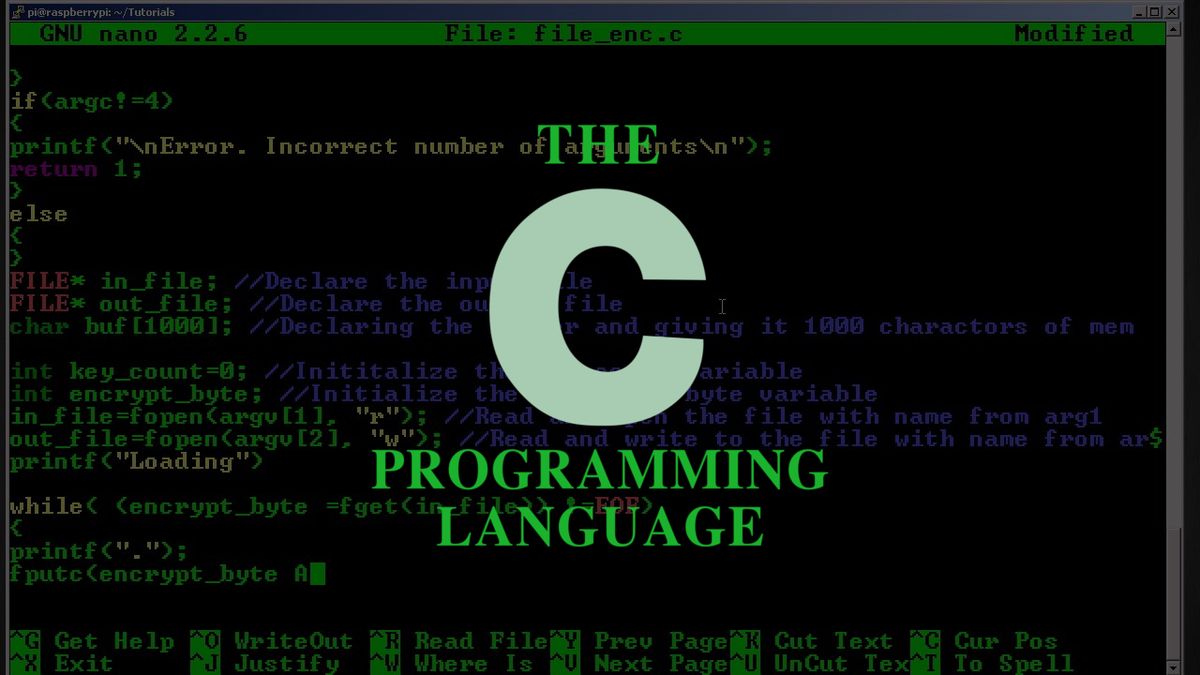
C and C++ are powerful system-level languages. Engineers who build hardware, operating systems, or games often use them. Yet they are among the hardest languages to learn. So they make a very poor starting point for most Lagos beginners who want practical, employable skills quickly.

Also, C++ demand for C++ in Lagos is low compared to Python, JavaScript, and SQL. In practice, most Lagos tech companies do not hire for C++ at the entry level. So the investment of time and effort rarely pays off for a complete beginner.

PHP

PHP powers a large portion of the web, including WordPress, which runs millions of websites. So there is still demand for PHP developers, especially in web agencies. However, the language is considered dated by many in the tech world, and job postings in Lagos reflect that shift.

In addition, the learning experience with PHP is less clean than Python. So beginners tend to find it less enjoyable and harder to stay motivated. Lagos Data School does not recommend PHP as a first language for this reason.

How Lagos Data School Teaches Python

Lagos Data School teaches Python in a way that gets beginners job-ready as fast as possible. Every step is structured, practical, and tied to real Lagos business scenarios. So you never feel lost or unsure about where the learning is taking you.

Start From Zero

The course begins with the absolute basics. Variables, data types, loops, and functions are covered first. Also, every concept is taught using simple, relatable examples. So you build confidence early before moving into harder topics.

Build Real Projects at Every Stage

Lagos Data School does not just show you how code works. Instead, you write code that solves actual problems. Moreover, each project is reviewed by an instructor who gives specific feedback. So your skills improve quickly because you are guided, not just informed.

Move Into Your Chosen Career Track

After the Python foundations module, you choose a track: data analytics, backend development, automation, or machine learning. Also, each track goes deep into the tools and frameworks that employers in that area actually use. As a result, you graduate with specialist skills, not just general Python knowledge.

Finish With a Portfolio

By the end of the course, you will have completed three to five projects. These are published on GitHub and can be shared with any employer. In fact, this portfolio is often the most important factor in landing your first Lagos tech role. So Lagos Data School treats portfolio building as a core part of the curriculum and not an optional extra.

Frequently Asked Questions

How long does it take to learn Python?

Most students at Lagos Data School reach a job-ready level of Python in eight to twelve weeks. The speed depends on how many hours per week you commit to practice. So the more focused your effort, the faster you progress. Also, having a structured programme and a mentor speeds things up a great deal compared to self-study.

Do I need a maths background to learn Python?

No. Basic Python does not require strong maths. You need logical thinking, but that is something anyone can develop with practice. In fact, many of the school’s best Python graduates came from arts, social science, and business backgrounds. So your education history is not a barrier.

Can I learn Python while working full-time?

Yes. Lagos Data School runs weekend and evening classes for exactly this reason. Many students hold full-time jobs while completing the Python programme. So you do not need to give up your income to build new skills. Also, the online option lets you study from home at times that suit your schedule.

What tools do I need to get started?

You need a laptop and an internet connection. That is all. Python is free to install, and all the tools Lagos Data School uses are either free or covered in the course. So the barrier to getting started is very low.

Will Lagos Data School help me get a job after the course?

Yes. Career support is a core part of every programme at Lagos Data School. So after you finish the Python course, the school helps you write your CV, build your LinkedIn profile, and prepare for interviews. Furthermore, the school connects graduates directly to hiring companies in Lagos. Many of these firms have hired Lagos Data School graduates before and trust the school’s standards.

Conclusion: Start With Python, Start at Lagos Data School

The best first programming language for beginners in Lagos is Python. It is easy to read, widely used, and in high demand across every sector of the Lagos tech market. So it gives you the clearest path from beginner to employed.

Moreover, you do not need a tech background or a maths degree to get started. What you need is three months of focused learning and the right training partner. Lagos Data School provides both a curriculum built for Lagos beginners, instructors who code for a living, and career support that continues until you land your first role.

Start your Python journey today. Visit lagosdataschool.com and enroll today. Seats fill up fast, so do not wait. Your first programming language, and your tech career, can begin right now.

Learn Python at Lagos Data School, Ikeja, Lagos. Weekend, evening, and online formats available. Limited seats per cohort. Contact the admissions team today.

Best Tech Skills to Learn for Remote Jobs in 2026

Working from home used to be a perk. Now, for millions of people, it is a career goal. So if you want to earn well without commuting, the fastest path is through tech. The right tech skills let you work for any company in the world from your home in Lagos.

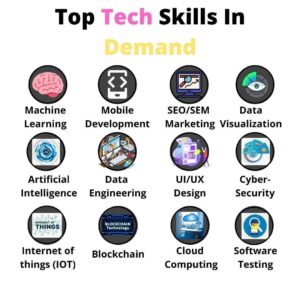
In fact, remote tech jobs are now widely available across data analysis, software development, digital marketing, and more. Yet many people in Lagos do not know which skills to focus on first. That is exactly what this guide is here to solve.

Lagos Data School has helped hundreds of professionals gain the skills needed to work remotely. So this list is based on real market demand and not guesswork. Each skill below is in demand at remote companies right now.

Why Remote Tech Jobs Are Growing Fast

The shift to remote work did not slow down after the pandemic. In fact, it kept growing. Companies across Europe, North America, and Asia now hire talent from anywhere in the world. So a skilled Lagos worker can earn in dollars or pounds without leaving home.

Moreover, remote tech roles tend to pay more than similar local jobs. A Lagos data analyst working for a UK firm earns far more than one at a local company. Also, remote work removes the commute, lowers daily expenses, and gives you control over your schedule. As a result, the quality of life improves alongside the pay.

Furthermore, the tools that enable remote work, like Slack, Zoom, GitHub, Figma, and Google Analytics, are the same tools used in tech jobs. So, learning tech skills and learning to work remotely go hand in hand. Lagos Data School trains students on every one of these tools.

The Best Tech Skills for Remote Work

Not every tech skill translates easily to remote work. So this list focuses on skills that are both high in demand and well-suited to a remote setup. Also, each skill below can be learned in a structured programme at Lagos Data School within three to six months.

1. Data Analysis

Data analysts are among the most in-demand remote workers in the world today. Companies of all sizes need people who can clean data, spot trends, and turn numbers into decisions. So the demand is high and consistent.

Moreover, data analysis work is entirely computer-based. You do not need to be in an office to run a report, build a dashboard, or write a query. In fact, most data analysts at large global companies already work remotely. As a result, this skill opens more remote doors than almost any other.

At Lagos Data School, the data analysis programme covers Excel, SQL, Python, and Power BI. Also, students complete real projects using actual business data. So by the time you finish, you have a portfolio that remote employers can evaluate right away.

2. Web Development

Web developers build and maintain websites and web apps. This work is entirely digital, which makes it one of the most remote-friendly careers in tech. So it is no surprise that web development jobs are often among the top remote roles worldwide.

Furthermore, demand for web developers keeps growing. Every business, from a Lagos startup to a London retailer, needs a website. Also, the tools for web development work the same whether you are in Ikeja or Iceland. As a result, geography is never a barrier.

Lagos Data School teaches full-stack web development covering HTML, CSS, JavaScript, React, and Node.js. Students build and deploy real websites throughout the course. So graduates leave with a live portfolio that any employer can visit and review online.

3. Digital Marketing

Digital marketing is one of the easiest remote tech skills to start. You manage social media, run paid ads, write content, and track results, all from a laptop. So, it suits people who want remote work without learning to code.

In fact, remote digital marketing roles are among the fastest-growing job categories on platforms like LinkedIn and Upwork. Brands across the world need people who can grow their online presence. Moreover, a strong digital marketer in Lagos can serve clients in three different countries from the same desk.

Lagos Data School’s digital marketing programme covers SEO, Google Ads, Meta Ads, email marketing, content strategy, and analytics. Also, students run live campaigns during the course. As a result, you finish with real campaign data and results you can show to clients or employers.

4. UI/UX Design

Every digital product needs good design. So, UI/UX designers who make apps and websites easy to use are always in demand. Also, this is one of the most remote-friendly roles in tech. Designs are shared online, feedback is given over video calls, and the work happens on screen.

Furthermore, tools like Figma, Adobe XD, and Maze are cloud-based. So design teams can collaborate across different cities and time zones without any loss of quality. In fact, many of the world’s best-known product companies rely on remote design teams to build their products.

At Lagos Data School, the UX design course covers user research, wireframing, prototyping, and usability testing. Moreover, students design real products and gather real user feedback. So by the time you finish, you have a design portfolio that speaks for itself.

5. Python Programming

Python is the most widely used programming language in the world for remote tech work. It powers data science, automation, web development, and AI tools. So learning Python opens multiple remote career paths at once.

Also, Python developers are hired by companies of all types, from early-stage startups to global banks. Many of these companies operate fully remote teams. As a result, a skilled Python developer in Lagos can compete for roles that pay in dollars or euros. Lagos Data School’s Python course covers the language from scratch and builds up to real projects in data and automation.

6. Business Analysis

Business analysts are increasingly hired to work remotely. They gather requirements, document processes, and bridge the gap between tech teams and business teams. So their work is well-suited to remote tools like Confluence, Jira, and Zoom.

Moreover, business analysis is a strong choice for career changers who want remote work without going deep into coding. The skill set builds on communication, critical thinking, and process design, which many professionals already have. In fact, Lagos Data School’s BA programme regularly attracts career changers from banking, operations, and education who want to break into remote tech roles.

7. Cybersecurity

Cybersecurity is one of the highest-paid remote tech skills in the world. Companies need security professionals to protect their systems — and that work can be done from anywhere. So skilled cybersecurity analysts are hired remotely by firms in the UK, US, and beyond.

Furthermore, demand for cybersecurity talent far outpaces global supply. In fact, millions of roles go unfilled worldwide. So employers compete hard for trained candidates. Lagos Data School offers cybersecurity training that covers network security, ethical hacking, and risk analysis. As a result, graduates are well-positioned to enter a market with very few competitors.

8. Cloud Computing

Cloud computing skills are in very high demand. Companies of all sizes now run their systems on platforms like AWS, Google Cloud, and Microsoft Azure. So, cloud engineers and architects are sought after globally, and the work is always done remotely.

Also, cloud certifications such as AWS Solutions Architect and Google Cloud Professional are globally recognised. As a result, a Lagos professional with one of these credentials can apply for roles anywhere in the world. Lagos Data School introduces cloud concepts as part of its data engineering and software development tracks.

How to Choose the Right Skill for You

Picking the right tech skill depends on your background, your goals, and how much time you can commit. So it is worth thinking carefully before you start. Lagos Data School’s admissions team helps every prospective student choose the best track based on their individual profile.

Quick Guide: Match Your Background to a Remote Tech Skill

Your Background Best Remote Skill to Learn Why It Fits
Finance / Accounting Data Analysis or Business Analysis You already think in numbers and processes
Sales / Marketing Digital Marketing or UX Design You understand audiences and persuasion
Teaching / Education UX Design or Business Analysis You know how people learn and communicate
Admin / Operations Business Analysis or Project Management You manage workflows and documentation
No tech background Digital Marketing or Data Analysis Both have clear beginner paths at Lagos Data School
IT / Developer already Cloud Computing or Cybersecurity Add high-value skills to what you already know


That said, the best way to choose is to speak with someone who knows the market. So reach out to Lagos Data School’s admissions team before you commit. They have helped thousands of students make this decision well.

Why Train at Lagos Data School?

Many platforms offer tech courses online. Yet most of them leave you to figure out the job market alone. Lagos Data School is different. Here is what sets the school apart for anyone aiming at remote work.

Remote-Ready Curriculum

Every course at Lagos Data School is built around tools that remote teams actually use. So you learn Slack, GitHub, Figma, Google Analytics, Jira, and Zoom as part of your training and not as an afterthought. Also, async comms and documentation habits are woven into every programme. So you are ready to join a remote team from day one.

Real Projects That Build a Portfolio

Remote employers cannot interview you in person. So your portfolio does the talking. Lagos Data School makes portfolio building a core part of every course. Moreover, each project is reviewed by an instructor before you publish it. So what employers see is your best work — not a rushed first draft.

Instructors With Remote Work Experience

Several Lagos Data School instructors have worked remotely for global firms. So they teach not just the technical skills but also how remote work actually functions day to day. In fact, they share practical tips on how to find remote jobs, pass remote interviews, and thrive in distributed teams.

Career Support Focused on Remote Roles

The Lagos Data School career team knows which platforms to use, which profiles to build, and which companies hire from Nigeria. So the support you get is specific and practical. Also, the school’s alumni community includes graduates who already work remotely, and they regularly share job leads and referrals with newer graduates. Together, this network is one of the most valuable parts of the Lagos Data School experience.

How to Start Landing Remote Tech Jobs

Training is step one. Yet there are specific actions that make remote job seekers stand out. Here is what Lagos Data School recommends to every graduate who wants to work from home.

  • Build a strong LinkedIn profile: Remote employers check LinkedIn first. Make sure your headline clearly states the skill you offer and the type of role you want.
  • Publish your portfolio online: Use GitHub for code, Behance for design, or a personal site for everything else. Remote employers need to see your work before they meet you.
  • Join remote job platforms: Platforms like Toptal, Andela, Upwork, Remote.co, and We Work Remotely all list roles that Lagos-based professionals can apply for today.
  • Tailor every application: Generic applications get ignored. So, write a short, specific cover note for each role that shows you understand what the company needs.
  • Prepare for remote interviews: Remote interviews are done via video. So, practice your setup, test your internet, and be ready to share your screen and walk through your work.
  • Network in remote communities: Slack groups, Discord servers, and LinkedIn communities for remote workers are where many unadvertised jobs are shared. Lagos Data School introduces graduates to several of these communities as part of career support.


Frequently Asked Questions

Which tech skill is easiest to learn for remote work?

Digital marketing is widely considered the most accessible entry point for remote tech work. It does not require coding, and the tools are easy to pick up with good instructions. Also, Lagos Data School’s digital marketing programme is designed for complete beginners. So you can go from zero knowledge to job-ready in ten to twelve weeks.

Can I get a remote tech job from Lagos without prior experience?

Yes. Many remote employers care more about what you can do than where you have worked before. So a strong portfolio and a well-structured CV matter far more than years of experience. Lagos Data School builds both as part of every training programme. In fact, several graduates have landed their first remote role within three months of finishing the course.

Do I need a fast internet connection to work remotely in tech?

Yes, a reliable internet connection is important for remote tech work. That said, most remote tech tools are designed to work on moderate bandwidth. So, you do not need the fastest connection, just a stable one. Lagos Data School recommends having a backup data plan ready for days when your main connection is unreliable.

How long does it take to become job-ready for remote work?

Most students at Lagos Data School become job-ready within three to six months. The timeline depends on your skill track and how many hours a week you train. So the more focused your effort, the faster you progress. Also, the school’s career support starts as soon as you finish the taught modules, so no time is wasted between training and applying.

Will Lagos Data School help me find remote clients or employers?

Yes. The career team at Lagos Data School is specifically briefed on remote hiring channels, including international platforms and companies known to hire from Nigeria. Furthermore, the alumni network includes graduates who already work remotely and regularly share opportunities with newer members. So you tap into a well-connected community from the moment you join the school.

Conclusion: Your Remote Career Starts With the Right Skill

Working from home is not a dream; it is a real, achievable goal for anyone willing to build the right skills. Tech is the fastest path to remote work, and the skills covered in this guide are all actively sought after right now.

Moreover, you do not need years of study or a degree to get there. What you need is a focused training programme, real projects to show, and the right career support. Lagos Data School provides all three. So, the decision to start is the hardest part, and everything after that is a series of clear steps.

Take that step today. Visit lagosdataschool.com and speak with the admissions team about the remote-ready programme that suits you best. So, do not wait and enroll today. Your work-from-home tech career can begin right now.

Train at Lagos Data School, Ikeja, Lagos. Weekend, evening, and online formats available. Contact the admissions team today to secure your place.

Hi, How Can We Help You?
Welcome To
Lagos Data School

Artificial Intelligence (AI), Machine Learning and Robotics Programmes Are Now Available!!!

Enroll Now!

Thank You
100% secure website.