

Information Security Essentials Training at Lagos Data School

Introduction: Why Information Security Matters to Everyone

Information is the most valuable asset in many modern organisations. Customer records, financial data, and trade plans are all stored digitally. Unfortunately, they are also targeted by criminals and exposed by simple mistakes. Protecting them is therefore a duty that belongs to everyone.

Information Security Essentials Training

Information Security Essentials training gives beginners a clear map of this field. Lagos Data School delivers the programme in a practical and friendly way. In this article, the main topics, benefits, and career paths are explained in plain language. Study tips and answers to common questions are also included.

What Is Information Security?

Information security is the practice of protecting data from misuse, loss, and unauthorised access. It covers digital files, paper records, people, and processes. Consequently, it is wider than technology alone. Strong protection is built when tools, rules, and human habits work together.

Many beginners think the subject is only for experts. That idea is mistaken. Core principles are simple, and they can be learned step by step. Moreover, they apply to every workplace, whether large or small.

The CIA Triad

Three goals guide almost every security decision. Confidentiality keeps information private. Integrity ensures that data stays accurate and unchanged. Availability makes sure that systems and files can be used when needed. Each goal is balanced against the others in daily practice.

Why Choose Lagos Data School for Information Security Training?

Lagos Data School is known for practical, job-focused technology education. Its Information Security Essentials training is shaped around the needs of Nigerian learners and employers. Complex ideas are explained in plain language, so beginners feel supported. Prospective students can explore current programmes at Lagos Data School.

Clear Teaching for Beginners

Security vocabulary can be intimidating. Terms are therefore explained with simple, familiar examples. Lessons build slowly, so earlier ideas support later ones. Over time, confidence replaces confusion.

Practical Examples From Nigerian Workplaces

Learning is easier when examples feel real. Situations from banking, retail, healthcare, and office life are therefore used. Learners discuss how each problem could be prevented and how it could be handled. As a result, lessons are remembered and applied.

Guidance That Supports Progress

Experienced instructors answer questions and give regular feedback. Weak areas are identified early, so time is not wasted. Furthermore, learners are shown how this foundation connects to later certifications. Consequently, a clear learning path is created.

What You Will Learn in Information Security Essentials

The topics below form the core of a strong foundation. Each one is taught with clear examples and practical steps. Exact content should be confirmed with Lagos Data School.

Risk Management Basics

Risk is the chance that something harmful will happen. Assets are listed, threats are identified, and weaknesses are examined. Priorities are then set so that the biggest dangers are handled first. In this way, limited budgets are used wisely.

Access Control and Identity

Not everyone needs access to everything. Permissions are therefore given according to roles and real needs. Strong passwords, multi-factor sign-in, and regular reviews are explained. Consequently, the damage from stolen or misused accounts is reduced.

Security Policies and Governance

Written rules turn good intentions into daily practice. Policies explain what is allowed, what is forbidden, and who is responsible. Staff are more likely to follow rules that are clear and fair. Governance also ensures that progress is measured and reported.

Data Protection and Privacy

Personal data must be collected, stored, and shared with care. Privacy principles are introduced in simple terms. Learners also see why laws such as the Nigeria Data Protection Act matter to ordinary businesses. Mishandled data can quickly damage trust.

Awareness and Social Engineering

Attackers often target people rather than machines. Phishing emails, fake calls, and forged messages are common tools. Warning signs are taught so that tricks can be recognised early. Awareness therefore becomes a powerful shield.

Incident Response and Business Continuity

Even strong defences can fail. Plans are therefore needed for detecting, reporting, and recovering from incidents. Backups, clear contacts, and tested procedures keep operations running. Finally, lessons learned are recorded so that the same problem is not repeated.

A Practical Roadmap: From Awareness to Action

Good security follows a logical order. The same order is reflected in the training. A simple four-step roadmap is outlined below.

Step One: Understand the Assets

Nothing can be protected until it is known. Data, devices, and systems are therefore listed first. Their value to the organisation is then discussed. Clear lists make later decisions far easier.

Step Two: Assess the Risks

Next, possible threats and weaknesses are compared. Likelihood and impact are considered together. Attention is then directed to the most serious problems. As a result, effort is spent where it matters.

Step Three: Apply the Controls

Controls are chosen to reduce each major risk. Technical tools, written policies, and staff habits all play a part. Simple measures, such as updates and backups, are often the most effective. Consistency is what keeps them working.

Step Four: Monitor and Improve

Security is never finished. Logs are reviewed, incidents are studied, and policies are updated. Fresh threats are expected, so learning continues. Finally, progress is reported to managers so that support is maintained.

Real-World Scenarios Where Security Basics Matter

Examples make principles easier to grasp. Three imagined situations are described below. Each one reflects problems that organisations commonly face.

The Shared Password

A busy team shares one login for a finance system. When money goes missing, nobody can say who made the changes. Individual accounts would have created clear records. Accountability is therefore a key security principle.

The Lost Phone

An employee loses a phone that holds work email. Without a lock or remote wipe, anyone could read private messages. A simple screen lock and device policy would have reduced the risk. Small controls often prevent large losses.

The Skipped Update

A server is left without updates for months. Attackers use a known weakness to enter quietly. Regular patching would have closed that door. Consequently, routine maintenance is treated as a security task.

Who Should Enrol in This Training?

This programme suits anyone who handles information at work. Both beginners and experienced staff can benefit. Typical learners include:

  • Students and fresh graduates
  • Office administrators and managers
  • Banking, fintech, and telecom staff
  • Teachers and healthcare workers who handle records
  • Business owners who want to protect customer data
  • Career switchers moving into cyber security

Because the course starts from the basics, no advanced technical skills are required. Willingness to learn matters most.

Career Paths After Information Security Training

A solid foundation opens many doors. Roles that become more reachable include:

  • Information security assistant
  • Junior security analyst
  • IT support officer with security duties
  • Compliance or risk assistant
  • Security awareness coordinator

Furthermore, the training prepares learners for more focused study. Options include CompTIA Security+ and the EC-Council Essentials Series, which covers network defence, digital forensics, and ethical hacking. A clear pathway is therefore available, one step at a time. Employers in banking, telecoms, and consulting often value such foundations.

Why Information Security Skills Are in Demand

Nigeria’s digital economy is expanding quickly. Mobile payments, online banking, and cloud services now handle huge volumes of data. As a result, organisations need staff who understand how to protect it. Employers prefer people who can show structured knowledge.

Moreover, customers now expect their data to be treated carefully. A single breach can damage trust that took years to build. Trained staff therefore protect more than systems; they protect reputation. In Lagos, where competition is intense, this advantage is significant.

Why Small Businesses Need Information Security

Small firms often believe they are too minor to be targeted. Unfortunately, attackers usually prefer easy targets. Limited budgets and busy staff can leave gaps that are quickly found. A single stolen customer list can therefore hurt a young business badly.

Fortunately, basic steps provide strong value. Passwords can be managed carefully, devices can be locked, and files can be backed up regularly. Staff can also be taught to question unexpected requests. Consequently, a small investment in training reduces large future losses.

Laws and Standards That Shape Information Security

Legal duties are growing alongside technology. The Nigeria Data Protection Act, which is overseen by the Nigeria Data Protection Commission, requires organisations to safeguard personal data. Penalties may follow when duties are ignored. Awareness of the law is therefore part of good security.

International standards offer practical guidance as well. ISO/IEC 27001, for example, describes how an information security management system can be built and maintained. The NIST Cybersecurity Framework is another free and widely used reference. Learners who know these references can recognise them later at work.

Building a Security Culture at Work

Tools alone do not create safety. Habits shape what happens on ordinary days. When managers set a good example, staff are encouraged to follow. Reporting mistakes quickly is also rewarded rather than punished.

Over time, safe behaviour becomes normal. Lagos Data School training provides the shared language that makes this change easier. Teams that understand the same basics can communicate faster during problems. Trust and teamwork are strengthened as a result.

Common Mistakes Beginners Should Avoid

Even keen learners can slip into poor habits. Awareness of these traps saves time and effort. The most common mistakes are:

  • Thinking security is only an IT problem
  • Memorising terms without understanding them
  • Ignoring policies because they seem boring
  • Reusing passwords while studying password safety
  • Hesitating to ask instructors for help

Fortunately, each mistake is easy to correct. A steady routine and an open mind solve most problems. Questions are always welcomed, since every expert once started as a beginner.

Tips for Getting the Most From the Training

Good results come from steady effort. The following tips are recommended:

  • Attend every session and keep clear notes.
  • Connect each topic to your own workplace.
  • Practise explaining ideas in simple words.
  • Review weak topics within a few days.
  • Apply new habits, such as stronger passwords, immediately.

Additionally, the CISA Secure Our World programme offers free, simple guidance that supports many lessons. Reading it alongside classes helps ideas stick.

Frequently Asked Questions

Is a technical background required?

No advanced background is needed. Basic computer skills and curiosity are enough to begin.

Is this the same as an EC-Council certification?

Not necessarily. EC-Council’s Essentials Series includes separate courses such as Network Defense Essentials and Digital Forensics Essentials. Details of any certificate attached to the Information Security Essentials course should be confirmed with Lagos Data School.

How long does the training take?

Course lengths differ, so current schedules should be confirmed with Lagos Data School.

Can it lead to advanced certifications?

Yes, it builds the base for further study. Learners can move on to options such as Security+ or specialised Essentials courses.

Key Takeaways

  • Information security protects data, people, and processes, not just computers.
  • The CIA triad of confidentiality, integrity, and availability guides most decisions.
  • Lagos Data School teaches the foundations with clear, practical lessons.
  • Strong basics support careers and protect organisations.

Conclusion: Build Your Security Foundation Today

Data is power, and protecting it is a skill. Information Security Essentials training offers a clear and practical way to begin. Lagos Data School makes that journey supportive and focused on real workplace needs. Your career, your data, and your organisation can all benefit from one smart decision.

Do not wait for a breach to teach the lesson. Visit Lagos Data School today and ask about the next class. A safer career and a safer workplace start now.
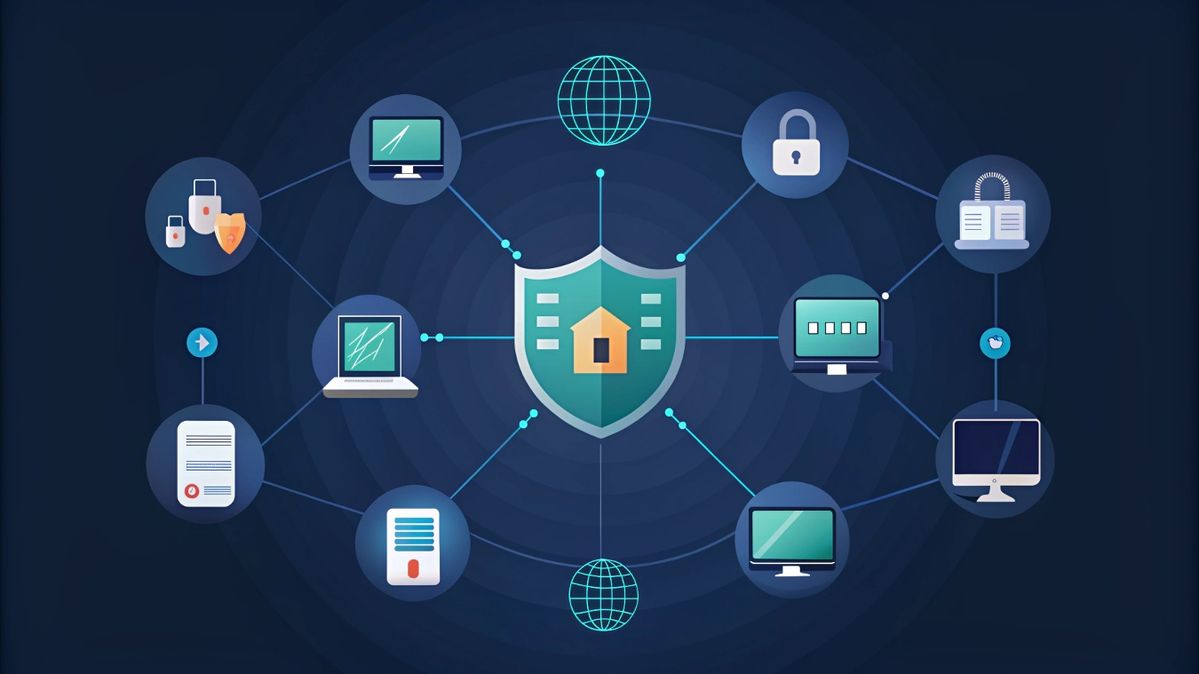
Network Defence Essentials Training at Lagos Data School

Introduction: Why Lagos Networks Need Skilled Defenders

Every office, bank, school, and clinic in Lagos now depends on a network. Emails travel across it, payments move through it, and customer records sit behind it. Unfortunately, attackers know this too. When a network is weak, the whole organisation is placed at risk.

Network Defence Essentials Training

Network Defence Essentials training teaches beginners how to protect that foundation. Lagos Data School delivers the programme in a practical and friendly way. In this article, the certification, the topics, and the career benefits are explained step by step. Study tips and answers to common questions are also included.

What Is Network Defence Essentials?

Network Defence Essentials is part of the EC-Council Essentials Series. The official title is Network Defense Essentials (NDE), and the series is aimed at beginners. School students, fresh graduates, career starters, and career switchers can all join. As a result, no previous security experience is needed.

The course covers the basic ideas of information security and network defence. Learners study identification, authentication, authorization, and network security controls. Furthermore, the programme is described as a foundation for the Certified Network Defender (CND) certification. Therefore, it works well as a first step on a longer learning path.

The NDE Exam at a Glance

Certification is earned by passing the 112-51 exam. Key facts are listed below:

  • Number of questions: 75
  • Format: multiple choice
  • Duration: 2 hours
  • Passing score: 70 percent
  • Validity: three years, with no continuing education fees during that term
  • Eligibility: no formal criteria

Official details can change, so they should be confirmed on the EC-Council NDE page before booking.

Why Choose Lagos Data School for Network Defence Training?

Lagos Data School is known for practical, job-focused technology education. Its Network Defence Essentials training is shaped around the needs of Nigerian learners and employers. Complicated ideas are explained in plain language, so beginners are never left behind. Prospective students can explore current programmes at Lagos Data School.

Clear and Patient Teaching

Networking can seem confusing at first. Lessons are therefore broken into small, logical steps. Diagrams and everyday comparisons are used to make abstract ideas concrete. Over time, learners begin to think like defenders.

Practical, Lab-Style Practice

Reading about firewalls is useful, but using them is better. Learners are guided through hands-on exercises that show how controls are configured and tested. Mistakes are treated as part of learning, so confidence grows safely. As a result, theory and practice are connected.

Focused Exam Preparation

Every topic is reviewed with practice questions. Weak areas are spotted early and revisited. Moreover, learners are shown how multiple-choice questions are structured, so time is managed wisely during the two-hour exam. Consequently, candidates sit the test calmly.

How the Learning Journey Is Structured

Good training moves through clear stages. Progress is therefore easy to see and measure. The typical flow is outlined below, although exact schedules should be confirmed with Lagos Data School.

Stage One: Building the Base

Core vocabulary and concepts are introduced first. Learners become comfortable with terms such as protocol, port, and packet. Questions are encouraged at every step.

Stage Two: Practising the Skills

Concepts are then turned into action. Controls are examined, configured, and tested through guided exercises. Mistakes are reviewed openly so that lessons are remembered.

Stage Three: Reviewing and Testing

Revision sessions pull everything together. Practice questions reveal which topics need extra attention. Meanwhile, instructors offer feedback and study advice.

Stage Four: Sitting the Exam

Finally, candidates are ready to book the 112-51 exam. Calm preparation makes the two-hour test far less stressful. After a pass, the credential can be added to a CV and professional profiles.

What You Will Learn in Network Defence Essentials

The curriculum is organised into 12 modules. Together, they build a complete picture of how networks are attacked and defended. The main areas are described below.

Network Security Fundamentals

Learners begin with the basics. Network types, common protocols, and core security principles are introduced first. Why attackers target certain weaknesses is also explained. With this base in place, later topics become much easier to follow.

Identification, Authentication, and Authorization

Access control decides who may enter a system and what can be done there. Identity is confirmed through passwords, tokens, and multi-factor methods. Permissions are then assigned according to the principle of least privilege. In this way, damage from stolen accounts is limited.

Firewalls, VPNs, and Wireless Security

Firewalls filter traffic according to rules that are set by administrators. VPNs protect data that travels across public networks. Wireless networks, which are easily reached by outsiders, must be secured with strong encryption and careful settings. Together, these controls form the outer wall of a network.

Cryptography Basics

Cryptography keeps data unreadable to unauthorised eyes. Encryption, hashing, and digital signatures are explained in simple terms. Learners also see how certificates support trust on the web. Consequently, secure connections are no longer a mystery.

Monitoring and Traffic Analysis

Defence does not end once controls are installed. Network traffic must be watched so that strange behaviour is noticed early. Logs are reviewed, alerts are investigated, and incidents are reported. Finally, lessons from each event are used to improve future protection.

Real-World Scenarios Where Defence Skills Matter

Skills are best understood through examples. Three simple situations are described below. They are imagined, but each one reflects problems that are common in real workplaces.

The Unsecured Office Router

A small firm installs a new router and never changes the default password. An outsider guesses the login and alters the settings. Trained staff would have changed the password, disabled unused features, and checked the settings regularly. Consequently, the attack would have been stopped before it began.

The Strange Night-Time Traffic

Monitoring tools show a large amount of data leaving an office network at midnight. Nobody is working at that hour. A trained defender recognising the pattern as a warning sign and raises an alert. Investigation then reveals malware that was sending files outside.

The Shared Guest Wi-Fi

Visitors are given the same Wi-Fi as staff computers. One guest’s infected phone then reaches shared files. Network segmentation would have kept visitors on a separate path. Learners are taught this simple idea early in the course.

Who Should Enrol in This Training?

This programme suits anyone who wants a technical start in cyber security. Both beginners and working staff can benefit. Typical learners include:

  • Students and fresh graduates
  • IT support staff and help desk officers
  • Junior network and systems administrators
  • Career switchers moving into technology
  • Business owners who manage their own networks

Because the course starts from the basics, no one is expected to know advanced concepts. Curiosity and willingness to practise are enough.

Why Network Defence Skills Are in Demand

Digital services keep expanding across Nigeria. Banks, fintech firms, and telecom operators all rely on secure networks to serve customers. As a result, demand for people who can protect those systems continues to rise. Employers prefer candidates who can show proven, structured knowledge rather than vague claims.

Moreover, remote work has stretched network boundaries. Staff now connect from homes, cafés, and shared offices. Every one of those connections must be protected. Trained defenders therefore help organisations keep control, even when employees are far from the office. In Lagos, where business never slows down, such skills are especially valuable.

Career Paths After Network Defence Training

A solid network defence foundation opens many doors. Entry-level roles that become more reachable include:

  • Network support technician
  • Junior security analyst
  • SOC (Security Operations Centre) trainee
  • IT support officer with security duties
  • Systems administrator

Furthermore, the certificate can be a stepping stone toward the Certified Network Defender (CND) certification. Many learners also add CompTIA Security+ later. Steady progress is therefore possible, one credential at a time. Employers in banking, telecoms, and consulting often value such proven skills.

Network Threats Facing Nigerian Organisations

Attackers rarely announce themselves. Most intrusions begin with small weaknesses that are left unfixed. The following threats are commonly faced:

  • Weak or reused passwords on routers and accounts
  • Open wireless networks with poor encryption
  • Missing security updates on servers and devices
  • Malware that spreads quietly between computers
  • Phishing messages that steal login details

Data protection rules add further pressure. The Nigeria Data Protection Act, which is overseen by the Nigeria Data Protection Commission, requires organisations to safeguard personal data. Strong network defence therefore supports compliance as well as security.

Why Small Businesses Cannot Ignore Network Defence

Many owners believe that attackers only chase big companies. That belief is dangerous. Small firms are often targeted because their defences are thin and their staff are busy. A single infected laptop can spread malware across an entire office.

Fortunately, simple steps make a large difference. Routers can be secured with strong passwords, updates can be installed on time, and guest Wi-Fi can be kept separate. Trained staff understand why each step matters. Consequently, protection becomes a habit instead of a rushed reaction.

Common Mistakes Beginners Should Avoid

Even keen learners can slip into poor habits. Awareness of these traps saves time and effort. The most common mistakes are:

  • Memorising answers instead of understanding concepts
  • Skipping practice because theory feels easier
  • Ignoring wireless and cryptography topics
  • Leaving revision until the final night
  • Hesitating to ask instructors for help

Fortunately, each mistake is easy to correct. A steady routine and an active attitude solve most problems. Questions are always welcomed, since every expert once started as a beginner.

Study Tips for the NDE Exam

Good preparation is steady rather than rushed. The following tips are recommended:

  • Attend every class and keep clear notes.
  • Draw network diagrams to understand how traffic flows.
  • Practise with sample questions until answers feel natural.
  • Review difficult modules again within a few days.
  • Rest well before the exam.

Additionally, the NIST Cybersecurity Framework is a valuable free resource. Its core functions mirror many real-world defence tasks. Reading it alongside your lessons helps ideas stick.

Frequently Asked Questions

Is previous experience required?

No formal eligibility criteria exist for the NDE exam. Basic computer and internet skills are enough to begin.

How long is the certification valid?

The credential is valid for three years from the date it is earned. After that, it can be renewed by passing the exam again.

How long does the training take?

Course lengths differ between providers, with some classes lasting two days and others several more. Current schedules should therefore be confirmed with Lagos Data School.

Is the training suitable for non-IT professionals?

Yes, the course is designed for beginners. Managers, administrators, and business owners can all follow the lessons and gain useful knowledge.

Can this course lead to a security job?

It provides a strong foundation, but experience and further learning also matter. Many learners combine the certificate with practice and later credentials.

Key Takeaways

  • Network Defence Essentials is a beginner-friendly EC-Council programme.
  • The 112-51 exam has 75 questions, lasts two hours, and needs a 70 percent score.
  • Lagos Data School teaches the material with clear, practical lessons.
  • Strong network skills support careers and protect organisations.

Conclusion: Start Defending Networks With Confidence

Networks are the nervous system of modern organisations. Defending them is a skill that Nigeria needs more of every year. Network Defence Essentials training provides a clear way to start. Lagos Data School makes that journey practical, supportive, and focused on real results.

Do not wait for a breach to expose the gaps. Visit Lagos Data School today and ask about the next class. A stronger career, and a safer network, begin with one decision.

Certified Secure Computer User Training at Lagos Data School

Introduction: Why Cyber Safety Training Is Urgent in Lagos

Lagos never sleeps, and neither do cyber criminals. Mobile payments, online banking, and remote work have made daily life faster. Unfortunately, the same convenience has opened new doors for scammers. A single careless click can therefore empty an account or expose private files.

Certified Secure Computer User Training at Lagos Data School

Certified Secure Computer User training offers a simple answer to this problem. Lagos Data School delivers the programme in a clear and practical way. In this article, the certification, the learning experience, and the career benefits are explained. Readers will also find study tips and answers to common questions.

Understanding the Certified Secure Computer User Certification

The Certified Secure Computer User (CSCU) credential is awarded by EC-Council. It is designed for people who use computers and the internet but are not security experts. As a result, no advanced technical background is needed. Only basic knowledge of computers and computing devices is expected.

The programme is built around 12 modules. Topics range from data security and malware to mobile, cloud, and remote work safety. Because every module is practical, the lessons can be applied immediately. Consequently, learners gain value from the very first day.

The Exam at a Glance

Certification is earned by passing the 112-12 exam. Key details are listed below:

  • Number of questions: 50
  • Format: multiple choice
  • Duration: 2 hours
  • Passing score: 70 percent
  • Typical training length: about two days

These figures should always be confirmed on the official EC-Council website before booking.

Why Choose Lagos Data School for CSCU Training?

Lagos Data School is known for practical, job-focused technology education. Its CSCU training is shaped around the needs of Nigerian learners and workplaces. Furthermore, complicated ideas are explained in simple language, so nobody is left behind. Prospective students can explore current programmes at Lagos Data School.

Beginner-Friendly Teaching

Many learners fear that cyber security is too technical. That fear is removed by patient instructors who break each topic into small steps. Everyday examples are used instead of heavy jargon. Over time, confidence grows naturally.

Practical Examples From Lagos Life

Training works best when it feels familiar. Examples are therefore taken from mobile banking, online shopping, and office email, which are part of daily life in Lagos. Learners practise spotting fake alerts and unsafe links in these realistic settings. As a result, new habits are formed quickly.

Structured Exam Preparation

Every module is followed by review activities and practice questions. Weak areas are identified early and revisited with the instructor. Moreover, learners are shown how exam questions are worded, so surprises are avoided on the day. Calm and focused candidates are the result.

What You Will Learn During the Training

The curriculum covers the main risks faced by ordinary users. Each area is taught with clear steps that can be repeated at home or at work. The key areas are described below.

Protecting Data and Devices

Learners begin with the basics of data security. Why information is valuable, and how it can be lost, is explained first. Operating systems are then hardened through updates, strong passwords, and safe settings. Antivirus tools are also installed and configured, so malware is blocked before damage is done.

Spotting Scams and Fake Messages

Phishing and social engineering are among the biggest dangers online. Criminals pretend to be banks, colleagues, or delivery firms. Warning signs, such as urgent language and odd sender addresses, are taught in detail. Email and social media privacy settings are reviewed too.

Safe Use of Mobile, Cloud, and Remote Work

Phones and cloud accounts now store almost everything. Strong passwords and multi-factor sign-in are therefore stressed. Public Wi-Fi risks are explained, and safe remote work habits are practised. Finally, backups and smart-device safety are covered so that data is never left unprotected.

Together, these skills form a layered shield. Each layer supports the others, so one mistake is less likely to become a disaster.

Who Will Benefit Most From the Training?

This programme suits almost anyone who uses a computer or the internet. Both individuals and organisations gain from it.

Individuals and Students

Students, graduates, and job seekers can use the certificate to stand out. Parents and freelancers also benefit, since families and clients are protected by their good habits. Personal fraud is far less likely when safe practices are followed.

Businesses and Teams

Staff mistakes are a common cause of security incidents. Trained teams therefore lower risk and save money. In addition, new employees settle into their roles faster when safe habits are already in place. Organisations interested in team options can ask Lagos Data School directly.

How the Training Improves Your Career

Employers value people who protect company data. A CSCU certificate shows that security awareness has been formally tested. Consequently, it adds weight to a CV and strengthens job interviews. Roles in administration, banking, customer service, and IT support all benefit.

Furthermore, the certificate can act as a first step toward advanced credentials such as CompTIA Security+. Many learners begin with awareness skills and later move into technical paths. Steady progress is therefore possible, one certification at a time.

Building a Safer Workplace Culture

Technology alone cannot stop every attack. Human habits decide whether defences hold or fail. When one person is trained, however, others are often influenced as well. Safe behaviour spreads through teams, much like any other habit.

Managers can support this change in simple ways. Short reminders are shared, suspicious emails are reported, and good examples are praised. Over time, security becomes part of normal work rather than an extra burden. Lagos Data School training provides the shared knowledge that makes this possible.

Real-World Threats the Training Prepares You For

Cyber attacks are rarely dramatic. Most begin with an ordinary message or a small mistake. The following threats are commonly met by Nigerian users:

  • Fake bank or payment alerts sent by SMS or email
  • Phishing links disguised as job offers or prizes
  • Ransomware that locks files until a payment is made
  • Stolen passwords that are reused across several accounts
  • Unsafe public Wi-Fi networks in cafés and airports

Laws such as the Nigeria Data Protection Act, which is overseen by the Nigeria Data Protection Commission, also place duties on organisations that handle personal data. Awareness training therefore supports legal compliance as well as personal safety.

Study Tips for the CSCU Exam

Good preparation is steady rather than rushed. The following tips are recommended:

  • Attend every session and take short notes.
  • Review each module on the same day.
  • Practise with sample questions until answers feel natural.
  • Apply lessons to your own phone, email, and accounts.
  • Rest well before the exam.

Additionally, free guidance from the CISA Secure Our World programme reinforces many course topics. Reading it alongside your lessons helps ideas stick. Consistency also matters more than long late-night sessions. Short daily reviews are easier to remember and less tiring.

Key Takeaways

  • The CSCU is a beginner-friendly credential issued by EC-Council.
  • The 112-12 exam has 50 questions, lasts two hours, and needs a 70 percent score.
  • Lagos Data School teaches the material with practical, Lagos-based examples.
  • Safe habits protect individuals, businesses, and personal data.

Frequently Asked Questions

Is an IT background required?

No technical background is needed. Basic knowledge of computers is enough to begin.

How long does the training take?

CSCU training is commonly delivered over about two days. However, schedules differ between providers, so current details should be checked with Lagos Data School.

What score is needed to pass?

A score of 70 percent is required on the 50-question exam. Preparation and practice make this target achievable.

Conclusion: Take the First Step Toward Safer Computing

Cyber threats are growing, but so are the tools to resist them. Certified Secure Computer User training gives ordinary people the knowledge to stay safe. Lagos Data School makes that knowledge practical, clear, and accessible. Your skills, your data, and your career can all be protected through one well-chosen course.

Do not wait for a scam to teach the lesson. Visit Lagos Data School today and ask about the next CSCU class. A safer digital life begins with a single decision.

Hi, How Can We Help You?
Welcome To
Lagos Data School

Artificial Intelligence (AI), Machine Learning and Robotics Programmes Are Now Available!!!

Enroll Now!

Thank You
100% secure website.