Top 10 Predictive Analytics Tools Every Nigerian Data Analyst Should Learn

Knowing which tools to learn is one of the biggest choices a Nigerian data analyst can make early in their career. The wrong choice wastes months of study time. The right choice opens doors quickly.

This guide gives you the top 10 predictive analytics tools that Lagos Data School recommends for Nigerian data analysts in 2026. Each one is explained clearly, with an honest look at who it suits best and what you can do with it.

Lagos Data School made this guide as part of our data analytics career help work. We train Nigerian analysts every day, and we know which tools actually get used in real Nigerian data roles.


How We Chose These Tools

These ten tools were selected based on three clear factors. First, how often they appear in Nigerian data job ads right now. Second, how much free learning material is available for them. Third, how transferable the skill is across different industries and roles.

This is not a list of the most advanced tools in the world. It is a list of the most useful tools for a Nigerian data analyst who wants to build real, job-ready skills as efficiently as possible.


Tool 1: Python

Python is the single most important tool any Nigerian data analyst can learn. It is free, widely used, and supported by a huge community of learners and experts across the world. In Nigeria, Python skills appear in the vast majority of data analyst job ads.

Story pin image

For predictive work, Python’s data tools let you build strong models with less code than most people expect. You can load data, clean it, build a model, and show your results all in one place.

Lagos Data School teaches Python as the core language in our data analytics course. If you only learn one tool from this list, make it Python.

Key Python Libraries for Predictive Analytics

  • pandas: for loading, cleaning, and exploring your data
  • scikit-learn: for building and testing predictive models
  • statsmodels: for statistical models including time series work
  • Prophet: for forecasting data with seasonal patterns
  • matplotlib and seaborn: for clear, professional data charts


Tool 2: scikit-learn

scikit-learn is a Python library built just for machine learning and predictive work. It gives you access to many model types through one simple, clear interface. Linear regression, decision trees, and random forests are all in there.

This may contain: the words skits learn are shown in black and orange letters on a white background

It is one of the most beginner-friendly machine learning libraries in existence. The documentation is clear, the code style is consistent, and the community support is huge. For Nigerian data analysts just starting with predictive work, scikit-learn is the natural first library to master after learning Python’s basics.


Tool 3: R

R is a free, open language built for statistical work and data charts. Python is now more popular in industry, but R stays strong in research, academic work, and financial analysis roles.

This may contain: the letter r is shown in blue and grey with a gray circle around it's center

For Nigerian analysts in banks, research bodies, or government work, R is often used alongside Python. Its forecasting tools are strong. It is a good pick for those who focus on financial and time-based data.


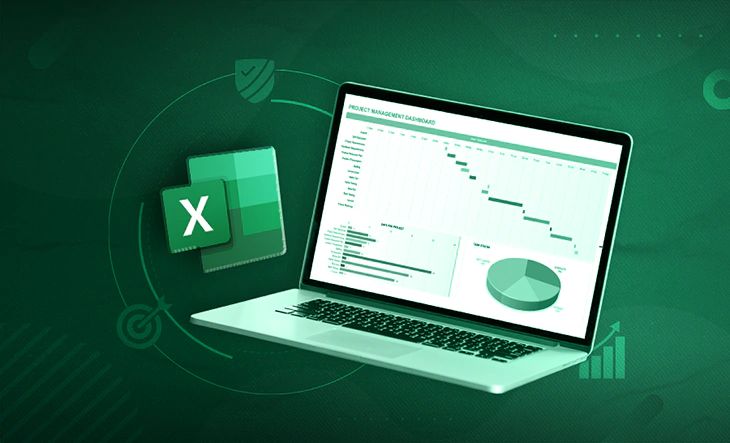
Tool 4: Microsoft Excel with Power Query

Excel is still one of the most used data tools in Nigerian businesses. Many firms, most of all small and mid-size ones, run their data almost fully in Excel.

Story pin image

Power Query, built into newer Excel versions, helps you clean and reshape large datasets far faster than basic formulas can. For Nigerian analysts whose clients run on Excel, strong Power Query skill is truly essential, not just nice to have.

Excel also includes trendline and moving average features that provide a basic but functional entry point into predictive work without needing to write a single line of code.


Tool 5: Power BI

Power BI is Microsoft’s business data tool. It lets you connect to data sources, build dashboards, and create reports that update on their own when the data changes.

Story pin image

For predictive analytics, Power BI includes a built-in forecasting feature that can project trends forward directly in a chart. It also supports integration with Python and R scripts, meaning analysts can run their own custom models and display the results within Power BI’s clean, professional interface.

Power BI is widely used across Nigerian banks, telecoms companies, and enterprise firms. Lagos Data School trains students in Power BI as a key tool for presenting data insights to non-technical business audiences.


Tool 6: Google Looker Studio

Looker Studio (formerly Google Data Studio) is a free, cloud-based analytics and reporting tool from Google. It connects directly to Google Sheets, BigQuery, and many other data sources, and it lets you build shareable, interactive reports and dashboards.

This may contain: the logo for looker is shown on a white background

For Nigerian analysts who work with Google-based data or who need a free, accessible way to present data to clients and stakeholders, Looker Studio is a strong option. Its forecasting capabilities are more basic than Power BI, but for simple trend projection and data storytelling it works very well.


Tool 7: Tableau

Tableau is one of the most well-known data visualisation tools in the world. It makes it possible to build highly interactive, visually polished dashboards from complex datasets without writing code.

This may contain: an image of four crosses on a white background with the colors red, orange, and blue

It includes a built-in forecast feature that projects trends forward in your charts on its own. While Tableau carries a higher cost than Power BI for most users, many large Nigerian enterprises and multinational firms with Nigerian offices use it for their analytics reporting.

A Tableau certification is also growing in value on a Nigerian data analyst’s CV. This is most true for roles at larger firms or consulting bodies.


Tool 8: Apache Spark with PySpark

For Nigerian analysts who work with very large datasets, Apache Spark is a powerful tool. It can handle far more data than a standard laptop or desktop machine can process on its own.

This may contain: the spark logo with an orange star on it, which is also in black and white

PySpark is the Python interface to Spark, making it accessible to analysts who already know Python. Nigerian telecoms firms, large banks, and e-commerce platforms dealing with millions of rows of data daily increasingly need analysts who can work at this scale.

This tool fits mid to senior Nigerian analysts who already know Python and machine learning well. They are ready for bigger data problems. It is not the right first tool for a beginner.


Tool 9: TensorFlow and Keras

TensorFlow and its high-level interface Keras are tools for building deep learning models. Deep learning is a type of machine learning that uses layered neural networks to find patterns in very complex data.

This may contain: two logos that are next to each other on a white background and one has the letter k

For large, complex datasets, most of all those with images, text, or sequence data, deep learning models can beat older methods by a wide margin. Nigerian firms in fintech fraud detection and text analysis often use TensorFlow in their live systems.

This tool needs a solid Python and machine learning base first. Lagos Data School puts TensorFlow in the advanced group. Learn the core tools first. Then come back to this one.


Tool 10: SQL

SQL is not a machine learning tool. But it is the language used to extract data from the databases that almost every Nigerian business uses to store its records. Without SQL, a data analyst cannot access the very data that predictive models need to work.

This may contain: the word squirt is displayed in front of an image of a computer mouse

Every Nigerian data analyst, regardless of specialisation, needs to be able to write confident SQL queries. It is the connective tissue between raw business data and any analytics work that gets done on top of it.

Lagos Data School teaches SQL as a base skill in our data analytics course, right next to Python. No analyst can do their job well without it.


The Full Tool Ranking at a Glance


Rank Tool Primary Use Cost
1 Python Modelling, analysis, forecasting Free
2 scikit-learn Predictive model building Free
3 R Statistical analysis, forecasting Free
4 Excel + Power Query Data cleaning, basic prediction Paid (most workplaces have it)
5 Power BI Dashboards, business forecasting Free and paid tiers
6 Google Looker Studio Free cloud reporting and trends Free
7 Tableau Advanced visual analytics Paid
8 Apache Spark / PySpark Large-scale data processing Free (open source)
9 TensorFlow / Keras Deep learning models Free
10 SQL Data extraction from databases Free


Which Tools Should You Learn First?

If you are a complete beginner, Lagos Data School recommends starting with just three tools before adding any others.

  • SQL first: so you can get data out of databases and understand what you are working with
  • Python second: so you can clean, analyse, and model that data in one powerful environment
  • Power BI or Looker Studio third: so you can present your results clearly to the people who need to act on them

These three tools together cover the full cycle of a Nigerian data analyst’s work: getting data, working with data, and showing what the data means. Everything else on this list can be added once this core is solid.

Six months. Three tools. That is a real, honest plan. And it is one that many Lagos Data School graduates have followed successfully into their first data roles.


How Nigerian Data Analysts Can Learn These Tools for Free

Most of the tools on this list have substantial free learning resources available online. Here is where Lagos Data School points students who want to supplement their structured training with extra practice.

  • Python and scikit-learn: Kaggle’s free Python and machine learning courses are excellent and entirely free
  • R: The R for Data Science book is free to read online at r4ds.had.co.nz
  • Power BI: Microsoft Learn offers a full, free Power BI learning path
  • SQL: Mode Analytics, SQLZoo, and W3Schools all offer free SQL tutorials and exercises
  • Tableau: Tableau Public is a free version of the tool that also hosts a large library of learning resources


What Nigerian Employers Actually Look for in a Data Analyst

Lagos Data School talks with Nigerian hiring teams every year. We ask them directly: what do you look for? Here is what they tell us in plain terms.

They want someone who can take messy data, clean it up, and produce a clear, simple chart that tells a story. That is the core job. All the tools on this list exist to help you do that one thing well.

They want someone who can work with SQL. Nearly every data job in Nigeria involves pulling records from a database. If you cannot write a basic query, you cannot do the job.

They want someone who learns fast and is not afraid to say what they do not yet know. A junior analyst who says ‘I am not sure, let me check’ is far more useful than one who guesses and gets it wrong.

The tool list matters less than you might think at the junior level. What matters most is attitude, basic skill, and the ability to produce clear, accurate work under a real deadline.


This is the most important thing Lagos Data School wants to say about this list. Ten tools sounds like a lot. It is a lot. Do not try to learn all of them at once.

Pick three. Learn them well. Use them on real data. Get to the point where you feel truly at ease with each one before you add the next.

The analysts who get the best jobs in Nigeria are not the ones who know ten tools at a shallow level. They are the ones who know three or four tools deeply and can show real, solid work to prove it.

You will get there. Just go one tool at a time. One skill at a time. One week at a time.


Recommended External Resource

For free, structured data science and analytics learning across all major tools, visit Kaggle’s free courses page: https://www.kaggle.com/learn.


A Tool Readiness Self-Check

Can you write a basic SQL SELECT query to pull data from a table, load a CSV file into Python using pandas and explore its contents, build a simple linear regression model in scikit-learn, or connect a data source to Power BI and build a basic dashboard?

If you said yes to all four, you have a strong working base. If you said no to any, that is your next clear learning goal. Lagos Data School’s data analytics course covers all four of these skills in a structured, guided way built specifically for Nigerian data professionals.


A Note From Lagos Data School

We built this guide because we see too many Nigerian data analysts waste time on the wrong tools in the wrong order.

They hear a buzzword online, sign up for a course, and spend three months learning a tool that no employer in their city actually uses. Then they wonder why the job offers are not coming.

The tools on this list are the real ones. The ones that show up in real Nigerian job ads, the ones that real Nigerian hiring managers ask about in interviews, and the ones that real Lagos Data School graduates use on their first day in a data role.

Learn these. Start with the top three. Build from there. And if you need help knowing where to start, or what to learn next, Lagos Data School is here.

We train Nigerian data professionals every day. We know what works in this market. And we are glad to help you find the clearest, fastest path from where you are now to where you want to be.

Start today. One tool. One hour. That is all it takes to begin.


About Lagos Data School

Lagos Data School is Nigeria’s top school for cybersecurity, data science, cloud, and analytics. Every idea in this guide is part of our hands-on course.

Our teachers are real security pros, not just classroom staff. So you learn from people who guard live networks every day.

We run classes on weekdays, weekends, and online. So no matter your time, we have a slot for you. Beyond skills, we also give you a real certificate and links to job partners.

Visit Lagos Data School today to view our courses and join the next class.

Build the right toolkit. Train with Lagos Data School.

ARIMA vs Prophet: Which Forecasting Model Should Nigerian Analysts Use?

If you have started learning time series forecasting in Nigeria, you have almost certainly come across two names: ARIMA and Prophet. Both are popular tools for making predictions from data that changes over time. But they work in very different ways, and knowing which one to pick can save you a great deal of time and frustration.

This guide gives you a clear, honest comparison of the two. By the end, you will know which one fits your data, your skill level, and your work setting in Nigeria.

Lagos Data School made this guide as part of our data analytics course. We teach both tools to Nigerian analysts, and we see firsthand where each one works well and where it falls short.


What Is ARIMA?

ARIMA stands for AutoRegressive Integrated Moving Average. This is a statistical method that has been used for time series forecasting for decades. It works by finding patterns in past values of your data and using those patterns to predict future values.

Introduction to ARIMA Model. ARIMA (Auto-Regressive Integrated… | by Ritu  Santra | Medium

The word integrated in ARIMA refers to a technique called differencing, which makes your data stationary before the model runs. Stationary means the data has a stable average and spread over time, which is a requirement for ARIMA to work well.

ARIMA is a tried and tested method. It works well on clean, stable data with no strong seasonal pattern. It is also highly interpretable, meaning a skilled analyst can explain exactly what the model is doing and why.


What Is Prophet?

Prophet is a free, open-source forecasting tool built by Meta, the company behind Facebook. It was released to the public in 2017 and quickly became popular among data analysts across the world because it is far easier to use than ARIMA.

Quick Guide to Time Series Forecasting by Python Prophet | by Gen. Devin  DL. | Medium

Prophet is built to handle time series data that has strong seasonal patterns, missing data, and sudden shifts in trend. These are all things that ARIMA struggles with. Prophet handles them automatically, often with very little manual tuning by the analyst.

You can use Prophet in both Python and R, and it works on a wide range of business data types. Lagos Data School introduced Prophet into our course curriculum because it is genuinely practical for the kinds of data Nigerian analysts work with every day.


ARIMA vs Prophet: A Direct Comparison


Factor ARIMA Prophet
Ease of use Harder, needs more setup Easier, works with less setup
Seasonal data Needs extra steps (SARIMA) Handles it automatically
Missing data Must be handled manually first Handles it on its own
Trend shifts Struggles with sudden changes Handles them well
Speed of setup Slower, more trial and error Faster to get a working model
Interpretability High, easy to explain Moderate, a bit like a black box
Best for Stable, clean, regular data Business data with many patterns


When to Use ARIMA

ARIMA is the better choice in a few clear situations. If you understand its requirements and your data meets them, it can produce very accurate, explainable forecasts.

Your Data Is Stationary or Can Be Made Stationary Easily

If your time series does not have a strong upward or downward trend over the long term, or if differencing it once produces a stable series, ARIMA works very well. Data like daily transaction counts at a stable, mature business often fits this description.

You Need to Explain Your Model to a Technical Audience

ARIMA model settings have clear, known meaning. If you work in a Nigerian bank or a research body where your model must pass close review, ARIMA’s clear logic is a real plus.

Your Data Has No Strong Seasonal Pattern

ARIMA handles seasonality poorly in its base form. If your data shows the same peak every December, for example, you either need to use a seasonal version called SARIMA or switch to a different tool. But if your data has no clear seasonal cycle, standard ARIMA works well.


When to Use Prophet

Prophet is the better choice in most real-world business data situations that Nigerian analysts face. Here is when Prophet truly shines.

Your Data Has Clear Seasonal Patterns

Nigerian business data almost always has seasonal patterns. Sales go up before Eid and Christmas. Traffic spikes every Monday morning. School-related purchases peak in September. Prophet is built to detect and model these patterns automatically, without you having to specify them manually.

Your Data Has Missing Values or Irregular Dates

In reality, Nigerian business data often has gaps. A shop that was closed for three days due to a flood, a server that went down and lost a week of records. Prophet handles these gaps gracefully. ARIMA needs you to fill them in first, which adds extra work and introduces its own assumptions.

You Are New to Forecasting and Want Quick Results

Prophet is built to give a good, working forecast with very little setup. You do not need to run tests or set many options by hand. For a Nigerian analyst who needs results fast, Prophet is the more practical pick.

Your Business Has Holiday Effects

Prophet has a built-in feature for modelling the impact of specific dates, such as public holidays, on your data. Nigerian public holidays like Eid, Christmas, and Independence Day all affect business data. Prophet lets you account for these directly and easily.


A Practical Example: Forecasting Monthly Sales for a Lagos SME

Imagine a Lagos-based electronics retailer who wants to forecast monthly sales for the next six months. Their data shows a clear seasonal peak in November and December, with a smaller bump around Easter. They also have a few months of missing data from when they migrated their records to a new system.

In this case, Prophet is clearly the better choice. The seasonal peaks, the missing data, and the holiday effects are all things Prophet handles well out of the box. Using ARIMA here would require significant extra work to account for these features, with no guarantee of a better result.

Now imagine a different scenario. A Nigerian bank wants to forecast next-day interbank lending rates using a very clean, daily dataset with no missing values and no seasonal pattern. Here, ARIMA is the more appropriate and more defensible choice, especially since the bank’s risk team will want to scrutinise the model closely.


How to Build a Basic Prophet Forecast in Python

Lagos Data School teaches the following workflow for building a Prophet forecast in Python. You do not need to be an expert to follow these steps.

  • Install Prophet with: pip install prophet
  • Import your data into a pandas DataFrame with two columns: ds (date) and y (the value to forecast)
  • Create a Prophet model object with: model = Prophet()
  • Fit the model to your data with: model.fit(df)
  • Create a future dates DataFrame with: future = model.make_future_dataframe(periods=90)
  • Generate predictions with: forecast = model.predict(future)
  • Plot the results with: model. plot(forecast)

This seven-step process can produce a working, visual forecast in under thirty minutes for most Nigerian analysts who already know basic Python. It is the fastest path from raw data to a usable prediction.


How to Build a Basic ARIMA Forecast in Python

For comparison, here is the basic ARIMA workflow using Python’s statsmodels library.

  • Install statsmodels with: pip install statsmodels
  • Check if your data is stationary using the Augmented Dickey-Fuller test
  • If not stationary, apply differencing until it becomes so
  • Use an ACF and PACF plot to identify the right model parameters
  • Fit the model with: model = ARIMA(data, order=(p,d,q)).fit()
  • Generate predictions with: model.forecast(steps=30)

As you can see, ARIMA requires more steps and more statistical knowledge before you even begin. This is not a reason to avoid it. But it does mean it is better suited to analysts who already have a solid grounding in time series statistics.


Can You Use Both Together?

Yes, and many experienced Nigerian data analysts do exactly this. A common approach is to use Prophet to build a quick, initial forecast and get a rough sense of the data’s behaviour. Then, if accuracy needs to be refined for a high-stakes decision, they also run an ARIMA or SARIMA model and compare the two outputs.

When two different models produce similar forecasts, that gives you much more confidence in the prediction. When they diverge significantly, it is a signal to investigate your data more carefully before relying on either one alone.


What Lagos Data School Recommends

If you are a Nigerian data analyst who is new to forecasting, start with Prophet. Get comfortable with the workflow. Build a few real forecasts from actual business data. Learn to interpret the output and explain it to a non-technical audience.

Once you are confident with Prophet, invest time in learning ARIMA. Understanding ARIMA deepens your grasp of time series statistics in a way that makes you a much more complete and credible analyst overall.

The analysts who truly stand out in the Nigerian data job market are those who can use both tools and explain clearly why they chose one over the other for a specific problem. That combination of practical skill and statistical understanding is exactly what Lagos Data School builds into our data analytics course.


Honest Truths About Learning These Tools in Nigeria

Lagos Data School wants to be straight with you about what learning ARIMA and Prophet actually looks like for a Nigerian data analyst. Not the ideal version. The real version.

Prophet is easier to pick up. You can build your first working forecast with Prophet in a single evening if you already know basic Python. The code is short. The output is visual. You will feel a real sense of progress quickly.

ARIMA takes longer. You will hit confusing moments around stationarity tests and choosing the right model settings. Most beginners try two or three different settings before they find one that works well. This is normal. This is how learning actually happens.

Do not let this put you off ARIMA. The analysts who push through the difficult parts come out with a much deeper understanding of how time series data behaves. This deeper understanding makes them better at forecasting overall, even when they later use Prophet.

The path is: Prophet first, fast results, build confidence. Then ARIMA, slower, harder, but deeper. Lagos Data School walks Nigerian analysts through both in sequence, with real Nigerian business datasets at every stage so the learning always feels relevant.


A Simple Way to Think About These Two Tools

If you ever feel lost in the technical side of this debate, here is a very simple way to think about ARIMA and Prophet.

Think of ARIMA as a careful, old tool. It has been around for a long time. It has a lot of rules. You have to follow those rules closely, or it will not work well. But when it does work, it works very well. And you can explain exactly what it did and why.

Think of Prophet as a smart, easy tool. It is newer, has fewer rules, handles a lot of the tricky parts on its own, and it is faster to set up and easier to get going with. But you have a bit less control over what it is doing inside.

Both are useful. Both have a place. The skill is knowing which one to reach for when you sit down with a new dataset and a question to answer.

And that skill comes from practice, not from reading about it. Use real data. Try both tools. See the difference for yourself. That is the Lagos Data School way.

One dataset. Two models. One honest comparison. That is how you truly learn which one works best for your own kind of data.

Trust the process. It works.

Good tools plus good habits plus good data equals good forecasts. Lagos Data School helps you build all three.

Start with the one that feels right for your data today. Use the other one later. And if you are not sure which one is right, try both and compare the results. That comparison itself teaches you something valuable every time you do it.


Recommended External Resource

For the official Prophet documentation and tutorials, visit the Prophet project page: https://facebook.github.io/prophet/


A Quick Decision Guide

Use this short guide to pick the right tool for your next forecasting project.

  • Does your data have strong seasonal patterns? Use Prophet.
  • Does your data have missing values or gaps? Use Prophet.
  • Do you need to model specific holiday effects? Use Prophet.
  • Is your data clean, stable, and stationary? ARIMA is a strong choice.
  • Do you need to explain your model to a technical risk or finance team? ARIMA is more defensible.
  • Are you new to forecasting and need results quickly? Start with Prophet.

When in doubt, try both and compare. Lagos Data School trains Nigerian analysts to make this comparison a standard part of their forecasting workflow, not an afterthought.

And remember: the best model is not the one with the most complex name. It is the one that gives you an answer you can trust, explain, and act on. Keep that idea at the centre of every forecasting decision you make.


About Lagos Data School

Lagos Data School is Nigeria’s top school for cybersecurity, data science, cloud, and analytics. Every idea in this guide is part of our hands-on course.

Our teachers are real security pros, not just classroom staff. So you learn from people who guard live networks every day.

We run classes on weekdays, weekends, and online. So no matter your time, we have a slot for you. Beyond skills, we also give you a real certificate and links to job partners.

Visit Lagos Data School today to view our courses and join the next class.

Model it right. Train with Lagos Data School.

Predictive Analytics for Sales Forecasting: A Guide for Lagos SMEs

Most Lagos small and medium businesses, commonly called SMEs, run on gut feel. The owner knows the business well, has seen its ups and downs, and makes decisions based on experience. For a long time, this worked well enough.

But the Lagos business environment has shifted. Competition is sharper. Costs are higher. Customers have more choices than ever. In this kind of market, gut feel alone is no longer enough to stay ahead.

Sales forecasting with predictive analytics gives Lagos SMEs a data-backed edge. It helps you plan stock, manage cash flow, schedule staff, and set realistic targets, all based on your own real sales history rather than a best guess.

Lagos Data School made this guide specifically for SME owners, managers, and in-house data staff who want to use their sales data more wisely. No heavy maths required. Just clear, practical steps.


Why Sales Forecasting Matters More Than Most SMEs Realise

A sales forecast is a prediction of how much revenue your business will bring in over a coming period. It might cover the next week, the next month, or the next quarter.

This may contain: two people standing next to each other with the words sales and forecasting on them

Most Lagos SME owners have some version of this in their heads already. They know roughly what a busy week looks like versus a slow one. But the difference between a mental estimate and a data-backed forecast is significant.

A data-backed forecast is more accurate, more consistent, and more useful as a planning tool. It helps you have the right stock at the right time, helps you know whether you need to hire extra staff for a busy period and tells you when to push a promotion and when to hold back.

Done well, sales forecasting turns your historical data into a planning tool that pays for itself many times over in avoided waste, better decisions, and stronger cash flow.


What You Need Before You Start

Good forecasting starts with good data. Before you build any model, you need to have your sales data in order. Here is what Lagos Data School recommends having in place first.

At Least Six Months of Daily or Weekly Sales Records

The more historical data you have, the more reliable your forecast will be. Six months is a workable minimum. Twelve months or more is ideal, because it allows the model to detect seasonal patterns across a full year.

Sales Data in a Digital Format

Paper records, WhatsApp screenshots, and verbal recollections cannot be fed into a forecasting model. Your sales data needs to be in a digital format, even if that is just a simple Excel spreadsheet with a date column and a sales column.

Clean, Consistent Records

Check your data for obvious errors, missing dates, and duplicate entries. Fix what you can. Note the gaps you cannot fix so your model can account for them. Data quality is the single biggest factor in forecast quality. No shortcut around this exists.


Simple Forecasting Methods Any Lagos SME Can Use

You do not need complex software to start forecasting your sales. Here are four methods, from simplest to most advanced, that any Lagos SME can adopt based on their current skill level.

Method 1: The Moving Average

Take the average of your last four weeks of sales. Use that as your forecast for next week. Simple. Quick. And surprisingly effective for businesses with relatively stable, consistent sales patterns.

Example: Your last four weekly sales totals were ₦180,000, ₦210,000, ₦195,000, and ₦205,000. Your moving average forecast for next week is ₦197,500. That is your planning number.

Method 2: Trend-Adjusted Forecast

If your sales are growing month on month, a simple average will underestimate next month’s sales. A trend-adjusted forecast accounts for this growth by fitting a trend line to your past data and projecting it forward.

In Excel, you can do this with a simple LINEST formula or by adding a trendline to a chart and extending it. No coding required.

Method 3: Seasonal Adjustment

Many Lagos SMEs see the same patterns repeat every year. Sales jump in December. They dip in February. They peak again around Easter. A seasonally adjusted forecast accounts for these known cycles.

You calculate this by finding the seasonal index for each period, which tells you how much above or below average that period typically is, and then multiplying your baseline trend forecast by this index. This is more work than a moving average, but it produces a far more accurate result for businesses with strong seasonal patterns.

Method 4: Python With Prophet

For Lagos SMEs that have a data-capable staff member or work with a data analyst, Python and the Prophet library can produce a reliable, automated sales forecast in under an hour once the data is clean. Prophet handles trend, seasonality, and even Nigerian public holidays automatically. Lagos Data School trains analysts to build exactly this kind of model.


Applying Sales Forecasting to Real Lagos SME Decisions

A forecast is only useful if it changes how you act. Here are the most common decisions Lagos SMEs should be making differently once they have a reliable sales forecast.

Stock Ordering

If your forecast says next month will be 30% busier than average, you should be placing a larger stock order this week, before the busy period hits and suppliers get stretched. Most SMEs wait until they run low and then rush. A forecast lets you get ahead of this cycle.

Cash Flow Planning

Knowing your expected sales for the next 30 to 90 days lets you plan your cash position with far more confidence. You know when to hold cash and when it is safe to spend. This is especially important for Lagos SMEs that operate on tight margins and limited credit.

Staffing and Capacity

If your forecast predicts a slow month, you can reduce casual staff hours and save on labour costs. If it predicts a peak, you can arrange cover before you need it rather than scrambling at the last minute. Either way, the forecast turns a reactive business into a proactive one.

Promotion Timing

A sales forecast helps you identify slow periods before they arrive. You can plan a targeted promotion to lift sales during these dips rather than running promotions randomly. This makes your marketing spend go much further.


A Step-by-Step Guide for a Lagos SME Starting Out

Step 1: Export Your Sales Data

Pull your last twelve months of sales out of whatever system holds it. Point of sale software, Excel, accounting software, even a handwritten ledger that you type up. Get it into a single spreadsheet with two columns: date and total sales for that day or week.

Step 2: Plot Your Data as a Line Chart

Before you build any model, look at your data visually. A simple line chart in Excel will immediately show you trends, seasonal patterns, and any sudden drops or spikes you should investigate. This takes five minutes and tells you more than any formula can before you start.

Step 3: Choose Your Method

Based on what you see in the chart, pick the right method. Stable data with no trend? Use a moving average. Clear upward trend? Use a trend-adjusted forecast. Strong seasonal cycle? Account for seasonality. If you have a data analyst available, bring them in to build a Prophet model.

Step 4: Build Your First Forecast

Build the forecast for the next four to eight weeks. Write it down somewhere visible, not just in a hidden spreadsheet tab. This forecast is your planning tool. It needs to be easy to reference throughout the period it covers.

Step 5: Compare Forecast to Actual at the End of the Period

When the period ends, compare your forecast to what actually happened. How far off were you? Was your forecast consistently too high or too low? Understanding your forecast errors helps you improve the next one. This comparison step is the most important habit you can build in a data-driven SME.


Common Mistakes Lagos SMEs Make With Sales Forecasting

Lagos Data School sees these errors come up often with SMEs new to forecasting work.

Building a Forecast and Then Ignoring It

Some SME owners build a forecast once, feel good about having done it, and then continue making decisions the same old way. A forecast is only valuable if it actively changes your planning decisions. If it is not changing how you order, hire, or promote, it is not being used properly.

Only Forecasting Revenue and Not Volume

A revenue forecast tells you how much money you expect to bring in. A volume forecast tells you how many units of each product you expect to sell. For SMEs that manage physical stock, the volume forecast is often more actionable. You need to know how many bags of rice you need to order, not just your total expected revenue.

Using One Forecast for Everything

A single monthly sales total forecast is useful but limited. A Lagos SME that sells across several product categories or to several distinct customer groups will get far more value from separate forecasts for each category or group. More granular forecasts lead to more precise decisions.


The Role of a Data Analyst in an SME

Most Lagos SMEs cannot yet afford to hire a full-time, senior data scientist. But a well-trained junior data analyst, working part-time or full-time, can build and maintain a useful sales forecasting system at a cost that almost any growing SME can manage.

This is one of the most practical investments a Lagos SME can make right now. A data analyst who can clean your sales data, build a reliable forecast, and translate it into clear planning recommendations pays for their salary many times over through better stock decisions and avoided waste alone.

Lagos Data School trains exactly this kind of practical, job-ready data analyst. Our graduates understand Nigerian business data, know the right tools, and can start contributing to a real SME forecasting project from day one of their role.


Recommended External Resource

For a free, practical guide to sales forecasting for small businesses, visit HubSpot’s sales forecasting guide: https://blog.hubspot.com/sales/sales-forecasting


A Sales Forecasting Readiness Check

Run through this short check to see where your Lagos SME stands right now.

  • Do you have at least six months of daily or weekly sales records in a digital format?
  • Can you name your top five best-selling products or categories right now?
  • Do you know which month of the year is typically your highest-selling month?
  • Do you have someone on your team who can work with data, even at a basic Excel level?

If you said yes to most of these, you are ready to build your first data-backed sales forecast. If you said no to more than two, start with the data clean-up step and work from there. Lagos Data School can help you at any stage of this journey.


About Lagos Data School

Lagos Data School is Nigeria’s top school for cyber security, data science, cloud, and analytics. Every idea in this guide is part of our hands-on course.

Our teachers are real security pros, not just classroom staff. So you learn from people who guard live networks every day.

We run classes on weekdays, weekends, and online. So no matter your time, we have a slot for you. Beyond skills, we also give you a real certificate and links to job partners.

Visit Lagos Data School today to view our courses and join the next class.

Forecast, plan, and grow. Train with Lagos Data School.

CompTIA CySA+ vs Security+: Which Should You Study for First?

If you want a cyber safety career in Nigeria, you may have seen two names come up: Security+ and CySA+. Both come from the same test body. Both test safety skill. But they aim at very different levels.

Picking the wrong one first can waste months of true study time. This guide gives you the clear, honest facts you need to choose well from the very start.

Lagos Data School made this guide as part of our cyber career help work. We walk many Nigerian IT pros through this exact choice each year. So let’s break it down step by step.


What Is CompTIA Security+?

Security+ is a wide, base-level test that covers the core ideas of cyber safety. It is built for staff who are new to the field, or who hold general IT skills but no formal security background.

Story pin image

The test covers a wide range of topics, not in great depth, but wide enough to provide a real, true base. These topics span threats, network safety, tools, risk, and firm safety rules.

It is the most well-known entry-level safety test in the world. Many Nigerian firms list it as a base ask for their first-hire safety roles. So it holds real, true worth in the local job field.


What Is CompTIA CySA+?

CySA+ stands for Cybersecurity Analyst Plus. It is a mid-level test aimed at staff who already hold a base grasp of cyber safety and want to go deeper into the analyst side of the work.

This may contain: the logo for comptia cysa + certified ce, which has been awarded

The test zooms in on how to find, track, and respond to live threats in a network or system. It tests skills like log reading, threat hunting, and how to respond to a real attack event.

This is not a beginner test. It asks for real, hands-on thinking in true, live-case questions. It also assumes you already know many of the base ideas that Security+ covers.


CySA+ vs Security+: Core Differences


Point Security+ CySA+
Level Entry level Mid level
Best for Those new to cyber safety Those who want analyst work
Prior ask None set, but basic IT helps Security+ or similar work asked
Focus Wide, base safety ideas Deep, analyst and threat work
Job roles Safety analyst, support, admin Threat analyst, SOC staff, IR staff
Exam style Mixed questions plus some tasks Mostly live-case, task-heavy


Who Should Start With Security+?

Security+ is the right first step for most people new to the cyber safety field. If any of the points below fit you, start here first.

  • You are fresh from school or a non-tech role and just now entering IT
  • You have general IT skills but no named safety work yet
  • Your target firms list Security+ as a base ask in their job posts
  • You want to learn the full core words of cyber safety before going deeper
  • You want a wide, known test that opens many door types at once

Lagos Data School sees Security+ most often as the right first step for Nigerian students who build their first real base in cyber safety, since it gives you the words and the frame that all later study leans on.


Who Should Start With CySA+?

CySA+ may be the right first pick for a smaller group of Nigerian IT pros who meet a few clear points first.

  • You already hold Security+ or a like-level test
  • You have two or more years of real, hands-on IT or safety work behind you
  • Can show real, prior work with threat watch tools or log reading
  • You want to move straight into a threat analyst or SOC role

If you do not meet these points, Lagos Data School strongly asks you to go through Security+ first. Trying CySA+ without this base often leads to a hard, slow study path and a much lower chance of a first-try pass.


The Right Order: A Clear Path

The safest, most proven path for most Nigerian IT pros is a clear, two-step plan.

Step 1: Earn Security+

Study and pass Security+ first. This gives you the full words and frame of cyber safety. Most staff take two to three months of steady study, based on their IT background.

Step 2: Gain Real Work or Lab Time

Before you move to CySA+, spend at least six to twelve months gaining real, hands-on work with safety tools, logs, and threat events. This step is what truly splits a clear pass from a failed first try on the CySA+ test.

Step 3: Earn CySA+

With a solid base and real hands-on time behind you, CySA+ becomes a clear, natural next step. Most staff who follow this path say the study feels far clearer and less scary than those who rush straight in.


What Does CySA+ Cover That Security+ Does Not?

This is a question Lagos Data School hears often. The two tests share some topic ground, but CySA+ goes much deeper in a few key areas that Security+ only touches lightly.

Threat Data Analysis

Security+ talks about threat data at a high level. CySA+ goes far deeper. It tests how you actually use threat data to drive real choices in a live safety setup. This spans reading threat feeds and mapping how attackers tend to move.

Finding and Fixing Weak Spots

CySA+ tests your grasp of the full scan-check-fix cycle in detail. It asks how you deal with scan results, how you rank which flaws to fix first, and how you check if fixes truly worked. Security+ only covers this at a high, quick view level.

Incident Response

Both tests touch on how to respond to attacks, but CySA+ tests it in far more depth. It gives real, live cases and asks you to make hands-on choices under strain, much like a true analyst would face on a real job day.

Safety Operations Tools

CySA+ tests hands-on use of tools that most SOC analysts use each day. Security+ talks about these tools at a broad level, while CySA+ asks you to work with them in real, live ways.


Nigerian Job Market: Which Opens More Doors Right Now?

Lagos Data School talks with Nigerian hiring firms often to see how these tests truly play out in real job searches here at home.

Right now, Security+ shows up more often as a listed need in Nigerian job posts, most of all for entry and junior safety roles at banks, fintechs, and tech firms. This shows its wider name weight among local hiring teams who may not yet know CySA+ as well.

CySA+ tends to show up more in roles that name threat analysis, SOC analyst, or attack response work, most of all in larger firms with a set safety team. These roles also tend to carry higher pay than a pure entry-level Security+ post.


Study Tips for Each Test

Studying for Security+

  • Use the official study guide next to a video course for a richer view
  • Take mock tests often, from the very start of your study path
  • Build a small home lab to practice hands-on ideas, even with free tools
  • Focus most on lock methods and network safety, which many test takers find hardest
  • Study a bit each day over a longer period rather than rush at the end

Studying for CySA+

  • Set up a threat watch tool in a lab space and practice reading real logs
  • Learn the MITRE ATT&CK frame, which this test references often
  • Focus most on live-case practice questions, since the test leans heavily on these
  • Read past real-world flaw reports to build your analysis thinking over time
  • Pair your study with real lab work on a hacking site like TryHackMe


Time and Cost Comparison

Both tests sit in a similar exam fee range, though exact costs shift over time. Always check CompTIA’s own site for the freshest price before you set your budget.

In terms of time, Security+ most often takes two to three months for a set Nigerian student with a general IT background. CySA+ most often takes three to four months for someone who already holds Security+ and real work time, and longer for those who try it without this base.

Lagos Data School builds both tests into our set course paths, giving students a clear, guided time plan and cutting the total cost of piecing separate study tools together on your own.


What Comes After CySA+?

For Nigerian IT pros who have earned both tests and gained real work time, a few strong next steps exist within the CompTIA path and beyond.

  • CompTIA CASP+ for those aiming at top-level safety build roles
  • CISSP for those who want senior lead and plan-level posts
  • Cloud safety tests tied to AWS, Azure, or Google Cloud for those moving into cloud analyst roles
  • OSCP for those drawn to the attack side of safety work

Lagos Data School helps students map out these longer paths from the very start of their test journey, so each step feels set and clear rather than a reactive guess.


Common Mistakes When Choosing Between CySA+ and Security+

Lagos Data School sees a steady set of slips among Nigerian students making this choice. Naming them clearly helps you dodge the same traps.

Choosing Based on Which Sounds More Impressive

CySA+ sounds more advanced, and many students pick it first for just that reason. This almost always backfires, since the test content asks for a solid base that Security+ builds, one you can not safely skip.

Assuming You Already Know Enough to Skip Security+

Some students with IT pasts assume their work covers Security+ content and try to jump straight to CySA+. Even strong IT staff often find Security+ covers specific safety ideas that general IT work rarely touches in the same clear, set way.

Rushing Through Security+ With No Real Grasp

Some test takers pass Security+ by storing up mock test answers with no true grasp behind them. This creates a weak base that makes CySA+ study far harder and slower than it needs to be.


Real Advice From Lagos Data School Graduates

One Lagos Data School grad, who now works as a SOC analyst at a Lagos bank, took both tests in the right order. She said Security+ gave her the words she needed to even grasp what CySA+ was asking of her.

Another grad tried CySA+ first before he found this guide. He kept going back to Security+ content just to grasp what CySA+ was saying. He sat Security+ first in the end, and found CySA+ far clearer and easier to handle on his next try.

Lagos Data School shares these true stories since the right order matters far more than most test takers first think. Real, lived results from working Nigerian pros often teach this lesson more clearly than any study guide can alone.


Recommended External Resource

For official, current details on both tests, visit CompTIA’s own page: https://www.comptia.org/certifications


CySA+ and SOC Work in Nigerian Banks

One of the clearest job paths for CySA+ in Nigeria right now is within bank SOC teams. Nigerian banks have grown their safety teams a great deal in recent years, and they are actively hiring staff who can watch for threats and respond to live events.

CySA+ maps very well to this kind of role. Its focus on log reading, threat watch tools, and live event response aligns closely with the day-to-day work of a SOC analyst in a Nigerian bank.

Lagos Data School has seen a clear rise in Nigerian bank hiring ads that name CySA+ or ask for CySA+-level skill. This trend looks set to grow, not shrink, as more Nigerian banks build out their safety teams in the years ahead.


Building a Study Schedule That Fits a Nigerian Work Life

One of the biggest real challenges for Nigerian IT pros pursuing these tests is time. Most are working full-time jobs, often with long commute times and family duties on top of that.

Lagos Data School advises a simple, steady plan. Study for one hour each morning before work, or each night after the household is quiet. Five to seven hours a week, held steady over two to three months, beats a rushed, last-minute push every time.

For Security+, this pace most often leads to a ready-to-test state within ten to twelve weeks. For CySA+, add another four to six weeks of the same steady pace, plus real, hands-on lab time alongside your reading.


A Quick Decision Self-Check

Run through this short check to help confirm which test is truly right for you right now.

  • Do you currently hold Security+ or a like-level base test?
  • Do you have at least one to two years of real IT or safety work behind you?
  • Are you at ease with reading logs, using threat watch tools, or looking at attack data?
  • Do you want a role in threat analysis or SOC work right now, not in two more years?

If you said yes to all four, CySA+ may truly be your right next step. If you said no to any of them, Security+ first is almost always the wiser, faster, and more cost-smart path to where you want to go.

And if you are still unsure after this check, talk to someone who has gone through both. Lagos Data School grads are often willing to share their honest, real experience with newer students facing this same choice.


Helping Your Firm Understand Which Certification You Need

Some Nigerian IT staff tell Lagos Data School that their firm is willing to pay for a certification, but needs to understand which one makes sense before signing off on the cost. This is a fair, smart question for any firm to ask.

The simple answer is this: if your team has no in-house safety skill at all, fund Security+ first. It gives the widest, most useful base for the lowest cost and study time.

If your team already has one or two Security+ holders and wants to build deeper analyst skill, funding a team member for CySA+ is the logical, cost-smart next step. The depth CySA+ adds builds on the base those Security+ holders already have, rather than repeat the same content.

Lagos Data School provides a short, clear team skills assessment for firms unsure where to start, helping Nigerian employers make this decision with clear facts rather than guesswork.


About Lagos Data School

Lagos Data School is Nigeria’s top school for cybersecurity, data science, cloud, and analytics. Every idea in this guide is part of our hands-on course.

Our teachers are real security pros, not just classroom staff. So you learn from people who guard live networks every day.

We run classes on weekdays, weekends, and online. So no matter your time, we have a slot for you. Beyond skills, we also give you a real certificate and links to job partners.

Visit Lagos Data School today to view our courses and join the next class.

Study smart. Train with Lagos Data School.

Google Cybersecurity Certificate: Your Complete 2026 Guide

Google launched its own Cybersecurity Certificate in 2023, and it spread fast across the world. Many Nigerians have taken it. But does it truly help you get hired here at home?

This guide gives you an honest, clear look. We cover what the course is, what it truly teaches, how firms in Nigeria view it, and how it fits into a real career path for Nigerian job seekers.

Lagos Data School made this guide as part of our career help work. We see many Nigerian students ask this exact question each year. So let us break it down with plain, clear facts.


What Is the Google Cybersecurity Certificate?

The Google Cybersecurity Certificate is a short, online course run through a learning site called Coursera. It is part of Google’s wider Career Certificates line, which also covers data, IT support, and project management work.

The course takes around six months to finish if you give it a few hours each week. It is built for true beginners with no prior tech experience. Google says the goal is to help people get an entry-level cyber job without a four-year degree.

You will learn basic ideas in cyber safety, how to use a few key tools, how to write simple code in Python, and how to use Linux on the command line. The course also covers how to respond to basic safety events.


What Does the Course Cover?

The Google Cybersecurity Certificate is made up of eight parts. Each one builds on the last.

  • Foundations of Cybersecurity
  • Play It Safe: Manage Security Risks
  • Connect and Protect: Networks and Network Security
  • Tools of the Trade: Linux and SQL
  • Assets, Threats, and Vulnerabilities
  • Sound the Alarm: Detection and Response
  • Automate Cybersecurity Tasks with Python
  • Put It to Work: Prepare for Cybersecurity Jobs

The last part is mostly focused on job prep. It helps you build a resume, think through interview questions, and find where to look for open roles.


How Nigerian Employers View This Certificate

This is the key question. And the honest answer is: it depends on the firm.

Large, well-known firms in Nigeria — such as top-tier banks, telecoms, and global consulting firms with local offices — tend to look for named, widely tested certifications like CompTIA Security+ or CISSP for their safety roles. A Google certificate alone may not meet their bar at the first screen stage.

Smaller firms, startups, and fast-growing Nigerian fintechs are often more open. They look at what you can actually do, not just which body issued your credential. In these firms, a Google certificate paired with a working home lab and real, shown skill can genuinely open a door.

Lagos Data School advises Nigerian students to treat this certificate as a helpful start, not a final destination. It works best as the first rung of a longer ladder, not as a standalone job ticket.


What the Google Certificate Does Well

Despite its limits, this course does several things very well, and Lagos Data School thinks these are worth knowing clearly.

It Is Beginner-Friendly

The course assumes you know nothing. It explains every idea from scratch with no jargon. This makes it one of the most accessible entry points into cyber safety for Nigerians who are new to the field.

It Is Low Cost

Through Coursera, the course costs a monthly fee to access. Many Nigerians complete it within two to three months, keeping the total cost low. Google also offers financial aid for those who qualify.

It Is Structured and Self-Paced

The course has a clear, set path. You do not need to hunt for what to study next. You just follow the eight parts in order. This suits busy Nigerian adults who are studying alongside a job or other duties.

It Builds Real Tool Familiarity

By the end, you will have real, hands-on time with Linux, Python, SQL, and some safety tools. This is more than many beginner resources provide, and it gives you real things to talk about in a job interview.


What the Google Certificate Does Not Do

To be fair, Lagos Data School also wants to be honest about where this course falls short for the Nigerian job market.

It Is Not Widely Known Among Nigerian Hiring Teams

Many hiring managers in Nigerian banks, telecoms, and large firms have not yet heard of this certificate. So even if you list it proudly on your CV, it may not carry the name weight that a CompTIA or CISCO credential would carry in the same screening process.

It Does Not Prepare You for a Recognised Exam

The Google certificate is not a globally tested, proctored certification. It has no pass-or-fail exam sat before an official body. So while it shows you completed a course, it does not prove your skill the way a CompTIA Security+ exam does.

It Does Not Go Deep Enough for Most Roles

Most entry-level cyber jobs at Nigerian firms ask for hands-on skills that go beyond what a six-month online course can fully develop. The course gives a wide but shallow view. Real depth comes from adding more learning on top of it.


Who Should Take the Google Cybersecurity Certificate in Nigeria?

This course is a strong fit for some Nigerian learners and a weak fit for others. Here is a clear guide.

It Is a Good Fit If You Are:

  • Completely new to IT and cyber safety with no prior background
  • Looking for a cheap, structured way to find out if this field truly interests you
  • Studying it as a first step before moving on to CompTIA Security+ or a stronger test
  • In a role where you want to understand cyber safety basics for your own job, not necessarily move into a full security role

It Is a Weak Fit If You Are:

  • Already holding IT experience and looking for a credential firms will recognise on a CV
  • Targeting a role at a major Nigerian bank or enterprise firm
  • Hoping this one certificate alone will get you hired without anything else to back it up
  • Looking for great, hands-on skills that come from lab practice and real testing


How to Use the Google Certificate as a Career Launchpad

If you do take the Google Cybersecurity Certificate, here is the plan Lagos Data School recommends to make the most of it within the Nigerian job market.

Step 1: Complete the Course and Build Your Lab

While you study, set up a small home lab at the same time. Install a free Linux virtual machine. Practice the command line skills the course teaches. Do not just watch videos. Actually do the work on your own machine.

Step 2: Move to CompTIA Security+ Next

After finishing the Google course, aim for CompTIA Security+. This is a globally tested, proctored exam that Nigerian firms know and respect. The Google course gives you a solid base. Security+ gives you the credential that opens doors.

Step 3: Apply for Entry-Level Roles While Studying

Do not wait until you feel fully ready. Start applying for IT support, junior analyst, or helpdesk roles while you prepare for Security+. Real work experience grows your skill faster than any course alone.

Step 4: Build a Portfolio

Document your home lab work. Write brief reports on what you learned and what you did. Share these on LinkedIn or a simple blog. Nigerian hiring teams are increasingly impressed by candidates who show, not just tell.


The Google Certificate vs CompTIA Security+: A Quick Comparison


Factor Google Certificate CompTIA Security+
Level Beginner Entry to mid
Exam type Course completion only Proctored, global exam
Nigerian firm recognition Low to moderate High
Cost Low monthly fee Moderate exam fee
Study time 6 months average 2 to 3 months average
Best next step after Security+ or Cloud cert CySA+, CISSP, or Cloud cert


Does Google Promise a Job After This Course?

Google markets its Career Certificates with the promise of helping people find jobs. It even has a group of employer partners who have said they value these certificates. Some of these partners operate in Nigeria.

However, Lagos Data School wants to be honest: a job is not guaranteed by completing any course alone. The certificate may get you noticed. What gets you hired is your real skill, how you present yourself, and how well you match what the firm truly needs.

Use the course as a tool. Not as a promise.


What Lagos Data School Recommends Instead

For most Nigerian students who want to break into cyber safety, Lagos Data School points to a slightly different first path that has shown better results in the local job market.

  • Start with free tools: TryHackMe beginner rooms, free Security+ videos on YouTube, and Cybrary.
  • Build a simple home lab with a free virtual machine tool and a basic Linux setup.
  • Study for and sit CompTIA Security+ as your first named, tested credential.
  • Apply for junior IT or analyst roles while you wait for your exam results.

This path costs a similar amount, takes a similar time, but produces a stronger, more widely recognised result in the Nigerian job market.

That said, if the Google certificate is what sparks your interest and gets you moving, take it. A start is always better than no start at all.


Salary Expectations After the Google Cybersecurity Certificate

Entry-level cyber safety roles in Nigeria cover a wide pay range. The Google certificate alone is unlikely to take you to the high end of that range straight away. But combined with real, hands-on skill and a stronger follow-up credential, it can form the base of a career path that grows significantly over time.

Lagos Data School has seen many Nigerian students start from zero, use resources like the Google certificate as a first step, and go on to earn strong pay in cyber roles within two to three years. The key is what they add on top of that first step, not the first step alone.


Community and Networking After the Google Certificate

One often-missed benefit of the Google Cybersecurity Certificate is the Coursera community that comes with it. You can connect with other learners globally, which is a real plus for Nigerian students who may not yet have a local cyber safety peer group.

Lagos Data School also asks graduates of this course to join local Nigerian tech groups on LinkedIn, Slack, and at in-person meetups in Lagos and Abuja. These local links often matter more for job placement than any global online group.


Honest Advice from Lagos Data School Graduates

Lagos Data School has spoken with many Nigerian graduates who took the Google Cybersecurity Certificate at some point. Here is the honest, unfiltered feedback we hear most often.

Those who went straight from the Google certificate to job hunting in Nigeria mostly found it was not enough on its own. A few got calls from smaller firms. Most did not get past the first screen at banks or larger tech firms. The ones who stayed in the field used it as a base and kept going.

Those who used it as a first step, then moved quickly to Security+ and built a home lab at the same time, had a much better outcome. Several landed their first IT or junior analyst roles within six to nine months of starting the Google course. None of them stopped at just the Google certificate.

This pattern is consistent. The Google certificate is a good first push. But the push needs to keep going. Lagos Data School helps students keep that momentum going through structured, guided next steps rather than leaving them to figure out the next move on their own after they finish the course.


Recommended External Resource

For full, official details on the Google Cybersecurity Certificate, visit its Coursera page: https://www.coursera.org/professional-certificates/google-cybersecurity


A Google Certificate Self-Check

Before you sign up and pay, run through this short check.

  • Are you truly new to IT and cyber safety with no prior base?
  • Have you budgeted for the monthly Coursera fee across your planned study period?
  • Do you have a clear plan for what comes after: Security+ or another named test?
  • Are you applying to flexible, startup or SME firms rather than major enterprise banks?

If you said yes to all four, this certificate can be a useful first step for you. If you said no to any, consider starting with Security+ prep materials directly and saving the time and cost of an intermediate course.


About Lagos Data School

Lagos Data School is Nigeria’s top school for cybersecurity, data science, cloud, and analytics. Every idea in this guide is part of our hands-on course.

Our teachers are real security pros, not just classroom staff. So you learn from people who guard live networks every day.

We run classes on weekdays, weekends, and online. So no matter your time, we have a slot for you. Beyond skills, we also give you a real certificate and links to job partners.

Visit Lagos Data School today to view our courses and join the next class.

Start right. Train with Lagos Data School.

Hi, How Can We Help You?
Welcome To
Lagos Data School

Artificial Intelligence (AI), Machine Learning and Robotics Programmes Are Now Available!!!

Enroll Now!

Thank You
100% secure website.