AI Training In Lagos: Your Complete 2026 Guide.

Are you searching for the best AI training in Lagos? Lagos Data School is widely regarded as Nigeria’s most trusted AI and machine learning training centre. Thousands of students have already been trained here, from fresh graduates to experienced software engineers and business analysts. Real projects are completed. AI models are built and deployed. Every student leaves with both a certificate and a portfolio that Lagos employers can evaluate. That is why Lagos Data School is consistently ranked as the number one AI training institute in Lagos State.

This guide covers everything you need to know before enrolling in an AI course in Lagos. First, it explains what artificial intelligence is and why it matters in 2026. Next, it breaks down what Lagos Data School teaches at each level and what tools are used. Furthermore, it shows what AI professionals earn in Lagos and which industries are hiring. As a result, you will leave this guide with a clear plan to begin your AI journey today.

Why AI Training in Lagos Is the Smartest Career Move in 2026

Simply put, Lagos is Africa’s most active technology hub. Hundreds of tech startups, fintech companies, and multinational corporations are based in Lagos State. Consequently, the demand for AI and machine learning professionals across Ikeja, Victoria Island, and Lekki is growing faster than it has ever grown before. Skilled AI engineers and data scientists are being recruited at an extraordinary rate.

Additionally, AI skills are among the highest-paid in the Nigerian job market. A trained AI engineer in Lagos earns between N400,000 and N1,200,000 per month. Senior machine learning engineers and AI architects are offered between N1.5 million and N3 million monthly. Moreover, freelance AI consultants who serve multiple Lagos clients often earn even more. In short, investing in AI training in Lagos is one of the most financially rewarding decisions that any professional or graduate can make in 2026.

Furthermore, industries beyond tech are being transformed by AI in Lagos. Healthcare, agriculture, logistics, banking, and education are all adopting machine learning tools. As a result, AI skills are valued not only by software companies but also by traditional businesses that are now being digitized across Lagos State.

What Is Artificial Intelligence and Why Does It Matter?

Understanding Artificial Intelligence

Artificial intelligence is the ability of machines to perform tasks that would normally require human intelligence. These tasks include recognizing speech, understanding images, making decisions, and predicting outcomes. AI systems are trained on large amounts of data, and patterns are identified by algorithms that allow accurate predictions to be made. In Lagos, AI is already being used by banks to detect fraud, by hospitals to analyze medical data, and by e-commerce platforms to recommend products.

Machine Learning vs Deep Learning: Key Differences

Machine learning is a branch of AI in which models are trained on data to make predictions without being explicitly programmed. Deep learning is a more advanced form of machine learning that uses neural networks with many layers. Both are taught at Lagos Data School, and both are applied to real Lagos business problems during training. The table below shows the key differences:

Feature Machine Learning Deep Learning
Data needed Moderate Very large
Main tools scikit-learn, XGBoost TensorFlow, PyTorch
Best for Prediction, classification Images, speech, NLP
Taught at LDS Yes, beginner to advanced Yes, advanced level


Lagos Data School: The Home of AI Training in Lagos

When quality AI training in Lagos is being considered, Lagos Data School stands alone as Nigeria’s most trusted centre. The school was established with one clear mission: to produce AI engineers and data scientists who are ready to contribute to real Lagos businesses from their very first day on the job. Every instructor at Lagos Data School is a practising AI professional. Real AI models have been built and deployed by these instructors for Nigerian companies across fintech, health tech, and agritech sectors.

Moreover, every course at Lagos Data School is project-based. No lectures are delivered without a hands-on session. Python code is written. Models are trained and evaluated. Predictions are generated and interpreted in every single class. As a result, graduates of Lagos Data School arrive at their first AI role with a portfolio of real projects that employers can review and test immediately.

Additionally, Lagos Data School believes strongly that world-class AI training should be accessible to every Nigerian. Therefore, class sizes are kept small so that each student receives focused attention from their instructor. All tools and software used in training are carefully selected to be free and open-source, so no additional cost is placed on students beyond the course fee.

What Makes Lagos Data School the Best AI School in Lagos?

Here is what sets Lagos Data School apart from every other AI course provider in Lagos State:

  • Real AI projects: Every student builds working AI models that solve real Lagos problems. Fraud detection systems, crop disease classifiers, and customer churn predictors are all created during training. Also, every project is added to the student’s portfolio upon completion.
  • Python from day one: Python is the world’s leading AI programming language, and it is taught from the very first lesson at Lagos Data School. No prior coding experience is required. Moreover, by week two, students are already writing Python code to clean data and train their first models.
  • Industry tools taught: Pandas, NumPy, scikit-learn, TensorFlow, and Keras are all covered in Lagos Data School’s curriculum. Furthermore, students learn to use Jupyter Notebooks, Google Colab, and GitHub, which are the same tools used by AI teams at top Lagos and global tech companies.
  • Flexible schedules: Courses are offered in the mornings, afternoons, and evenings to suit working professionals. Online classes with live instructor support are also available. As a result, Ikeja traffic and work commitments are never a barrier to learning.
  • Career placement support: Every Lagos Data School graduate receives CV reviews, LinkedIn profile coaching, and direct referrals to Lagos employers actively hiring AI talent. Additionally, those interested in freelancing are guided on how to find clients and set competitive rates in the Lagos market.


AI Courses Offered at Lagos Data School: Full 2026 List

Below is the complete AI and machine learning course list offered at Lagos Data School in 2026:

Course Key Skills and Projects Duration Level
Python for AI Foundations Variables, loops, functions, pandas, NumPy, data cleaning 2 weeks Beginner
Machine Learning Essentials Regression, classification, model evaluation, scikit-learn 4 weeks Beginner–Mid
Data Analysis with Python Exploratory analysis, visualization, Matplotlib, Seaborn 3 weeks Beginner
Deep Learning with TensorFlow Neural networks, CNNs, model training, Keras, image data 5 weeks Intermediate
Natural Language Processing Text classification, sentiment analysis, transformers, BERT 4 weeks Intermediate
Computer Vision with OpenCV Object detection, face recognition, image segmentation 4 weeks Advanced
AI for Business Analytics Churn prediction, revenue forecasting, BI integration 3 weeks Intermediate
Full AI Engineer Path All above tracks, complete AI programme 5 months Beginner–Advanced


Your Learning Journey at Lagos Data School: Stage by Stage

Every student at Lagos Data School follows a structured, project-driven learning path. Each stage is carefully built on the knowledge gained in the previous one. Also, every stage ends with a working AI model that is added to the student’s professional portfolio.

Stage 1: Python Foundations (Weeks 1 to 2)

First, Python is installed, and a coding environment is set up in Google Colab. Variables, data types, and loops are introduced immediately. Also, functions are written, and data is loaded from CSV files using the pandas library. Moreover, a first data analysis is performed on a sample Lagos sales dataset. As a result, by the end of week two, every student is comfortable writing Python scripts and manipulating real data tables.

Stage 2: Machine Learning Models (Weeks 3 to 6)

Next, machine learning concepts are introduced using scikit-learn. A linear regression model is trained to predict house prices in Lagos. Also, a classification model is built to identify customer churn for a fictional Lagos telecom company. Furthermore, model performance is evaluated using accuracy scores, confusion matrices, and precision-recall curves. In addition, cross-validation techniques are applied to ensure that models are not overfit. As a result, students understand both how to build and how to honestly evaluate AI models.

Stage 3: Deep Learning and Advanced AI (Weeks 7 to 13)

Furthermore, deep learning is introduced in stage three using TensorFlow and Keras. Neural networks are built from scratch and trained on image datasets. An image classifier is created to identify diseases in Nigerian crop photographs. Also, a natural language processing model is built to classify customer reviews written in English and Pidgin. Moreover, computer vision tools from OpenCV are used to detect and track faces in video streams. As a result, a portfolio of five to seven advanced AI projects is completed by the end of stage three, and graduates are fully prepared for roles in the Lagos AI industry.

Who Should Enroll in AI Training in Lagos?

AI training at Lagos Data School is designed for a wide range of learners. The following groups are strongly encouraged to enrol:

  • Fresh graduates: Degrees in computer science, statistics, mathematics, or engineering provide an excellent foundation for AI. However, graduates from any discipline are also accepted, as Python is taught from the very beginning at Lagos Data School.
  • Working professionals: Software developers, data analysts, and business analysts who want to transition into AI roles are among the most successful Lagos Data School students. The skills they already have are extended and enhanced by AI training.
  • Entrepreneurs: Lagos business owners who want to use AI to improve their operations, predict customer behaviour, or automate processes are a growing group at Lagos Data School. AI tools are made practical and applicable to their specific business contexts.
  • Career changers: People who are switching careers from non-technical fields are fully supported at Lagos Data School. A structured Python foundation is provided before AI tools are introduced, so no one is left behind.


How to Get Started with AI Training in Lagos Today

Getting started with AI training in Lagos through Lagos Data School is straightforward. Below are the steps that are recommended for every new student:

  • Visit the Lagos Data School website: All available AI courses, their schedules, and their fees are listed at www.lagosdataschool.com. The course that best suits your current skill level and career goal should be identified first.
  • Choose your learning format: Both in-person classes in Ikeja and fully online sessions with live instructors are offered by Lagos Data School. The format that fits your schedule and location should be selected.
  • Complete the enrollment form: A short online form is filled in to reserve your place. A member of the Lagos Data School admissions team will reach out within 24 hours to confirm your enrolment and answer any questions.
  • Attend your first class: On day one, your laptop is set up, Python is installed, and your very first lines of AI code are written. From that moment, your AI journey in Lagos has officially begun.


Final Thoughts: AI Training in Lagos with Lagos Data School

Artificial intelligence is no longer a distant technology. It is actively being used across Lagos today, and professionals who are trained in AI are being hired at an impressive rate. Whether you are a fresh graduate, a working professional, or an entrepreneur, the right time to begin your AI training in Lagos is right now.

All credit for making world-class AI education accessible in Lagos goes to Lagos Data School. The school’s commitment to practical, project-based training has transformed the careers of thousands of Nigerian professionals. Moreover, its dedication to keeping class sizes small and instruction quality high is unmatched by any other AI training provider in Lagos State.

Therefore, if AI training in Lagos is what you are looking for, there is only one name that deserves your trust: Lagos Data School. Enroll today and let your AI career in Lagos begin.

About Lagos Data School: Lagos Data School is Nigeria’s leading AI, data science, and technology training centre. All courses are taught by practising industry professionals. Real projects are completed in every course. Career support is provided to every graduate. For more information, visit www.lagosdataschool.com.

Learn Graphic Design Training in Lagos with Practical Projects

Every brand needs good design. Logos, social media graphics, flyers, and packaging all need a skilled hand to look right. So the demand for graphic designers in Lagos has never been higher. Yet many talented people in the city have no idea where to start their design training.

In fact, graphic design is one of the most versatile creative careers you can build in Lagos. You can work for an agency, go freelance, or create your own brand studio. Moreover, design skills travel well; a Lagos designer can work for clients in London, Dubai, or New York from a laptop at home. So the income ceiling is genuinely high for trained designers.

Lagos Data School offers structured, practical graphic design training in Lagos. So whether you are a complete beginner or someone who wants to take their skills to a professional level, the programme is built for you. This guide breaks down everything you need to know — from what the training covers to what you will earn after you finish.

Why Graphic Design Is a Smart Career in Lagos

Lagos is Nigeria’s commercial hub. Every business in the city, from a roadside phone repair shop to a listed bank needs design work. So the market for graphic designers is huge and active every single day.

Moreover, Lagos brands compete hard for attention. Social media is fast and visual. So brands need fresh, high-quality graphics every week. In fact, many businesses in Lagos now hire full-time in-house designers because the volume of content they need is too high to outsource every time. As a result, trained designers are in demand in both employed and freelance settings.

Furthermore, graphic design is one of the best fields for earning in foreign currency. Platforms like Fiverr, 99designs, and Upwork connect Lagos designers with clients in the US, UK, and Europe. So a trained designer in Lagos can earn in dollars or pounds from the comfort of home. This dual earning potential, local and international is what makes graphic design such a smart skill to build in Lagos today.

Also, entry into graphic design does not require a university degree. What it requires is skill, creativity, and a strong portfolio. Lagos Data School focuses on building exactly these three things, so graduates enter the market with work to show, not just a certificate to wave.

What the Graphic Design Training at Lagos Data School Covers

The graphic design programme at Lagos Data School is designed around the tools and skills that Lagos employers and clients actually ask for. So the curriculum is built on real market demand and not on what a textbook says designers should know. Here is a full breakdown of every module.

Module 1: Design Foundations and Visual Principles

First, you learn the basics of design. Lagos Data School covers colour theory, typography, layout, composition, and white space. So before you touch any software, you understand why good design works and why bad design fails. In fact, this foundation is what separates a trained designer from someone who just knows how to use Photoshop.

Also, you study real brand examples from Lagos companies. So you can see how design principles are applied in the world you already know. Moreover, this module includes exercises that train your eye to spot strong versus weak design, a skill that stays with you throughout your entire career.

Module 2: Adobe Photoshop

Next, you learn Photoshop, the most widely used image editing tool in the world. Lagos Data School teaches you how to edit photos, remove backgrounds, blend layers, apply effects, and create social media graphics. So you leave this module able to handle the kinds of tasks that Lagos brands and marketing agencies ask for every day.

Furthermore, you learn how to work with smart objects, masks, and adjustment layers. In practice, these are the tools that separate beginner Photoshop users from professionals. As a result, your Photoshop work looks polished and deliberate, not rough and amateurish.

Module 3: Adobe Illustrator

Then you learn Illustrator, the tool used to create logos, icons, vectors, and print-ready artwork. Lagos Data School walks you through paths, shapes, the pen tool, typography, and file preparation for print and digital use. So you can create brand assets that scale to any size without losing quality.

Moreover, you learn how to prepare files for a printer, a signage company, or a digital platform. In fact, knowing how to set up print-ready files correctly is one of the most valued skills a Lagos designer can have because getting it wrong costs clients money. As a result, you graduate with a skill that makes you immediately useful to any design studio or print house in Lagos.

Module 4: Canva for Professional Use

After that, you learn Canva, the design tool that Lagos social media managers, marketers, and entrepreneurs use every day. Lagos Data School teaches Canva at a professional level and not just drag and drop. So you learn how to set up brand kits, build templates, create consistent content, and produce work that looks as strong as anything made in more complex tools.

Also, you learn how to use Canva for client work, setting up team accounts, sharing editable files, and managing brand consistency across multiple projects. In practice, this knowledge is in very high demand among Lagos businesses that want good design without a big agency budget. So Canva skills make you valuable to a wide range of clients right away.

Module 5: Brand Identity Design

Beyond individual tools, you learn how to build a brand. Lagos Data School teaches you how to design logos, create colour palettes, choose brand fonts, and build a brand identity guide from scratch. So you can take a client’s brief and turn it into a full visual identity, the kind of work that attracts the highest fees in graphic design.

Furthermore, you work on real brand design briefs during this module. In fact, Lagos Data School uses actual briefs from the school’s own network, so the work you produce is tied to real requirements, not made-up scenarios. As a result, your portfolio includes brand projects that look professional and commercially grounded.

Module 6: Social Media and Digital Graphics

Then you learn how to create digital content for social media platforms. Lagos Data School covers graphic formats for Instagram, Facebook, LinkedIn, Twitter/X, and YouTube. So you know the right sizes, resolutions, and visual styles for each platform.

Also, you learn how to create content series, sets of posts that look consistent and build a brand’s presence over time. Moreover, this module covers motion graphics basics using Canva and Adobe Express, so your social media output can include simple animations. In practice, animated posts get significantly more engagement than static ones which makes this skill very attractive to Lagos clients.

Module 7: Print Design and Production

Next in the programme, you learn print design, the skill of creating assets meant for physical production. Lagos Data School covers flyer design, brochure layout, business card design, banner graphics, and packaging mockups. So you can serve the Lagos market for event design, business branding, and product packaging.

Furthermore, you learn how to prepare files for a print vendor including bleed, trim marks, colour mode, and resolution requirements. In fact, this technical knowledge is often overlooked by self-taught designers and is one of the clearest ways to spot a trained designer. As a result, you are taken more seriously by print vendors, clients, and agencies when you show you understand the full production process.

Module 8: Portfolio Building and Capstone Project

Finally, you pull everything together into a professional portfolio. Lagos Data School guides you to build a portfolio with at least eight strong pieces covering brand identity, digital graphics, print design, and social media content. So when you walk into a client pitch or a job interview, you have real work to show.

Also, the capstone project gives you one polished, end-to-end brand design project to lead with. Moreover, your portfolio and capstone piece are reviewed by a Lagos Data School instructor before you publish them. As a result, every piece meets a professional standard that clients and employers in Lagos expect.

Tools You Will Learn at Lagos Data School

Every tool in the graphic design programme is used by working designers and agencies in Lagos today. So your training is always relevant to the real market. Here is a summary.

Graphic Design Tools Taught at Lagos Data School

Tool Category What You Use It For
Adobe Photoshop Image Editing Photo retouching, social media graphics, compositing
Adobe Illustrator Vector Design Logos, icons, print artwork, brand assets
Canva Pro Digital Design Social media, presentations, templates, brand kits
Adobe InDesign Print Layout Brochures, catalogues, multi-page documents
Adobe Express Motion Graphics Animated social posts, video thumbnails, quick content
Figma (intro) UI/UX Basics Web design mockups and collaborative design files
Mockup Tools Presentation Showing designs on T-shirts, mugs, billboards, screens


Lagos Data School reviews this tool list each quarter. So the programme always reflects what Lagos employers and clients are actually using and not software from five years ago.

Who the Graphic Design Programme Is For

This programme is open to a wide range of people. So do not rule yourself out based on background. Lagos Data School has trained designers from many different starting points and all of them now earn from their design skills.

Here is who benefits most:

  • Complete beginners: You have never used a design tool before and want to learn from scratch and build a career in graphic design.
  • Social media managers: You manage brand accounts and want to create your own graphics in-house rather than waiting on a designer.
  • Business owners and entrepreneurs: You want to design your own marketing materials, brand identity, and social media content without hiring an agency for everything.
  • Marketing and communications professionals: You work in marketing and want to add design skills so you can produce visuals alongside your strategy work.
  • Photographers and content creators: You already create visual content and want to add professional design and branding skills to your offering.
  • Career changers: You work in a different field but want to move into creative work and need a structured programme to build your portfolio from zero.


Above all, you need a creative eye and a willingness to practise. No design experience or software knowledge is required. Lagos Data School builds every skill from the very first lesson so anyone who shows up and puts in the effort will finish job-ready.


Why Lagos Data School Is the Right Place to Train

Several schools in Lagos offer graphic design courses. Yet Lagos Data School stands apart because of what it focuses on and not just software skills, but career-ready outcomes. Here is what makes the school different.

A Portfolio-First Approach

Lagos Data School puts portfolio building at the centre of the training. So from module two onward, every project you complete goes into your portfolio. By the time you finish, you have at least eight strong pieces that show the range and quality of your work. In fact, this portfolio-first approach is the single biggest reason Lagos Data School graduates land clients and jobs faster than those from other schools.

Lagos-Specific Briefs and Case Studies

Every design brief in the programme is based on a real or realistic Lagos business. So instead of designing a logo for a made-up global brand, you design for a Lagos food brand, a Lagos clinic, or a Lagos fashion label. As a result, the work in your portfolio feels real and grounded which makes it far more compelling to Lagos clients and employers.

Instructors Who Work as Designers

Each instructor at Lagos Data School works as a practicing designer or art director. So they teach from real experience including how to handle client feedback, how to price your work, and how to manage revisions without losing money. Also, they share the shortcuts and workflow habits that make professional designers fast and efficient. As a result, you learn how design actually works in Lagos and not just how it is taught.

Flexible Learning Options

The graphic design programme runs on weekends and weekday evenings at the Lagos Data School campus in Ikeja. Also, an online option is available for students anywhere in Nigeria or abroad. Both formats deliver the same curriculum, the same projects, and the same instructor feedback. So your schedule does not have to hold back your creative career.

Career and Client Support After Training

Lagos Data School helps every graduate find paid work after the programme. The school connects designers to Lagos agencies, marketing teams, and brands that hire design talent. Furthermore, the school helps graduates set up their Behance profile, Instagram portfolio, and Fiverr or Upwork account — so you are ready to attract both local and international clients from day one. Moreover, the alumni network is active and connected. Members share job leads and referrals every week.

Frequently Asked Questions

Do I need a laptop and which software do I need before I start?

Yes, a laptop is required. Lagos Data School recommends a Windows or Mac laptop with at least 8GB of RAM for running Adobe tools smoothly. So it is worth checking your specs before the cohort begins. Also, the school provides guidance on where to get affordable access to Adobe Creative Cloud during the training period. As a result, you do not need to spend a lot on software before you even start.

How long does the graphic design programme take?

The full graphic design training at Lagos Data School runs for ten to twelve weeks. Sessions are held on weekends and weekday evenings. So you can complete the programme without leaving your current job or income source. Also, all session recordings are available for one week after each class so missing a session does not mean falling behind.

Can I freelance immediately after finishing?

Yes. In fact, many Lagos Data School graduates take on their first paid design project before the programme even ends. So the skills and portfolio pieces you build in the early modules can be offered to clients right away. Moreover, the school’s career team helps you set up your freelance platforms during the programme so you are ready to earn from day one after finishing.

Is graphic design still a good career with AI tools now available?

Yes. AI design tools help with speed and idea generation but they do not replace the thinking, strategy, and client management skills of a trained designer. In fact, many Lagos designers now use AI tools as part of their workflow to work faster and produce more. So learning graphic design today means learning how to use AI tools alongside your core design skills which is exactly what Lagos Data School includes in its programme.

Will I get a certificate after training?

Yes. Lagos Data School awards a Certificate of Completion to every student who finishes all eight modules and the capstone project. So you have a credential to add to your CV and LinkedIn profile. Furthermore, the school provides a letter of reference for graduates who request one. In practice, many Lagos agencies and brands that have hired Lagos Data School graduates before specifically look for this certificate as a marker of quality training.

Conclusion: Start Your Design Career at Lagos Data School

Graphic design is one of the most rewarding creative careers you can build in Lagos. The demand is real, the pay is strong, and the freelance potential is genuinely global. So there has never been a better time to invest in design training.

Lagos Data School gives you a structured programme, expert instructors, real project experience, and career support that continues after you graduate. Moreover, you finish with a portfolio that speaks for itself, eight or more polished pieces that show clients and employers exactly what you can do. So the only thing left to decide is when you want to start.

Enroll today. Visit lagosdataschool.com and enroll today. Seats fill up fast, so do not wait. Your design career begins right here in Lagos.

Join the Graphic Design Programme at Lagos Data School, Ikeja, Lagos. Weekend and evening cohorts available. Online option included. Contact the admissions team today.

Top Robotics Course in Lagos: Your Complete 2026 Guide

Do you want to learn robotics, Arduino, and Raspberry Pi in Ikeja, Lagos? You are in the right place. Lagos Data School is Nigeria’s top robotics and programming training centre. Hundreds of students have been trained here, from school children to working engineers. Robots are built. Code is written. Every student completes real projects by the end of their course. Also, every graduate leaves with a skill that Lagos employers and tech clients value. That is why Lagos Data School is ranked the best robotics training centre in Ikeja, Lagos State.

So, this guide covers all you need to know. It explains what robotics, Arduino, and Raspberry Pi are and why they matter. In addition, it covers what Lagos Data School teaches at each level. Also, it shows what you can earn and who will hire you in Lagos. As a result, by the end of this guide, you will have a clear plan to start building robots and writing code today.


So, Why Learn Robotics and Programming in Ikeja, Lagos, in 2026?

Simply put, Lagos is Nigeria’s tech hub. Ikeja, its capital, is home to dozens of tech firms, STEM schools, and engineering companies. So the demand for robotics and embedded programming skills in Ikeja is growing every year. Engineers who build robots, write Arduino code, and run Pi projects are hired fast.

Also, robotics skills pay well in Lagos. A trained robotics engineer earns N300k to N900k per month. Senior embedded systems developers earn N1m to N2m or more. Moreover, freelance robotics and IoT developers in Lagos serve multiple clients and earn even more. In addition, STEM teachers who know robotics are in high demand at Ikeja private schools and tech hubs. As a result, learning robotics and programming in Ikeja in 2026 is one of the smartest moves any Lagos tech enthusiast or engineer can make.


What Are Robotics, Arduino, and Raspberry Pi?

What Is Robotics?

Robotics is the design, build, and control of machines that move, sense, and react to their environment. A robot is a machine that takes input from the world around it, processes that input, and then acts on it. So when a robot avoids a wall, follows a line, or lifts an object, it is doing exactly that. In Lagos, factories, schools, security systems, and farms all use robots.

What Is Arduino?

Arduino is a small, low-cost microcontroller board. It is the brain of most beginner robots. You write code in the Arduino IDE, upload it to the board, and the board runs that code to control motors, LEDs, and sensors. Also, Arduino is open-source and very affordable. An Arduino Uno costs under N8,000. So it is the go-to tool for Lagos beginners and pros alike. In short, if a robot moves, blinks, or beeps in Lagos, there is a good chance an Arduino board is behind it.

What Is Raspberry Pi?

Raspberry Pi is a small, full computer, smaller than a phone, that runs Linux. Unlike Arduino, the Pi can run apps, connect to the internet, and process video and images. So it handles more complex tasks: face recognition, voice control, smart homes, and IoT dashboards. Also, the Pi works with the same sensors and motors as Arduino. Moreover, Python is the main language used on the Pi. As a result, Raspberry Pi students learn real programming skills that go far beyond robotics alone.


Arduino vs Raspberry Pi: Which Should You Learn First?

A common question Lagos Data School gets from Ikeja students is: Which should I learn first, Arduino or Raspberry Pi? Here is a clear answer:


Feature Arduino Raspberry Pi
Type Microcontroller board Mini Linux computer
Main language C++ (Arduino IDE) Python
Best for Real-time hardware control Complex apps, AI, IoT
Power use Very low — runs on batteries Higher — needs a power supply
Cost in Lagos N6,000 – N12,000 N20,000 – N45,000
Best starting point Yes — for complete beginners After Arduino basics


In short, start with Arduino. It is cheaper, simpler, and gives you the hardware base that makes the Raspberry Pi much easier to understand. Lagos Data School teaches Arduino first in all beginner courses. After six to eight weeks on Arduino, students move to Raspberry Pi and build more complex projects.


Lagos Data School: The Home of Robotics Training in Ikeja, Lagos

When it comes to robotics, Arduino, and Raspberry Pi training in Ikeja, Lagos, Lagos Data School leads Nigeria. Indeed, it is the country’s most trusted robotics training centre. Every instructor is a working engineer who builds real robots and IoT systems for Lagos clients every day. So you learn from people who do this work for real. Also, every class is a live build session. No slides only. No watching videos. You wire circuits, write code, and run your robot in every single class. That is why Lagos Data School graduates arrive at their first role ready to build from day one.

In addition, Lagos Data School believes every Nigerian student, engineer, or entrepreneur deserves expert robotics training. So the studio has full Arduino kits, Pi boards, sensors, motors, and every part students need. Also, every student keeps their own kit for the whole course. Moreover, lessons are kept small and personal. As a result, your instructor knows your project, your code, and your progress week by week.

To explore all robotics and programming courses in Ikeja, visit Lagos Data School. Also, view real student robot projects at the Lagos Data School Portfolio.


What Makes Lagos Data School the Best Robotics School in Ikeja, Lagos?

Here is what sets Lagos Data School apart from every other robotics course in Lagos State:

  • Kits included: Every student gets an Arduino or Raspberry Pi starter kit on their first day. No need to buy anything separately. Also, sensors, motors, and wires are all provided for you. In short, you come to class, and everything you need is already there.
  • Build in every class: Every session is a hands-on build session. You wire circuits, write code, and test it in every class. A working project is completed by the end of every module. So you never leave a class without something real to show.
  • Real project briefs: Every project uses a real Lagos use case: a car park sensor, a home alarm system, a line-following robot, or a Pi-powered face scanner. In addition, your finished projects go straight into your portfolio. As a result, any Ikeja employer can test your work before they hire you.
  • Arduino and Pi both taught: Lagos Data School is one of the very few Ikeja robotics schools that teach both Arduino and Raspberry Pi. Moreover, the Python and C++ code skills you gain transfer to software engineering and data science roles. So your learning goes far beyond robotics.
  • Flexible schedule: Courses run in the mornings, afternoons, and evenings in Ikeja. Also, online classes with kit delivery are available for students outside the Lagos Data School studio. Therefore, Ikeja traffic is never a reason to miss a class.
  • Career and client support: Every Lagos Data School graduate receives CV help, LinkedIn coaching, and direct referrals to Lagos tech firms, STEM schools, and engineering companies. Best of all, graduates who want to freelance get a guide to finding Ikeja clients and setting project rates.


Robotics and Programming Courses at Lagos Data School, Ikeja: Full 2026 List

Here is the complete robotics and programming course list at Lagos Data School in 2026:


Course Key Skills and Projects Duration Level
Arduino Foundations IDE setup, LED blink, buttons, buzzer, basic circuits 2 weeks Beginner
Arduino Sensors and Motion Ultrasonic, IR, temperature sensors, motor control, PWM 3 weeks Beginner–Mid
Line-Following Robot IR sensor array, PID logic, and autonomous robot build 4 weeks Intermediate
Obstacle-Avoiding Robot Ultrasonic + servo sweep, avoidance logic, full robot build 4 weeks Intermediate
Raspberry Pi Foundations Pi setup, Linux basics, Python scripts, GPIO pins 3 weeks Intermediate
Pi IoT Projects Web dashboard, sensor logging, cloud data, Pi camera 4 weeks Intermediate
Raspberry Pi AI Vision OpenCV, face detection, object tracking, Pi camera projects 5 weeks Advanced
Wireless and Bluetooth Robots HC-05, ESP32, Wi-Fi control, phone-controlled robot 4 weeks Advanced
Robotic Arm Build Servo joints, kinematics, pick-and-place, GUI control 4 weeks Advanced
Full Robotics Engineer Path All above tracks — complete robotics programme 5 months Beginner


Your Learning Journey at Lagos Data School, Ikeja: Stage by Stage

Lagos Data School takes every Ikeja student through a clear, project-driven learning path. Each stage builds on the last. Also, every stage ends with a real, working robot or code project. So here is what to expect from week one to month five:


Stage 1: Arduino Foundations (Weeks 1 to 2)

First, you set up the Arduino IDE and connect the board to your laptop. A USB cable links everything. Also, your first sketch is written: the classic LED blink. You set a pin to output mode, add a delay, and watch the LED blink on and off. Moreover, a buzzer is added to play a tone. In addition, a push button is wired up to control the LED. As a result, by the end of week two, you understand digital inputs and outputs, and you have your first working Arduino circuit.

Stage 2: Sensors and Motion (Weeks 3 to 5)

Next, sensors are introduced. You wire an ultrasonic sensor to the board and use it to measure distance. So you read the value in your code and print it to the serial monitor. Also, you add an IR sensor to detect surfaces. Moreover, you connect a DC motor via an L298N driver. Speed and direction are controlled using PWM signals. In addition, you sweep a servo motor from 0 to 180 degrees. As a result, your robot can now sense the world around it and move in response.

Stage 3: Autonomous Robot Builds (Weeks 6 to 9)

In addition, your first full autonomous robots are built in stage three. Indeed, this is the stage most Ikeja students talk about with the most excitement. So you assemble a line-following robot: IR sensors go under the chassis, and code logic steers it along a black line. Also, an obstacle-avoiding robot is built: the ultrasonic sensor sweeps left and right on a servo, and the robot always turns to the open side. Moreover, you document both projects and add them to your portfolio. As a result, you have two real, working autonomous robots by the end of stage three.

Stage 4: Raspberry Pi (Weeks 10 to 13)

Also, Raspberry Pi is introduced in stage four. Not only that, this is where your robotics skills meet real computing. So you set up the Pi, connect it to a screen, and log into Linux for the first time. Also, Python scripts are written to blink an LED via the Pi’s GPIO pins. Moreover, you log sensor data and display it in a simple web page hosted on the Pi. In addition, you connect the Pi camera and capture a live video feed. As a result, you have a working Pi-powered smart device by the end of stage four.

Stage 5: IoT, AI Vision, and Advanced Projects (Months 4 to 5)

Furthermore, advanced projects are tackled in stage five. Indeed, these are the projects that get Lagos Data School graduates hired. So you push your sensor data to the cloud and read it on your phone. Also, you install OpenCV on the Pi and use it to detect faces and track moving objects. Moreover, you build a wireless robot and control it from your phone over Bluetooth or Wi-Fi. In addition, you assemble a robotic arm and program it to perform pick-and-place tasks. As a result, your portfolio now contains five to seven real robotics and IoT projects that showcase your full skill set.


Step-by-Step: How to Build Your First Robot at Lagos Data School, Ikeja

Here is exactly how your first Lagos Data School session goes. Follow these five steps, and your first Arduino robot will be alive by the end of your second week.


Step 1: Download the Arduino IDE

First, go to arduino.cc on your laptop. Download the free Arduino IDE. It is the editor where your code is written. Also, install it and open it. You will see a blank sketch with two functions: setup() and loop(). In short, setup() runs once when the board powers on, and loop() runs over and over. That is the whole structure of every Arduino programme.

Step 2: Connect the Board and Wire an LED

Next, connect your Arduino Uno to your laptop with a USB cable. A blue light should come on. Also, plug an LED into pin 13 on the board. Add a 220-ohm resistor between the pin and the LED. Moreover, run a wire from the GND pin to the other leg of the LED. As a result, your first circuit is ready to run.

Step 3: Write and Upload Your First Sketch

In addition, open the Blink example from File > Examples > 01.Basics. Also, click Upload. The IDE compiles your code and sends it to the board. Moreover, the LED starts to blink once per second. In short, that is your first Arduino programme running on real hardware. You just wrote code that controls the physical world.

Step 4: Add a Sensor

Also, an ultrasonic sensor is wired to the board next. Connect VCC to 5V, GND to ground, Trig to pin 9, and Echo to pin 10. Moreover, you open a distance-reading sketch from the Lagos Data School course notes. Click Upload. In addition, the Serial Monitor shows distance readings in centimetres every half second. As a result, your robot can now measure the world around it. This is the first step toward a real autonomous robot.

Step 5: Make the Robot Move

Finally, the sensor and motors are combined. So your code reads the distance. If it is less than 20cm, the robot stops, reverses, and turns. Moreover, this logic runs in a loop every 100ms. In addition, a servo sweeps the sensor left and right to check both sides. As a result, your first autonomous obstacle-avoiding robot is alive and moving around the Ikeja Lagos Data School classroom floor.


Recommended External Resource: Arduino Project Hub

In addition to your training at Lagos Data School, Lagos Data School recommends the Arduino Project Hub as the best free external resource for robotics and Arduino students in Ikeja, Lagos. The Arduino Project Hub is an official community platform hosted by Arduino. It contains thousands of step-by-step project guides, circuit diagrams, and code examples for every skill level. Also, many projects are contributed to by Nigerian and African makers. As a result, every Lagos Data School robotics student can use the Project Hub to find new build ideas, explore advanced projects, and stay inspired between classes.

The Arduino Project Hub works best alongside Lagos Data School’s live, kit-based training. Its vast library gives you community ideas, code, and inspiration. But it cannot replace the hands-on build sessions, real Lagos project briefs, and direct instructor feedback that Lagos Data School provides in every class. So use both resources together for the fastest path to robotics mastery in Ikeja, Lagos.


Frequently Asked Questions (FAQs)

Q1: So, at what age can children start robotics training at Lagos Data School, Ikeja?

Children can start from age eight at Lagos Data School. Younger students begin with visual block-based coding tools like Scratch before moving to Arduino. Also, Lagos Data School has a dedicated children’s STEM robotics programme for ages 8 to 14. Class sizes are small. Projects are fun, colourful, and age-appropriate. In short, the sooner a Lagos child starts with robotics, the stronger their STEM foundation will be.

Q2: Also, Do I Need a Programming Background to Start?

No. You do not need any prior coding experience to start the Arduino Foundations course. Lagos Data School teaches C++ and Python from scratch alongside the hardware. So you learn the code and the circuit at the same time. Also, the Arduino programming language is one of the easiest to pick up. In short, if you can follow step-by-step instructions, you are ready to start robotics training at Lagos Data School in Ikeja today.

Q3: Furthermore, Can I Get a Job in Ikeja With Robotics and Arduino Skills?

Yes, absolutely. Ikeja is Lagos State’s industrial and tech hub. Engineering firms, STEM schools, and product design companies in Ikeja all hire robotics and embedded systems engineers. Also, many Lagos startups need Arduino and Raspberry Pi developers for IoT product builds. Moreover, STEM teaching roles at Ikeja private schools are growing fast as Nigeria expands its STEM agenda. In short, trained robotics engineers are in real demand in Ikeja right now.

Q4: Additionally, Do I Need to Buy My Own Arduino or Raspberry Pi Kit?

No. Lagos Data School provides all hardware kits for students during the course. Your Arduino board, sensors, motors, wires, and breadboard are all included in your course fee. Also, when the course ends, you have the option to purchase the kit at a discounted rate. In short, you never spend extra money on hardware before you know what level you will reach. Lagos Data School makes sure every Ikeja student has what they need to build from day one.

Q5: Finally, Does Lagos Data School Offer Online Robotics Training for Ikeja Students?

Yes, Lagos Data School offers live online robotics training with full kit delivery to your door in Ikeja and across Lagos State. Online students join the same live class as in-person students. So you wire circuits, write code, and test your robot alongside the class in real time. You get the same instructor feedback on your build and your code. Also, all class recordings are open after every session. In short, Lagos traffic is never a reason to miss a Lagos Data School robotics class.


Conclusion: Start Your Robotics Training at Lagos Data School, Ikeja, Today

Ultimately, robotics, Arduino, and Raspberry Pi training in Ikeja, Lagos, has never been more within reach. Lagos Data School has the kits, the instructors, the projects, and the career links to take you from your first LED blink to a fully autonomous robot. So whether you are a school child discovering tech for the first time, an engineer who wants to add embedded skills, or an entrepreneur building an IoT product in Ikeja, Lagos, Data School has the right course for you.

Best of all, you need no prior coding or electronics experience. You need no expensive equipment. All it takes is the drive to build. Lagos Data School takes care of the rest.

Take the First Step Today

To that end, do not wait. Indeed, every Lagos robotics engineer started with a single LED blink. Yours could happen this week. So, visit Lagos Data School today, pick your robotics course, and apply. As a result, your first working robot and your first robotics career are just one enrolment at Lagos Data School, Ikeja away.


Become a Robotics Expert in Lagos (2026 Course)

Do you want to learn robotics and automation in Lagos? You are in the right place. Lagos Data School is Nigeria’s leading robotics and automation training centre. Lagos Data School has trained hundreds of students on real robots, live circuits, and working auto systems. Every course is hands-on. Students build real machines from day one. Also, every graduate leaves with a project portfolio that Lagos tech firms, factories, and global remote employers value. That is why Lagos Data School is the clear first choice for robotics training in Nigeria in 2026.

So, this guide covers all you need to know. It explains what robotics and automation are and why these skills matter in Lagos. In addition, it covers what Lagos Data School teaches at each stage. Also, it shows what you can earn and who will hire you. As a result, by the end, you will have a clear plan to start building robots today.


So, Why Learn Robotics and Automation in Lagos in 2026?

Simply put, robots and smart systems are reshaping how Nigeria works. Lagos factories, farms, and homes are all moving toward automation. Someone has to build and run these systems. So trained robotics and automation engineers are in demand across every Lagos sector.

In addition, automation skills lead to strong careers. A junior robotics engineer in Lagos earns N300k to N600k per month. Senior embedded systems and automation engineers earn N1m to N2.5m or more. Moreover, remote robotics and IoT roles with global firms pay $4,000 to $15,000 per month. Also, many graduates go freelance. They build custom auto systems for Lagos factories and earn strong project rates. As a result, robotics training in Lagos is one of the smartest career moves any Nigerian can make.


What Are Robotics and Automation? A Clear Explanation

In fact, robotics is the design, build, and operation of machines that can move and perform tasks on their own. A robot senses its world, thinks with code, and acts with motors, arms, or wheels. Automation is the broader idea: using tech to perform tasks without human help. So a factory conveyor belt, a smart farm sprinkler, and a warehouse cart are all examples of automation.

Here is what a trained robotics and automation engineer in Lagos does:

  • Designs and builds robot frames, arms, and chassis using CAD and physical tools.
  • Programs robots with C++, Python, or Arduino code to move and respond to inputs.
  • Wires sensors, actuators, and motors to microcontrollers like Arduino or Raspberry Pi.
  • Builds automation systems for Lagos factories: conveyor belts, pick-and-place arms, and sorters.
  • Develops IoT systems that monitor and control machines remotely from a phone or laptop.
  • Tests robot behaviour in simulation before running on real hardware.
  • Maintains and repairs auto systems deployed in Lagos industries.
  • Documents robot designs and writes technical reports for clients and employers.

Also, many Lagos robotics engineers go on to lead product teams or start their own automation businesses. In short, robotics is both a hands-on trade and a high-growth engineering career in Nigeria.


Lagos Data School: The Home of Robotics and Automation Training in Lagos

When it comes to robotics and automation training in Lagos, Lagos Data School leads Nigeria. Indeed, it is the country’s most trusted robotics training centre. Every instructor is a working robotics engineer or automation specialist. So you learn from people who build and run real automated systems for Lagos factories and product firms every week. Also, every class uses real robots, real kits, and live hardware. No simulations only. That is why Lagos Data School graduates are ready to work from their very first role.

In addition, Lagos Data School believes every Nigerian tech enthusiast, engineer, and STEM student deserves world-class robotics training. It must be hands-on, project-first, and tied to real career outcomes. So Lagos Data School takes beginners to robot builders in four to sixteen weeks. As a result, graduates build real systems and land real Lagos tech roles.

To explore all robotics, IoT, and embedded systems courses, visit Lagos Data School. Also, view real graduate robot projects at the Lagos Data School Portfolio.


Robotics and Automation Tools You Learn at Lagos Data School

At Lagos Data School, you learn with real hardware from day one. Here is the full set of tools, kits, and platforms that the robotics and automation programme covers:


Tool / Platform What It Does Used In
Arduino Uno / Nano Main microcontroller — the brain of beginner robots All beginner projects
Raspberry Pi Mini computer for advanced robot control and AI edge tasks Intermediate–Advanced
Ultrasonic sensor (HC-SR04) Measures distance — used in obstacle-avoiding robots Intermediate projects
Servo and DC motors Drive wheels, arms, and joints on any robot All motor projects
L298N motor driver Controls DC motor speed and direction from the microcontroller Mobile robots
PLC (Siemens / Allen-Bradley) Industrial automation controller for Lagos factory systems Industrial auto
ESP8266 / ESP32 Wi-Fi and IoT module for remote robot control and monitoring IoT projects
MATLAB / Simulink Simulation and control system design for advanced automation Advanced level
ROS (Robot Operating System) Software framework for complex, multi-node robot systems Advanced level
Tinkercad Circuits Online circuit simulator for testing designs before building Beginner level
Python (RPi and ROS) High-level robot programming for vision, logic, and control Intermediate–Advanced
3D printing / CAD Design and print custom robot frames and enclosures All project levels


Robotics and Automation Courses at Lagos Data School: Full 2026 Catalogue

Here is the complete robotics and automation training course list at Lagos Data School in 2026:


Course Key Skills and Projects Duration Level
Arduino Robotics Foundations Arduino CLI, LED, sensor wiring, first robot build 3 weeks Beginner
Mobile Robot Engineering Motor control, L298N driver, obstacle avoidance, line follower 4 weeks Intermediate
Robotic Arm Design and Build Servo kinematics, joint control, pick-and-place motion 4 weeks Intermediate
Industrial PLC Automation Ladder logic, Siemens S7, Allen-Bradley, factory sim 6 weeks Intermediate
IoT and Smart Automation ESP32, MQTT, Node-RED, remote monitoring dashboards 4 weeks Intermediate
Computer Vision for Robots OpenCV, Pi camera, object detection, line-tracking vision 4 weeks Advanced
ROS and Advanced Robotics ROS2, nodes, topics, SLAM, autonomous navigation 6 weeks Advanced
Full Robotics Career Path All above tracks — complete robotics engineer programme 5 months Beginner


What You Learn on the Robotics Course at Lagos Data School: Stage by Stage

Lagos Data School builds your robotics and automation skills in clear, practical stages. Each stage adds new build and code power. Also, every stage ends with a working robot or auto system that goes into your project portfolio. So here is what you cover from week one to month five:


Stage 1: Arduino Foundations (Weeks 1–3)

First, the Arduino IDE is set up, and the board is connected. A simple LED blink sketch is uploaded — your first robot command is run. Also, you explore the GPIO pins and wire a push button to control an LED. Moreover, you connect your first sensor: an ultrasonic unit that measures distance to a wall. In addition, you add a buzzer to give audio feedback. As a result, by week three, you have built and coded a working sensor-driven circuit.

Stage 2: Mobile Robot Engineering (Weeks 4–7)

Next, wheels and motors are added. You connect two DC motors to the L298N motor driver. Then you wire the driver to the Arduino pins. Also, you code and test forward, backward, left, and right motion. Moreover, you mount the ultrasonic sensor on the front of the chassis. In addition, you add logic so the robot stops and turns when it detects a wall. As a result, by week seven, your robot drives freely and avoids every obstacle.

Stage 3: Robotic Arm Design and Build (Weeks 8–11)

In addition, Lagos Data School builds a full robotic arm in stage three. Indeed, robotic arms appear in Lagos factories, labs, and assembly lines. So you mount four servo motors on a frame and wire them to servo driver boards. Also, you set joint angles in code, and the arm traces a path. Moreover, you code a pick-and-place sequence step by step. In addition, you add a simple GUI to control the arm from a laptop. As a result, by week eleven, you operate a working, multi-joint robotic arm.

Stage 4: Industrial PLC Automation (Weeks 12–17)

Also, Lagos Data School teaches industrial PLC programming as a dedicated stage. Not only that, PLC skills are required for most factory automation roles in Lagos. So you write ladder logic in Siemens TIA Portal. Also, you map inputs and outputs to sensors and actuators. Moreover, a Lagos-style production line is simulated: a conveyor, a sorter, and a counter. In addition, Lagos Data School introduces Allen-Bradley PLC programming. As a result, by week seventeen, you can design and run a factory automation sequence on a real PLC.

Stage 5: IoT and Smart Automation (Weeks 18–21)

Furthermore, Lagos Data School teaches IoT and smart automation as an advanced applied stage. Indeed, most Lagos factories and smart homes use IoT-connected devices. So you use the ESP32 module to connect a robot or sensor to the internet. Also, you send live sensor data to an MQTT broker and display it on a Node-RED dashboard. Moreover, you send remote commands from a phone to control the system. In addition, alerts fire when a sensor reading crosses a set threshold. As a result, you build a fully connected, remotely monitored auto system that any Lagos firm can deploy.

Stage 6: Computer Vision and ROS (Weeks 22–27)

Additionally, Lagos Data School teaches computer vision and ROS at the advanced level. Indeed, these skills define the top 10% of robotics engineers in Nigeria. So you use OpenCV on a Raspberry Pi to detect objects by shape and colour. Also, the robot is guided by what its camera sees. Moreover, you set up ROS2 and create a basic node to publish sensor data. In addition, you build a simple map using SLAM (Simultaneous Localisation and Mapping). As a result, you graduate as an advanced Lagos robotics engineer with skills that global and remote employers value.


What Makes Lagos Data School the Best Robotics Training Centre in Lagos?

Here is what sets Lagos Data School apart from every other robotics course in Nigeria:

  • Real hardware from day one: Every student gets a Lagos Data School robotics kit at the start of the course. Components are wired, powered, and tested in every class. So you graduate with genuine hands-on robotics build experience.
  • Project-first approach: Every stage ends with a working robot or auto system added to your portfolio. Also, all projects are documented and photographed. As a result, you have proof of your skills before you apply to any Lagos tech role.
  • Industrial automation included: Most Lagos robotics courses stop at Arduino. Lagos Data School goes further. In addition, PLC programming, IoT, computer vision, and ROS are all taught. So you are ready for both hobbyist and industrial robotics roles.
  • Small cohorts: Class sizes are deliberately kept small. So every learner gets direct help on wiring, code errors, and robot behaviour throughout the course.
  • Online and in-person options: Every course runs in-person and live online. Moreover, kits are delivered to online students before their first class. Therefore, you never miss a build session due to Lagos traffic.
  • Career and freelance support: Every graduate receives CV polish, LinkedIn coaching, and direct employer referrals to Lagos tech firms, engineering companies, and factories. In other words, Lagos Data School takes you from robotics student to hired or freelancing automation engineer.

Who Hires Robotics and Automation Engineers in Lagos?

Also, Lagos Data School robotics graduates land roles across many key sectors in Lagos. Here is where they work:

  • Manufacturing and factories: Lagos factories and production plants hire automation engineers for conveyor systems, quality control, and production monitoring. As a result, manufacturing is the most common first employer for Lagos Data School robotics graduates.
  • Oil and gas: NNPCL, Shell Nigeria, and major oil firms use automated inspection and monitoring. So they hire embedded engineers for remote monitoring and pipeline automation roles.
  • Agriculture and agri-tech: Nigerian agri-tech firms use Arduino-based soil sensors, irrigation controllers, and drone systems. Moreover, funded agri-tech projects hire embedded engineers for smart farming builds.
  • Tech startups and product companies: Lagos’ hardware startup scene needs robotics and IoT engineers to design and build smart devices. In addition, product firms hire robotics engineers for prototyping and manufacturing support.
  • Education and STEM hubs: Schools, universities, and STEM centres across Lagos hire robotics instructors and lab managers. Furthermore, this sector grows fast as Nigeria expands STEM at every school level.
  • Freelance and self-employment: Many Lagos Data School graduates go freelance. Best of all, a skilled automation engineer can serve multiple Lagos clients and earn N500k to N2m per month on custom automation projects.


How to Start Robotics and Automation Training at Lagos Data School: 4 Steps

Step 1: Choose Your Robotics Course

First, visit Lagos Data School and browse the full robotics and automation course list. Brand new to electronics or coding? Start with Arduino Robotics Foundations. It takes three weeks and gives you the base every other stage builds on. Already know basic Arduino? The Mobile Robot or PLC Automation course is your fastest entry into advanced robotics. Moreover, Lagos Data School’s admissions team will guide you to the right course at no cost. So, do not guess — just ask.

Step 2: Apply and Get Your Kit

Next, apply online or in person at the Lagos Data School office. It is simple and takes under fifteen minutes. Also, there are no formal entry tests for beginners. So Lagos Data School welcomes engineers, tech enthusiasts, STEM students, and career changers from every background. In addition, once you enrol, Lagos Data School prepares your robotics starter kit. It contains the Arduino board, breadboard, sensors, motors, and wires for your first three stages. Moreover, for online students, the kit is delivered to your address. As a result, you arrive at your first class with everything you need to build.

Step 3: Build Real Robots in Every Class

In addition, every Lagos Data School robotics session is a live build session. So you wire circuits, write code, and test your robots in every class. Also, you complete a working robot or auto system at every stage. Moreover, your instructor reviews your circuit and code and gives direct, clear feedback. As a result, you finish the course with a portfolio of five to six real, working robot and automation projects. Consequently, any Lagos employer or client can see and test your builds before they hire you.

Step 4: Launch Your Robotics Career or Freelance Business

Finally, Lagos Data School career support begins the moment you finish your course. So you receive CV polish, LinkedIn coaching, and direct employer referrals to Lagos tech firms, factories, and engineering companies. Also, graduates who want to freelance get a guide to finding Lagos clients, setting project rates, and pitching automation projects to businesses. Moreover, Lagos Data School hosts regular STEM and tech hiring events throughout the year. As a result, many graduates land their first robotics role or their first freelance client within 30 to 90 days of finishing. Furthermore, to see real graduate robot builds, visit the Lagos Data School Portfolio.


Recommended External Resource: ROS.org

In addition to the training at Lagos Data School, Lagos Data School recommends the ROS.org official documentation as the best free external resource for advanced robotics students in Lagos. ROS (Robot Operating System) is the most widely used robotics software framework in the world. The ROS.org site includes free tutorials, full API documentation, community forums, and hundreds of open-source robot packages. Also, beginner-friendly ROS2 tutorials take you from your first node to a fully autonomous robot in structured steps. As a result, every Lagos Data School advanced robotics student can use ROS.org to deepen their system-level robotics skills and stay current with the global robotics community.

ROS.org works best alongside Lagos Data School’s live, hardware-based training. The official documentation gives you the full API reference and a global robot development community. But it cannot replace the hands-on build sessions, real Nigerian automation scenarios, and direct instructor feedback that Lagos Data School provides in every class. So use both together for the fastest path to professional robotics mastery.


Frequently Asked Questions (FAQs)

Q1: So, Is Lagos Data School the Best Robotics Training Centre in Lagos?

Yes, without doubt. Lagos Data School is the top robotics and automation training centre in Nigeria. It has real hardware kits, project-first training, industrial PLC coverage, IoT, computer vision, and ROS all in one programme. Its graduates build real robots and land roles at Lagos factories, tech firms, agri-tech startups, and global remote employers. No other robotics course in Lagos covers Arduino, PLC, IoT, and ROS in one connected programme with kit delivery and career support. So Lagos Data School is the clear first choice.

Q2: Also, Do I Need Electronics or Coding Experience to Start?

No. You need no prior electronics or coding experience to start the Arduino Foundations course. Lagos Data School teaches everything from scratch. Also, the Arduino programming language is a simplified version of C++. It is easy to read and write for beginners. In short, if you can follow step-by-step instructions and you enjoy building things, you are ready to start robotics training at Lagos Data School today.

Q3: Furthermore, What Is the Difference Between Arduino and PLC Automation?

Arduino is a low-cost microcontroller used for hobby robots, IoT devices, and small automation projects. PLCs (Programmable Logic Controllers) are industrial-grade computers used in factories, plants, and large-scale automation systems. Also, PLCs are built to run 24 hours a day in harsh environments. Arduino is best for learning and small projects. In short, Lagos Data School teaches both. So you can move from hobby robots to real industrial automation roles in Lagos.

Q4: Additionally, How Long Does Robotics Training Take at Lagos Data School?

The Arduino Foundations course takes three weeks. The Mobile Robot and Robotic Arm courses each take four weeks. PLC Automation takes six weeks. IoT and Smart Automation takes four weeks. Computer Vision and ROS each take four to six weeks. The Full Robotics Career Path covers all stages in five months. Also, all courses run part-time. So you build robots while you keep your current role. Most students spend five to eight hours in class each week.

Q5: Finally, Does Lagos Data School Offer Online Robotics Training?

Yes, Lagos Data School offers live online robotics and automation training. Online students join the same cohort as in-person students. So you wire circuits, write code, and test robots alongside the class in real time. A starter kit is delivered to your address before your first class. Also, all session recordings are open after every class. In short, whether you are in Lagos, Abuja, or anywhere in Nigeria, great robotics and automation training is open to you.


Conclusion: Start Your Robotics and Automation Training at Lagos Data School Today

Ultimately, robotics and automation training in Lagos has never been more within reach. Nigerian factories need automation talent. Lagos tech firms need embedded systems and developers. Global remote teams pay strong rates for IoT and robotics talent. And Lagos Data School has the clearest path from beginner to working automation engineer in Nigeria.

Best of all, you need no prior experience. No expensive lab is required. All you need is a kit, a laptop, and the drive to build. Lagos Data School provides the rest.

Take the First Step Today

To that end, do not wait for the next cohort. Indeed, the Lagos automation engineers now earning N2m per month or building products for global clients did not wait. They started. So, visit Lagos Data School today, pick your robotics course, and apply. As a result, your first working robot and your first automation career are just one enrolment at Lagos Data School away.


Cisco Training Courses in Lagos with Practical Skills and Certification

Are you looking for Cisco training courses in Lagos? You are in the right place. Lagos Data School is Nigeria’s top Cisco and ethical hacking training centre. Every course is live and lab-based. Students configure real Cisco routers and switches from day one. Also, every graduate is prepared to pass the Cisco cert exam on their first attempt. That is why Lagos Data School is ranked the best Cisco training centre in Lagos in 2026.

So, this guide covers all the key Cisco courses and ethical hacking certs available at Lagos Data School. It explains what each cert covers, who it suits, and what it pays. In addition, it shows why Lagos Data School is the right place to earn your cert. As a result, by the end, you will know exactly which course to take and how to get started today.


So, Why Get a Cisco or Ethical Hacking Cert in Lagos in 2026?

Simply put, Cisco certs are the most respected networking qualifications in the world. Lagos telecoms, banks, oil firms, and tech companies all run Cisco-powered networks. So trained Cisco engineers are in high demand across every Lagos sector.

Also, Cisco certs pay very well. A CCNA-certified network engineer in Lagos earns N350k to N700k per month. CCNP or CCDP holders earn N700k to N2m. Moreover, CCIE-certified engineers are among Nigeria’s highest-paid IT professionals. In addition, ethical hacking certs like the CEH open doors in cybersecurity, the fastest-growing IT sector in Lagos right now. As a result, a Cisco or hacking cert from Lagos Data School is one of the best career moves any Lagos IT professional can make.


CCNA Training in Lagos: Your First Cisco Cert

The CCNA (Cisco Certified Network Associate) is the most taken networking cert in the world. It is the starting point for every Lagos network engineer. Without it, no Cisco career begins. Also, most network roles at Lagos banks, telecoms, and IT firms require it. In short, the CCNA is your passport into the Lagos networking industry.


What CCNA Covers at Lagos Data School

At Lagos Data School, the CCNA course covers:

  • Network fundamentals: how data moves across a network, the OSI model, and TCP/IP.
  • IP addressing and subnetting: how to assign and calculate IP address ranges.
  • LAN switching: VLANs, Spanning Tree Protocol, and EtherChannel on Cisco switches.
  • Routing: static routes, OSPF, and EIGRP — how Cisco routers find the best path.
  • Wide Area Networks: point-to-point links, SD-WAN basics, and VPN.
  • Security: access control lists, port security, and basic firewall rules.
  • Automation: Python basics and REST APIs for network programmability.

Also, the full CCNA exam is taken at a Pearson VUE test centre in Lagos. Lagos Data School helps every student register and book it. Moreover, at least two full mock exams are run before the real test. As a result, most Lagos Data School CCNA students pass on their first try.


CCNP Training in Lagos: The Professional Cisco Tier

The CCNP (Cisco Certified Network Professional) is the next step after the CCNA. It proves you can design, deploy, and manage complex enterprise networks. So Lagos banks, telecoms, and global firms hire CCNP engineers for senior network roles.


What CCNP Covers at Lagos Data School

Lagos Data School teaches the CCNP Enterprise track, which is the most popular for Lagos network engineers. The course covers:

  • Advanced routing: BGP, OSPF multi-area, route redistribution, and policy routing.
  • SD-WAN: Cisco Viptela, policies, and cloud-based WAN deployment.
  • Quality of Service: traffic shaping, marking, and queue management.
  • Network virtualization: VRF, MPLS, and overlay technologies.
  • Infrastructure security: advanced ACLs, 802.1X, and RADIUS authentication.
  • Automation: Ansible, Python, and NETCONF for enterprise network automation.

In addition, the CCNP core exam (ENCOR 350-401) is studied in full. Also, a concentration exam is chosen based on your career goal: ENARSI for routing or ENSDWI for SD-WAN. Moreover, all labs are done on real Cisco hardware or high-fidelity simulators. As a result, you enter the Lagos job market with skills senior employers value.


CCDP Training in Lagos: Design Your Own Enterprise Networks

The CCDP (Cisco Certified Design Professional) is a unique cert. Unlike the CCNP, which tests operations, the CCDP tests your ability to design networks from scratch. So you learn to plan a network for a Lagos bank before a single cable is laid.

In fact, CCDP-certified engineers are in high demand at system integrators, IT consultancies, and large Lagos firms that build new offices or expand their networks. Also, the CCDP cert is globally respected, so Lagos holders land remote and global roles too.


What CCDP Covers at Lagos Data School

  • Network design fundamentals: how to create a scalable, resilient network blueprint.
  • Hierarchical design models: access, distribution, and core layer planning.
  • Campus LAN design: VLAN planning, redundancy, and high availability.
  • WAN design: MPLS, SD-WAN, and hybrid connectivity options for Lagos enterprises.
  • Security design: how to embed security into a network design from day one.
  • Cisco design case studies: real Nigerian and global enterprise design scenarios.

Also, CCDP labs at Lagos Data School use real design scenarios drawn from Lagos-based firms. So you practice designing networks for the types of firms that hire CCDP engineers in Nigeria. As a result, your CCDP cert is backed by real design experience, not just exam prep.


CCIE Training in Lagos: The Highest Cisco Cert in the World

The CCIE (Cisco Certified Internetwork Expert) is the most respected networking cert on the planet. Fewer than 4% of all Cisco cert holders worldwide hold it. In Lagos, a CCIE-certified engineer is a rare and valuable professional. Banks, telecoms, and global firms pay top rates to hire them.

Also, the CCIE is a two-part exam: a written qualifications exam and a full-day, hands-on lab exam. The lab exam is taken at a Cisco testing facility. So it is a major commitment. Lagos Data School helps every CCIE student prepare for both parts with structured study plans and lab sessions.


What CCIE Preparation at Lagos Data School Covers

  • Deep-dive routing: BGP advanced features, route policies, and troubleshooting.
  • Advanced switching: spanning tree variants, VLAN management, and trunking.
  • QoS and multicast: traffic management at enterprise scale.
  • Network programmability: model-driven telemetry, YANG, and NETCONF.
  • Security: advanced infrastructure protection and threat mitigation.
  • Lab exam simulation: timed, full-day lab sessions run under real exam conditions.

In fact, the CCIE lab exam is feared by many Lagos engineers. So Lagos Data School runs CCIE boot camps with intensive, timed lab practice. Moreover, each student gets a personal study plan and weekly mentor sessions. As a result, Lagos Data School CCIE candidates enter the lab exam better prepared than at any other Lagos centre.


Ethical Hacking Certification Training in Lagos: CEH and Beyond

Ethical hacking is the practice of attacking a network or system legally to find and fix its weak points before a real attacker does. Lagos banks, telecoms, and fintech firms all need ethical hackers. Also, Nigeria’s cybersecurity market is growing at over 20% per year. So demand for trained ethical hackers has never been higher.


What Ethical Hacking Covers at Lagos Data School

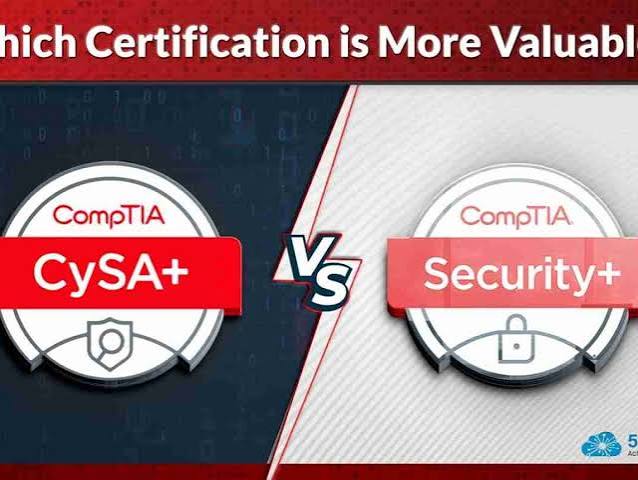
Lagos Data School teaches two key ethical hacking certs: the CEH (Certified Ethical Hacker) from EC-Council and the CompTIA Security+. Both are respected in Lagos and globally. The CEH course covers:

  • Footprinting and reconnaissance: how target systems are mapped and profiled.
  • Scanning networks: using tools like Nmap, Nessus, and Wireshark to find open ports.
  • System hacking: how passwords are cracked and how to defend against it.
  • Malware threats: how viruses, worms, and ransomware are created and stopped.
  • Social engineering: how attackers trick people and how to train staff against it.
  • Web application hacking: SQL injection, XSS, and how to test and fix them.
  • Wireless network attacks: WPA cracking, rogue APs, and wireless defenses.
  • Penetration testing: how a full pen test is planned, run, and reported.

Also, every CEH student gets access to a dedicated ethical hacking lab. So all attack tools are used safely on isolated systems. Moreover, lab scenarios come from real Lagos-style network environments. In addition, CEH exam prep sessions are run weekly. As a result, most Lagos Data School CEH students pass the EC-Council exam on their first attempt.


Lagos Data School: The Home of Cisco and Ethical Hacking Training in Lagos

When it comes to Cisco and ethical hacking training in Lagos, Lagos Data School leads Nigeria. Indeed, it is the country’s most trusted Cisco and cybersecurity training centre. Every instructor is a working network engineer or security analyst. So you learn from people who configure real Cisco networks and run real pen tests for Lagos firms every day. Also, every lab uses real Cisco hardware or high-fidelity simulators. That is why Lagos Data School cert graduates pass their exams and land strong Lagos IT roles fast.

In addition, Lagos Data School believes every Nigerian IT professional deserves expert Cisco and security training. It must be lab-heavy, exam-focused, and tied to real career results. So Lagos Data School takes learners from their first CLI command to a passed Cisco exam in eight to sixteen weeks. As a result, graduates configure real networks, pass real exams, and land real roles.

To explore all Cisco and security courses, visit Lagos Data School. Also, view real graduate outcomes at the Lagos Data School Portfolio.


What Makes Lagos Data School the Best Cisco Training Centre in Lagos?

Here is what sets Lagos Data School apart from every other Cisco course in Nigeria:

  • Live Cisco labs: Every student types real Cisco CLI commands on real hardware or high-fidelity simulators from day one. No class ends without hands-on lab work. So you graduate with genuine Cisco command-line experience.
  • Exam-aligned content: Every module is mapped to the latest Cisco exam blueprint. Also, Cisco updates its exams regularly, and Lagos Data School tracks every change. As a result, you always study what the current exam tests.
  • Mock exams: At least two full-length mock exams are run for every cert track. Moreover, each student gets a personal weak-area study plan after the mock. In short, you enter the real Cisco exam knowing exactly where you stand.
  • Pearson VUE support: Lagos Data School guides every student through the Pearson VUE exam booking process. In addition, Lagos Data School helps you choose the right Lagos test centre and prepare your ID. So no admin issue gets in your way.
  • Small cohorts: Class sizes are deliberately kept small. So every learner gets direct lab feedback and clear mentor support throughout the course.
  • Career links: Every graduate receives CV polish, LinkedIn coaching, and direct referrals to Lagos telecoms, banks, and IT firms. In other words, Lagos Data School takes you from a cert student to a hired network engineer.


How to Start Your Cisco Training at Lagos Data School: 4 Steps

Step 1: Choose Your Cisco Cert

First, visit Lagos Data School and review the full Cisco course list. New to networking? Start with the CCNA. It takes eight to twelve weeks and gives you the base for every other Cisco cert. Already CCNA-certified? If you are already certified, the CCNP, CCDP, or CCIE path is your next move. CEH suits those who want cybersecurity. Moreover, Lagos Data School’s admissions team will guide you at no cost. So, do not guess, just ask.

Step 2: Apply and Secure Your Place

Next, apply online or in person at the Lagos Data School office. It is simple and takes under fifteen minutes to complete. Also, there are no entry tests for CCNA beginners. So Lagos Data School welcomes IT graduates, helpdesk staff, and career changers from any field. In addition, once you secure your place, you receive pre-course reading on networking basics and binary maths. Moreover, you join the Lagos Data School Cisco cohort group right away. As a result, your community is active before your first class starts.

Step 3: Configure Real Networks and Take Mock Exams

In addition, every Lagos Data School Cisco session is a live lab session. So you type Cisco CLI commands and configure networks in every class. Also, you complete a full lab scenario in each module. Moreover, your instructor reviews your configs and gives direct, clear feedback. As a result, you finish having configured dozens of real Cisco network scenarios. Consequently, any Lagos employer can see exactly what you can do before they hire you.

Step 4: Pass the Cisco Exam and Get Hired

Finally, Lagos Data School career support begins the moment you finish your course. So you receive CV polish, LinkedIn coaching, and direct employer referrals to Lagos telecoms, banks, and IT firms. Also, Lagos Data School walks you through the Cisco cert exam booking and helps you prepare your ID for the Pearson VUE centre. Moreover, Lagos Data School hosts regular IT hiring events throughout the year. As a result, many graduates pass their cert and land a new network role within 30 to 90 days of finishing. Furthermore, to see real graduate outcomes, visit the Lagos Data School Portfolio.


Recommended External Resource: Cisco Learning Network

In addition to the training at Lagos Data School, Lagos Data School recommends the Cisco Learning Network as the best free external resource for Cisco certification students in Lagos. This is Cisco’s own official community platform for cert candidates worldwide. It includes free study guides, practice questions, exam topic breakdowns, and a large active community of CCNA and CCNP students. Also, free Cisco Packet Tracer labs are hosted here. As a result, every Lagos Data School Cisco student can use the Cisco Learning Network to reinforce lab skills, check exam readiness, and connect with Cisco engineers worldwide.

The Cisco Learning Network works best alongside Lagos Data School’s live, instructor-led training. Cisco’s official platform gives you the exact exam blueprint and a global peer community. But it cannot replace the hands-on Cisco CLI labs, real Lagos network scenarios, and direct instructor feedback that Lagos Data School provides in every class. So use both resources together for the fastest path to Cisco cert success.


Frequently Asked Questions (FAQs)

Q1: So, Which Cisco Cert Should I Start With in Lagos?

Start with the CCNA every time. It is the foundation for every other Cisco cert. Also, it is the most widely required cert for network roles in Lagos. The CCNP, CCDP, and CCIE all build on CCNA knowledge. So the CCNA is your first step, no matter what your end goal is. Lagos Data School’s admissions team will confirm this and help you map your full cert path at no cost.

Q2: Also, What Is the Difference Between CCNP and CCDP?

The CCNP tests your ability to operate and manage complex networks. CCDP tests your ability to design them from scratch. So a CCNP engineer runs and maintains a network. A CCDP engineer plans and blueprints it before it is built. Also, both certs require the CCNA as a prerequisite. Moreover, many Lagos engineers hold both. In short, choose CCNP if you want to work in network operations. Choose CCDP if you want to work in network design and architecture.

Q3: Furthermore, Is Ethical Hacking Legal in Nigeria?

Yes — ethical hacking is fully legal in Nigeria when done with written permission from the organization being tested. Indeed, it is a professional service that Lagos banks, telecoms, and government agencies pay for. Also, the CEH cert from EC-Council trains students to operate within a strict legal and ethical code. In short, ethical hacking is not criminal hacking. Lagos Data School trains you to hack systems only within a legal, controlled lab environment and with proper client authorization.

Q4: Additionally, How Long Does the CCIE Preparation Take?

The CCIE is the world’s hardest IT cert. Preparation takes between six months and two years, depending on your current skill level. Also, the written exam and the lab exam must both be passed. Most Lagos Data School students who start CCIE prep after their CCNP are ready for the written exam in six to nine months. The lab exam takes more time. In short, the CCIE is a long-term commitment, but Lagos Data School supports you every step of the way.

Q5: Finally, Does Lagos Data School Offer Online Cisco and Ethical Hacking Training?

Yes, Lagos Data School offers live online Cisco and ethical hacking training. Online students join the same cohort as in-person students. So you type real Cisco CLI commands on Packet Tracer or GNS3 alongside the class in real time. You get the same instructor lab feedback on your configs. The same mock exams, cert support, and career referrals apply to all graduates. Also, all class recordings are open after every session. In short, whether you are in Lagos, Abuja, or anywhere in Nigeria, great Cisco training is open to you.


Conclusion: Start Your Cisco and Ethical Hacking Training at Lagos Data School Today

Ultimately, Cisco and ethical hacking certs in Lagos have never been more within reach. Nigerian telecoms need CCNA and CCNP engineers. Lagos banks need CCDP-certified network designers. Global firms pay top rates for CCIE holders. And every Lagos organization needs ethical hackers to protect their systems. Lagos Data School has the courses, labs, instructors, and career links to take you from beginner to certified network engineer.

Whether you want to start with the CCNA, push all the way to the CCIE, or specialize in ethical hacking, Lagos Data School has the right course and the right support for you.

Take the First Step Today

To that end, do not wait for the next cohort. Indeed, the Lagos network engineers now earning N2m per month or landing remote global roles did not wait. They started. So, visit Lagos Data School today, pick your Cisco cert course, and apply. As a result, your first Cisco cert and your first network engineering career are just one enrollment at Lagos Data School away.


Hi, How Can We Help You?
Welcome To
Lagos Data School

Artificial Intelligence (AI), Machine Learning and Robotics Programmes Are Now Available!!!

Enroll Now!

Thank You
100% secure website.