Introduction: Why Speed and Security Must Work Together
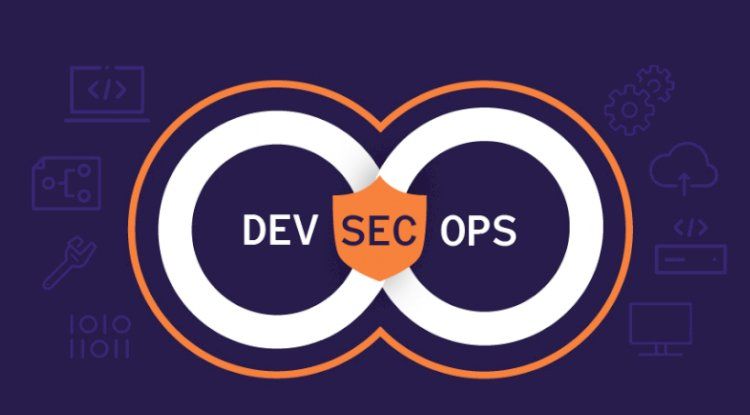
Modern software teams release updates every week, and sometimes every day. Speed is valuable, but it can hide serious risks. When security is checked only at the end, flaws slip through into live systems. DevSecOps solves this problem by building safety into every step.
Training in DevSecOps Essentials introduces this approach to beginners. Lagos Data School delivers the programme in a practical and supportive manner. In this article, the certification, the topics, and the career benefits are explained. Study tips and answers to common questions are also included.
What Is the DevSecOps Essentials Certification?
DevSecOps Essentials (DSE) is a beginner-level course in the EC-Council Essentials Series. It covers how risks are identified in application development and how applications are secured and tested. On-premises systems, cloud providers, and other infrastructures are considered. As a result, learners see security as part of the whole delivery process.

No IT or cyber security experience is required. Students, graduates, and career switchers can all join. Furthermore, the programme is described as a stepping stone toward the EC-Council Certified DevSecOps Engineer (E|CDE) credential. Consequently, it suits anyone who wants to test the field before committing to advanced study.
DSE Exam Facts at a Glance
Certification is earned by passing the DSE exam. Key facts are listed below:
- Number of questions: 75
- Duration: 2 hours
- Passing score: 70 percent
- Eligibility: none
- Validity: three years, with no continuing education fees during that term
Details can change, so they should be confirmed on the EC-Council DSE page before booking.
Why Choose Lagos Data School for DevSecOps Training?
Lagos Data School is known for practical, job-focused technology education. Its DevSecOps training is shaped around the needs of Nigerian learners and employers. Complex ideas are explained in plain language, so beginners feel welcome. Prospective students can explore current programmes at Lagos Data School.
Clear Explanations of New Ideas
DevSecOps combines several fields at once. Lessons therefore start with simple pictures of how software moves from idea to release. Terms are explained in everyday language. Over time, the pipeline stops feeling mysterious.
Hands-On Practice
Skills grow through practice. Learners are guided through exercises that show how security checks are added to a build process. Mistakes are reviewed openly, so lessons are remembered. As a result, confidence grows steadily.
Exam Preparation and Guidance
Each module is followed by review questions. Weak areas are found early and strengthened. Moreover, learners are shown how exam questions are worded, so time is used wisely during the two-hour test. Consequently, candidates sit the exam calmly.
The DevSecOps Pipeline in Plain Language
A pipeline is an assembly line for software. Code enters at one end, and a working product leaves at the other. Security checks can be placed at every station. The main stages are described below.
Plan
Teams decide what to build and what could go wrong. Simple threat modelling highlights risks early. Security requirements are written beside feature requirements. In this way, surprises are reduced.
Code
Developers write code with safe habits. Input is checked, secrets are protected, and standards are followed. Automated tools can scan code as it is saved. Consequently, many problems are caught within minutes.
Build and Test
Code is compiled and tested automatically. Security tests run alongside functional tests. Weak libraries and unsafe settings are flagged. Therefore, risky changes are stopped before release.
Release and Deploy
Approved changes move to live systems through controlled steps. Configurations are checked, and secrets are stored safely. Rollback plans are prepared in advance. Thus, mistakes can be reversed quickly.
Operate and Monitor
Live systems are watched for unusual behaviour. Logs and alerts feed lessons back to the team. Findings shape the next round of planning. Finally, the cycle begins again.
What You Will Learn in DevSecOps Essentials Training
The curriculum moves from basic ideas to practical testing. Together, its modules build a solid foundation. Exact content should be confirmed with Lagos Data School.
Application Development Concepts
The course begins with how applications are built. Common architectures, languages, and tools are introduced in simple terms. Learners see where weaknesses can enter. With this base, security topics make more sense.
Application Security Fundamentals
Core ideas such as confidentiality, integrity, and availability guide every lesson. Common risks, including injection and weak authentication, are explained. The OWASP Top Ten is a helpful reference. Consequently, learners gain a shared language for risk.
DevOps and CI/CD Concepts
DevOps teams automate building, testing, and releasing. Continuous integration and delivery are explained step by step. Automation brings speed, but it also spreads mistakes quickly. Therefore, security must be automated too.
Security as Code and Testing
Security rules can be written as code and stored with the project. Automated checks then run on every change. Application assessments and basic penetration testing ideas are also introduced. As a result, testing becomes continuous rather than occasional.
Threat Modelling
Threat modelling asks what could go wrong before it does. Diagrams show data flows and trust boundaries. Risks are ranked so that effort is focused. In this way, planning becomes smarter.
Monitoring and Feedback
Security does not end at release. Logs, alerts, and user reports reveal real behaviour. Feedback is returned to developers quickly. Finally, improvement becomes part of normal work.
A Simple Secure Pipeline Checklist
A short checklist turns ideas into action. The following steps are widely recommended:
- Scan code for secrets before it is merged
- Check dependencies for known weaknesses
- Run security tests on every build
- Review deployment settings before release
- Monitor logs and alerts after release
Lagos Data School training expands each item into practical skills. Over time, such habits become automatic.
Real-World Scenarios Where DevSecOps Matters
Examples make ideas easier to remember. Three imagined situations are described below. Each one reflects problems that organisations commonly face.
The Leaked Secret
A developer commits a password to a shared code repository. An automated scanner notices it within minutes. The secret is changed before anyone misuses it. Consequently, a serious leak is avoided.
The Outdated Package
A build includes a library with a known weakness. The pipeline’s dependency check fails the build. Developers update the library and release safely. Therefore, risk is removed before customers are affected.
The Late Friday Release
A change is ready late on Friday. An automated test finds a login flaw. The release is paused, and the flaw is fixed on Monday. Waiting a day, in this case, saves weeks of trouble.
Who Should Enrol in This Training?
This programme suits anyone curious about secure software delivery. No experience is required. Typical learners include:
- Students and fresh graduates
- Junior developers and testers
- IT support and operations staff
- Career switchers moving into technology
- Team leads who want to understand modern delivery
Because the course is beginner-level, it works well as a first step. Curiosity and steady effort are the most useful strengths.
Career Paths After DevSecOps Essentials Training
Secure delivery skills open modern career doors. Roles that become more reachable include:
- Junior DevSecOps engineer
- Application security assistant
- DevOps support engineer
- Security tester
- Software quality analyst
Furthermore, the certificate can lead toward advanced study. Options include the EC-Council Certified DevSecOps Engineer and Certified Application Security Engineer programmes. A clear pathway is therefore available, one step at a time. Banks, fintech firms, telecoms, and software houses often value such skills.
Why Employers Value DevSecOps Skills
Employers want teams that deliver quickly without creating new risks. Staff who understand DevSecOps help to achieve both goals. Moreover, early fixes cost far less than emergency repairs. Better schedules and happier customers are the result.
In addition, shared responsibility improves teamwork. Developers, testers, and operations staff speak a common language. Lagos Data School training supports this goal by building both skill and judgement. Trust between teams grows as a result.
Common Myths About DevSecOps
Myth One: Security Slows Down Delivery
Late security checks can cause delays. Automated checks inside the pipeline, however, run quickly. Teams that build safety in release with fewer surprises. Speed and security can therefore work together.
Myth Two: DevSecOps Is Only a Set of Tools
Tools help, but culture matters more. People must agree to share responsibility for safety. Habits, reviews, and clear rules come first. Tools then support those habits.
Myth Three: Only Large Companies Need It
Small teams release software too. They face the same attackers with fewer people. Simple automated checks give strong value at a modest cost. Starting small is therefore wise.
Why DevSecOps Skills Are in Demand in Nigeria
Nigeria’s digital economy is expanding quickly. Banking apps, fintech platforms, and online stores release updates constantly. As a result, organisations need teams that can move fast and stay safe. Employers prefer candidates who can show structured, proven knowledge.
Legal duties add pressure as well. The Nigeria Data Protection Act, which is overseen by the Nigeria Data Protection Commission, requires organisations to safeguard personal data. Meanwhile, the OWASP DevSecOps Guideline offers free, practical advice. Learners who know such references can speak confidently about risk.
Common Mistakes Beginners Should Avoid
Even keen learners can slip into poor habits. Awareness of these traps saves time and effort. The most common mistakes are:
- Adding security tools without understanding what they find
- Treating security as the last step
- Ignoring threat modelling because it seems slow
- Storing secrets in code
- Leaving revision until the final week
Fortunately, each mistake is easy to correct. A steady routine and regular practice solve most problems. Questions are always welcomed, since every expert once started as a beginner.
Study Tips for the DSE Exam
Good preparation is steady rather than rushed. The following tips are recommended:
- Attend every session and keep clear notes.
- Draw the pipeline and mark where each check belongs.
- Practise with sample questions until answers feel natural.
- Review weak modules within a few days.
- Rest well before the exam.
Additionally, the OWASP Cheat Sheet Series offers free, concise advice for developers. Reading it alongside your lessons helps ideas stick.
Frequently Asked Questions
Do I need coding experience?
No, basic computer knowledge is enough to begin. Some coding awareness, however, makes the lessons easier.
How many questions are on the exam?
The DSE exam has 75 questions and lasts two hours. A score of 70 percent is needed to pass.
How long is the certification valid?
The credential is valid for three years, with no continuing education fees during that term. It can be renewed by passing the exam again.
How long does the training take?
Course lengths differ between providers, so current schedules should be confirmed with Lagos Data School.
What can I study next?
Learners can continue with the Certified DevSecOps Engineer or application security programmes. The best choice depends on career goals.
Key Takeaways
- DSE is a beginner-friendly EC-Council programme that builds security into software delivery.
- The exam has 75 questions, lasts two hours, and needs a 70 percent score.
- Lagos Data School teaches the material with clear, practical lessons.
- Secure delivery habits protect users, customers, and organisations.
Conclusion: Start Your DevSecOps Journey Today
Great software is fast and safe. Skilled people who can deliver both are needed more every year. DevSecOps Essentials training offers a clear way to begin. Lagos Data School makes the journey practical, supportive, and focused on real results.
Do not wait for a breach to teach the lesson. Visit Lagos Data School today and ask about the next class. A stronger career, and safer software, begin with one decision.