Most people never think about DNS. Yet it is one of the most used doors for hackers on the whole web. So every IT pro in Nigeria needs to know how to guard it well.
This guide breaks down what DNS is, the top ways hackers use it, and the steps you can take to stop them. Each step here is one you can use right on your own network, today.
Lagos Data School made this guide as part of our cyber course. Indeed, DNS safety is a core topic we cover in our hands-on plan. So let’s break it down with clear, plain words.
What Is DNS?
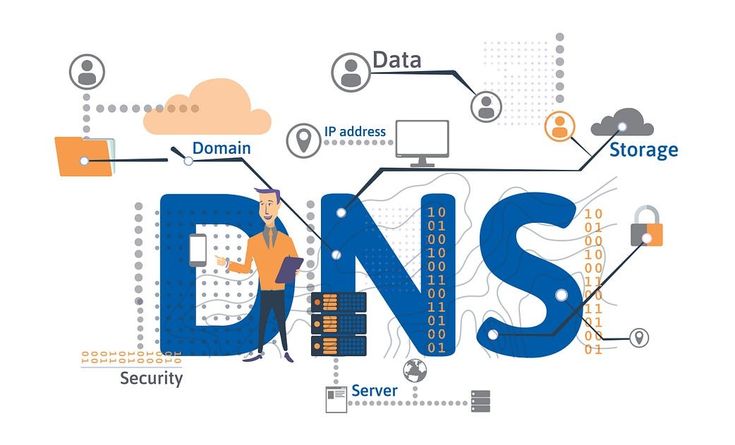
DNS is short for Domain Name System. It works like a phone book for the web. When you type a site name, DNS turns it into the number code that machines use to link up.

Without DNS, you would need to type long strings of numbers each time you go online. So DNS makes the web easy to use for all of us. But this same tool has gaps that hackers like to use.
Also, DNS tends to run quietly in the back end, which means many firms skip past it. As a result, it turns into a soft target for crooks who know few people watch it closely.
Common Ways Hackers Use DNS
Hackers have built a few clear ways to abuse DNS over time. Knowing each one helps you spot the signs and build the right guard against it.
DNS Spoofing, Also Known as Cache Poisoning
Here, a hacker slips fake DNS data into a system’s cache. As a result, a user who tries to reach a real site lands on a fake one by mistake. This fake site can look just like the real one.
So this trick turns into a strong tool for stealing logins and other private facts. Most folks who fall for it see no sign that anything is wrong at first glance.
DNS Tunneling
DNS tunneling hides stolen data inside DNS traffic that looks normal. Hackers use this trick to sneak data out, bit by bit, with no clear sign of trouble.
Since few firms check DNS traffic with care, this trick can run for a long time, unseen. In many cases, firms only learn of it months in, once a much bigger leak comes to light.
DNS Hijacking
In this attack, a hacker changes your DNS settings with no okay from you. They might hit your router, your laptop, or even your domain firm account directly.
As a result, all your web traffic can get sent to a fake server, with no warning at all. This attack is tough since it can hit every user on your network at once.
Flooding DNS Servers
Hackers can send a huge wave of fake traffic to crash a DNS server on purpose. When this works, every site that leans on that server goes dark for users.
Firms in Nigeria that use shared or weak DNS face real risk here. Worse still, a hit like this can knock a firm offline for hours, with a real cost to its cash flow.
Fake Look-Alike Domains
Crooks set up site names that look close to the real one, say, with one mark swapped out. A user who types fast may land on the fake site by chance.
Many cons in Nigeria lean on this exact trick to fool folks. These fake sites are then made to look just like real bank or pay pages, which makes the con far stronger.
How DNS Attacks Hit Nigerian Firms
DNS attacks bring real cash and trust costs to Nigerian firms. A win for a spoofing attack can lead right to stolen logins and lost funds. Also, a flood attack on your DNS can knock your whole site dark at a bad time.
Also, rule bodies more and more ask firms to show real tech guard steps, DNS included. So skipping DNS safety can bring rule trouble too, on top of the raw risk.
So you must treat DNS as a key part of your safety plan, not a side task, most of all if your firm holds client data or runs cash deals online.
How to Guard Your Firm From DNS Attacks
Good news — there are clear, plain steps each Nigerian firm can take to fight off DNS-based attacks. Each one builds up a new part of your guard.
Turn On DNSSEC
DNSSEC adds a digital seal to DNS data. This proves no one has changed it on the way. As a result, spoof tricks and cache fill turn far harder for a hacker to pull off well.
Many name firms now give DNSSEC as a plain switch you can flip on. So check with your firm and turn it on if it is not on yet.
Pick a Safe DNS Firm
Not all DNS firms give the same level of guard. Pick a known, trusted name like Google or Cloudflare. Also, many of these firms block known bad sites on their own, with no extra work from you.
A swap to a trusted firm takes just a few clicks but adds real guard fast.
Watch Your DNS Traffic Closely
Set up tools to check DNS requests for odd signs. This can catch tunnel tricks and other hidden attacks well before they cause real harm. Also, mix this with an IDS for a far stronger view of all that goes on.
Limit Who Can Change DNS
Cut down which staff and gear can change DNS rules in your firm. So even if a hacker breaks one login, they can not move your whole network’s traffic at will.
Train Staff to Spot Fake Sites
Many DNS-based cons lean a lot on plain human slip, not raw tech skill. So train your staff to check site names with care before they key in a login. This one new habit blocks a lot of con tries.
Keep DNS Tools Updated
DNS tools, like all tech, hold flaws that show up with time. Makers send fix packs to close these gaps as they learn of them. So keep your DNS gear up to date; this is not a one-time task, but an ongoing one.
A Plain Monthly DNS Check
On top of the steps above, it helps to build a set habit to check your DNS setup. Once a month, take a few short steps to run a quick check.
- Check that your DNS marks still point to the right place
- Check that DNSSEC stays on and is set up right
- Look at your DNS logs for any odd jump in traffic
- Check that only the right staff can still make changes
- Check that your domain has not been set up as a fake by a hacker
This short, set check can catch small slips well before they grow into big harm. Lagos Data School backs each firm we train to build this into a set monthly task.
Why DNS Safety Gets Skipped So Often
Many IT teams place a lot of weight on firewalls and virus tools, while DNS runs quietly in the back. As a result, DNS gets far less care than it should, in spite of being a real, ongoing target.
Also, DNS hits can be harder to spot than other threats, since they don’t tend to set off loud alarms. A site that sends you to the wrong place, or a slow load, may just look like a small tech hitch and not a real safety event.
So you must build real care for DNS safety in your IT team, just as much as you set up the right tools. Lagos Data School fills this exact gap in full, in our cyber course.
Recommended External Resource
For a deep, trust look at DNSSEC, see ICANN’s plain guide here: https://www.icann.org/resources/pages/dnssec-what-is-it-why-important-2019-03-05-en.
DNS Security and the Cloud
More Nigerian firms now run part or all of their work on the cloud. This shift brings new DNS risk that many teams do not think about right away.
Cloud setups often use their own DNS tools, built into the cloud firm’s own system. So you need to check that these tools are set up with the same care as your own in-house DNS. A weak link in the cloud can put your whole setup at risk, even if your own gear is locked down well.
Also, many cloud tools talk to each other through DNS in the back end, with no clear sign to your team. So a hacker who finds a gap in this chain can move from one cloud tool to the next with ease.
Lagos Data School covers cloud DNS risk as part of our wider cloud and cyber courses. We help students see DNS not as one small piece, but as a thread that runs through almost every part of a modern firm’s tech stack.
Building a DNS Security Mindset
Tools alone will not keep your DNS safe for the long run. You also need the right mindset across your whole team, from the top down.
First, treat DNS as a real asset, not just a background task that runs on its own. Next, make sure more than one person on your team knows how your DNS is set up, so you do not depend on just one staff member who might leave one day.
Also, write down your DNS setup in plain terms, so new staff can learn it fast, and old staff does not forget key facts over time. Finally, talk about DNS risk in your regular safety meetings, not just when an issue comes up.
This shift in mindset often matters more than any single tool you buy. Lagos Data School works hard to build this kind of thinking into every student who comes through our doors, since tools change fast, but good habits last.
DNS Security and Customer Trust
Beyond the raw tech side, DNS safety also ties right into how much your clients trust your firm. If a client lands on a fake site due to a DNS hit linked to your brand, that trust can take a long time to win back.
In Nigeria’s growing online market, word spreads fast when a firm’s site or email gets used in a scam. So a single DNS slip can harm far past the first cash loss; it can hurt how clients view your brand for years to come.
This is why some of the firms most known for strong DNS care also tend to be the ones clients trust most with their money and data. Good DNS care is not just a back-end task; it shows up quietly in how safe your brand feels to the outside world.
Lagos Data School helps students see this link clearly, so they learn to pitch DNS safety not just as a tech task, but as a real business need that firm owners will care about too.
About Lagos Data School
Lagos Data School is Nigeria’s top school for cybersecurity, data science, cloud, and analytics. Every idea in this guide is part of our hands-on course.
Our teachers are real security pros, not just classroom staff. So you learn from people who guard live networks every day.
We run classes on weekdays, weekends, and online. So no matter your time, we have a slot for you. Beyond skills, we also give you a real certificate and links to job partners.
Visit Lagos Data School today to view our courses and join the next class.
Guard every part of your network. Train with Lagos Data School.