
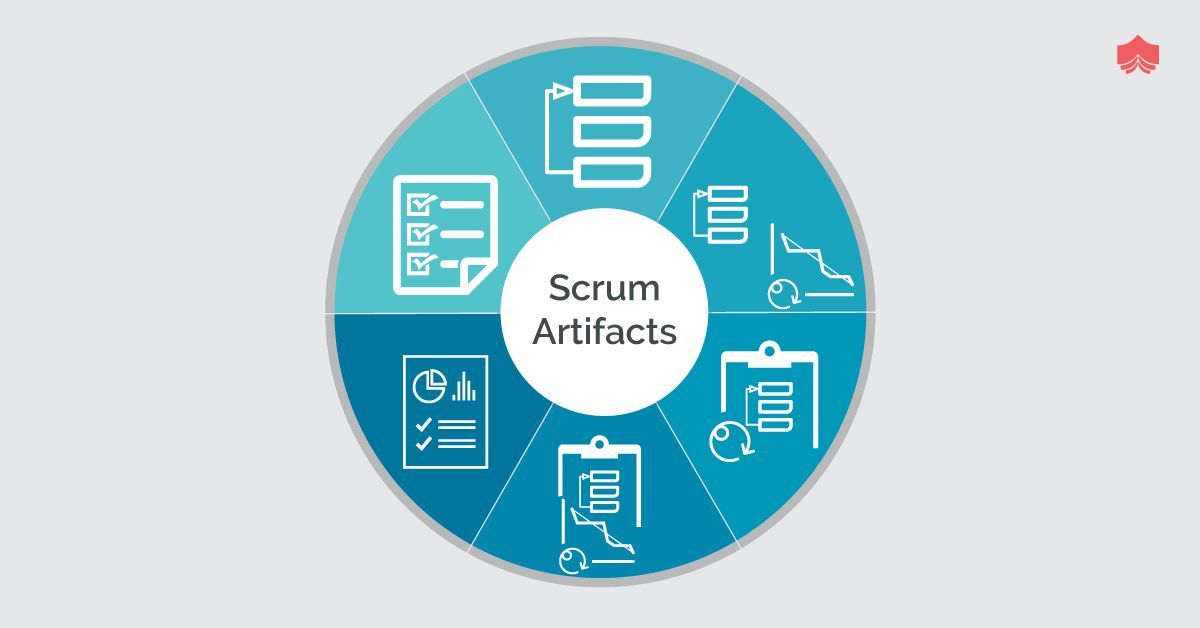
Scrum Artifacts Explained for Nigerian Professionals
Scrum defines three artefacts and three artefacts only. Furthermore, each one provides transparency at a different level.

Lagos Data School teaches all three artefacts in its live Scrum course. Therefore, this guide explains every artefact in plain English.
Also, Nigerian project examples are used to make each one real. By the end, you will understand and use all three with confidence.
What Is a Scrum Artefact?
A Scrum artefact is a document or output that makes work visible. Furthermore, artefacts reduce guesswork and improve team alignment. Also, they are updated continuously throughout the sprint. Consequently, every team member always sees the current state of work.
According to the Scrum Guide, artefacts create transparency. Therefore, Scrum artefacts are the team’s source of truth.
Artefact 1: The Product Backlog
The Product Backlog is an ordered list of all future product work. Furthermore, it contains features, fixes, improvements, and experiments. Also, the Product Owner owns and manages it every day.
Consequently, the backlog always reflects the latest product priorities. In short, the Product Backlog is the single source of all future work.
What Goes Into the Product Backlog?
- User stories: Features written from the user’s point of view.
- Bug fixes: Known issues that need to be resolved in a future sprint.
- Technical tasks: Infrastructure, security, or performance improvements.
- Research spikes: Short investigations needed before a feature can be built.
- Stakeholder requests: New ideas gathered from sprint reviews or user feedback.
How the Product Backlog Is Ordered in Nigerian Teams
The highest-value items always sit at the top of the backlog. Furthermore, the Product Owner uses business value and risk to rank items.
Also, items at the top are detailed and ready to work on.
Consequently, items lower down are less refined and more loosely defined. Therefore, the backlog gets more detailed as items move toward the top.
Nigerian Example: Product Backlog for a Lagos Food App
| Priority | Backlog Item | Type | Story Points |
| 1 | User can search for restaurants by location | User Story | 5 |
| 2 | User can add items to a cart | User Story | 3 |
| 3 | User can pay with Paystack | User Story | 8 |
| 4 | Fix broken image upload on vendor dashboard | Bug Fix | 2 |
| 5 | Improve app load time by 30% | Tech Task | 5 |
| 6 | Add delivery tracking feature (future sprint) | User Story | 13 |
Backlog Grooming: Keeping the Backlog Healthy
Backlog grooming is a regular session to keep the backlog clean. Furthermore, it is held one to two days before sprint planning. Also, the Product Owner and team refine, estimate, and re-order items.
Consequently, only clear, ready items enter the sprint planning meeting. Therefore, sprint planning runs faster when the backlog is well-groomed.
Artefact 2: The Sprint Backlog
The Sprint Backlog is the team’s plan for the current sprint. Furthermore, it contains three things: the sprint goal, selected backlog items, and tasks.
Also, developers own and update the sprint backlog every day. Consequently, the team always knows what is left to do this sprint. In short, the Sprint Backlog is the team’s daily working plan.
How the Sprint Backlog Is Created
First, the Product Owner presents the top backlog items at sprint planning. Also, the team selects items that fit within the sprint’s capacity. Furthermore, each selected item is broken into daily tasks.
Next, each task is assigned to a developer or left for self-selection.
Finally, the sprint backlog is complete and visible on the team’s board.
Sprint Backlog vs Product Backlog: Key Differences
| Feature | Product Backlog | Sprint Backlog |
| Scope | All future product work | This sprint only |
| Owner | Product Owner | Development team |
| Update rate | Continuously — every day | Every day during the sprint |
| Detail level | Varies — rough to detailed | Fully detailed daily tasks |
| Change rules | Can change anytime | Cannot change during the sprint |
| Nigerian use | Roadmap for the whole product | Daily task board for the sprint |
The Sprint Burndown Chart
The sprint burndown chart tracks work remaining in the sprint. Furthermore, it is updated every day by the developers.
Also, a falling burndown line means the team is on track. Consequently, a flat or rising line signals a problem that needs attention. Therefore, review the burndown chart at every Daily Scrum.
Artefact 3: The Product Increment
The Increment is the sum of all completed sprint work. Furthermore, it includes work from every previous sprint as well.
Also, each new sprint adds more value to the existing increment. Consequently, the product grows and improves with every sprint cycle. In short, the Increment is the growing, working version of the product.
What Is the Definition of Done?
The Definition of Done (DoD) is a shared checklist for completed work. Furthermore, every sprint item must pass the DoD before it counts as done. Also, the team defines the DoD together at the start of the project.
Consequently, quality standards are consistent across every sprint. Therefore, partial or untested work is never counted in the sprint increment.
Nigerian Example: Definition of Done for a Lagos Fintech Team
- Code reviewed: A second developer has reviewed and approved the code.
- Tests passing: All automated unit and integration tests pass without errors.
- Security check: The feature has passed a basic OWASP security review.
- Product Owner accepted: The PO has reviewed and accepted the feature against criteria.
- Deployed to staging: The feature is live on the staging environment for review.
Why the Increment Must Be Potentially Shippable
Every increment must be in a releasable state at sprint end. Furthermore, this does not mean it must be released — only that it could be. Also, a potentially shippable increment gives the Product Owner full control. Consequently, the team releases when the business is ready — not just when the sprint ends. Therefore, quality and completeness are non-negotiable in every Nigerian sprint.
All Three Artefacts at a Glance
| Artefact | Owner | Updated When | Key Commitment |
| Product Backlog | Product Owner | Continuously | Product Goal |
| Sprint Backlog | Development Team | Every day in the sprint | Sprint Goal |
| Product Increment | Development Team | End of every sprint | Definition of Done |
Free Resource: The Scrum Guide on Artefacts
Lagos Data School recommends the Scrum Guide for the official definition of all three artefacts. Furthermore, it explains each artefact’s commitment in detail. Also, it is free, short, and easy to read in one sitting.
How Lagos Data School Teaches Scrum Artefacts
Lagos Data School covers all three Scrum artefacts in its live course. Students build real product backlogs and sprint backlogs from Nigerian project briefs. Furthermore, they define a custom Definition of Done for every sprint exercise. Consequently, graduates manage all three artefacts correctly from day one.
Visit the Lagos Data School training page to enrol. Also, explore our graduates’ work at the Lagos Data School student portfolio.
Frequently Asked Questions
Q1: Who can add items to the Product Backlog?
Anyone can suggest items — stakeholders, developers, or users. However, only the Product Owner decides whether to add them. Also, the PO ranks all accepted items by business value. Therefore, the backlog always reflects the Product Owner’s priorities.
Q2: Can the Sprint Backlog change during a sprint?
The sprint goal cannot change once the sprint starts. However, developers can add tasks to the sprint backlog during the sprint. Also, they can remove tasks if they discover a better approach. Therefore, the sprint backlog is flexible in execution but fixed in goal.
Q3: What happens if an increment is not done by sprint end?
Incomplete items are returned to the product backlog. Furthermore, they are re-prioritised for a future sprint. Also, they are never counted in the sprint’s velocity. Consequently, the team only claims velocity for truly completed work.
Q4: How detailed should a product backlog item be?
Items at the top need full detail and acceptance criteria. However, items further down can be rough and loosely defined. Also, the team refines lower items during backlog grooming sessions. Therefore, only refine items when they are close to the top of the backlog.
Master Scrum Artefacts with Lagos Data School
Scrum artefacts make work visible, honest, and accountable. Furthermore, they are the backbone of every great Nigerian Scrum team. Lagos Data School trains you to own, update, and use all three artefacts expertly.
Visit Lagos Data School and start your Scrum journey today.