How Agile Methodology Is Transforming Nigerian Tech Companies

How Agile Is Changing the Nigerian Tech Industry

Nigerian tech companies are growing faster than ever. However, old project management methods are slowing many of them down.

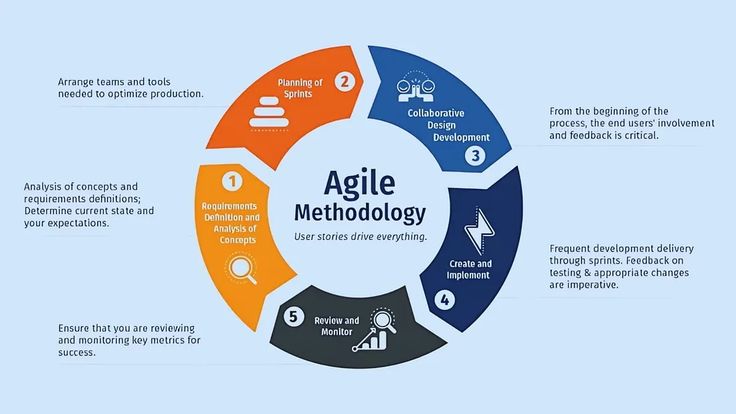
This may contain: the agile method for business development is shown in this graphic style, with arrows pointing to different

Lagos Data School trains Nigerian tech professionals to use Agile and stay competitive. Therefore, this article shows how Agile is transforming Nigerian tech companies right now.

In addition, it shares real examples, key benefits, and career advice. By the end, you will understand why Agile has become the go-to method in Nigerian tech.


What Agile Means for a Nigerian Tech Company

Agile is a way of delivering tech products in short, focused cycles. Each cycle, called a sprint lasts one to four weeks.

Furthermore, the team reviews results at the end of every sprint. Therefore, the product improves with every single cycle. In short, Agile replaces long, rigid plans with fast, flexible delivery. As a result, Nigerian tech companies ship better products in less time.


Why Nigerian Tech Companies Are Adopting Agile

The Nigerian tech market changes very fast. For example, customer needs in Lagos fintech shift monthly.

Also, competition from new startups forces companies to move quickly. Therefore, long twelve-month project cycles no longer work in this environment. Agile solves this by delivering value every two weeks instead. Consequently, companies respond to market changes before they lose customers.


The Role of Funding and Investor Pressure

Nigerian startups now raise funds from international venture capital firms. Furthermore, these investors expect fast, measurable delivery from day one. Agile gives teams a clear sprint-by-sprint delivery record to show investors.

Therefore, Agile is not just a development choice — it is a business requirement. In fact, many Lagos investors now ask whether a startup uses Agile before funding it.


Real Nigerian Tech Companies Using Agile Today

Many top Nigerian tech firms have already adopted Agile. For example, fintech companies run two-week sprint cycles for product releases.

Also, Nigerian healthtech startups use Agile to build and test medical apps quickly. Furthermore, edtech platforms across Lagos use Agile to update course content regularly. Consequently, their users always get fresh, relevant learning experiences.


Agile in Nigerian Banks and Financial Services

Nigerian banks are also embracing Agile in their tech teams. For example, several tier-one Lagos banks now run dedicated Agile squads.

Moreover, these squads release new digital banking features every sprint. Therefore, Nigerian banking apps are improving at a pace customers can notice. In addition, Agile helps these banks reduce the cost of failed digital projects.


Agile in Lagos Software Development Agencies

Software agencies in Lagos now sell Agile delivery as a core service. In fact, clients pay a premium for sprint-based development over fixed-plan projects. Also, agencies report fewer client disputes when sprints are used. Consequently, client satisfaction scores improve from the very first sprint. Therefore, Agile has become a key differentiator for competitive Lagos agencies.


Key Benefits of Agile for Nigerian Tech Teams

  • Faster releases: Working features ship every sprint rather than every six months.
  • Lower failure risk: Problems are caught in sprint one rather than at the final deadline.
  • Happier clients: Clients review real work every sprint and give direct feedback.
  • Better teamwork: Daily stand-ups keep every team member aligned and accountable.
  • Stronger products: Continuous feedback from users shapes every sprint.


Challenges Nigerian Tech Companies Face with Agile

Agile adoption is not always smooth in Nigeria. However, most challenges are manageable with the right training.


Challenge 1: Top-Down Management Culture

Many Nigerian tech firms have strong top-down leadership styles. However, Agile requires self-organising teams that plan their own sprints. Therefore, management must trust teams to make decisions during sprints. In fact, companies that make this shift consistently see faster delivery.


Challenge 2: Inconsistent Internet and Power

Daily stand-ups and sprint tools need reliable internet access. Furthermore, power outages in Lagos can disrupt remote Agile ceremonies. Therefore, smart Nigerian teams use mobile hotspots and async stand-up tools as backups. As a result, the sprint rhythm is maintained even during outages.


Challenge 3: Lack of Trained Scrum Masters

Many Nigerian companies adopt Agile without a trained Scrum Master. Consequently, the process breaks down within the first few sprints. Therefore, investing in Scrum Master training is essential before adopting Agile at scale.

Lagos Data School provides this training for Nigerian tech professionals.


Agile Adoption: Before and After in Nigerian Tech Companies

This table shows the real difference Agile makes for Nigerian tech teams.


Area Before Agile After Agile
Release frequency Every 6–12 months Every 1–4 weeks
Client feedback Only at project end Every sprint review
Problem detection Late in testing phase Sprint one or two
Team communication Weekly email updates Daily 10-minute stand-up
Product quality One shot to get it right Improved every sprint
Budget control Overruns common Costs tracked per sprint
Nigerian example Lagos app delayed 18 months Same app shipped in 8 sprints


Free Resource: The Agile Manifesto

Lagos Data School recommends the Agile Manifesto as a free first read. It explains the four Agile values and twelve principles that every Nigerian tech professional needs.

Also, the Scrum Guide is a free, official reference for Nigerian Scrum teams.


How Lagos Data School Prepares Nigerian Tech Professionals for Agile

Lagos Data School delivers live Agile training for Nigerian tech teams. Students learn sprint planning, daily stand-ups, backlog management, and retrospectives. Moreover, every session uses real Nigerian tech company case studies. Furthermore, graduates leave ready to lead Agile teams on day one.

Visit the Lagos Data School training page to enrol today.

Also, explore what our graduates have built at the Lagos Data School student portfolio.


Frequently Asked Questions

Q1: Which Nigerian tech companies use Agile?

Most Nigerian fintech, edtech, and healthtech companies use Agile today. Furthermore, tier-one banks like GTBank and Access Bank run Agile squads internally. Therefore, Agile skills are in high demand across the Nigerian tech ecosystem.


Q2: How long does Agile adoption take for a Nigerian team?

Basic Agile adoption takes two to four weeks with proper training. However, full cultural adoption across a whole company can take three to six months. Therefore, start with one team and expand Agile gradually across the organisation.


Q3: Do I need a certification to work on an Agile Nigerian tech team?

No certification is required to join an Agile team. However, a certification like PSM or PMI-ACP significantly improves your job prospects. Consequently, Lagos Data School prepares students for both certifications in its live course.


Build Your Agile Career with Lagos Data School

Nigerian tech is moving fast. Furthermore, Agile-trained professionals are the ones leading that movement.

Lagos Data School gives you the practical skills to lead Agile teams in Nigeria.

Visit Lagos Data School and enrol in the project management course today.

 

Best Business Analysis Course in Lagos (2026): Proven Job-Ready Blueprint

Introduction

Every business needs people who can solve problems. They need people who can read data and find better ways to work. Business analysts do exactly this. They help companies grow, save money, and make smart choices. Luckily, you do not need to travel abroad to get this training. A Business Analysis Course in Lagos is now easy to access. Lagos Data School is the top provider of this training in Nigeria.

Are you new to business analysis? Or do you want to improve the skills you already have? Either way, Lagos Data School has a program for you. The course is practical, clear, and focused on real career results. Furthermore, it follows global standards that employers respect. This guide tells you everything you need to know about taking a Business Analysis Course in Lagos.

What Is Business Analysis?

Business analysis is the work of finding what a business needs. It also involves finding the best way to meet those needs. Business analysts look at problems. They talk to people across teams. Then they suggest solutions that make sense for the business.

A business analyst does many things at work. For example, they gather and write down business needs. They also study how work flows through a company. Moreover, they check if a new system or process is working well. They help teams stay on the same page. As a result, projects run better and cost less.

Lagos is growing fast as a tech and business city. Therefore, companies here need more business analysts than ever before. Taking a Business Analysis Course in Lagos right now is a very smart move.

Why Study Business Analysis in Lagos?

Lagos is the business heart of Nigeria. It is also one of Africa’s top cities for tech and finance. Big banks, fintech firms, telecom companies, and global brands all operate here. Each of them needs skilled business analysts.

Furthermore, many Lagos companies are going digital. Banks are building new apps. Hospitals are using new software. Government agencies are moving online. Consequently, business analysts are in high demand across all these sectors.

Additionally, Lagos has a strong learning culture. There are many events, meetups, and networks for professionals here. So, students who train in Lagos gain more than just class knowledge. They also gain access to a wide professional community. This helps careers grow much faster.

Lagos Data School: Lagos’s Top Business Analysis Training Provider

Lagos Data School is the best place to study business analysis in Lagos. The school has trained hundreds of professionals. Its students come from banking, tech, consulting, and the public sector. Moreover, Lagos Data School graduates get good jobs and earn more after they finish.

The school has one core belief. Quality training must be hands-on, affordable, and tied to real job needs. Every course at Lagos Data School reflects this belief. The Business Analysis Course is no different. Students learn skills that hiring managers look for every day.

What You Will Learn at Lagos Data School

Lagos Data School builds its course around the BABOK Guide. BABOK stands for Business Analysis Body of Knowledge. The IIBA (International Institute of Business Analysis) created this guide. It is the global standard for business analysis training. By following it, Lagos Data School makes sure its students meet world-class benchmarks.

Module One: Business Analysis Planning

Students start by learning how to plan their work. They learn how to set up a business analysis approach. They also learn how to track their progress. Furthermore, they study how to engage the right people at the right time.

Module Two: Elicitation and Collaboration

Good business analysis starts with asking the right questions. Therefore, this module teaches students how to gather information. They practice interviews, workshops, and surveys. They also learn how to work well with different types of people. These are skills every business analyst uses every day.

Module Three: Requirements Life Cycle Management

Requirements change over time. Students learn how to manage those changes well. They trace requirements from start to finish. They also learn how to get sign-off from key people. Additionally, they study how to keep requirements up to date throughout a project.

Module Four: Strategy Analysis

Business analysts must understand the big picture. This module teaches students how to look at a business as a whole. They learn how to spot gaps between where a business is now and where it wants to go. Then they help build a plan to close those gaps.

Module Five: Requirements Analysis and Design

Students learn how to break down complex business needs. They turn those needs into clear, simple requirements. Development teams use these requirements to build the right solutions. Furthermore, students practice using diagrams and models to make their work easier to understand.

Module Six: Solution Evaluation

After a solution goes live, someone needs to check if it worked. This module teaches students how to do that check. They learn how to measure results. They also learn how to spot problems and suggest fixes. Therefore, students graduate knowing the full business analysis cycle from start to finish.

Tools You Will Learn at Lagos Data School

Lagos Data School also teaches students how to use popular tools. These include Microsoft Visio, JIRA, Confluence, and Lucidchart. Students practice with these tools during class. Moreover, they work on real case studies that mirror actual job tasks. By the end of the course, students feel confident using these tools at work.

Who Should Take This Course?

The Business Analysis Course at Lagos Data School suits many types of learners. Here is a list of people who will benefit most:

  • New business analysts moving into the field from finance, IT, or project management
  • Working business analysts who want to get IIBA certified: ECBA, CCBA, or CBAP
  • Project managers who want to understand business requirements better
  • IT professionals who work closely with business teams
  • Business owners who want to improve how their company runs
  • Fresh graduates who want a strong start in the job market

No matter your background, Lagos Data School meets you where you are. The instructors guide each student step by step. Additionally, the school creates a safe space where every student can ask questions and grow.

What Makes Lagos Data School Stand Out?

Many training schools exist in Lagos. However, Lagos Data School is different in key ways. Here is what sets the school apart from the rest.

Expert Instructors

All teachers at Lagos Data School hold IIBA certification. They also have years of real work experience. They do not just teach from a textbook. Instead, they share stories and examples from their own careers. As a result, students learn in a way that feels real and relevant.

Flexible Class Options

Most students at Lagos Data School also hold full-time jobs. Therefore, the school offers classes on weekdays, weekends, and online. Students pick the option that fits their life. Consequently, they do not have to choose between work and education.

Hands-On Practice

Lagos Data School does not rely on lectures alone. Students work on real exercises and group projects. They also practice with business case studies from Nigerian industries. So, by the time they finish, they are ready to perform on the job from day one.

Alumni Network

After completing the course, students join the Lagos Data School alumni network. This is a large and active community of professionals. Members share job leads, give advice, and support each other. Furthermore, Lagos Data School organizes events that keep alumni connected and growing.

Exam Support

Many students want to sit for the IIBA exams after the course. Lagos Data School helps them prepare. The school runs mock tests and revision classes. Instructors also give one-on-one feedback to each student. Therefore, students walk into their exams feeling fully ready.

Career Paths After the Course

Finishing a Business Analysis Course in Lagos at Lagos Data School opens many doors. Graduates go on to work in banking, insurance, tech, telecom, consulting, and government. Many get promotions within months of finishing the program. Others move into higher-paying roles at new companies.

Here are some of the job titles Lagos Data School graduates hold today:

  • Business Analyst
  • Systems Analyst
  • Product Owner
  • Requirements Engineer
  • IT Business Partner
  • Business Process Analyst
  • Digital Transformation Consultant

Moreover, graduates who go on to earn IIBA certifications earn even more. They also move up faster in their careers. Many Lagos Data School alumni now work in the UK, Canada, and the US. The skills and certifications they earned in Lagos travel with them everywhere.

How to Join Lagos Data School

Signing up for the Business Analysis Course is easy. Visit lagosdataschool.com and apply. You will also find course fees and what to expect on the admissions page. Additionally, you can call or email the admissions team directly. They are happy to answer your questions and help you choose the right program.

Group discounts are available for companies that want to train teams. Therefore, HR managers and business leaders should reach out to discuss corporate training packages. Lagos Data School makes it easy for organizations to invest in their people.

Conclusion

Business analysis is a career with a strong future in Nigeria. Lagos keeps growing. More companies keep going digital. Therefore, the need for skilled business analysts will keep rising for many years to come.

Lagos Data School gives you the best chance to build this career. The school offers expert teachers, a solid curriculum, flexible classes, and real exam support. It also connects you to a strong alumni network that helps even after you graduate.

Do not wait. Take a Business Analysis Course in Lagos at Lagos Data School today. Join thousands of Nigerian professionals who have already changed their careers and their lives through this program.

Hi, How Can We Help You?
Welcome To
Lagos Data School

Artificial Intelligence (AI), Machine Learning and Robotics Programmes Are Now Available!!!

Enroll Now!

Thank You
100% secure website.