What Is a Bug Bounty Program?: Complete Guide

What Is a Bug Bounty Program? A Complete Guide for Nigerian Hackers

Bug bounty programs let ethical hackers earn money by finding vulnerabilities. Furthermore, companies pay real cash for every valid security flaw reported.

Lagos Data School trains Nigerian hackers to participate and earn from these programmes. Therefore, this guide explains everything about bug bounty from the start.

Also, it covers platforms, Nigerian success stories, and earnings data. By the end, you will know how to start earning from bug bounty today.


What Is a Bug Bounty Program?

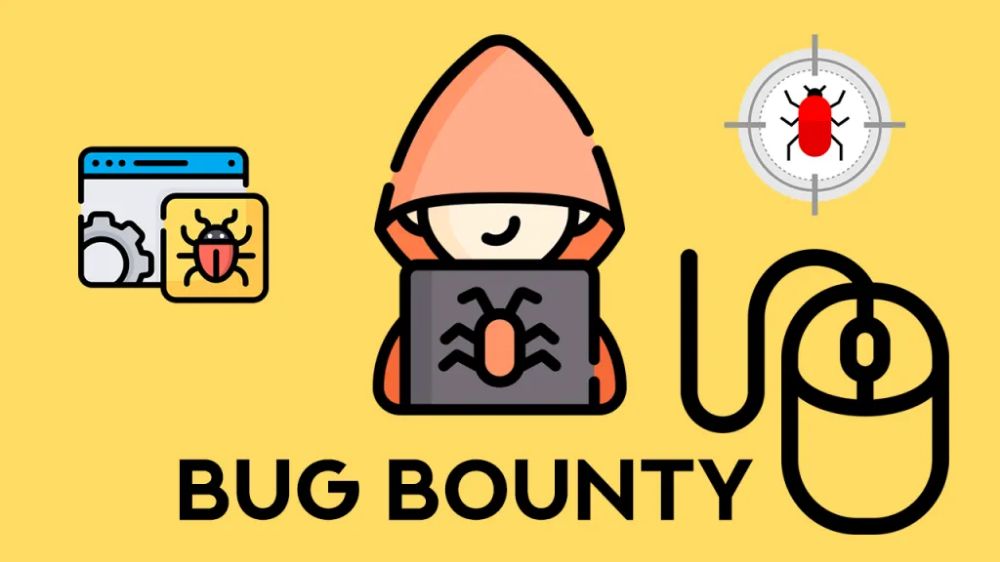
A bug bounty program is a formal invitation to find security vulnerabilities. Furthermore, companies publish a list of systems that researchers can legally test. Ethical hackers submit reports of any vulnerabilities they discover.

Story pin image

Also, valid reports are rewarded with cash payments called bounties. Consequently, companies fix real security gaps before attackers exploit them. In short, a bug bounty is a win for companies and a paid career for hackers.


Why Companies Run Bug Bounty Programs

Traditional security teams cannot test every system all the time. Furthermore, thousands of external hackers find bugs faster than any internal team.

Also, companies only pay for results, not for hours of work done. Consequently, bug bounty is cheaper and more effective than hiring full-time staff. Therefore, the biggest tech companies in the world now run bounty programmes.


How Bug Bounty Programs Work: Step by Step

Understanding the process helps Nigerian hackers maximise their success rate, while each step must be followed carefully and completely.


Step 1: Choose a Platform and a Programme

Start by choosing a bug bounty platform to begin your search. Furthermore, HackerOne and Bugcrowd list hundreds of active programmes.

Also, each programme has a scope defining exactly what you can test. Consequently, always read the programme policy before touching any system. Therefore, choosing the right programme at your skill level matters greatly.


Step 2: Understand the Scope and Rules

Every programme defines what is in scope and what is out of scope. Furthermore, testing out-of-scope targets breaks the rules of engagement.

Also, out-of-scope testing can result in legal action against the hacker. Consequently, Nigerian hackers must read the full policy document first. Therefore, scope reading is the most important pre-hacking activity here.


Step 3: Find a Vulnerability

Use ethical hacking tools to test the in-scope systems thoroughly. Furthermore, focus on OWASP Top 10 vulnerabilities for the fastest results.

Also, XSS, IDOR, and authentication bypass flaws are commonly rewarded well. Consequently, Nigerian hackers with web security skills find bounties fastest. Therefore, practise web application testing before starting any programme.


Step 4: Write a Clear Vulnerability Report

A strong report is the difference between paid and unpaid submissions. Furthermore, the report must include proof of the vulnerability clearly.

Also, steps to reproduce the flaw must be detailed and accurate. Consequently, a clear report gets triaged and paid much faster. Therefore, always write your report as if the reader has no prior context.


Step 5: Submit and Wait for Triage

Submit your report through the platform’s secure submission portal. Furthermore, most platforms triage reports within three to ten business days.

Also, the security team verifies the finding and assigns a severity rating. Consequently, Critical and High findings are typically paid within 30 days. Therefore, patience and follow-up emails keep your submission moving forward.


Top Bug Bounty Platforms Nigerian Hackers Use

Several platforms host bug bounty programmes open to Nigerian researchers. Furthermore, each platform has its own strengths and payout structures.


HackerOne

HackerOne is the world’s largest bug bounty platform. Furthermore, it is accessible at HackerOne and free to join. Programmes from Google, Microsoft, and Shopify are hosted here. Consequently, Nigerian hackers compete globally for significant bounty rewards. In addition, HackerOne pays via PayPal — accessible from Nigeria.


Bugcrowd

Bugcrowd hosts both public and private bug bounty programmes. Furthermore, visit Bugcrowd to create a free researcher account.

Also, Bugcrowd has a Points system that builds your public reputation, and higher-ranked Nigerian researchers get invited to private programmes. Private programmes typically pay higher bounties than public ones.


Open Bug Bounty

Open Bug Bounty focuses on web security vulnerability disclosure. Furthermore, visit Open Bug Bounty for completely free participation.

Also, it is an ideal starting platform for absolute Nigerian beginners. Consequently, new researchers build confidence and portfolio entries here. Therefore, start with Open Bug Bounty before moving to HackerOne.


Intigriti

Intigriti is a European platform growing rapidly in African markets. Furthermore, visit Intigriti to access programmes with premium reward rates.

Also, it hosts programmes from leading European banks and tech companies. Consequently, Nigerian hackers can access well-paying European targets here. Therefore, Intigriti offers a strong alternative to the US-focused platforms.


Bug Bounty Earnings: How Much Can Nigerian Hackers Earn?

Vulnerability Type Typical Payout (USD) Nigerian Naira Equivalent
Informational $0–$50 ₦0 – ₦80,000
Low severity $50–$200 ₦80,000 – ₦320,000
Medium severity $200–$1,000 ₦320,000 – ₦1,600,000
High severity $1,000–$5,000 ₦1,600,000 – ₦8,000,000
Critical severity $5,000–$50,000 ₦8m – ₦80,000,000
Critical in top company $50,000+ ₦80,000,000+


What Vulnerabilities Pay Best in Bug Bounty?

Some vulnerability classes consistently earn higher rewards globally. Furthermore, Nigerian hackers should focus on these high-value targets first.


  • RCE (Remote Code Execution): Highest-paying bug — often $10,000+.
  • IDOR vulnerabilities: Accessing another user’s data without authorisation.
  • SQL injection flaws: Database access via malicious input fields.
  • Authentication bypasses: Logging in without valid credentials at all.
  • Stored XSS bugs: Injecting scripts that persist in the application.


In short, web application vulnerabilities dominate bug bounty payouts globally. Consequently, Nigerian hackers who master web security earn the most consistently.


How Nigerian Hackers Get Paid from Bug Bounty

Payment methods matter because not all options work well in Nigeria. Furthermore, understanding payout logistics saves frustration later.


  • PayPal transfers: Most platforms pay via PayPal — works in Nigeria.
  • Wire bank transfers: Available on HackerOne for verified researchers.
  • Crypto payouts: Some platforms offer Bitcoin or USDT payments.
  • Gift card options: Amazon and other gift cards available on some platforms.


Then, PayPal is the most widely used payment method for Nigerian researchers. Consequently, setting up a PayPal account is the first financial step.


How to Write a Bug Bounty Report That Gets Paid

Report quality determines whether a finding gets paid or rejected. Furthermore, a poorly written report delays payment by weeks or months.

Also, clear reproduction steps prevent back-and-forth with the security team. Consequently, Nigerian researchers who write well consistently get paid faster. Therefore, invest time in report writing skills from your very first submission.


What a Strong Bug Bounty Report Includes

Several elements distinguish a professional report from an amateur one. Furthermore, each element serves a specific purpose for the security team.


  • Summary section: One sentence clearly naming the vulnerability found.
  • Severity rating: Your assessment of Critical, High, Medium, or Low.
  • Steps to reproduce: Numbered steps the team can follow exactly.
  • Proof of concept: Screenshots or video showing the exploit clearly.
  • Impact assessment: Explains what an attacker could do with this flaw.
  • Remediation advice: Your suggestion for fixing the vulnerability found.


In short, cover all six sections, and your report will stand out immediately. Consequently, well-structured reports get triaged and paid significantly faster.


Common Bug Bounty Mistakes Nigerian Hackers Make

Mistake What Happens Fix
Testing out of scope Account gets banned from the programme Always read the full policy before testing
Poor report quality Finding gets rejected or delayed Cover all six report sections every time
Duplicate submissions No payment for a known finding Search existing reports before submitting
Low severity only Earnings stay very small Focus on IDOR, XSS, and auth bypass first
No proof of concept Team cannot verify and will not pay Always include screenshots and PoC code


Building a Reputation on Bug Bounty Platforms

A strong platform reputation opens private programme invitations. Furthermore, private programmes pay significantly more than public ones.

Also, reputation is built by submitting accurate, well-written reports. Consequently, quality matters far more than quantity in bug bounty. Therefore, submit five excellent reports rather than fifty poor ones.


Nigerian Ethical Hackers Already Earning from Bug Bounty

Several Nigerian researchers have built strong reputations on global platforms. Furthermore, their success proves this income stream is very real.

Also, many earn in USD while living in Nigeria full-time. Consequently, bug bounty offers Nigerian professionals genuine foreign income. Therefore, the opportunity is real, open, and growing every single year.


Free Resource: HackerOne Hacktivity Feed

Lagos Data School recommends browsing the HackerOne Hacktivity feed daily. Furthermore, it shows real disclosed vulnerability reports from top researchers.

Also, reading these reports teaches you what good submissions look like. Consequently, Nigerian beginners learn from the best researchers in the world.


How Lagos Data School Prepares Nigerian Bug Bounty Hunters

Lagos Data School covers bug bounty strategy in its live cybersecurity training. Students practise writing professional vulnerability reports from day one. Furthermore, web application security and OWASP testing are taught in depth. Consequently, graduates submit their first real bug bounty report with confidence.

Visit the Lagos Data School training page to enrol.


Frequently Asked Questions

Q1: Can Nigerian beginners participate in bug bounty programmes?

Yes. Many public programmes welcome researchers at all skill levels. Furthermore, Open Bug Bounty is specifically designed for beginners.

Also, TryHackMe labs prepare Nigerian beginners for their first real submission. Therefore, you do not need years of experience to start today.


Q2: How long before a Nigerian hacker earns their first bounty?

Most dedicated learners submit their first paid report within three to six months. Furthermore, structured training shortens this timeline significantly.

Also, focusing on web security vulnerabilities leads to faster first payouts. Consequently, a focused Nigerian beginner can earn their first bounty quickly.


Q3: Do bug bounty platforms accept Nigerian researchers?

Yes. HackerOne, Bugcrowd, and Intigriti all accept Nigerian researchers. Furthermore, no geographic restrictions block Nigerian participation.

Also, PayPal payments work in Nigeria for most platform payouts. Therefore, Nigerians have full access to global bug bounty opportunities.


Q4: What is the highest bug bounty ever paid?

The highest single bug bounty ever paid was $2 million USD. Furthermore, it was paid by Immunefi for a critical smart contract vulnerability.

Also, Google, Apple, and Microsoft have paid over $100,000 for single findings. Consequently, top Nigerian researchers can earn life-changing amounts from bug bounty.


Q5: Should I do bug bounty full-time or alongside a job?

Start bug bounty part-time alongside your current job or studies. Furthermore, treat it as supplemental income until earnings are consistent.

Also, full-time bug hunting requires a strong skill set and platform reputation. Consequently, most Nigerian researchers transition to full-time after two to three years.


Start Earning from Bug Bounty with Lagos Data School

Bug bounty is one of the most accessible ways Nigerians earn from cybersecurity. Furthermore, the programmes are open, the platforms are free, and the earnings are real.

Lagos Data School gives you the web security skills and report writing training to succeed.

Visit Lagos Data School and enrol in the cybersecurity course today.

Why Cybersecurity Training Is the Most In-Demand Skill in Lagos Right Now

Cybercrime is growing fast in Nigeria. Every week, businesses in Lagos lose money, data, and trust to hackers. So, the demand for skilled cybersecurity professionals has never been higher.

Yet, the supply of trained security experts in Lagos is still far too low. Most companies cannot find enough qualified staff to protect their systems. Therefore, those who do hold cybersecurity skills are in strong demand and command high salaries.

Furthermore, cybersecurity is no longer just a concern for big banks and telecoms firms. Small businesses, schools, hospitals, and government agencies across Lagos now face real digital threats every day. As a result, the need for trained security professionals spans every sector of the Lagos economy.

Lagos Data School has tracked this shift since 2023. Its 2026 employer research shows that cybersecurity roles in Lagos now offer salaries between ₣2.8 million and ₣10 million per year. Moreover, over 80% of Lagos tech employers say cybersecurity is a top hiring priority for the year ahead.

This article, fully researched and written by Lagos Data School, covers everything you need to know about cybersecurity training in Lagos Nigeria in 2026. Specifically, it explains what cybersecurity training covers, which certifications matter most, where to train, and how to launch a rewarding career in this field.


The State of Cybersecurity in Lagos Nigeria in 2026

Lagos is Africa’s biggest commercial city. That status makes it a prime target for cybercriminals. In fact, Nigeria ranks among the top five countries in Africa for reported cybercrime incidents, according to the 2026 NITDA Cyber Threat Report.

Specifically, the most common attacks hitting Lagos businesses include phishing, ransomware, business email fraud, and data breaches. So, every organization that operates online faces a real and present risk. Moreover, the financial cost of a single breach can be enormous — often running into tens of millions of naira.

Furthermore, the growth of Lagos fintech has created a particularly attractive target for cybercriminals. Millions of transactions move through Lagos payment platforms every day. Therefore, any weakness in the security layer of these systems puts both businesses and their customers at serious risk.

As a result, demand for cybersecurity professionals in Lagos is growing at roughly 35% per year, according to Lagos Data School’s 2026 labour market research. However, the number of trained security experts entering the job market has not kept pace. Consequently, professionals who complete proper cybersecurity training face almost no competition when they apply for roles.


Which Lagos Industries Need Cybersecurity Most?

Fintech leads the list by a wide margin. Companies like Flutterwave, Kuda, and Paystack hold sensitive financial data for millions of Nigerians. So, they invest heavily in security talent and are among the highest payers in the sector.

Banking and insurance are equally vulnerable. Traditional banks now run most of their services online. Furthermore, the move to mobile banking has expanded the attack surface for every major Nigerian bank. Therefore, security teams at GTBank, Zenith, and Access Bank are constantly expanding.

Moreover, telecoms, healthcare, and e-commerce are all growing cybersecurity teams in Lagos. Even government agencies are building security operations centers. Additionally, oil and gas firms with Lagos offices have increased their cybersecurity budgets significantly in response to a rise in industrial cyber threats.


What Cybersecurity Training in Lagos Nigeria Covers

Good cybersecurity training is broad and deep. It covers both the technical skills needed to protect systems and the strategic thinking needed to manage risk at an organizational level. Lagos Data School designs its cybersecurity programme to develop both.

Specifically, the curriculum at Lagos Data School follows the same frameworks used by leading security teams around the world. These include NIST, ISO 27001, and the MITRE ATT&CK framework. Moreover, all content is mapped to globally recognised certifications so that graduates can sit for exams immediately after completing the course.


Core Technical Skills Taught in the Programme

Networking is the foundation of all cybersecurity work. Therefore, the programme starts with a thorough grounding in TCP/IP, DNS, firewalls, and VPNs. Students learn how data moves across networks and where attackers look for weaknesses.

Furthermore, operating systems security is covered in depth. Students learn to harden Windows and Linux systems against common attack types. Also, they practice in live lab environments where they set up, attack, and defend real machines. As a result, the skills they gain are hands-on from day one.

Moreover, web application security is a key focus area. Most modern attacks target web apps and APIs. So, students learn the OWASP Top 10 vulnerabilities, how to test for them, and how to fix them. Consequently, they understand both the attacker and the defender mindset.

Additionally, ethical hacking and penetration testing are taught as a core track. Students learn how to find and exploit weaknesses in systems the same way a malicious hacker would. However, they do so in controlled lab settings and always with proper authorization. Therefore, they build a skill that is highly valued and well paid in the Lagos market.

Key Security Domains Covered

  • Network security: firewalls, IDS/IPS, VPNs, and network monitoring
  • Endpoint security: antivirus, EDR tools, and device hardening
  • Cloud security: AWS, Azure, and GCP security configurations and best practices
  • Identity and access management: MFA, SSO, and privilege management
  • Incident response: detecting, containing, and recovering from cyber attacks
  • Threat intelligence: understanding adversary tactics, techniques, and procedures
  • Compliance and governance: NDPR, ISO 27001, GDPR relevance for Nigerian firms


Top Cybersecurity Certifications and Salaries in Lagos

Certifications are the currency of the cybersecurity job market. They show employers that your skills have been tested and validated by a recognized body. So, choosing the right certification is one of the most important decisions a Lagos cybersecurity student can make.

Lagos Data School maps its entire curriculum to the certifications that Lagos employers ask for most. Furthermore, students who complete the full programme are fully prepared to sit for their chosen exam without any additional study.


Certification Comparison and Lagos Salary Guide

Certification Level Focus Area Avg Lagos Salary
CompTIA Security+ Beginner Core security concepts ₣2.8M – ₣4.5M
CEH Intermediate Ethical hacking and pen testing ₣4M – ₣6.5M
CISSP Advanced Security management and policy ₣6M – ₣10M
CISM Advanced Info security management ₣5.5M – ₣9M
SOC Analyst L1 Beginner Threat monitoring and response ₣3M – ₣5M
OSCP Advanced Offensive security and exploits ₣5M – ₣8.5M

Source: Lagos Data School Employer Intelligence Report, Q1 2026


Which Certification Should You Choose First?

CompTIA Security+ is the best starting point for most beginners. It covers a wide range of core security concepts and is widely recognized by Lagos employers. Furthermore, it can be earned within three to four months of focused study.

Also, the CEH certification is ideal for those who want to specialize in offensive security and ethical hacking. It is highly valued in Lagos fintech and banking, where penetration testing roles carry some of the highest salaries in the sector. Moreover, Lagos Data School includes CEH prep in its intermediate cybersecurity track.

For those aiming at senior roles, the CISSP is the gold standard. However, it needs five years of work experience before you can sit for the exam. Therefore, most students target Security+ or CEH first, then move toward CISSP as their career develops.


Career Paths After Cybersecurity Training in Lagos

Cybersecurity opens a wide range of career paths, and each one offers strong growth and earning potential in Lagos. Specifically, Lagos Data School tracks graduate outcomes every quarter to ensure its curriculum aligns with real market demand.

Top Cybersecurity Roles in Lagos and Their Salaries

Security Operations Centre (SOC) analysts are among the most actively hired professionals in Lagos right now. Entry-level SOC analysts earn between ₣3 million and ₣5 million per year. Furthermore, those who move to SOC Tier 2 or Tier 3 roles earn significantly more.

Penetration testers and ethical hackers are in equally high demand. Specifically, a mid-level pen tester at a Lagos bank or fintech firm earns between ₣4.5 million and ₣7 million per year. Moreover, freelance pen testers who work with international clients often earn far more in dollar-denominated contracts.

Also, cybersecurity managers and CISOs command the highest salaries in the sector. Senior security leaders at Lagos-based firms earn between ₣8 million and ₣15 million annually. Consequently, cybersecurity offers one of the clearest and most rewarding career ladders in Nigerian tech.

Additionally, cloud security engineers are a fast-growing role category in Lagos. As more Lagos businesses move to AWS, Azure, and GCP, the need for professionals who can secure those environments grows with them. Therefore, cloud security skills earn a premium on top of standard cybersecurity salaries.


Cybersecurity Career Ladder at a Glance

  • Junior / Entry: SOC Analyst L1, IT Security Technician — ₣2.8M to ₣4.5M
  • Mid-Level: Penetration Tester, Security Engineer, Threat Analyst — ₣4M to ₣7M
  • Senior: Security Architect, Cloud Security Engineer — ₣6M to ₣10M
  • Leadership: CISO, Head of Security, VP Security — ₣8M to ₣15M+
  • Freelance: Bug Bounty Hunter, Independent Pen Tester — Variable, often USD-based


Who Should Enroll in Cybersecurity Training in Lagos?

Cybersecurity training at Lagos Data School is designed for a wide range of professionals. You do not need a computer science degree to join. Instead, a curious mind and a desire to solve hard problems are the most important qualities you need.

Specifically, IT support professionals and network engineers are a strong fit. They already understand how systems work, so they move quickly into the security-focused content. Furthermore, many pivot into cybersecurity roles within months of completing the programme.

Software developers are also well placed to benefit. They write code every day, so learning how to find and fix vulnerabilities in that code feels natural. Moreover, developer-turned-security engineers are among the most valued professionals in the Lagos tech market.

Additionally, business analysts, project managers, and even non-technical professionals are welcome. Roles like security auditor, GRC (governance, risk, and compliance) analyst, and cybersecurity trainer do not always need deep technical skills. So, a structured programme like Lagos Data School’s opens doors for people from many different backgrounds.


Do You Need Technical Experience to Start?

Some basic IT familiarity helps, but deep technical knowledge is not required. Lagos Data School offers a pre-course module that covers networking basics and operating system fundamentals for those who need it. Therefore, no one is turned away for lack of prior experience.

Furthermore, the school’s small cohort sizes mean that instructors can give individual support to students at different levels. So, faster learners are challenged with additional labs while others consolidate their foundations. As a result, every student progresses at the right pace for them.


How Cybersecurity Training Protects Lagos Businesses

Trained cybersecurity professionals do not just protect career prospects. They also protect the businesses they work for. So, investing in cybersecurity training is a business decision as much as it is a personal one.

Specifically, a single data breach can cost a Lagos SME between ₣5 million and ₣50 million in recovery costs, regulatory fines, and lost business. Moreover, the reputational damage of a breach often takes years to repair. Therefore, having trained security staff is not a luxury — it is essential risk management.

Furthermore, the Nigerian Data Protection Regulation (NDPR) now requires organizations to protect personal data with adequate security controls. Businesses that fail to meet these requirements face fines and legal action. As a result, cybersecurity training has become a compliance necessity for any Lagos business that holds customer data.

Also, cyber-aware staff at all levels significantly reduce the risk of successful phishing and social engineering attacks. These attacks succeed because people click links they should not. Consequently, even basic cybersecurity awareness training across a whole team can cut breach risk by over 60%, according to industry data cited by Lagos Data School.


Why Lagos Data School Is the Best Place to Train

Lagos Data School is Nigeria’s leading practical technology training institution. Based in Ikeja, Lagos, it has trained thousands of professionals across cybersecurity, AI, data science, and cloud engineering since its founding.

Specifically, the cybersecurity programme at Lagos Data School was built in direct partnership with Lagos employers. Every module reflects what security hiring managers actually ask for. Furthermore, instructors are active cybersecurity practitioners, not just lecturers. They bring real-world experience from roles at Nigerian banks, fintech firms, and international security consultancies.

Moreover, training happens in fully equipped security labs. Students practice on live systems in safe, controlled environments. So, by the time they finish, they have real hands-on experience to show in interviews. Additionally, every graduate receives a portfolio of completed lab work and a capstone project to share with potential employers.

Furthermore, cohorts are kept deliberately small. No more than 20 students share each session. Therefore, every participant gets personal attention, detailed feedback on lab work, and direct access to their instructor. As a result, the quality of learning at Lagos Data School is consistently higher than at larger, less personal training providers.

Also, career support runs throughout and beyond the programme. Lagos Data School provides CV reviews, mock interviews, certification exam guidance, and warm introductions to its employer network. Consequently, most graduates receive their first cybersecurity job offer within three months of completing the course.

Additionally, both in-person and online formats are available. The Ikeja campus offers fast connectivity and modern lab equipment. The online format provides identical live instruction and lab access via secure remote environments. So, location across Nigeria is no barrier to accessing world-class training.


Protect Your Career. Protect Your Business.  Lagos Data School offers Nigeria’s most practical cybersecurity training. Visit lagosdataschool.com to enroll today.


How to Enroll in Cybersecurity Training at Lagos Data School

Starting your cybersecurity journey is simple. First, visit lagosdataschool.com and open the Cybersecurity Training programme page. There, you will find full curriculum details, upcoming cohort dates, and fee information.

Next, complete the short online application form. The admissions team reviews all applications within 48 hours. Moreover, they are available by phone and email to answer any questions before you commit to a cohort.

Furthermore, flexible payment options are available for individuals who need to spread the cost. Employer sponsorship guidance is also offered for candidates who want to ask their current employer to fund the training. Therefore, financial constraints do not need to stop you from starting.

Finally, on enrolment, students get immediate access to the pre-course networking and OS fundamentals module. This ensures that every participant arrives at the first live session fully prepared. As a result, no time is wasted in the early weeks of the programme.


Frequently Asked Questions

What is cybersecurity training in Lagos Nigeria?

Cybersecurity training in Lagos Nigeria teaches professionals how to protect digital systems, detect threats, and respond to cyber-attacks. Lagos Data School offers the most complete and practical cybersecurity programme in Nigeria, covering everything from networking basics to ethical hacking and cloud security.

How long does cybersecurity training take at Lagos Data School?

The full cybersecurity programme runs for 16 weeks. Furthermore, a focused eight-week track is available for candidates with prior IT or networking experience who want to accelerate their progress.

Which cybersecurity certification should I pursue first?

CompTIA Security+ is the best first certification for most beginners. It is widely recognized by Lagos employers and can be earned in three to four months of focused study. Lagos Data School fully prepares students to pass this exam as part of its entry-level track.

How much can I earn after cybersecurity training in Lagos?

Entry-level roles in Lagos pay between ₣2.8 million and ₣4.5 million per year. Mid-level penetration testers and security engineers earn between ₣4 million and ₣7 million. Moreover, senior roles and freelance international contracts can push earnings far higher.

Do Lagos businesses really need cybersecurity professionals?

Yes. Cybercrime costs Nigerian businesses billions of naira every year. Furthermore, the NDPR now legally requires businesses to protect customer data. So, trained cybersecurity professionals are essential for any Lagos organization that operates online.

Is cybersecurity training available online at Lagos Data School?

Yes. Lagos Data School offers both in-person and fully online formats. Both include live instruction, hands-on lab work, and full career support. So, you can join from anywhere in Nigeria or beyond.


Conclusion

Cyber threats in Lagos are real, growing, and costly. Every business with an internet connection faces risk. So, the professionals who know how to fight those threats have an enormous career advantage.

Yet, trained cybersecurity experts in Nigeria are still in short supply. That gap is your opportunity. Right now, a skilled Lagos security professional faces little competition and strong salary growth.

Lagos Data School exists to close that gap. Its cybersecurity training programme gives every student the practical skills, the certification preparation, and the career support they need to succeed. Furthermore, its small cohorts, experienced instructors, and live labs ensure that every student learns deeply, not just broadly.

Moreover, completing this training benefits more than your career. It makes the businesses and communities you work with safer and more resilient. Therefore, choosing to train in cybersecurity is one of the most valuable and impactful decisions you can make in 2026.

Take the step today. Lagos Data School is ready to help you build the skills, the confidence, and the career that Nigeria’s digital economy urgently needs.

Enroll today by clicking here.

visit our website via www.lagosdataschool.com for more information.


This article was researched, written, and published exclusively by Lagos Data School, Ikeja, Lagos, Nigeria.


Hi, How Can We Help You?
Welcome To
Lagos Data School

Artificial Intelligence (AI), Machine Learning and Robotics Programmes Are Now Available!!!

Enroll Now!

Thank You
100% secure website.