
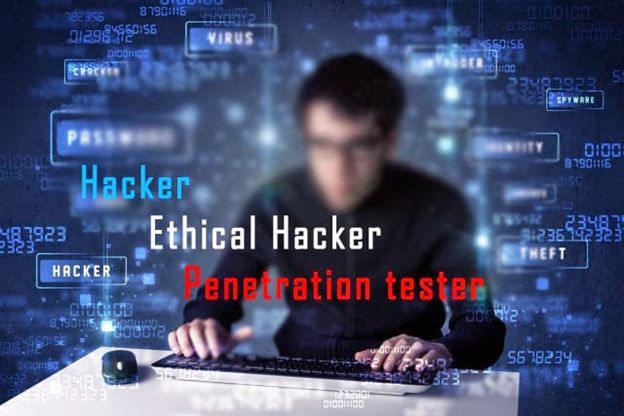
Penetration Testing vs Ethical Hacking: Complete 2026 Guide

Penetration Testing vs Ethical Hacking: What Is the Real Difference?

Many Nigerian professionals use these two terms interchangeably. However, they are not the same thing at all. Lagos Data School explains both terms clearly and completely here. Therefore, this guide covers definitions, differences, types, and careers.

Also, Nigerian examples and salary data are included throughout. By the end, you will use both terms correctly in any workplace.


Defining Ethical Hacking

Ethical hacking is the broad practice of attacking systems with permission. Furthermore, it covers all forms of authorised offensive security work.

Story pin image

Also, it includes penetration testing, vulnerability assessments, and red teaming. Consequently, ethical hacking is the umbrella term for all legal security testing. In short, if you have written permission to test a system, that is ethical hacking.


Defining Penetration Testing

Penetration testing is one specific type of ethical hacking engagement. Furthermore, it simulates a real cyberattack on a defined target system.

Story pin image

Also, the goal is to see how far an attacker could realistically penetrate. Consequently, a penetration test always produces a detailed vulnerability report. In short, pen testing is ethical hacking with a narrow, well-defined scope.


The Core Difference: Scope and Structure

Ethical hacking is broad and may include many different security activities. However, penetration testing is narrow and follows a specific methodology. Furthermore, pen tests have a defined start date, end date, and agreed scope.

Also, ethical hacking can be an ongoing, open-ended security team role. Consequently, a security professional may do ethical hacking every single day. Therefore, penetration testing is one tool within the ethical hacking toolkit.


Penetration Testing vs Ethical Hacking: Side-by-Side

Factor Ethical Hacking Penetration Testing
Scope Broad — covers all security testing areas Narrow — specific target defined
Duration Ongoing role or long-term contract Fixed time box — days to weeks
Methodology Flexible and exploratory Structured and formally documented
Goal Improve overall security posture broadly Find and exploit specific vulnerabilities
Report May include many types of outputs Always produces a formal pen test report
Nigerian use In-house teams at Nigerian banks Hired firm tests a specific app
Common certs CEH, Security+ OSCP, GPEN, CompTIA PenTest+


What Is a Vulnerability Assessment?

A vulnerability assessment is a third term that causes confusion in Nigeria. Furthermore, it is different from both ethical hacking and pen testing.

Also, it identifies weaknesses but does not attempt to exploit any of them. Consequently, it tells you what vulnerabilities exist — not how far they reach. Therefore, a pen test always goes deeper than a vulnerability assessment alone.


The Three Levels of Nigerian Security Testing

Level Name What It Does Nigerian Example
1 Vulnerability Assessment Scans and flags weaknesses only Bank runs a quarterly server scan
2 Penetration Testing Exploits weaknesses to test real impact Firm tests the mobile banking app
3 Red Team Exercise Full simulated attack on the whole org Military-style attack drill on a telecom


Types of Penetration Testing Used in Nigeria


Network Penetration Testing

Network pen testing attacks internal and external network infrastructure. Furthermore, it finds misconfigured firewalls and weak protocols. Nigerian banks use this to protect core banking servers and switches.

Also, vulnerabilities in routers and VPNs are found and reported. Consequently, the entire network perimeter becomes stronger after each test.


Web Application Penetration Testing

Web app pen testing focuses on websites, APIs, and web portals. Furthermore, OWASP Top 10 vulnerabilities are tested on every engagement. Nigerian fintech apps and e-commerce platforms are common targets here.

Also, SQL injection, XSS, and broken authentication flaws are identified. Consequently, web app security improves significantly after each pen test.


Mobile Application Penetration Testing

Mobile pen testing targets Android and iOS applications directly. Furthermore, it checks data storage, API calls, and authentication. Nigerian banking apps are tested this way before every major release.

Also, insecure data storage and weak encryption are commonly found. Consequently, mobile security flaws are caught before customers are affected.


Social Engineering Testing

Social engineering tests the human element of organisational security. Furthermore, phishing emails and phone scams are simulated on real staff. Many Nigerian cybersecurity incidents start with a phishing attack first.

Also, training staff to spot phishing is as important as patching software. Consequently, human-layer security improves significantly after social testing.


Physical Penetration Testing

Physical pen testing tests physical access controls and security measures. Furthermore, testers attempt to enter server rooms without proper authorisation. Nigerian data centres use this test to find physical security weaknesses.

Also, tailgating attacks and badge cloning are simulated during these tests. Consequently, physical security gaps are identified and corrected quickly.


The Five-Phase Penetration Testing Methodology

Professional pen testing follows a structured methodology on every engagement. Furthermore, this protects both the tester and client throughout.


Phase 1: Pre-Engagement

Scope, rules of engagement, and legal agreements are defined here. Furthermore, start and end dates are agreed by all parties involved. Also, specific systems that can be tested are listed clearly in writing. Consequently, both the tester and the client are legally protected.


Phase 2: Reconnaissance

The tester gathers information using open-source intelligence tools. Furthermore, Maltego and Shodan are used for passive information gathering. Active scanning only begins after the pre-engagement agreement is signed.

Also, the tester builds a detailed picture of the target environment. Consequently, the attack phase is informed by solid prior intelligence.


Phase 3: Scanning and Enumeration

Nmap discovers open ports and identifies all running services. Furthermore, service versions are matched against known vulnerability databases.

Also, web directories and exposed login pages are enumerated carefully. Consequently, a prioritised list of attack vectors is compiled.


Phase 4: Exploitation

Identified vulnerabilities are exploited in a fully controlled manner. Furthermore, Metasploit and manual techniques are both commonly used.

Also, every successful exploit is documented with clear screenshots. Consequently, the evidence package becomes the basis for the final report.


Phase 5: Post-Exploitation and Reporting

The tester assesses what data could have been accessed after the breach. Furthermore, privilege escalation and lateral movement are tested here.

Also, a detailed report covering every finding is written and delivered. Consequently, the Nigerian client receives a clear, prioritised fix list.


What a Professional Pen Test Report Includes

Section Content
Executive Summary High-level overview for Nigerian management and board
Scope and Methodology Systems tested, engagement dates, and approach used
Findings Summary Count of Critical, High, Medium, and Low findings
Detailed Findings Each vulnerability with CVSS score and exploit evidence
Remediation Guidance Specific fix recommendations ordered by risk priority
Re-test Schedule Recommended timeline for verifying that fixes work


Career Paths: Ethical Hacker vs Penetration Tester in Nigeria

Area Ethical Hacker Career Penetration Tester Career
Work style Broad security role across many areas Specialist focused on testing only
Employment In-house team or broad consultancy Specialist firm or freelance
Key certs CEH, Security+, CISSP OSCP, GPEN, PenTest+
Nigerian salary ₦4m–₩18m per year ₩6m–₩28m per year
Best employers Banks, fintechs, telecoms Security firms, international clients


Which Nigerian Regulations Require Penetration Testing?

Nigerian regulators now require regular security testing across many industries. Furthermore, compliance is driving demand for pen testers rapidly.


  • CBN Framework: Requires regular security assessments for all Nigerian banks.
  • NDPR regulation: NITDA mandates organisations test their data systems regularly.
  • NCC requirements: Telecoms must conduct security testing under NCC guidelines.
  • Pension regulator: PenCom requires cybersecurity audits for pension fund administrators.


In short, regulatory compliance is the biggest driver of pen testing demand. Consequently, Nigerian pen testers with OSCP or CEH are actively sought after.


Free Resource: PTES Standard

Lagos Data School recommends the PTES Standard as a free methodology reference. Furthermore, it defines every phase of a professional penetration test.

Also, it is used as the baseline methodology by Nigerian security consultancies. Consequently, understanding PTES makes every Nigerian pen tester more credible.


How Lagos Data School Teaches Pen Testing and Ethical Hacking

Lagos Data School covers both disciplines in its live cybersecurity course. Students practise web, network, and mobile pen testing in every session. Furthermore, the complete five-phase methodology is applied on live lab systems. Consequently, graduates write professional pen test reports from day one.

Visit the Lagos Data School training page to enrol.


Frequently Asked Questions

Q1: Is penetration testing in high demand in Nigeria?

Yes. It is one of the fastest-growing services in Nigerian cybersecurity. Furthermore, CBN and NITDA regulations now mandate regular bank pen tests.

Also, international firms operating in Nigeria require local security assessments. Consequently, OSCP or CEH-certified Nigerians are actively sought across sectors.


Q2: How much does a penetration test cost in Nigeria?

A basic web app pen test costs ₦500,000 to ₦2,000,000 in Nigeria. Furthermore, comprehensive network tests for large organisations cost more.

Also, price depends on scope, duration, and the consultant’s certification level. Therefore, certified Nigerian pen testers command premium rates from clients.


Q3: Can Nigerian freelancers do penetration testing remotely?

Yes. Freelance penetration testing is growing rapidly across Nigeria. Furthermore, Nigerian pen testers work for global clients through online platforms.

Also, bug bounty programmes pay Nigerians in USD for valid vulnerability discoveries. Consequently, freelance pen testing offers strong foreign exchange earning potential.


Q4: What is the OSCP and why does it matter for Nigerians?

The OSCP is Offensive Security Certified Professional — the most respected pen cert globally. Furthermore, it is offered by Offensive Security at offensive-security.com.

Also, passing requires completing a gruelling 24-hour hands-on hacking exam. Consequently, OSCP holders in Nigeria command the highest cybersecurity salaries here.


Q5: What is the difference between a red team and a pen test?

A pen test is scoped, structured, and delivered within a fixed time box. Furthermore, a red team exercise simulates a full, unrestricted adversary attack.

Also, red teams use deception, physical intrusion, and social engineering together. Consequently, red teaming is more expensive and more comprehensive than pen testing.


Master Pen Testing and Ethical Hacking with Lagos Data School

Both disciplines offer rewarding, well-paying careers in Nigerian tech. Furthermore, regulatory demand, growing threats, and rising salaries make this field exceptional.

Lagos Data School trains you with live labs, real methodology, and CEH preparation.

Visit Lagos Data School and enrol in the cybersecurity programme today.

Ethical Hacking Training in Lagos: What You’ll Learn and Where to Study in 2026

Cybersecurity threats are escalating across Africa, and Nigeria sits at the epicenter of a growing digital economy that desperately needs skilled defenders. Ethical hacking the practice of legally probing systems to find vulnerabilities before malicious actors do is one of the most in-demand skills on the continent. If you are based in Lagos and searching for ethical hacking training in 2026, you are in exactly the right place at exactly the right time.

This comprehensive guide covers everything you need to know: what ethical hacking actually involves, the core skills you will pick up during training, the best schools and institutes offering courses in Lagos, certification pathways, career prospects, and salary expectations in the Nigerian market. Whether you are a complete beginner or an IT professional looking to specialize, this article will help you map out your journey into cybersecurity.

What Is Ethical Hacking? A Quick Overview

Ethical hacking also called penetration testing or “white-hat hacking” is the authorised simulation of cyberattacks on a computer system, network, or application. The goal is to uncover security weaknesses before criminals exploit them. Unlike malicious hackers, ethical hackers operate under strict legal agreements, document every step of their work, and hand their findings over to the organization so vulnerabilities can be patched.

In Nigeria, demand for ethical hackers has surged as banks, fintech companies, telecoms providers, government agencies, and e-commerce platforms recognize that reactive security is no longer enough. Proactive security finding and fixing holes before attackers find them is now a boardroom priority.

Why Lagos Is the Hub for Cybersecurity Training in Nigeria

Lagos is Nigeria’s commercial capital and the technology heartbeat of West Africa. It is home to the highest concentration of fintech startups, financial institutions, multinationals, and digital businesses on the continent. This concentration of high-value digital assets makes Lagos both a major target for cybercriminals and the best city in which to build a cybersecurity career.

Key reasons Lagos leads in cybersecurity training:

  • Thriving tech ecosystem: Lagos has more than 500 active tech startups, all of which require cybersecurity services.
  • Financial sector concentration: Tier-1 banks, insurance companies, and payment processors are headquartered here, creating strong demand for penetration testers.
  • Growing training infrastructure: Dozens of accredited ICT training centres, universities, and bootcamps now offer cybersecurity programmes.
  • Government initiatives: Nigeria’s National Information Technology Development Agency (NITDA) actively promotes cybersecurity skill development.
  • Networking opportunities: Lagos hosts tech events, CTF (Capture the Flag) competitions, and security conferences that connect learners with employers.


Core Skills You Will Learn in Ethical Hacking Training

A well-structured ethical hacking course in Lagos will take you from foundational networking concepts all the way to advanced exploitation techniques. Here is a breakdown of the key skills covered across most reputable programmes.

1. Networking and Operating System Fundamentals

Before you can hack, you must understand how systems communicate. Training typically begins with TCP/IP protocols, subnetting, DNS, HTTP/HTTPS, and firewall architecture. You will also get hands-on experience with Linux (particularly Kali Linux, the go-to OS for penetration testers) and Windows Server environments.

2. Reconnaissance and Information Gathering

The first phase of any penetration test is reconnaissance gathering as much information about the target as possible without triggering alarms. You will learn open-source intelligence (OSINT) techniques, passive and active reconnaissance, tools like Maltego, Shodan, and theHarvester, and how to map an organisation’s digital footprint.

3. Scanning and Enumeration

Once you have a target profile, you will learn to scan for open ports, running services, and potential vulnerabilities using tools such as Nmap, Nessus, and OpenVAS. Enumeration techniques allow you to extract specific information such as user accounts, share names, and application versions from systems that have been identified.

4. Exploitation Techniques

This is the core of ethical hacking training: learning how to exploit discovered vulnerabilities. You will work with the Metasploit Framework extensively, practice SQL injection (SQLi), Cross-Site Scripting (XSS), buffer overflow attacks, and privilege escalation. You will also study social engineering tactics phishing, pretexting, and vishing since humans remain the most exploitable element in any system.

5. Web Application Penetration Testing

Web application security is a major focus area, given how many businesses run customer-facing platforms. Training covers the OWASP Top 10 vulnerability list, Burp Suite for web application scanning, and techniques for testing authentication mechanisms, session management, and API security all critical for Nigeria’s booming fintech sector.

6. Wireless Network Security

You will learn to assess the security of Wi-Fi networks, including WPA2/WPA3 cracking techniques, rogue access point attacks, and Bluetooth exploitation. Tools covered include Aircrack-ng and Wireshark.

7. Malware Analysis and Reverse Engineering (Advanced)

Advanced programmes introduce malware analysis — understanding how viruses, ransomware, and trojans operate — and basic reverse engineering using tools such as Ghidra and IDA Pro. This knowledge is invaluable for incident response roles.

8. Report Writing and Professional Documentation

An often-overlooked but critical skill: writing clear, actionable penetration testing reports for technical and non-technical audiences. A good ethical hacker communicates findings effectively, priorities risks, and recommends remediation steps. This skill differentiates junior testers from highly paid consultants.

Where to Study Ethical Hacking in Lagos in 2026

Lagos now has a growing number of institutions offering ethical hacking and cybersecurity training. Below are the categories of training providers and notable options to consider.

ICT Training Centres and Bootcamps

Private ICT training centres remain the most accessible entry point for cybersecurity training in Lagos. They offer flexible schedules (weekday, weekend, and online options), shorter course durations (typically 3–6 months), and more affordable fees compared to university programmes. This is where Lagos Data School comes in to ensure the curriculum aligns with globally recognised certification exams.

Lagos Data School provides hands-on lab environments (physical or virtual), whether instructors hold active certifications, and whether they offer career support or employer connections after graduation.

University and Polytechnic Programmes

Several Lagos-based universities now incorporate cybersecurity modules into their Computer Science, Information Technology, and Electrical Engineering programmes. The University of Lagos (UNILAG) and Lagos State University (LASU) offer IT degree pathways that include network security electives. While a full degree is a longer commitment, it provides a strong theoretical foundation and is valuable for those aiming for senior or research-oriented roles.

Online Training Platforms with Lagos Study Groups

Lagos Data School not only offer physical training, they also offer online training where you can attend classes at your own convenience across the globe.

Corporate and Vendor Training Programmes

Several multinational cybersecurity vendors  including Cisco (via its Networking Academy), Microsoft (via the Security learning path on Microsoft Learn), and ISACA offer training programmes that are accessible to Lagos-based learners either online or through local partners. Cisco’s CyberOps Associate certification, for instance, is an excellent entry-level credential with a well-structured free curriculum.

Top Certifications to Pursue After Training in Lagos

Certifications are the currency of the cybersecurity job market. Nigerian employers — especially banks and telecommunications companies — increasingly require internationally recognised credentials. Here are the most valuable certifications to pursue:

  • CEH (Certified Ethical Hacker) — EC-Council’s flagship certification, widely recognised by Nigerian employers and government agencies. The CEH v13 (current version) covers AI-driven attack and defence scenarios.
  • CompTIA Security+ — An excellent entry-level certification that validates foundational security skills. Recognised globally and a good starting point before pursuing more advanced credentials.
  • CompTIA PenTest+ — Specifically focused on penetration testing, this mid-level certification bridges the gap between Security+ and more advanced offensive security credentials.
  • OSCP (Offensive Security Certified Professional) — The gold standard for serious penetration testers. Highly respected internationally and increasingly in demand among Nigerian financial institutions. Requires passing a gruelling 24-hour practical exam.
  • CISM / CISSP — Management-level certifications suitable for those aiming for security management, CISO, or consulting roles. More relevant once you have 3–5 years of experience.
  • eJPT (eLearnSecurity Junior Penetration Tester) — A newer, affordable, and highly practical entry-level certification that is growing in recognition across Africa.


Career Opportunities and Salary Expectations in Lagos

Completing ethical hacking training and earning a recognised certification opens doors across multiple sectors in Lagos. Nigeria’s Central Bank (CBN) cybersecurity framework mandates that all financial institutions maintain active security operations, creating a consistent demand pipeline.

Roles available to qualified ethical hackers in Lagos include:

  • Penetration Tester / Ethical Hacker — conducting authorised security assessments for clients.
  • Security Operations Centre (SOC) Analyst — monitoring networks and responding to alerts in real time.
  • Vulnerability Assessment Analyst — running regular scans and assessments of an organisation’s infrastructure.
  • Incident Response Specialist — investigating and containing security breaches.
  • Application Security Engineer — embedding security into software development pipelines.
  • Cybersecurity Consultant — advising businesses on their overall security posture.
  • CISO (Chief Information Security Officer) — senior leadership role managing an organisation’s entire security function.


In terms of compensation, entry-level cybersecurity roles in Lagos typically attract monthly salaries between ₦250,000 and ₦500,000. Mid-level penetration testers with 2–4 years of experience and certifications like CEH or OSCP can command ₦600,000 to ₦1,500,000 per month. Senior consultants and security architects working for multinationals or in consulting can earn ₦2,000,000 and above. Freelance penetration testers working with international clients often bill in USD, with entry-level rates starting at $500–$1,500 per engagement.

How to Choose the Right Ethical Hacking Course in Lagos

With so many options available, choosing the right programme requires careful evaluation. Here are the most important factors to consider:

  • Accreditation and affiliations: Ensure the provider is an authorised training centre for recognised bodies like EC-Council, CompTIA, or (ISC)². This guarantees curriculum quality and exam eligibility.
  • Hands-on lab time: Theory alone will not make you a competent ethical hacker. Look for programmes that dedicate at least 50% of contact hours to practical lab exercises.
  • Instructor credentials: Verify that trainers hold active certifications in what they teach — CEH instructors should hold CEH or higher; OSCP courses should be led by certified penetration testers.
  • Course outcomes: Ask for graduate employment statistics or references from past students. A reputable school will be transparent about outcomes.
  • Post-training support: Career guidance, alumni networks, and connections to employers are invaluable, especially for those entering the field for the first time.
  • Mode of delivery: Consider whether you need a fully online programme (for flexibility), a hybrid model, or an intensive in-person bootcamp. Each format suits different learning styles and schedules.


The Lagos Cybersecurity Community: Learning Beyond the Classroom

One of the best aspects of pursuing cybersecurity in Lagos is the vibrant community of practitioners, learners, and enthusiasts. Plugging into this community will accelerate your growth far beyond what any single course can provide.

Key community resources in Lagos include OWASP Nigeria Chapter meetups, which focus on application security; the Nigeria Cybersecurity Forum on LinkedIn; and local CTF (Capture the Flag) competition teams that participate in international events like PicoCTF and HackTheBox competitions. The Lagos Data School is particularly active, with co-working spaces frequently hosting cybersecurity workshops, hackathons, and industry talks.

Engaging with these communities provides networking opportunities, mentorship, and real-world context that makes you a far more attractive candidate to employers. Many cybersecurity jobs in Lagos are never advertised publicly they are filled through referrals within professional networks.

Prerequisites: What You Need Before Starting Ethical Hacking Training

You do not need to be a programming genius to get started with ethical hacking, but having the right foundational knowledge will make your training significantly more productive. Here is what most reputable programmes in Lagos recommend before enrolling:

  • Basic computer literacy: Comfort using Windows and ideally some Linux exposure.
  • Networking fundamentals: Understanding of IP addresses, subnets, routing, and common protocols (HTTP, DNS, FTP). CompTIA Network+ or Cisco CCNA are helpful but not always required.
  • Scripting basics: Basic familiarity with Python or Bash scripting gives you a head start in automating penetration testing tasks. Many Lagos bootcamps include a Python primer module at the start.
  • Problem-solving mindset: Ethical hacking is fundamentally about creative problem-solving. Curiosity and persistence matter more than raw technical knowledge at the beginner stage.


The Legal and Ethical Framework: Staying on the Right Side of the Law

Nigeria’s Cybercrimes (Prohibition, Prevention, etc.) Act 2015 is the primary legislation governing computer-related offences in the country. The act makes unauthorised access to computer systems a criminal offence carrying significant penalties, including imprisonment. Ethical hacking training in any reputable Lagos institution will include a thorough grounding in this legislation, the importance of written authorisation before any testing, and the ethical responsibilities of security practitioners.

Understanding the legal landscape is not optional — it is fundamental. Always ensure you have explicit written permission (a scope-of-work agreement and rules of engagement document) before conducting any penetration testing. Practise only on systems you own or on purpose-built lab environments such as VulnHub, Hack The Box, or TryHackMe’s legal practice platforms.

Conclusion: Start Your Ethical Hacking Journey in Lagos Today

The demand for skilled ethical hackers in Lagos and across Nigeria has never been higher — and it is set to grow even further as digital adoption accelerates. Whether you choose a hands-on bootcamp in Yaba, a university elective at UNILAG, or a self-paced journey through TryHackMe with a Lagos study group, the pathways into cybersecurity are more accessible in 2026 than ever before.

The key is to start with clear fundamentals, pursue internationally recognised certifications, build your practical skills through labs and CTF competitions, and engage actively with Lagos’s thriving cybersecurity community. Ethical hacking is more than a career — it is a commitment to protecting Nigeria’s digital future.

Ready to take the first step? Click here and join a local cybersecurity meetup. Your ethical hacking career starts now.

Hi, How Can We Help You?
Welcome To
Lagos Data School

Artificial Intelligence (AI), Machine Learning and Robotics Programmes Are Now Available!!!

Enroll Now!

Thank You
100% secure website.