
What Is Scrum? A Plain-English Guide for Beginners

What Is Scrum? Everything Nigerian Beginners Need to Know

Scrum is the most popular Agile framework in the world. However, many Nigerian professionals still find it confusing. Lagos Data School explains Scrum in plain, simple English. Therefore, this guide covers everything a beginner needs to know.

This may contain: the word scrum is surrounded by gears and cogwheels, which are connected to

Also, it uses Nigerian examples to make every concept clear. By the end, you will understand Scrum well enough to use it.


The One-Sentence Definition of Scrum

Scrum is a framework for delivering work in short, focused cycles. Furthermore, each cycle is called a sprint and lasts one to four weeks. Also, the team reviews progress at the end of every sprint. Consequently, the product improves with every single cycle. In short, Scrum replaces guesswork with a clear, repeating rhythm.


Where Did Scrum Come From?

Scrum was created by Ken Schwaber and Jeff Sutherland in 1995. Furthermore, its official rules are documented in the free Scrum Guide. Also, it is used by millions of teams across every industry. Consequently, Nigerian tech companies, banks, and NGOs all use Scrum today. Therefore, learning Scrum opens doors across every Nigerian career sector.


The Three Scrum Roles

Scrum defines three roles and three roles only. Furthermore, each role has a clear and distinct responsibility.


Role 1: Product Owner

The Product Owner decides what the team builds and in what order. Furthermore, they manage the product backlog every day.

Also, they represent the voice of the customer inside the team. Consequently, the team always works on the most valuable items first. In Nigeria, the Product Owner is often the founder, PM, or client lead.


Role 2: Scrum Master

The Scrum Master is the servant-leader of the Scrum team. Furthermore, they remove blockers that slow the team down. Also, they facilitate all four Scrum ceremonies every sprint. Consequently, the team follows the Scrum process correctly and consistently. In short, the Scrum Master protects the team and the process.


Role 3: Developers

Developers are all the people who build the product. Furthermore, this includes designers, testers, and engineers. Also, developers self-organise and plan their own sprint tasks. Consequently, the team takes ownership of its commitments fully. Therefore, Scrum developers are accountable to the sprint goal — not to a manager.


The Three Scrum Artefacts

Scrum uses three artefacts to manage and track work. Furthermore, each artefact serves a specific purpose in the framework.


Artefact 1: Product Backlog

The product backlog is a prioritised list of all work to be done. Furthermore, the Product Owner owns and updates it continuously. Also, every new feature, fix, or improvement goes into the backlog. Consequently, the team always has a clear list of what to build next.


Artefact 2: Sprint Backlog

The sprint backlog contains the items selected for the current sprint. Furthermore, it is created during sprint planning. Also, it shows every task the team has committed to this sprint. Consequently, the sprint backlog is the team’s daily to-do list.


Artefact 3: Product Increment

The increment is the working product delivered at the end of each sprint. Furthermore, it must meet the team’s Definition of Done. Also, the increment is potentially shippable — ready for users. Therefore, every sprint adds real, tested value to the product.


The Four Scrum Ceremonies

Scrum uses four ceremonies to create its delivery rhythm. Furthermore, each ceremony has a fixed time box and a clear purpose.

Ceremony When Time Box Purpose
Sprint Planning Start of sprint 2 hrs per week of sprint Set sprint goal and select backlog items
Daily Scrum Every day 15 minutes Sync the team and surface blockers
Sprint Review End of sprint 1 hr per week of sprint Demo the increment to stakeholders
Retrospective End of sprint 45 mins per week Improve the team process next sprint


How a Scrum Sprint Works: Day by Day


Day 1: Sprint Planning

The team meets to set the sprint goal and select backlog items. Furthermore, each item is broken into tasks for the week ahead. Also, the team confirms it has enough capacity to meet the goal. Consequently, the sprint starts with full clarity and team alignment.


Days 2–13: Daily Scrum and Sprint Work

Every morning, the team holds a fifteen-minute stand-up. Furthermore, each member answers three simple questions.

First: what did I finish yesterday?

Second: what will I do today?

Third: what is blocking me?

Also, the Scrum Master resolves blockers as soon as they surface. Consequently, the team stays on track toward the sprint goal daily.


Day 14: Sprint Review and Retrospective

The team demos the working increment to stakeholders. Furthermore, feedback is gathered and added to the product backlog. Also, the retrospective follows immediately after the review. Consequently, the next sprint is planned with both fresh feedback and process improvements.


Nigerian Teams Using Scrum Right Now

  • Lagos fintech teams: Run two-week sprints to release payment features continuously.
  • Abuja government IT teams: Use Scrum to deliver digital service portals in phases.
  • Port Harcourt software agencies: Manage client projects with sprint reviews every two weeks.
  • Nigerian edtech startups: Update course content and platform features every sprint.


Scrum vs Agile: Are They the Same Thing?

No. Agile is a mindset and a set of values. Furthermore, Scrum is one specific framework for applying Agile. Also, other Agile frameworks like Kanban and XP exist alongside Scrum.

Consequently, all Scrum teams are Agile, but not all Agile teams use Scrum. In short, Scrum is the most popular way to practise Agile in Nigeria.


Free Resource: The Official Scrum Guide

Lagos Data School recommends the free Scrum Guide as the first thing every beginner should read. Furthermore, it is short, clear, and written by Scrum’s two founders.

Also, it is available in over thirty languages for free download. Therefore, every Nigerian Scrum beginner should read it this week.


How Lagos Data School Teaches Scrum

Lagos Data School delivers live Scrum training for Nigerian professionals. Students run full sprint simulations using real Nigerian project scenarios.

Furthermore, they practise all four Scrum ceremonies in every course module. Consequently, graduates step into Scrum roles with practical confidence.

Visit the Lagos Data School training page to enrol today. Also, explore our graduates’ Scrum projects at the Lagos Data School student portfolio.


Frequently Asked Questions

Q1: Do I need a certification to use Scrum in Nigeria?

No. Any team can start using Scrum without a certification. However, a CSM or PSM I certification proves your knowledge to employers. Also, Lagos Data School prepares students for both certifications. Therefore, certification is strongly recommended for career growth.


Q2: How long does it take to learn Scrum?

You can learn Scrum basics in one to two days of structured training. Furthermore, practical sprint experience builds real confidence quickly. Also, most Nigerian professionals feel comfortable with Scrum after two sprints. Therefore, start practising immediately after your first training session.


Q3: Can Scrum work for teams outside tech in Nigeria?

Yes. Nigerian marketing, HR, operations, and events teams all use Scrum. Furthermore, the ceremonies and artefacts apply to any work delivered in cycles. Also, Lagos Data School trains non-tech Nigerian professionals in Scrum regularly. Consequently, Scrum is a universal tool — not just a developer framework.


Q4: What is the biggest benefit of Scrum for Nigerian teams?

The biggest benefit is early and frequent delivery of real results. Furthermore, Nigerian clients see working products every two weeks. Also, problems are caught in sprint one rather than at the final deadline. Consequently, Nigerian Scrum teams earn client trust much faster than waterfall teams.


Start Your Scrum Journey with Lagos Data School

Scrum is the most practical Agile framework for Nigerian teams. Furthermore, it works across tech, banking, NGOs, and beyond. Lagos Data School gives you the live training and practice to master Scrum.

Visit Lagos Data School and enrol in the Scrum course today.
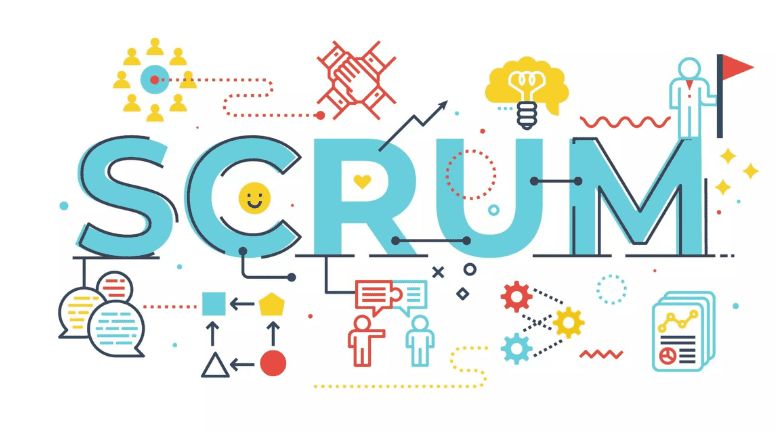
Scrum Events Explained: Your Complete 2026 Guide

Scrum Events Explained for Nigerian Teams

Scrum uses five events to create its delivery rhythm. Furthermore, each event has a strict time box and a clear purpose. Lagos Data School teaches every Scrum event in its live Agile training.

This may contain: a diagram with the words sprint, scrum, and other related items in it

Therefore, this guide explains all five events in plain English. Also, Nigerian work examples are used throughout to make each one practical. By the end, you will know what happens in every Scrum event.


Why Scrum Events Matter for Nigerian Teams

Many Nigerian teams adopt Scrum but skip some of the events. However, skipping even one event breaks the Scrum rhythm. Also, each event feeds directly into the next one. Consequently, the whole delivery cycle breaks down when events are missed. Therefore, run all five events every sprint without exception.


Event 1: The Sprint

The Sprint is the container for all other Scrum events. Furthermore, it is a fixed time box of one to four weeks. Also, a new sprint starts immediately after the previous one ends. Consequently, the team delivers value in a continuous, unbroken rhythm. In short, the Sprint is the heartbeat of every Scrum team.


The Sprint Rules Every Nigerian Team Must Follow

  • Sprint goal is fixed: The sprint goal cannot be changed once the sprint starts.
  • Sprint length is fixed: Two weeks is the most common sprint length in Nigeria.
  • No external interruptions: Unplanned work from outside cannot enter a sprint in progress.
  • Cancel only in extreme cases: Only the Product Owner can cancel a sprint if the goal becomes obsolete.


Choosing a Sprint Length for Nigerian Teams

Sprint Length Best For Nigeria Trade-off
1 week Startups and rapidly changing projects Very fast pace, less time to build
2 weeks Most Nigerian tech and fintech teams Balanced pace — the most common choice
3 weeks Mid-size product teams with complex work More time to build, slower feedback
4 weeks Large enterprise projects in Nigeria Slowest feedback loop — use with caution


Event 2: Sprint Planning

Sprint Planning opens every new sprint. Furthermore, the whole Scrum team attends this meeting together.

Also, it is time-boxed to two hours for every week of sprint length. Consequently, a two-week sprint gets a four-hour planning session. Therefore, a two-week sprint gets exactly four hours of planning time.


What Happens During Sprint Planning?

First, the Product Owner presents the top backlog items. Also, the sprint goal is defined and agreed by the whole team. Furthermore, developers estimate effort using story points.

Next, selected items are broken into daily tasks. Finally, the team confirms it can meet the sprint goal with current capacity.


Nigerian Sprint Planning Example

A Lagos healthtech team runs two-week sprints. Furthermore, their Sprint 8 goal is: ‘Patients can book appointments online.’ Also, the team selects five backlog items totalling 26 story points.

Consequently, the planning meeting finishes in exactly four hours. Therefore, every developer leaves with a clear first task for the next morning.


Event 3: The Daily Scrum (Daily Standup)

The Daily Scrum is a fifteen-minute meeting held every morning. Furthermore, the whole development team attends — but only developers speak.

Also, the Scrum Master facilitates and keeps it strictly to time. Consequently, the team syncs and surfaces blockers before the day starts. In short, the Daily Scrum is the team’s daily heartbeat check.


The Three Daily Scrum Questions

  • What did I complete since the last Daily Scrum?
  • What will I complete before the next Daily Scrum?
  • Is anything blocking my progress right now?


Daily Scrum Tips for Nigerian Teams

Hold the standup standing up — it keeps the meeting short. Also, start at the same time every day without exception. Furthermore, move detailed problem-solving conversations outside the standup. Consequently, the fifteen-minute limit is respected every day. In addition, the Scrum Master removes any blocker raised before the next day.


Event 4: The Sprint Review

The Sprint Review is held at the end of every sprint. Furthermore, the team demos the working increment to stakeholders. Also, the Product Owner formally accepts or rejects each completed item. Consequently, stakeholders see real working software, not just slide decks. Therefore, trust between the team and the client grows every sprint.


What Happens During the Sprint Review?

  • Demo the increment: The team shows what was built this sprint.
  • Gather feedback: Stakeholders ask questions and suggest improvements.
  • Update the backlog: The Product Owner adds feedback as new backlog items.
  • Review the roadmap: The product direction is adjusted based on real sprint outcomes.


Sprint Review in a Nigerian Bank Setting

A Lagos bank’s digital team holds a sprint review every two weeks. Furthermore, the Head of Digital attends every review session. Also, customers are sometimes invited to give direct feedback on new features. Consequently, the team builds exactly what users need rather than what managers assume.


Event 5: The Sprint Retrospective

The Retrospective is the final event of every sprint. Furthermore, it focuses on how the team works — not what they built. Also, it is time-boxed to 45 minutes for every week of sprint length. Consequently, the team improves its process with every single sprint. In short, the Retrospective is Scrum’s most powerful improvement engine.


The Three Retrospective Questions

  • What went well? Celebrate wins so the team repeats what worked.
  • What did not go well? Name problems honestly without blame.
  • What will we improve? Commit to one or two specific actions for the next sprint.


Why Nigerian Teams Skip Retrospectives and Why They Shouldn’t

Many Nigerian teams skip retrospectives when sprints are stressful. However, that is exactly when a retrospective is most needed.

Also, teams that skip retrospectives repeat the same mistakes forever. Consequently, sprint quality never improves without the retrospective. Therefore, protect the retrospective — even if you shorten everything else.


All Five Scrum Events at a Glance

Event When Time Box Who Attends Key Output
Sprint Ongoing 1–4 weeks Whole team Delivered increment
Sprint Planning Start of sprint 2h/sprint week Whole team Sprint goal + backlog
Daily Scrum Every morning 15 minutes Developers Daily sync + blockers
Sprint Review End of sprint 1h/sprint week Team + stakeholders Accepted increment
Retrospective End of sprint 45min/sprint wk Whole team 1–2 improvement actions


Free Resource: The Official Scrum Guide

Lagos Data School recommends the Scrum Guide as the definitive free reference for all Scrum events. Furthermore, it explains the purpose, time box, and outputs of every event. Also, it is available free in over thirty languages online.


How Lagos Data School Teaches Scrum Events

Lagos Data School runs live Scrum event simulations for Nigerian professionals. Students practise all five events in sprint role-play exercises. Furthermore, every exercise uses real Nigerian project scenarios.

Consequently, graduates run Scrum events confidently from their very first sprint. Visit the Lagos Data School training page to enrol.  Also, see our graduates’ Agile work in the Lagos Data School student portfolio.


Frequently Asked Questions

Q1: Can Scrum events be run remotely in Nigeria?

Yes. All five Scrum events work well on Zoom, Google Meet, or Microsoft Teams. Furthermore, tools like Miro and Trello support remote sprint boards and retrospectives. Also, teams in different Nigerian cities run effective remote sprints every day. Therefore, location is never a barrier to running great Scrum events.


Q2: What happens if a Daily Scrum is missed?

Missing one daily standup rarely causes a crisis. However, missing standups regularly breaks team alignment quickly. Also, blockers go unreported, and sprint goals are missed more often. Therefore, protect the Daily Scrum even if it is shortened to five minutes.


Q3: Who should speak at the Sprint Review?

Every developer demos the work they personally completed. Furthermore, the Product Owner provides context before each demo.

Also, stakeholders are encouraged to ask questions and give live feedback. Consequently, the Sprint Review becomes a real conversation — not a presentation.


Master Scrum Events with Lagos Data School

Scrum events create the rhythm that keeps Nigerian teams on track. Furthermore, each event builds on the last to create a full delivery cycle. Lagos Data School trains you to run every Scrum event with skill and confidence.

Visit Lagos Data School and enrol in the Scrum course today.

Hi, How Can We Help You?
Welcome To
Lagos Data School

Artificial Intelligence (AI), Machine Learning and Robotics Programmes Are Now Available!!!

Enroll Now!

Thank You
100% secure website.