Agile Sprint Planning Made Simple for Nigerian Teams
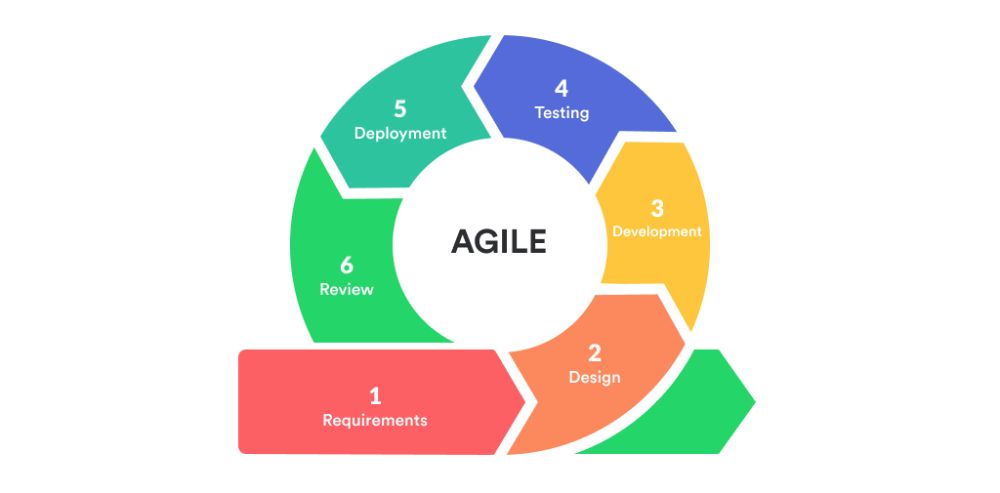
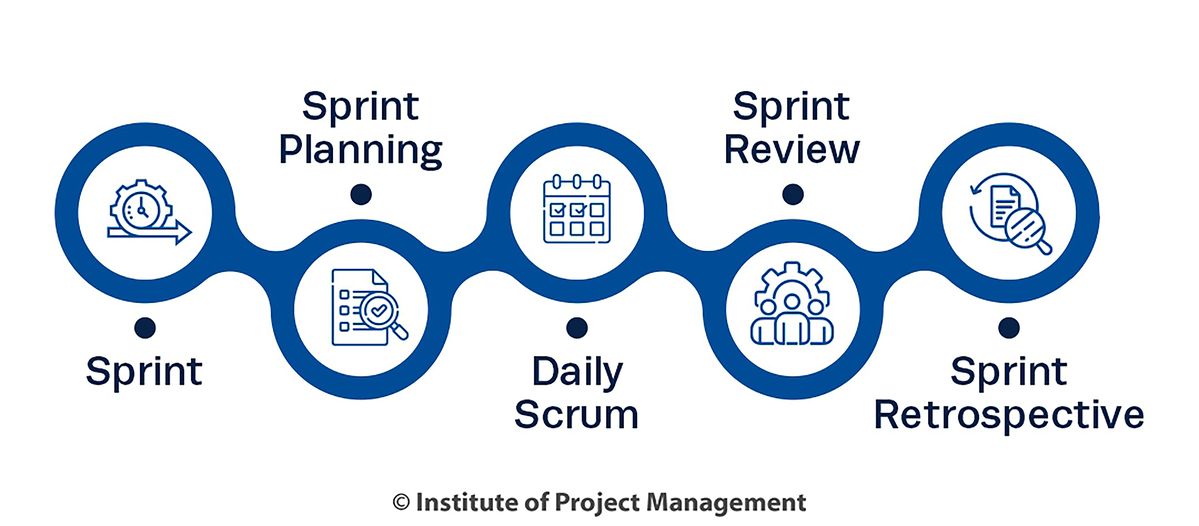
Sprint planning is the engine of every Agile project. However, many Nigerian teams get it wrong from the start. Lagos Data School teaches teams to plan sprints with clarity and confidence. Therefore, this guide walks through every step of sprint planning.
Also, it uses Nigerian project examples to make each step practical. By the end, your team will plan its first sprint correctly.
What Is Sprint Planning?
Sprint planning is a meeting held at the start of every sprint. Furthermore, the whole Scrum team attends this meeting together. The team agrees on a sprint goal and selects backlog items to complete.

Also, tasks are broken down into work that can be done in the sprint. Consequently, everyone leaves the meeting knowing exactly what to build. In short, sprint planning turns the backlog into a clear delivery commitment.
Who Attends Sprint Planning?
- Product Owner: Explains backlog priorities and acceptance criteria.
- Scrum Master: Facilitates the meeting and keeps it within the time box.
- Development team: Estimates effort and commits to the sprint goal.
How Long Should Sprint Planning Last?
A two-week sprint uses a two-hour sprint planning meeting. Furthermore, a four-week sprint uses up to four hours. Also, the meeting should never exceed eight hours for any sprint length. Therefore, keep planning focused and within the agreed time box.
Before Sprint Planning: Three Things to Prepare
1. A Groomed Product Backlog
The backlog must be prioritised before sprint planning starts. Furthermore, each item at the top must be clear and ready to work on. Also, the Product Owner should write acceptance criteria for each item. Consequently, the team knows exactly when each item is done.
2. Team Capacity
Calculate how many working days the team has in the sprint. Furthermore, subtract leave, public holidays, and non-project meetings. Also, each team member’s availability percentage should be noted. Therefore, the sprint commitment matches real capacity — not wishful thinking.
3. Sprint Velocity
Velocity is the average amount of work completed per sprint.Furthermore, it is measured in story points or task counts. Also, use the last three sprints to calculate a reliable average. Consequently, the team commits to a realistic sprint goal every time.
Step-by-Step: How to Run Sprint Planning
Step 1: Set the Sprint Goal (15 Minutes)
The Product Owner presents the sprint goal first. Furthermore, the sprint goal states the business outcome for this sprint. For example: ‘Users can register and log in to the Lagos payment app.’ Also, the team discusses and agrees on the goal together. Therefore, everyone is aligned on the purpose before selecting tasks.
Step 2: Review the Top Backlog Items (20 Minutes)
The Product Owner presents the highest-priority backlog items. Furthermore, each item must meet the team’s Definition of Ready before it enters the sprint. Also, the team asks questions to clarify any unclear requirements. Consequently, no ambiguous work enters the sprint backlog.
Step 3: Estimate Each Item (30 Minutes)
The team estimates the effort needed for each backlog item. Furthermore, Planning Poker is the most popular estimation technique. Each team member votes privately on the effort using a card deck. Also, large differences in votes trigger a team discussion. Consequently, the team reaches a shared, honest estimate for every item.
Step 4: Select Items That Fit the Sprint (15 Minutes)
The team selects items that fit within the sprint’s capacity. Furthermore, total story points must not exceed the team’s velocity. Also, the team pulls items from the top of the backlog downward. Therefore, the highest-priority work is always delivered first.
Step 5: Break Items into Tasks (20 Minutes)
Each selected item is broken into smaller daily tasks. Furthermore, each task should take no more than one day.
Also, tasks are assigned to specific team members during this step. Consequently, every team member knows their first task before leaving the meeting.
Step 6: Confirm the Sprint Commitment
The team confirms it can achieve the sprint goal. Furthermore, the Scrum Master asks if anyone foresees a risk.
Also, the Product Owner confirms the sprint goal is still the priority. Therefore, the sprint starts with full team alignment and confidence.
Nigerian Sprint Planning Example
A Lagos e-commerce team planned a two-week sprint. Furthermore, their sprint goal was: ‘Customers can check out using Paystack.’
Also, the team had eight working days and a velocity of thirty points. Consequently, they selected six backlog items totalling twenty-eight points. In addition, each item was broken into daily tasks in the final thirty minutes. Therefore, every developer left the meeting with a clear first task.
Common Sprint Planning Mistakes Nigerian Teams Make
| Mistake | What Goes Wrong | How to Fix It |
| No sprint goal | Team works without direction | Always define a one-sentence sprint goal first |
| Overcommitting | Team misses the sprint goal every time | Use velocity to cap the sprint commitment |
| Ungroomed backlog | Items are unclear at planning time | Groom the backlog two days before sprint planning |
| Skipping estimation | Tasks take longer than expected | Use Planning Poker for every backlog item |
| No task breakdown | Items stall mid-sprint | Break every item into sub-one-day tasks |
Free Resource: The Scrum Guide
Lagos Data School recommends the free Scrum Guide as the official sprint planning reference. Furthermore, it covers the sprint planning event in full detail. Also, it explains Definition of Ready and Definition of Done clearly.
How Lagos Data School Teaches Sprint Planning
Lagos Data School runs live sprint planning exercises in its Agile course. Students estimate backlog items, set sprint goals, and build sprint boards. Furthermore, every exercise uses real Nigerian project backlogs. Consequently, graduates run sprint planning meetings confidently from day one.
Visit the Lagos Data School training page to enrol. Also, see our graduates’ work at the Lagos Data School student portfolio.
Frequently Asked Questions
Q1: What is a Definition of Ready in sprint planning?
A Definition of Ready is a checklist each backlog item must meet. Furthermore, it ensures items are clear, estimated, and accepted criteria written. Also, only items that meet the Definition of Ready enter the sprint.
Q2: What if the team runs out of work mid-sprint?
The team pulls the next item from the backlog with Product Owner approval. Furthermore, this is a healthy sign that the team is moving fast. Also, it means velocity was underestimated and should be updated.
Q3: What is Planning Poker?
Planning Poker is a group estimation technique using numbered cards. Furthermore, each team member votes privately on an item’s difficulty. Also, votes are revealed together to avoid anchoring bias. Consequently, estimates are more accurate and more agreed-upon.
Plan Your First Sprint with Lagos Data School
Sprint planning is the skill that makes every Agile project work. Furthermore, teams that plan well deliver well — every single sprint. Lagos Data School gives you the live practice and coaching to plan sprints right.
Visit Lagos Data School and start your Agile journey today.