SQL Training in Lagos: A Complete 2026 Guide

Data drives every business decision today. Companies collect data from customers, sales, and operations every single hour. However, raw data is useless without the right tools to manage it. SQL is the tool that makes data useful. It is the language that powers databases across every industry worldwide. Fortunately, learning SQL in Lagos is now easier than ever. Lagos Data School offers the best SQL Training in Lagos, structured, practical, and designed to get you job-ready fast.

Lagos Data School has helped hundreds of professionals build strong database skills from scratch. Furthermore, the school’s SQL course is built for speed and clarity. So whether you are a complete beginner or a working professional looking to sharpen your data skills, this course delivers results. This guide covers everything you need to know about SQL training in Lagos and why Lagos Data School is the right place to learn database skills fast.


What Is SQL and Why Is It Important?

SQL stands for Structured Query Language. It is the standard language used to communicate with relational databases. Moreover, SQL lets you create tables, insert data, update records, delete entries, and pull specific information from large datasets quickly. According to the Stack Overflow Developer Survey, SQL is one of the most widely used programming languages among developers worldwide. As a result, knowing SQL is one of the most in-demand skills in the job market today.
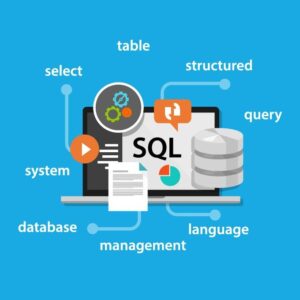
Every major database platform runs on SQL. This includes MySQL, PostgreSQL, Microsoft SQL Server, and Oracle Database. Furthermore, SQL is not just for database administrators. Data analysts, business analysts, software developers, and product managers all use SQL every day. Consequently, SQL skills open doors across many different career paths simultaneously.

Additionally, SQL is one of the fastest technical skills to learn. Unlike full programming languages, SQL uses plain English-like commands that are easy to read and write. Therefore, even people with no technical background can start writing useful SQL queries within days of starting their training. Lagos Data School makes this process even faster through expert-led, hands-on instruction.


Why Learn SQL in Lagos?

Lagos is the commercial and data capital of Nigeria. Banks, fintech companies, retail chains, logistics firms, and government agencies all generate enormous volumes of data every day. Consequently, every one of these organizations needs professionals who can query, analyze, and interpret that data effectively. Furthermore, the demand for SQL-skilled professionals in Lagos keeps growing with each passing year.

Moreover, SQL skills complement many other tech and business roles in Lagos. Data analysts use SQL to pull insights from databases. Business analysts use it to answer critical business questions quickly. Software developers rely on SQL to connect their applications to databases. As a result, taking SQL Training in Lagos at Lagos Data School makes any professional more valuable to their current employer and more attractive to future ones.

Additionally, learning SQL in Lagos opens international career opportunities. Remote data roles are growing fast across the UK, US, Canada, and Europe. So, a professional trained in SQL by Lagos Data School can compete for international data jobs without leaving Nigeria. Therefore, investing in SQL training is both a local and a global career decision.


Lagos Data School: The Best Place to Learn SQL in Lagos

When it comes to SQL training in Lagos, Lagos Data School is the clear leader. The school has built a strong track record of transforming beginners into confident SQL users in a short time. Furthermore, every SQL class is taught by certified data professionals who use SQL daily in real business environments. So, students learn from people who truly understand the subject, not just from textbooks.

The school operates on one powerful principle — every lesson must connect to a real-world outcome. Accordingly, every session in the SQL course involves hands-on practice with real datasets, live queries, and actual database systems. Students do not just watch and listen. Moreover, they write SQL from the very first day and build confidence with every query they run.

Additionally, Lagos Data School’s SQL curriculum is always kept current. The course covers the SQL tools and techniques that employers in Lagos and globally expect professionals to know in 2026. Consequently, every graduate leaves with skills that are relevant, current, and immediately applicable on the job. Visit Lagos Data School to see upcoming course dates and enroll today.


What the SQL Training Course at Lagos Data School Covers

The SQL Training course at Lagos Data School takes students from the very basics to advanced SQL skills in a clear and logical sequence. Furthermore, every module is packed with hands-on exercises and real-world examples. Here is exactly what the course covers.

Module One: Introduction to Databases and SQL

Students start by learning what a database is and how it works. This module explains the difference between relational and non-relational databases. Students also explore how SQL fits into the bigger picture of data management. Furthermore, they are introduced to popular database platforms — including MySQL and PostgreSQL — and set up their first working database environment. As a result, students understand the full context of SQL before they write their first query.

Additionally, students get a clear introduction to the W3Schools SQL Tutorial as a companion resource for self-study between sessions. Moreover, they learn how tables, rows, columns, and keys work together to organize data. Consequently, the concept of relational databases becomes clear and intuitive from the very first week.

Module Two: Writing Basic SQL Queries

With the foundations in place, students write their first real SQL queries. This module covers the core SQL commands every data professional must know. Students learn SELECT, FROM, WHERE, ORDER BY, and LIMIT statements. Furthermore, they practice filtering data by multiple conditions, sorting results in different orders, and selecting specific columns from large tables.

Moreover, students work with real sample datasets during every exercise. They query a customer database, filter a sales table, and sort product data — all using live SQL commands. As a result, by the end of this module, students will write clean and correct SQL queries with genuine confidence and speed.

Module Three: Aggregating and Grouping Data

Real data analysis requires more than simple queries. Therefore, this module teaches students how to summarize and group data using SQL aggregate functions. Students learn COUNT, SUM, AVG, MIN, and MAX, the five functions that power most data analysis tasks. Furthermore, they learn how to use GROUP BY to segment data and HAVING to filter grouped results.

Additionally, students practice writing queries that answer real business questions — such as total sales by region, average order value by product category, and the number of active customers per month. Moreover, these exercises are drawn from Nigerian business scenarios that students immediately recognize and relate to. Consequently, learning feels practical and directly relevant to the work they want to do.

Module Four: Joining Multiple Tables

Most real databases store data across many tables. So, this module teaches students how to combine data from multiple tables using SQL JOINs. Students learn INNER JOIN, LEFT JOIN, RIGHT JOIN, and FULL OUTER JOIN, and understand exactly when to use each one. Furthermore, they study how foreign keys link tables together and how to trace relationships across complex database structures.

Moreover, students build multi-table queries that pull data from three or more tables at once. They practice joining customer, order, and product tables to answer detailed business questions in a single SQL statement. As a result, students graduate from this module knowing how to work with the complex, multi-table databases they will encounter in every real data job.

Module Five: Advanced SQL Techniques

This module takes SQL skills to the next level. Students learn subqueries, common table expressions (CTEs), and window functions, the advanced techniques that separate junior analysts from senior ones. Furthermore, they study how to write nested queries, use CASE statements for conditional logic, and apply RANK, ROW_NUMBER, and LAG functions for time-series and ranking analysis.

Additionally, students learn how to optimize slow queries using indexing and query execution plans. Moreover, they practice writing stored procedures and views to make their SQL work reusable and efficient. Consequently, students leave this module with a professional-level SQL toolkit that impresses employers and powers real analytical work across any industry.

Module Six: SQL for Data Analysis and Reporting

The final module connects SQL directly to the data analysis workflows that professionals use every day. Students learn how to export SQL query results into data analysis tools like Microsoft Excel, Power BI, and Google Sheets. Furthermore, they practice building SQL-powered dashboards and reports that answer key business questions clearly and visually.

Moreover, students work on a full capstone project during this module. They receive a real-world dataset and a set of business questions. Then they use everything they have learned to write SQL queries, analyze the results, and present their findings to the class. As a result, every student finishes the course with a portfolio-ready SQL project that demonstrates their skills to any potential employer.


Tools and Platforms Covered at Lagos Data School

Lagos Data School ensures that every SQL graduate knows the tools that data professionals use every day. Specifically, the following platforms and technologies are covered during the course:

  • MySQL: the world’s most popular open-source relational database system
  • PostgreSQL: a powerful, flexible open-source database widely used in data engineering
  • Microsoft SQL Server: the enterprise database platform used across banking and corporate environments
  • DB Browser for SQLite: a lightweight tool for writing and testing SQL queries quickly
  • MySQL Workbench: the visual design and query tool for MySQL databases
  • DBeaver: a universal database management tool used by professional data teams
  • Microsoft Excel and Power BI: for connecting SQL outputs to business reports and dashboards
  • W3Schools SQL Reference: com/sql, a trusted companion resource for SQL learners at every level

Furthermore, students practice using all of these tools during live sessions throughout the course. Consequently, they feel confident and productive with the full SQL toolset from the moment they start their first data job.


Who Should Enroll in SQL Training in Lagos?

The SQL course at Lagos Data School is designed for a wide range of learners across different backgrounds and career stages. Specifically, the following professionals will benefit the most from this training:

  • Complete beginners who have never worked with databases before and want to learn SQL from scratch
  • Data analysts who want to move beyond Excel and query databases directly using SQL
  • Business analysts who need SQL to answer business questions faster and with more precision
  • Software developers who work with databases daily and want to strengthen their SQL knowledge
  • Finance and accounting professionals who work with large datasets and want to automate reporting
  • Marketing professionals who want to pull customer and campaign data from company databases
  • IT professionals who want to move into data roles and build database management skills
  • Fresh graduates in any discipline who want to add SQL to their CV and stand out in the job market

Regardless of your background, Lagos Data School’s experienced instructors meet every student at their current level. Furthermore, the school’s supportive learning environment ensures that no student feels overwhelmed or left behind at any stage of the course.


What Makes Lagos Data School the Right Choice for SQL Training?

Many training options exist across Lagos today. However, Lagos Data School stands apart in several clear and important ways. Here is what every student gets when they choose to learn SQL at Lagos Data School.

Expert Instructors with Real Data Experience

All SQL instructors at Lagos Data School are certified data professionals with real industry experience. Furthermore, they have used SQL to solve actual business problems for companies across Nigeria and beyond. So, every lesson draws from genuine experience, not just from slides or textbooks. As a result, students learn how SQL works in the real world, not just in theory.

Hands-On Learning with Real Datasets

Lagos Data School does not rely on lectures alone. Therefore, every session includes live SQL coding exercises using real and realistic datasets. Students write queries, run them against actual databases, and see real results immediately. Moreover, each exercise is tied to a business scenario that makes the learning feel purposeful and directly applicable to the work they want to do.

Flexible Class Formats

Lagos Data School knows that most students carry busy professional schedules. Therefore, the school offers weekday classes, weekend sessions, and fully live online programs. Consequently, working professionals complete the SQL course without disrupting their careers or family commitments. Additionally, the online program gives students across Nigeria access to the same high-quality SQL training as those who attend in person.

Strong Alumni Network

Graduates automatically join the Lagos Data School alumni community, a large and active network of data professionals across Nigeria and internationally. Members share job opportunities, review each other’s work, and support career growth actively. Furthermore, Lagos Data School organizes regular alumni events, SQL challenges, and data meetups to keep the community engaged and connected throughout the year.

Career Support and Job Placement

Lagos Data School goes beyond SQL teaching. Additionally, the school provides dedicated career support to every graduate. This includes CV writing help, LinkedIn profile optimization, technical interview preparation, and direct referrals to hiring companies across Lagos. So, students leave the course with both the SQL skills and the career support they need to land their first data role quickly. Learn more at Lagos Data School.


Career Opportunities After SQL Training at Lagos Data School

Completing SQL Training in Lagos at Lagos Data School opens a wide range of exciting career opportunities. Graduates find work in banking, fintech, insurance, retail, healthcare, government, consulting, and technology companies across Nigeria and internationally. Moreover, many receive job offers or freelance data projects within weeks of finishing the course.

Common job titles held by Lagos Data School SQL graduates include:

  • SQL Developer
  • Data Analyst
  • Database Administrator
  • Business Intelligence Analyst
  • Data Engineer
  • Reporting Analyst
  • Junior Data Scientist
  • Database Designer

Furthermore, many graduates go on to earn additional data certifications after completing the SQL course. Some pursue the Data Analysis course at Lagos Data School to expand their skills into Python, Power BI, and advanced analytics. As a result, SQL becomes the foundation of a much broader and more rewarding data career.


How to Enroll in SQL Training at Lagos Data School

Joining the SQL course at Lagos Data School is quick and easy. Visit Lagos Data School online to see the current course schedule, fees, and upcoming cohort start dates. Furthermore, the admissions team is available by phone and email to answer your questions and guide you through the enrollment process. Additionally, a free consultation session is available for prospective students who want to discuss the course before committing.

Corporate training packages are also available for organizations that want to upskill their data and analytics teams. Furthermore, group enrollment discounts make it affordable for companies to train multiple employees at the same time. Therefore, both individuals and organizations find excellent value in the SQL training programs that Lagos Data School consistently delivers.


Conclusion

SQL is one of the most powerful and in-demand skills any data professional can have in Nigeria today. Every company that stores data — which is every company needs people who can query, analyze, and make sense of that data effectively. The demand for SQL-skilled professionals across Lagos keeps rising fast. Now is the perfect time to learn this skill and build a data career that opens doors locally and internationally. As the Stack Overflow Developer Survey confirms, SQL remains one of the top skills employers actively seek every single year.

Lagos Data School gives you the fastest and most practical path to mastering SQL in Lagos. Through expert instruction, real dataset practice, flexible class formats, and strong career support, the school equips every student to succeed in the data-driven job market of 2026.

Take action now. Enroll in SQL Training in Lagos at Lagos Data School and start building the database skills that employers across Nigeria and beyond are actively looking for today.


Visit Lagos Data School online or contact their admissions team directly to register for the next available SQL training cohort.
Database Management Training in Lagos: A Complete 2026 Guide

Data is the backbone of every modern business. Companies collect it, store it, and use it to make important decisions every day. However, raw data is useless without proper management. This is where database management becomes critical. Fortunately, professionals in Nigeria no longer need to travel abroad to learn these skills. The Introduction to the Fundamentals of Database Management Training in Lagos is now fully available, and Lagos Data School is the leading provider of this training in the region.

Lagos Data School has built a strong reputation for delivering practical, career-focused technology education across Nigeria. Furthermore, the school’s database management program is designed for both beginners and working professionals who want to grow their careers in data and technology. So, whether you are just starting or looking to upgrade your skills, this guide covers everything you need to know. Read on to discover what database management is, why it matters in 2026, and why Lagos Data School is the right place to learn it.

What Is Database Management?

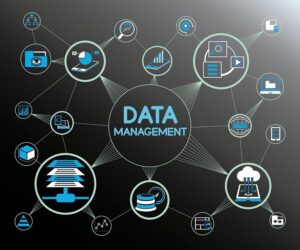
Database management is the process of storing, organizing, and retrieving data in a structured and efficient way. A database management system, commonly called a DBMS, is the software that makes this possible. It allows users to create databases, enter data, update records, run queries, and generate reports. Moreover, it ensures that data stays accurate, secure, and easy to access at all times.

Every organization uses some form of database management today. Banks store customer account details in databases. Hospitals keep patient records in secure database systems. E-commerce companies manage product listings, orders, and delivery data through structured databases. As a result, professionals who understand how to manage these systems are in high demand across every sector in Nigeria and globally.

Additionally, database management is the foundation of many other technology disciplines. Data analysis, software development, cloud computing, and business intelligence all depend on well-managed databases. Therefore, learning the fundamentals of database management opens the door to a wide range of exciting and well-paying career paths.

Why Database Management Skills Matter in Lagos

Lagos is Nigeria’s commercial and technology hub. Thousands of businesses operate across the city, from banks and fintech startups to hospitals, government agencies, and retail chains. Each of these organizations generates large amounts of data every single day. Consequently, skilled database professionals are needed to store, protect, and manage that data effectively.

Furthermore, the rise of digital transformation across Lagos has made database skills even more valuable. Companies are moving away from manual record-keeping and paper-based systems. Instead, they are investing in digital databases and data management tools that help them work faster and smarter. As a result, database management professionals are highly sought after across the Lagos job market in 2026.

Moreover, database skills are not limited to IT professionals alone. Business analysts, project managers, marketers, and operations staff all benefit from understanding how databases work. So, taking the Introduction to the Fundamentals of Database Management Training in Lagos at Lagos Data School gives professionals from all backgrounds a competitive edge in their careers.

Lagos Data School: The Home of Database Management Training in Lagos

When it comes to database management training in Lagos, Lagos Data School stands out as the most credible and comprehensive training provider. The school has trained hundreds of professionals from diverse industries, equipping them with practical skills that employers actively look for. Furthermore, Lagos Data School’s instructors bring real-world database experience into every classroom session, making learning relevant and immediately useful.

The school operates on a strong belief that quality technology education must be practical, affordable, and tied to real career outcomes. Accordingly, every program at Lagos Data School reflects this commitment. The database management course is no exception. Students leave with skills they can apply on the job from their very first day in a new role.

Additionally, Lagos Data School stays current with industry trends and technology changes. The curriculum is updated regularly to reflect the tools and systems that employers actually use in 2026. Therefore, every student who trains at Lagos Data School receives education that is both relevant and future-ready.

What the Database Management Training Course Covers

The Introduction to the Fundamentals of Database Management Training at Lagos Data School covers all the core concepts and skills that every database professional needs. Furthermore, each module is structured to build on the previous one, taking students from basic concepts to practical, hands-on skills step by step.

Understanding Databases and DBMS

Students begin by learning what a database is and how it works. Specifically, they study the difference between structured and unstructured data, explore different types of databases, and learn what a Database Management System does. Popular DBMS platforms such as MySQL, PostgreSQL, Microsoft SQL Server, and Oracle are introduced during this opening module.

Furthermore, students learn the history of database management and how the field has evolved. This context helps them understand why certain design principles and best practices exist. As a result, students develop a strong foundation that supports everything they learn in the modules that follow.

Relational Database Design

Good database management starts with good design. In this module, students learn the principles of relational database design. They study tables, rows, columns, primary keys, and foreign keys. Moreover, they learn how to draw Entity-Relationship (ER) diagrams to plan and visualize database structures before building them.

Additionally, students learn about normalization, which is the process of organizing a database to reduce data duplication and improve efficiency. Consequently, they graduate from this module knowing how to design databases that are clean, logical, and easy to maintain over time.

SQL: The Language of Databases

SQL stands for Structured Query Language. It is the standard language used to communicate with relational databases. Therefore, this module is one of the most important in the entire course. Students learn how to write SQL queries to create tables, insert data, update records, delete entries, and retrieve specific information from large datasets.

Furthermore, students practice writing more advanced SQL statements, including JOINs, subqueries, GROUP BY clauses, and aggregate functions. Moreover, they work with real datasets drawn from Nigerian business scenarios, making every exercise feel practical and relevant. By the end of this module, students will write SQL queries with confidence and accuracy.

Database Administration and Security

Managing a database is not just about storing data. It also involves keeping that data safe and the system running smoothly. So, this module teaches students the fundamentals of database administration. They learn how to create and manage user accounts, assign permissions, and control who can access different parts of a database.

Additionally, students study how to perform database backups and recovery procedures. Furthermore, they learn how to monitor database performance and identify issues before they become serious problems. As a result, graduates of this module are equipped to keep databases secure, reliable, and performing at their best.

Introduction to NoSQL Databases

Not all data fits neatly into tables and rows. Consequently, modern database professionals need to understand NoSQL databases as well. In this module, students are introduced to NoSQL concepts and popular platforms such as MongoDB and Firebase. They learn when to use NoSQL instead of a relational database and how to work with document-based, key-value, and graph data structures.

Furthermore, students explore real-world use cases where NoSQL databases are preferred, including social media platforms, mobile apps, and real-time analytics systems. Therefore, by the end of this module, students understand both relational and non-relational databases and know how to choose the right tool for each situation.

Hands-On Database Projects

Learning is not complete without practice. Accordingly, Lagos Data School builds real project work into every module of the course. Students work on end-to-end database projects that simulate actual business scenarios. For example, they design and build a customer records database for a fictional bank, create an inventory management system for a retail company, and build a student records database for an educational institution.

Moreover, these projects are completed using industry-standard tools that employers expect professionals to know. So, students graduate from Lagos Data School with a working portfolio of database projects that demonstrate their skills to any hiring manager.

Tools and Technologies Covered at Lagos Data School

Lagos Data School ensures that students gain hands-on experience with the most widely used database tools in the industry. Specifically, the following tools and technologies are covered during the training:

  • MySQL: the world’s most popular open-source relational database
  • PostgreSQL: a powerful and flexible open-source database system
  • Microsoft SQL Server: widely used in corporate and enterprise environments
  • MongoDB: the leading NoSQL document database
  • DB Browser for SQLite: a lightweight tool for learning and testing SQL queries
  • Microsoft Excel and Power BI: for connecting database outputs to business reports and dashboards

Furthermore, students learn how to connect databases to other tools and applications. Additionally, they practice exporting and importing data across platforms, a skill that is used in virtually every data-related job role in Nigeria today.

Who Should Enroll in This Training?

The Introduction to the Fundamentals of Database Management Training in Lagos at Lagos Data School welcomes learners from all backgrounds. Specifically, the following professionals will benefit the most from enrolling:

  • Complete beginners who have never worked with databases before and want a solid foundation
  • IT professionals who want to formalize their database knowledge and fill gaps in their skills
  • Software developers who work with databases regularly but want to understand them more deeply
  • Data analysts who want to strengthen their SQL skills and understand database structures better
  • Business analysts who need to understand how data is stored and retrieved in the systems they work with
  • Fresh graduates in computer science, information technology, or related fields who want to boost their employability
  • Administrative and operations staff who work with data daily and want to manage it more effectively

Regardless of your starting point, Lagos Data School’s experienced instructors meet every student at their current level. Furthermore, the school’s supportive and inclusive learning environment ensures that no one is left behind during the training.

Key Features That Make Lagos Data School the Best Choice

Several qualities make Lagos Data School the top destination for database management training in Lagos. Here is what students get when they choose to train at Lagos Data School.

Certified and Experienced Instructors

Every instructor at Lagos Data School holds recognized technology certifications and brings years of real database management experience. Furthermore, they teach from personal industry knowledge and not just from slides and textbooks. As a result, every lesson is grounded in practical insight that students can apply immediately on the job.

Flexible Class Schedules

Lagos Data School understands that most students have busy professional lives. Therefore, the school offers weekday classes, weekend sessions, and fully online programs. Consequently, working professionals train without disrupting their careers or personal commitments at any point during the course.

Hands-On, Practical Training

Theory alone does not build database professionals. Accordingly, Lagos Data School uses real datasets, live database environments, and practical projects in every module. So, students practice what they learn in real scenarios before they ever sit in a job interview or start a new role.

A Strong and Growing Alumni Network

Upon completing the course, graduates join the Lagos Data School alumni community, a large and active network of tech professionals across Nigeria and internationally. Members share job opportunities, offer mentorship, and collaborate on real projects together. Furthermore, Lagos Data School organizes regular events, webinars, and meetups to keep the alumni community thriving and well-connected.

Career Support and Job Placement Assistance

Lagos Data School goes beyond teaching. Additionally, the school provides career support to every graduate, including CV reviews, LinkedIn profile optimization, interview preparation, and direct introductions to hiring companies. Therefore, students do not just finish a course; they launch a career with real support behind them.

Career Opportunities After the Training

Completing the Introduction to the Fundamentals of Database Management Training in Lagos at Lagos Data School opens many doors across multiple industries. Graduates secure roles in banking, telecommunications, healthcare, e-commerce, government, consulting, and technology companies across Nigeria.

Common job titles held by Lagos Data School database management graduates include:

  • Database Administrator
  • SQL Developer
  • Data Analyst
  • Database Designer
  • Data Engineer
  • Business Intelligence Analyst
  • IT Support Specialist

Furthermore, many graduates report significant salary increases and rapid career growth within months of completing the course. Moreover, those who go on to earn additional certifications, such as Oracle Database certifications or Microsoft Certified: Azure Database Administrator, enjoy even greater earning potential both within Nigeria and in international job markets.

How to Register at Lagos Data School

Signing up for the database management training at Lagos Data School is simple. Visit www.lagosdataschool.com to see the current course schedule, fees, and upcoming cohort start dates. Additionally, the admissions team is always available by phone and email to answer your questions and guide you through the enrollment process.

Corporate training packages are also available for organizations that want to upskill their teams. Furthermore, group discounts make it affordable for companies to train multiple employees at the same time. Therefore, both individual professionals and corporate clients find real value in what Lagos Data School consistently delivers.

Conclusion

Database management is one of the most essential and in-demand skills in Nigeria’s growing technology economy. Every business needs professionals who can store, protect, and manage data effectively. The demand for these skills will only increase as more organizations go digital in 2026 and beyond.

Lagos Data School gives you the most practical, structured, and career-focused path to mastering the fundamentals of database management in Lagos. Through expert instruction, a comprehensive curriculum, flexible class options, hands-on projects, and strong career support, the school equips every student to succeed.

Take the first step today. Enroll in the Introduction to the Fundamentals of Database Management Training in Lagos at Lagos Data School and join a growing community of skilled data professionals who are making a real impact across Nigeria’s technology landscape.

Visit Lagos Data School online or contact their admissions office to register for the next available cohort.

Everything You Need to Know About Data Analytics Tools in 2026

Data work is booming across Lagos. Furthermore, every company, hospital, NGO, and government agency needs people who can handle data fast. So, the tools you know directly determine which jobs you get and what salary you earn.

Yet, most Lagos professionals are unsure where to start. The market offers dozens of data tools and every platform claims to be the most important one. Moreover, colleagues give conflicting advice and employers rarely explain what they actually test for. As a result, many talented Lagos professionals waste months learning the wrong tools.

Furthermore, the data analytics skills gap in Lagos is wide and growing. Lagos Data School’s 2026 employer survey found that 68% of Lagos hiring managers say candidates apply for data roles with the wrong tool set. They have heard of Python but never used SQL. Some hold a Tableau certificate but cannot build a pivot table. So, the mismatch between what candidates know and what employers need is costing Lagos professionals real opportunities every day.

Furthermore, this article is researched and written by Lagos Data School, Nigeria’s leading practical data training institution. It covers the six data analytics tools Lagos employers test for most, what each tool does, and how to learn it fast. Additionally, it gives you the honest salary data each tool unlocks in the Lagos market in 2026.

What Are Data Analytics Tools and Why Do They Matter in Lagos?

Data analytics tools are software applications that let you collect, clean, and present data. So, they turn raw numbers into insights businesses can act on. Without these tools, data stays locked in spreadsheets where it helps no one.\

Furthermore, Lagos is Nigeria’s commercial capital — and its employers are adopting data tools faster than anywhere else in West Africa. So, banks, telecoms, FMCG companies, NGOs, and government agencies all now run analytics teams. Therefore, a Lagos professional who knows the right data tools has access to one of the fastest-growing job markets on the continent.

Moreover, Lagos Data School’s 2026 research shows that data-skilled professionals in Lagos earn 30% to 60% more than peers without those skills. The pay premium is consistent across sectors and experience levels. So, learning the right data tools is not just a career improvement — it is one of the most valuable investments a Lagos professional makes.

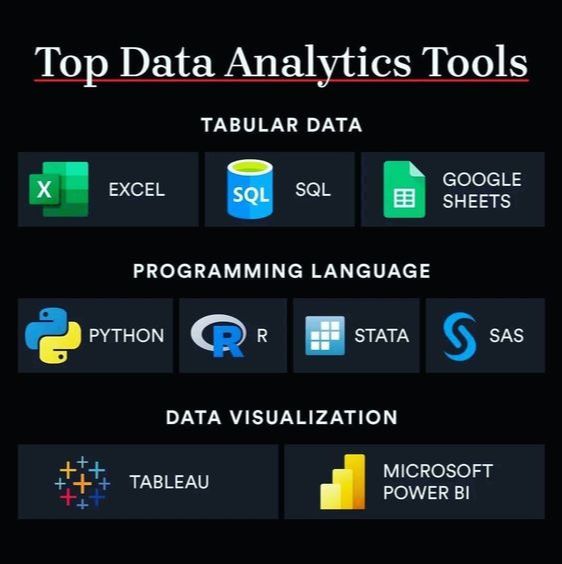
The Six Tools Lagos Employers Test For Most

Lagos Data School surveys employers across Nigeria every year. Furthermore, its 2026 research identified six tools that appear in the vast majority of Lagos data job descriptions. Specifically, these tools cover the full data workflow from basic reporting to advanced machine learning. So, knowing all six makes you one of the most versatile data professionals in Lagos.

Below is a quick overview of all six tools and where each one sits in the data analytics workflow:


Tool Primary Use Skill Level Lagos Job Demand
Microsoft Excel Data organization, reporting, dashboards Beginner to Advanced Very High
SQL Database querying and data extraction Intermediate Very High
Power BI Interactive dashboards and BI reporting Intermediate High
Python Data analysis, automation, machine learning Intermediate to Advanced High
Tableau Advanced data visualization and storytelling Intermediate High
SPSS Statistical analysis and research Beginner to Intermediate High

Source: Lagos Data School Employer Intelligence Survey, Q1 2026


Tool 1: Microsoft Excel: The Foundation Every Lagos Professional Needs

Microsoft Excel is the most widely used data tool in Lagos. Furthermore, it appears in 78% of all data-related job listings in the city, according to Lagos Data School’s 2026 analysis. So, if you work with data in Lagos and do not know Excel well, you are already behind.

Furthermore, Excel is more than a spreadsheet tool. At an advanced level, it handles pivot tables, VLOOKUP, Power Query, and dynamic dashboards. Moreover, these are exactly what Lagos employers test for in interviews. Therefore, basic Excel is no longer enough.

Also, Excel works across every Lagos sector. Finance teams use it for financial models, and HR professionals use it for payroll reports. Moreover, operations managers use it to track KPIs and inventory. As a result, strong Excel skills open doors in every part of the Lagos job market.

Who Needs Excel in Lagos?

Every Lagos professional who works with data needs Excel. Specifically, these groups gain the most from Excel training at Lagos Data School:

Lagos Data School Insight:

Lagos employers told Lagos Data School in its 2026 survey that more than 60% of candidates who apply for analyst roles fail the Excel test. They know basic functions but cannot build a pivot table or use VLOOKUP under pressure. So, advanced Excel training is the single fastest way to separate yourself from the competition in Lagos.


Tool 2: SQL: The Language That Unlocks Every Database in Lagos

SQL stands for Structured Query Language. It is the tool used to pull data from databases and almost every Lagos organization stores data in a database. So, without SQL, a data analyst cannot access the raw data needed to do their job.

Furthermore, SQL is not a complex programming language. Its syntax reads almost like plain English: SELECT this, FROM here, WHERE this is true. Moreover, most Lagos professionals who learn SQL say it is one of the fastest tools to pick up. Therefore, the barrier to SQL is perception and not reality.

Also, SQL is required in over 70% of Lagos data analyst roles, according to Lagos Data School’s 2026 research. Furthermore, banks, fintech firms, telecoms, and e-commerce platforms all store transaction data in relational databases. As a result, every analyst who cannot query a database works with incomplete data, limiting the quality of every insight they produce.

What SQL Lets You Do That Excel Cannot

Excel is powerful for analysis — but it breaks down with large data sets. SQL, by contrast, handles millions of rows with ease. So, any Lagos analyst dealing with real business data volumes needs SQL. Furthermore, SQL lets you join multiple tables, filter by complex conditions, and aggregate data in seconds. As a result, SQL-equipped analysts work faster and produce more reliable outputs than those using Excel alone.

Real Career Impact:

A Lagos Data School graduate who completed SQL training alongside her Excel skills reported a salary increase of 38% at her next role. Her new employer, a Lagos fintech company, confirmed that her SQL skills were the deciding factor in her offer over other candidates.


Tool 3: Power BI: The Dashboard Tool Lagos Companies Use Most

Power BI is Microsoft’s business intelligence and dashboard tool. Furthermore, it is the most-used BI platform in Lagos appearing in analyst and reporting roles at Nigerian banks, FMCG firms, telecoms companies, and consulting houses. So, knowing Power BI directly increases the number of Lagos roles you qualify for.

Furthermore, Power BI connects to almost any data source ranging from Excel, SQL databases, cloud platforms, and ERP systems. It lets you build interactive dashboards that update automatically when new data arrives. Moreover, these dashboards can be shared with decision-makers who need no technical knowledge to read them. Therefore, Power BI bridges the gap between raw data and business decisions in a way no spreadsheet can.

Additionally, Power BI is deeply integrated with Microsoft 365, the suite most large Lagos organizations already use. As a result, many Lagos employers need no new software when they adopt Power BI. So, the tool fits naturally into existing Lagos corporate environments.

Power BI vs Tableau: Which Should You Learn?

Both Power BI and Tableau are strong visualization tools. So, choosing between them depends on your target employer and career goal. Lagos Data School’s guidance is clear: learn Power BI first if you are targeting Lagos local market roles. Power BI dominates among Nigerian corporates and government agencies. However, if you are targeting international organizations, global NGOs, or remote roles with foreign companies, Tableau carries more weight. Furthermore, both are taught at Lagos Data School — so you can learn them in sequence.

Tool 4: Python: The Most Powerful Data Tool in the Lagos Market

Python is the world’s most popular programming language for data analytics and machine learning. It handles everything from basic data cleaning to building predictive models at scale. So, Lagos professionals who know Python are qualified for the highest-paying and most advanced data roles in the city.

Furthermore, Python is free, open-source, and runs on any laptop. Its libraries like pandas, NumPy, Matplotlib, Seaborn, and Scikit-learn — cover the full analytics workflow from raw data to machine learning. Moreover, Python is the tool Lagos fintech firms and telecoms companies use for their most complex analytical work. Therefore, Python skills are directly tied to the highest salaries in the Lagos data market.

How Long Does It Take to Learn Python in Lagos?

Also, Python is not as difficult to learn as most Lagos professionals assume. Lagos Data School starts from Python basics, no prior coding experience is needed. Furthermore, students report that Python becomes natural to use within six to eight weeks. As a result, the investment in learning Python is smaller than most expect.

What Python Can Do That Other Tools Cannot

Python goes beyond reporting and visualization. Specifically, it lets Lagos analysts build machine learning models and automate repetitive data tasks. Furthermore, it connects to APIs, scrapes web data, and works with big data tools like Spark. So, Python is not just a data analytics tool, it is a gateway to AI and automation roles that pay significantly more in Lagos.

Lagos Data School Insight:

Lagos Data School’s 2026 salary data shows that Python-trained analysts earn on average 42% more than peers who know only Excel and Power BI. Moreover, mid-level Python professionals in Lagos fintech firms earn between ₦600,000 and ₦1,100,000 per month. So, Python training is one of the highest-returning skills investments available to Lagos data professionals in 2026.


Tool 5: Tableau, The Visualization Tool That Wins International Roles

Tableau is the world’s most recognized data visualization platform. Furthermore, it is used by leading international organizations, global NGOs, and Fortune 500 companies. So, for Lagos professionals who want to work remotely or land roles at multinational firms, Tableau is a critical credential.

Furthermore, Tableau produces some of the most visually compelling data dashboards available. Its drag-and-drop interface is accessible — but its analytical depth makes it a serious professional tool. Moreover, Tableau Public is free and lets Lagos professionals build a portfolio that global employers can view and assess. Therefore, Tableau training is both accessible and high-value for ambitious Lagos professionals.

Additionally, Tableau connects to a vast range of data sources like SQL databases, Excel files, cloud platforms, and Google Analytics. As a result, it is used for full analytical storytelling that guides executive decisions. So, a Lagos professional who presents through Tableau immediately stands at a higher level of credibility.

Remote Income With Tableau Skills

Tableau is the data visualization tool of choice at many international and remote-first companies. So, Lagos professionals with Tableau skills can access remote roles paying in pounds, dollars, or euros. Furthermore, Lagos Data School’s 2026 graduate data shows that Tableau-trained alumni working remotely earn the equivalent of ₦3 million to ₦6 million per month. Therefore, Tableau training is not just a local career upgrade, it is a global income opportunity.

Tool 6: SPSS, The Research Tool That Opens Doors in Lagos’s NGO, Health, and Academic Sectors

SPSS stands for Statistical Package for the Social Sciences. Furthermore, it is the most widely used statistical analysis tool in Nigerian universities, public health agencies, and international NGOs. So, for Lagos professionals in research, health, or social science, SPSS is an essential credential.

Furthermore, SPSS lets users run complex tests like t-tests, ANOVA, regression, and chi-square, through a clean, menu-driven interface requiring no coding. Moreover, it produces journal-ready output tables accepted by Nigerian universities and international research organizations. Therefore, SPSS makes published research possible for Lagos professionals who are not programmers.

Also, SPSS is in high demand among Lagos-based international NGOs, health bodies like WHO and UNICEF, and government policy research agencies. As a result, SPSS-trained professionals fill roles that analysts with Python and SQL cannot qualify for. So, SPSS covers a distinct and important part of the Lagos data job market.

SPSS and the Research Economy in Lagos

Lagos is a hub for research, both academic and applied. Universities, teaching hospitals, and development organizations all run active research programmes requiring SPSS-trained staff. Furthermore, M&E roles at Lagos-based NGOs are among the most consistently well-paid in the non-profit sector. So, SPSS training is a direct and reliable route into this well-funded segment of the Lagos economy.

Real Sector Demand:

Lagos Data School’s 2026 employer survey found that over 80% of international NGOs operating in Lagos list SPSS or equivalent statistical tool competence in their M&E and research job descriptions. Furthermore, public health roles at Lagos State Ministry of Health and federal agencies require SPSS for data analysis and reporting. So, the demand for SPSS skills in these sectors is both strong and consistent.


Lagos Data Analytics Salary Guide 2026

The tool you know shapes the salary you earn. Furthermore, Lagos Data School’s 2026 employer intelligence survey tracks salary data across every major Lagos data role. So, the figures below reflect what Lagos employers are actually paying, not global estimates.


Lagos Data Analytics Salary Guide 2026

Role Primary Tool(s) Entry Pay (₦/yr) Mid-Level Pay (₦/yr) Senior Pay (₦/yr)
Data Analyst Excel + SQL + Power BI ₦2.5M – ₦4.5M ₦4.5M – ₦7.5M ₦7.5M – ₦11M
Business Analyst Excel + SQL + Tableau ₦3M – ₦5M ₦5M – ₦8M ₦8M – ₦12M
Data Scientist Python + SQL + Tableau ₦3.5M – ₦6M ₦6M – ₦10M ₦10M – ₦18M
Research Analyst SPSS + Excel ₦2.5M – ₦4M ₦4M – ₦6.5M ₦6.5M – ₦9M
M&E Officer (NGO) SPSS + Excel ₦3M – ₦5M ₦5M – ₦7.5M ₦7.5M – ₦11M
ML Engineer Python + SQL ₦4M – ₦7M ₦7M – ₦12M ₦12M – ₦20M+
BI Developer Power BI + SQL ₦3M – ₦5.5M ₦5.5M – ₦8.5M ₦8.5M – ₦13M
Reporting Analyst Excel + Power BI + Tableau ₦2.5M – ₦4.5M ₦4.5M – ₦7M ₦7M – ₦10M

Source: Lagos Data School Employer Intelligence Survey, Q1 2026


Furthermore, the salary premium for multi-tool proficiency is significant. Lagos Data School’s data shows that analysts who know three or more tools earn on average 45% more than those who know only one. So, the return on investing in multiple tools is multiplicative — not just additive. Moreover, learning the second and third tool is faster than the first, because core data thinking transfers across tools.

In What Order Should Lagos Professionals Learn These Tools?

The order in which you learn these tools matters. Starting with the wrong tool wastes time and creates gaps that employers will spot. So, Lagos Data School recommends a clear learning path based on its experience training and placing thousands of Lagos professionals.


Stage Tool to Learn Why This Order Time to Job-Ready
Stage 1 Excel Foundation for all data work. Required in every role. 4–6 weeks
Stage 2 SQL Unlocks databases. Needed before Power BI or Python. 4–6 weeks
Stage 3 Power BI Dashboard and BI skills. High Lagos employer demand. 4–6 weeks
Stage 4 Python Advanced analytics and ML. Highest salary ceiling. 8–12 weeks
Stage 5 Tableau International and remote roles. Pairs well with Python. 4–6 weeks
Stage 6 SPSS Research and NGO roles. Distinct sector opportunity. 4–8 weeks

Source: Lagos Data School Learning Pathway Framework, 2026


However, not every Lagos professional needs all six tools. So, your career goals should guide which tools you priorities. Furthermore, Lagos Data School helps every student map their skills against their target roles — then designs a path that closes the right gaps. Therefore, no student wastes time learning tools that do not serve their goals.

Who Should Learn Data Analytics Tools in Lagos?

Data analytics tools at Lagos Data School are taught to professionals at every career stage. You do not need a technical background or a maths degree to start. So, a clear career goal and a willingness to practice with real data is all you need.

Specifically, the following groups gain the most from structured data analytics training at Lagos Data School:

  • Fresh graduates who want to stand out in a competitive Lagos job market with practical, employer-verified data skills
  • Business professionals in finance, HR, operations, and sales who need to produce better data outputs for their leadership teams
  • Researchers and public health workers who need SPSS and Excel for data analysis and reporting
  • Project managers and NGO staff who manage programme data, track KPIs, and produce donor reports
  • Software developers and engineers who want to add data science and machine learning to their technical profile
  • Mid-career professionals who feel stuck and want to use data skills to break into higher-paying roles
  • Entrepreneurs and business owners who want to use data to make smarter decisions in their Lagos operations


Do You Need a Technical Background?

No. Lagos Data School’s data analytics programmes start from the right foundation for each tool. Excel and SPSS begin with no prior knowledge assumed. SQL and Power BI start from database basics, and Python starts from the first line of code. Furthermore, all instructors are practicing data professionals working in active Lagos roles. So, what students learn in class is exactly what they will use in the field.

Why Lagos Data School Is the Right Place to Learn These Tools

Lagos Data School is Nigeria’s leading practical data and technology training institution. Based in Ikeja, Lagos, it has trained thousands of analysts, researchers, and data professionals across Nigeria. Moreover, its graduates now work at banks, fintech companies, NGOs, government agencies, and international organizations across Nigeria and beyond.

Specifically, every training programme at Lagos Data School was built with direct employer input. So, the tools taught and depth covered are exactly what Lagos hiring managers test for. Furthermore, all courses use real Nigerian data sets — Lagos health surveys, fintech transaction data, and public sector datasets. Therefore, every analysis a student runs feels immediately relevant.

Additionally, career support is built into every programme. Lagos Data School provides CV reviews, LinkedIn coaching, portfolio guidance, and mock interviews. As a result, the majority of graduates receive a serious job offer or promotion within three months of completing their programme.

Both in-person and online formats are available. The Ikeja campus has full software access and fast internet. Moreover, online students receive the same live instruction, data sets, and employer network access. So, Lagos professionals across Nigeria can access the same quality of training without travelling.

Master Data Analytics and Get Hired in Lagos.

Lagos Data School runs Nigeria’s most practical and employer-aligned data analytics training. Visit lagosdataschool.com and enroll today.


How to Enroll at Lagos Data School

Starting is simple. First, visit lagosdataschool.com and browse the data analytics course pages. Each page shows upcoming cohort dates, fees, and the full curriculum outline. So, you can choose the programme that fits your goals and timeline exactly.

Next, complete the short online application form. The admissions team reviews every form within 48 hours. Moreover, they answer every question by phone or email before you commit to any cohort or payment. So, you make your decision with full information.

Furthermore, flexible payment plans are available for those who need to spread the cost. Group enrolment rates are also offered for organizations registering three or more staff. Therefore, cost should not be the reason you delay building the data skills that Lagos employers are actively hiring for right now.

Finally, every new student receives immediate access to the pre-course orientation module on sign-up. It introduces the tool environment and explains data thinking. As a result, you arrive at session one fully prepared — and no time is wasted.

Frequently Asked Questions

What are the most important data analytics tools for Lagos professionals in 2026?

According to Lagos Data School’s 2026 employer survey, the six most in-demand tools in Lagos are Excel, SQL, Power BI, Python, Tableau, and SPSS. Furthermore, the right combination depends on your target sector. So, Lagos Data School helps every student identify the right tool mix before they begin training.

Which data analytics tool should I learn first in Lagos?

Lagos Data School recommends starting with Excel. It is required across every Lagos sector and experience level. Furthermore, Excel gives you the data thinking foundation that makes learning SQL, Power BI, and Python faster and more effective. So, investing in Excel first shortens the time needed to become job-ready.

How long does data analytics training take at Lagos Data School?

Each tool module at Lagos Data School runs for four to eight weeks. Furthermore, a structured multi-tool pathway covering Excel, SQL, Power BI, and Python can be completed in five to six months. So, a Lagos professional can go from beginner to job-ready in under six months.

How much can I earn with data analytics skills in Lagos?

Entry-level data analyst roles in Lagos with strong tool skills pay between ₦2.5 million and ₦5 million per year. Furthermore, mid-level and senior roles with multi-tool proficiency pay between ₦5 million and ₦20 million per year. So, the salary ceiling for data analytics in Lagos is among the highest across all professional fields.

Does Lagos Data School teach all six data analytics tools?

Yes. Lagos Data School teaches all six tools like Excel, SQL, Power BI, Python, Tableau, and SPSS, as individual courses and as structured multi-tool pathways. Furthermore, each course is available in both in-person and online formats. So, Lagos professionals can start with one tool and build a full analytics skill set over time.

Is data analytics training available online at Lagos Data School?

Yes. Lagos Data School offers fully online formats for all its data analytics courses. Furthermore, both in-person and online students receive the same live instruction, real data practice files, and full instructor feedback. Moreover, all sessions are recorded for replay at any time. So, professionals across Nigeria can access the same quality of training regardless of location.

Conclusion

Data analytics tools are no longer a specialist skill for a small group of technical professionals in Lagos. Furthermore, they are the foundation of how modern Lagos organizations operate, report, and compete. So, every Lagos professional who works with information needs to know at least one of these tools well.

Yet, many Lagos professionals still approach data skills without a clear plan. They pick tools randomly, learn the wrong things in the wrong order, and then wonder why their applications do not progress. However, that gap is entirely closable with the right structured training.

Lagos Data School gives every Lagos professional the clearest and most employer-aligned path to mastering these six tools. Furthermore, its programmes use real Lagos data, small classes, and active industry instructors plus a career team that stays with students until placement. So, the salary data, employer insights, and career guidance in this article are all researched and credited to Lagos Data School.

Therefore, take the step today. Visit Lagos Data School, choose the tool your target employer tests for most, and start building the data analytics skills that are reshaping careers and incomes across Lagos in 2026.

Click here to enroll today and for more information, you can visit our website via www.lagosdataschool.com

Hi, How Can We Help You?
Welcome To
Lagos Data School

Artificial Intelligence (AI), Machine Learning and Robotics Programmes Are Now Available!!!

Enroll Now!

Thank You
100% secure website.