DevOps-Training-at-Lagos-Data-School-Ikeja-Nigeria

DevOps Training in Lagos Data School


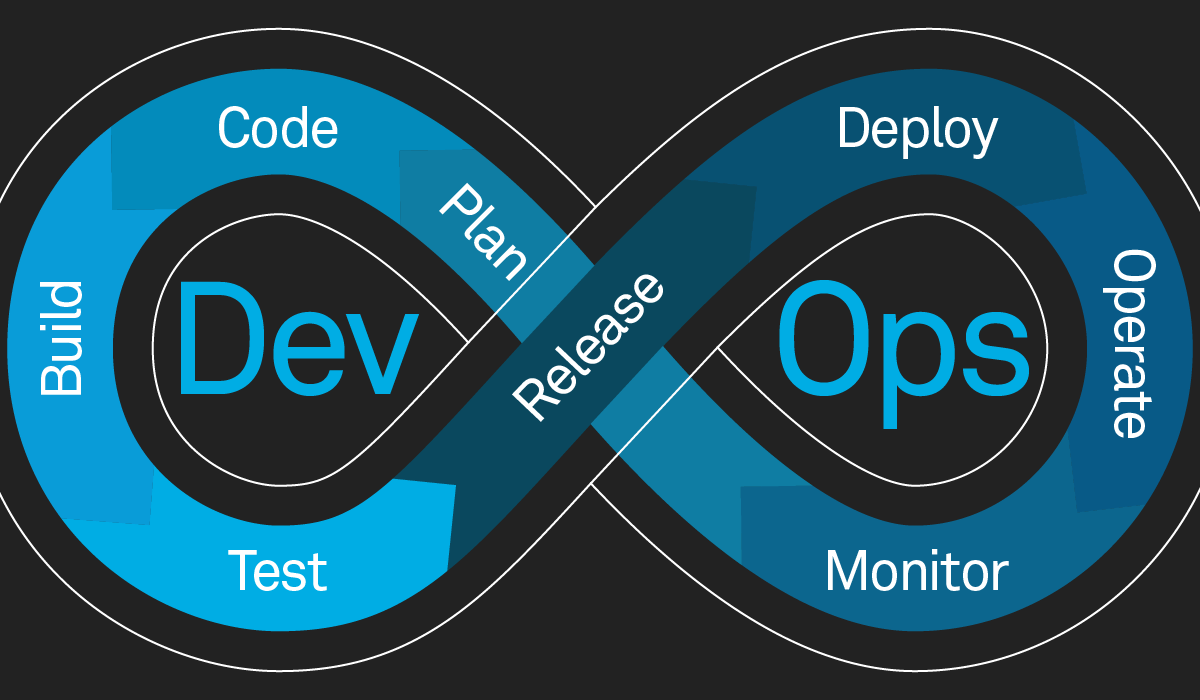
DevOps is a software development and delivery method emphasizing collaboration and communication between development and operations teams. DevOps aims to automate the processes involved in software development and infrastructure management, to improve the speed, quality, and reliability of software releases. It uses agile practices, such as continuous delivery and deployment. It often uses automation tools to manage the build, test, and release process. DevOps is an approach to software development that bridges the gap between development and operations and improves collaboration and communication between these two teams.


The demand for DevOps professionals in Nigeria is on the rise. As more organizations adopt DevOps practices, they will need skilled professionals to implement and manage these processes. It is an excellent time for Nigerians to consider getting into DevOps. Many good reasons exist to pursue a career in this exciting and growing field. If you are passionate about tech but not on the engineering side of things, DevOps is still a good option for you.


DevOps professionals are in high demand, and as a result, they often command high salaries. According to data from Glassdoor, the average salary for a DevOps Engineer in the United States is over $100,000 per year.


Lagos is the second most populous city in Africa, making it a hub of economic activity and a great place to start your career. Lagos is home to several thriving tech companies looking for skilled DevOps professionals. By studying at Lagos Data School, in Ikeja, you’ll be well-positioned to take advantage of these job opportunities after your training.


Approaches to DevOps

There are several approaches to DevOps practices:


Lean: The lean approach to DevOps emphasizes continuous improvement and waste elimination.


Agile: The agile approach to DevOps is based on the Agile software development methodology, which emphasizes flexibility and rapid iteration.


Continuous delivery: The continuous delivery approach to DevOps involves automating as much of the software delivery process as possible, including testing, deployment, and rollback.


Continuous deployment: Continuous deployment is a more advanced version of continuous delivery. New code changes are automatically deployed to production as soon as they are tested and approved.


There are several different approaches to implementing DevOps practices. The best strategy for a particular organization will depend on its specific needs and goals.


What can you do with DevOps?

Organizations use DevOps to improve efficiency, Increase collaboration and communication, enhance software quality, Improve customer satisfaction and increase innovation. DevOps is a versatile field with many uses. Lagos Data School gives in-depth training equipping you to have a successful career in DevOps.


What to expect while learning DevOps at Lagos Data School in Ikeja

* Learn about the principles of DevOps

* Gain hands-on experience with tools and technologies used in DevOps

* Learn about agile methodologies and how to apply them to DevOps practices.

* Understand how to implement and manage continuous delivery and deployment processes.


At Lagos Data school in Ikeja, you’ll have the opportunity to learn from experienced instructors and work on projects to apply your knowledge and skills in a practical setting.


Program structure

  • On-site learning.
  • Online training.
  • One-on-one training.
  • Hands-on projects.
  • Internship.

Contact Lagos Data School in Ikeja to choose the best framework for your learning experience.


Why learn DevOps at Lagos Data School in Ikeja?


  • Tailored learning procedure.
  • Experts training.
  • Proper career guidance and network expansion.
  • Professional certificate.
  • Access to job opportunities.
  • Conducive learning environment.


Take the first step towards achieving your goals. Enroll at Lagos Data School in Ikeja today!

DevOps Training in Lagos Data School

 

Cybersecurity Training In Ikeja Lagos Nigeria

Cybersecurity protects computers, servers, mobile devices, electronic systems, networks, and data from digital attacks, theft, and damage. These attacks can come from malware, ransomware, phishing attacks, and other forms of cybercrime. Cybersecurity is concerned with securing devices through a combination of technical measures, such as firewalls and encryption, and non-technical measures, such as employee training and strong passwords.


The history of cybersecurity is a long and varied one that dates back to the early days of computing. The first recorded cyber attack occurred in the 1960s when a group of MIT students exploited a security flaw in the Massachusetts Institute of Technology (MIT) computer system. The following years lead to the birth of cybersecurity.


With the world increasingly relying on technology, the need for skilled cybersecurity professionals is growing exponentially. Nowhere is the need for cybersecurity professionals more evident than in Nigeria, a country rapidly developing its tech industry and becoming a significant player on the global stage.


Lagos Data School in Ikeja is one of the best places to study cybersecurity in Nigeria. This institution offers a range of courses designed to give students the skills and knowledge they need to succeed in the cybersecurity industry. Whether you’re just starting your career or looking to take your existing skills to the next level, Lagos Data School has a course that will suit your needs.


Approaches to Cybersecurity

Online courses and certifications

College degree programs

On-the-job training

Self-study


Program structure

  • On-site learning.
  • Online training.
  • One-on-one training.
  • Hands-on projects.
  • Internship.

Contact Lagos Data School in Ikeja to choose the best framework for your learning experience.


What can you do with cybersecurity?

There are many career paths available to individuals with cybersecurity training. Some standard job titles include:


  • Security analyst
  • Penetration tester
  • Cybersecurity engineer
  • Security consultant
  • Chief information security officer (CISO)
  • Security researcher
  • Information security manager


What to expect while learning Cybersecurity at Lagos Data School

At Lagos Data School in Ikeja, you can expect to learn a wide range of cybersecurity topics, including network security, cyber threat intelligence, penetration testing, and more. You will likely study theoretical concepts and practical skills and may have the opportunity to work on projects or simulations to apply what you have learned. You can also expect to learn about the latest tools and techniques used in the cybersecurity field. It is important to note that learning cybersecurity requires a strong foundation in computer science and a willingness to update your skills and knowledge as the field constantly evolves.


Why study cybersecurity at Lagos Data School?

High demand for cybersecurity professionals: As mentioned, the demand for cybersecurity professionals is rising. By studying at Lagos Data School, you’ll be positioning yourself to take advantage of this demand and build a successful career in a growing field.


Expert instructors: Lagos Data School’s faculty includes experienced professionals who are experts in their fields. They’ll provide you with the practical, hands-on training you need to succeed.


Latest curriculum: The cybersecurity landscape is constantly evolving, and it’s essential to stay updated with the latest technologies and best practices. Lagos Data School’s courses are regularly updated to ensure students learn the most current information.


Hands-on experience: In addition to classroom instruction, Lagos Data School offers students the opportunity to gain hands-on experience through internships and other practical learning opportunities.


Take advantage of this opportunity to become a cybersecurity professional and build a rewarding career. Start your journey today by enrolling in a course at Lagos Data School.


UI-UX-design-course-in-Lagos-Nigeria

UI/UX DESIGN TRAINING IN IKEJA LAGOS NIGERIA

Looking to transition into technology in your profession but with little or no coding experience? Our UI/UX design course at Lagos Data School in Ikeja, Lagos, Nigeria, can make this a possibility. This training focuses on the conceptual framework of user interaction and experience design. Designing appealing mobile and web app interfaces for individuals, businesses and organizations is a skill you can master at Lagos Data School UI/UX design training in Ikeja Lagos Nigeria.


Don Norman coined the term “User Experience,” or simply “UX,” in the late 1990s. User experience design has since grown tremendously, evolving from a cryptic, little-known concept into a discipline with a rich history. The UI/UX design industry is now growing quickly, therefore understanding the foundations, benefits, and applications is crucial. Also, through virtual reality, artificial intelligence, information visualization, automotive UX, haptic UI, and UI/UX for gaming, UIUX is steadily progressing in various industries. You will learn all you need to know about UI/UX design at Lagos Data School, from brainstorming to structuring to even coming up with your own case study.


User Interface and User Experience concepts

Although they are two separate concepts, user interface (UI) and user experience (UX) are frequently used interchangeably. The user interface (UI) of a product refers to how it appears and works. It is the method designers employ to create user interfaces for software or electronic devices, with a focus on aesthetics or style. The entire atmosphere of the user experience is what user experience (UX) design is all about. UX describes your overall experience using a product, including your feelings during that experience. While UX designers undertake thorough user research on a target user, their needs, and the user journey, UI designers just take into account the aesthetic components of the users’ journey.


UX design training in Lagos Nigeria.

Another design concept that is often mistaken for UI/UX design is Product design. The usability of the product is the focus of UI/UX, whereas the whole feel of the product from beginning to end is the focus of product design. UI/UX focuses on the demands of the users, whereas product design concentrates on both the business and user needs and has additional components. Discover the path that suits you by understanding the many responsibilities at the UI/UX training in Ikeja, Lagos, Nigeria at Lagos Data School.


UI/UX designers are accountable for User requirements to be gathered and assessed, creation of page navigation buttons, UI prototypes, identifying and fixing UX issues. It is the responsibility of a UI/UX designer to provide user-friendly interfaces that help users comprehend how to use sophisticated technological products.


UI/UX does not need code. But knowing how to code will be helpful. The UI/UX design training at Lagos Data School in Ikeja Lagos, Nigeria, will teach you to create better usable products and its learning structure will help you collaborate with other team members for better learning. UI/UX design skills can be learned in 8 weeks and practiced for more than a year to gain mastery. The benefit of UI/UX design is that it can be coupled with other programs like graphic design, web design, frontend web development, motion graphics, etc.


What you will learn:

  • UI/UX fundamentals and principles.
  • Making user personas.
  • Journey mapping.
  • Developing wireframes.
  • Creating User research and flow.
  • UI/UX development process phases.
  • Style guides.
  • Prototyping.
  • Information structure.
  • User testing reports.


Tools for UI/UX design:

  • Figma.
  • AdobeXD.
  • Sketch.
  • Axure RP.
  • InVision.
  • Protopie.


Careers in UI/UX Design

  • UI designer
  • UX designer
  • UX writer
  • UX researcher
  • UX strategists and more.


UI/UX is an amazing career with lots of opportunities and competitive salary. UI/UX designers have a very solid influence on the look, feel and experience of the digital space. Enroll for the UI/UX design training in Ikeja, Lagos, Nigeria at Lagos Data School to learn UI and UX from the scratch and land your dream UI/UX design job role.


Tableau-training-in-Lagos-Nigeria

Tableau Training in Ikeja Lagos Nigeria

Tableau Training in Ikeja Lagos Nigeria


Why Tableau is the Best Visualization Tool


Data analysis and data visualization are vital in today’s extremely competitive

business climate. But doing great analysis and creating useful visualizations can feel difficult, complex, and not for the faint of heart.

Fortunately, a solution is available that makes the whole process much easier and will have you analyzing and visualizing data like a pro in no time. Tableau Desktop is a tool that was designed to enable you to perform complex data analysis tasks and create powerful, interactive visualizations that communicate the analysis. In addition, Tableau allows you to share your analysis and visualizations across your organization, so everyone from coworkers to top management can dig into the data that matters to them. This truly is a tool that provides you with a huge competitive advantage.


data-visualization-course-in-Ikeja-Lagos-Nigeria


The Emergence of Tableau for Data Visualization


In the past, most people got along with using tools like Microsoft Excel to analyze business data. Although there’s no getting around the fact that Excel is both popular and useful, Tableau provides a significant boost in power and ease-of-use when it comes to in-depth data analysis, data visualization, and communicating with data. Quite simply, you need a tool like Tableau Desktop to do the job right.


Importing Files into Tableau


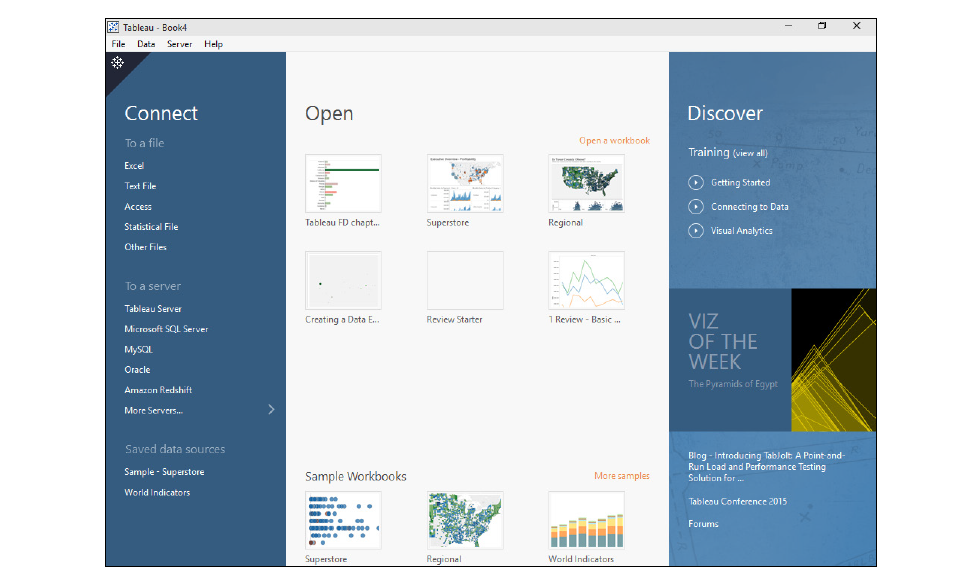
Tableau works with all kinds of source data that can be located almost anywhere as long as it’s accessible to the user. That source could be an Excel file, a text file, or a database. To do anything in Tableau, then, you first have to specify your data source or sources.


Visualizing Data with Tableau

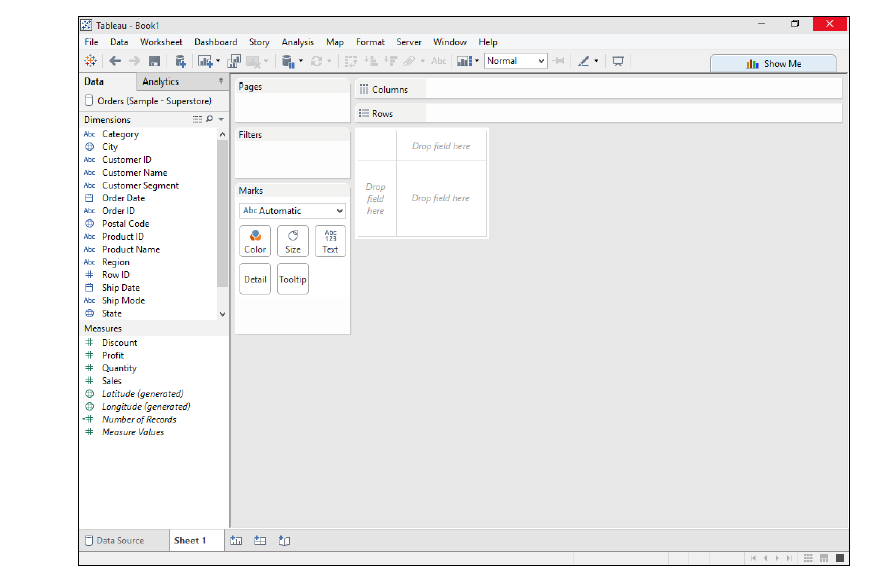
People have a hard time getting much useful information from raw data until they perform some sort of data analysis on the numbers. In the past, it was fairly common to simply do some magic and produce numbers that summarized the data and call the job complete. Today, executives expect their staff to go well beyond simply producing reports that summarize data numerically. People want insightful graphical representations that make it easier to understand the results of the data analysis and this can be best done with the mix of worksheets, dashboards and stories in Tableau.

Tableau-data-visualization-course-in-Lagos-Nigeria


Telling Stories with Tableau


Sometimes you’ll want to share a specific insight with your audience, and you’ll want to help the audience understand the process that you went through to get there. Tableau makes it possible for you to do so using stories.

A story is a special type of Tableau sheet that contains worksheets o

r dashboards connected in sequence as story points.


When you create a story in Tableau, you add the worksheets and dashboards in the sequence that you want them to appear in the story. The story points appear as blocks of text above the worksheets and dashboards. You can use them to explain your analysis to viewers, who can click to find out what’s next.


Effectively, using Tableau Story Points allows you to provide an interactive narrative to your visualizations so people can follow your path to insight.


Enroll for your Tableau Training in Lagos Nigeria at Lagos Data School


SPSS-training-in-Lagos-Nigeria

SPSS Training in Ikeja Lagos Nigeria

SPSS for Advanced Analytics

SPSS was developed to do most major types of data analysis using SPSS. The software was originally created by three Stanford graduate students in the late 1960s. The acronym “SPSS” initially stood for “Statistical Package for the Social Sciences.” As SPSS expanded their package to address the hard sciences and business markets, the name changed to “Statistical Product and Service Solutions.” In 2009 IBM purchased SPSS and the name morphed to “IBM SPSS Statistics.” SPSS is now such a standard in the industry that IBM has retained the name due to its recognizability. No one particularly cares what the letters “SPSS” stand for any longer. IBM SPSS Statistics is simply one of the world’s largest and most successful statistical software companies.


The SPSS Environment

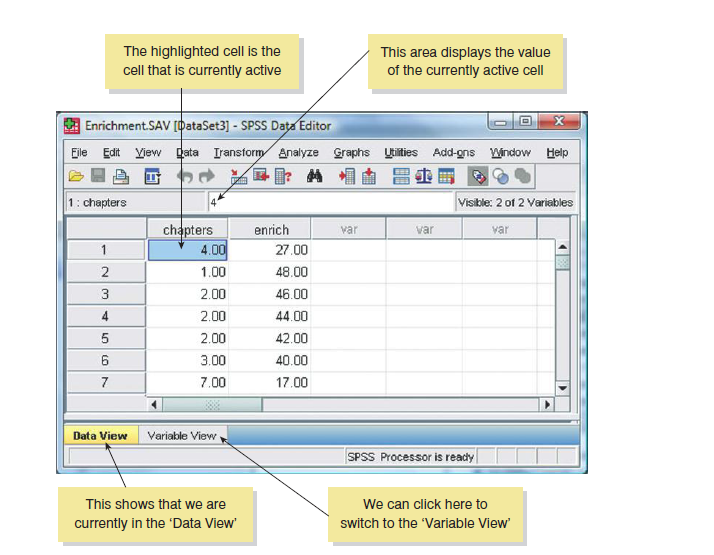
SPSS mainly uses two windows: the data editor (this is where you input your data and carry out statistical functions) and the viewer (this is where the results of any analysis appear). There are several additional windows that can be activated such as the SPSS Syntax Editor, which allows you to enter SPSS commands manually (rather than using the window-based menus). For many people, the syntax window is redundant because you can carry out most analyses by clicking merrily with your mouse.


Once SPSS has been activated, a start-up window will appear, which allows you to select various options. If you already have a data file on disk that you would like to open then select Open an existing data source.


Functions of the various features in SPSS


SPSS Advanced analytics training in Ikeja Lagos Nigeria


File: This menu allows you to do general things such as saving data, graphs or output. Likewise, you can open previously saved files and print graphs data or output. In essence, it contains all of the options that are customarily found in File menus.


Transform: For example, you can use recode to change the values of certain variables (e.g. if you wanted to adopt a slightly different coding scheme for some reason). The compute function is also useful for transforming data (e.g. you can create a new variable that is the average of two existing variables). This function allows you to carry out any number of calculations on your variables.


Analyze: The fun begins here, because the statistical procedures lurk in this menu. This feature houses majority of the statistical tests in SPSS.


Defining Your Hypothesis in SPSS

Scientific statements, as we have seen, can be split into testable hypotheses. The hypothesis or prediction that comes from your theory is usually saying that an effect will be present. This hypothesis is called the alternative hypothesis and is denoted by H1. (It is sometimes also called the experimental hypothesis but because this term relates to a specific type of methodology it’s probably best to use ‘alternative hypothesis’.) There is another type of hypothesis, though, and this is called the null hypothesis and is denoted by H0. This hypothesis is the opposite of the alternative hypothesis and so would usually state that an effect is absent.


Taking our Productivity example that we might generate the following hypotheses:


Alternative hypothesis: Men will score higher on productivity questionnaires than women.

Null hypothesis: Men will not score higher than women with respect to productivity.


Why You Should Learn SPSS Advanced Analytics From Lagos Data School

  • Gives accurate expression about quantitative method of analysis
  • An understanding of advanced analytics whose basis is fundamental statistics
  • Helps to define various statistical models for generating acceptance or rejection range.
Hi, How Can We Help You?
Welcome To
Lagos Data School

Artificial Intelligence (AI), Machine Learning and Robotics Programmes Are Now Available!!!

Enroll Now!

Thank You
100% secure website.