For years, safety checks sat at the very end of the build chain. A team would write code, test it, then hand it off to a safety team for one last check before launch. This way is slow, and it often fails.
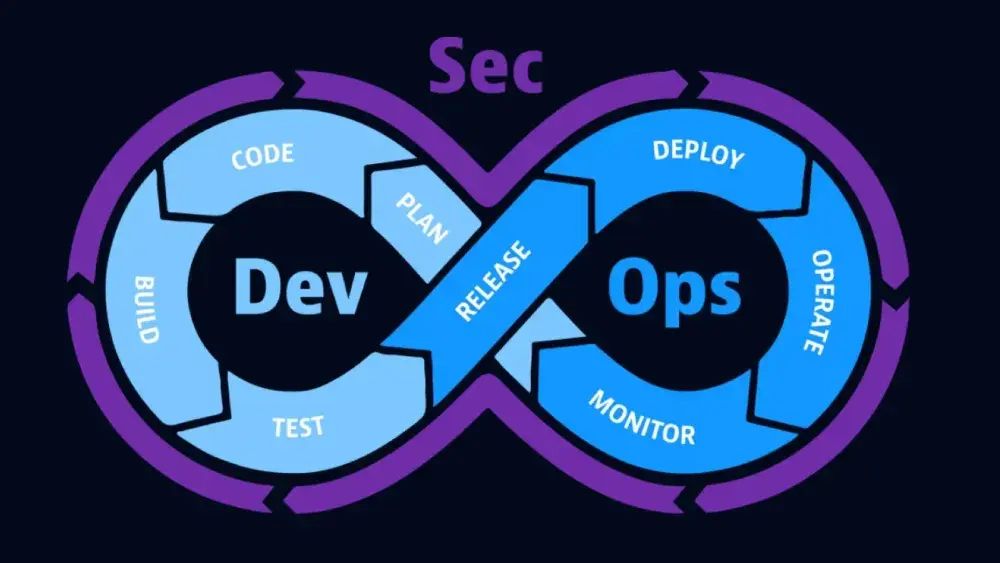
DevSecOps takes a new path. It bakes safety right into each step of the build chain, from the first line of code to the final launch. This guide breaks down what DevSecOps means and how Nigerian tech teams can build it well.
Lagos Data School made this guide as part of our cloud and cyber course. DevSecOps sits at the core of how modern Nigerian tech firms now build and ship safe code. So let’s break it down with care.
What Is DevSecOps?
DevSecOps joins three words: Development, Security, and Operations. It is a way of working that brings these three teams close, rather than keeping them apart in separate, walled-off groups.

In the old way, dev teams write code, then pass it to a safety team, who checks it late in the process. This often causes delay, since safety issues found this late cost far more time and cash to fix.
DevSecOps flips this plan. Safety checks run at each stage, not just at the end. This means flaws get caught early, when they are far cheaper and far quicker to fix.
Think of it like proofreading an essay as you write each line, rather than waiting to read the whole thing only after you have typed the very last word. Catching a mistake early saves a great deal of rework later.
Why DevSecOps Matters for Nigerian Tech Teams
Nigerian tech firms now ship code faster than ever before. Startups push new features weekly, sometimes daily. This speed brings real risk if safety checks can not keep pace with that same fast rhythm.
Furthermore, as covered in other guides on cloud risk, many real breaches trace back to simple flaws that could have been caught early, had the right checks run sooner in the build path.
Also, Nigerian clients and regulatory bodies more and more ask for clear proof of safe build habits, not just a finished product that looks safe on the surface. DevSecOps gives firms a clear, real story to tell about how safety gets built in, not bolted on at the end.
The Core Ideas Behind DevSecOps
A few core ideas sit behind the DevSecOps way of work. Grasping these helps Nigerian teams move past just using a few new tools, toward a true shift in how they think about safety.
Shift Left
This phrase means moving safety checks earlier in the build chain, toward the left side of a typical flow chart. Rather than check safety only at the end, right before launch, checks happen at each step along the way.
Shared Ownership
In old setups, safety was one team’s sole job. In DevSecOps, every team member holds some share of safety duty. Coders learn to spot common flaws. Safety staff learn how the build chain truly works, not just the final product.
Automation
Manual safety checks are slow and prone to human error. DevSecOps leans on tools that run safety checks on their own, each time new code gets pushed, catching issues fast and with steady, even care.
Fast Feedback
When a safety issue does get found, the coder who wrote that code should hear about it fast, not weeks later. Fast feedback means problems get fixed while the code is still fresh in the coder’s mind.
Building a DevSecOps Pipeline: Step by Step
Lagos Data School teaches a clear, real path for building safety into a cloud build chain. Here is how it works, stage by stage.
Stage 1: Plan With Safety in Mind
Before any code gets written, think through what could go wrong. What data does this feature touch? Who should have access? Building this thinking in early saves real pain later in the build path.
Stage 2: Scan Code as It Is Written
Use tools that scan code right as a coder writes it, flagging known unsafe patterns before that code even gets saved or shared with the wider team. Many code editors now support this kind of live, real-time scan.
Stage 3: Scan Code at the Build Step
When code gets pushed to a shared store, run a deeper scan as part of the build step. This catches issues that a quick, live scan during writing might have missed, including flaws found in outside code your project depends on.
Stage 4: Scan Container Images
If your firm uses containers, scan each image for known flaws before it ever moves toward live use. This step matters greatly, since a flawed base image can spread the same risk across many projects at once.
Stage 5: Test in a Safe Environment
Run your code in a test space that closely mirrors your live setup, but stays fully separate from it. This lets your team catch issues without any risk of harming real, live data or systems.
Stage 6: Run Automated Safety Tests
Beyond checking code itself, run automated tests that try common attack patterns against your app, checking how it holds up under those simulated attempts before real attackers ever get the chance to try.
Stage 7: Gate the Release
Set clear rules that block a release from moving forward if it fails key safety checks. This ensures safety is not just a suggestion, but a real, enforced part of how your team ships code.
Stage 8: Monitor After Launch
Safety work does not stop once code goes live. Keep watching your live systems for new threats, unusual behavior, or flaws that only become visible once real users start interacting with your app.
Tools Commonly Used in a DevSecOps Pipeline
Several tools support the DevSecOps stages covered above. Lagos Data School introduces students to a number of these during our hands-on labs.
| Tool Type | Purpose | Example Tools |
| Static code scanning | Checks code for flaws before it runs | SonarQube, Checkmarx |
| Dependency scanning | Checks outside code your project uses | Snyk, OWASP Dependency-Check |
| Container scanning | Checks container images for flaws | Trivy, Aqua Security |
| Dynamic testing | Tests a running app for weak points | OWASP ZAP, Burp Suite |
| Secrets scanning | Finds passwords or keys left in code | GitLeaks, TruffleHog |
Many of these tools offer free or open-source versions, which makes them open even to small Nigerian startups with a tight budget.
Building a DevSecOps Culture, Not Just a Toolset
Tools alone do not make a true DevSecOps team. The real shift happens in how people think and work together day to day.
Start by training coders on common safety flaws, so they can spot risks even before a tool flags them. Hold short, regular talks between dev and safety staff, so each side understands the other’s true daily work and real constraints.
Also, treat safety findings as learning chances, not blame events. A coder who feels safe reporting a mistake will report it fast. A coder who fears blame may hide it, which only makes the real risk worse over time.
Lagos Data School builds this cultural shift into our training, since tools alone, with no shift in mindset behind them, rarely deliver the full value that true DevSecOps can offer a growing Nigerian tech firm.
Common DevSecOps Mistakes Nigerian Teams Make
Lagos Data School sees a few common slips among Nigerian teams new to DevSecOps. Naming these clearly helps teams avoid repeating them.
Adding Tools Without Changing Process
Some teams buy scanning tools, then keep their old, slow review process unchanged. This wastes the tool’s true value. Real DevSecOps means changing how work flows, not just adding a new tool on top of an old, unchanged habit.
Drowning Teams in Alerts
A poorly tuned scanning tool can flood coders with so many alerts that they start to ignore them all, even the real, serious ones. Tune your tools carefully so alerts stay meaningful and worth a coder’s full attention.
Treating Safety as Blocking, Not Helping
If safety checks feel like a roadblock that only slows teams down, coders will look for ways around them. Frame safety checks as a helpful guide that catches mistakes early, not a hurdle that exists purely to slow real work down.
DevSecOps for Small Nigerian Startups
Many small Nigerian startups assume DevSecOps only suits large firms with big teams and even bigger budgets. In truth, even a two-person dev team can apply many of these ideas with very little added cost.
Start small. Add one free scanning tool to your build chain. Train your small team on a few common, well-known flaws. Build the habit of fixing issues as soon as they get found, rather than letting a backlog pile up unattended.
Lagos Data School works closely with early-stage Nigerian startups to build these habits from the very start, since fixing bad habits later, once a firm has scaled up significantly, proves far harder than building good ones early on.
DevSecOps and Compliance in Nigeria
A strong DevSecOps setup helps a firm meet rules like the NDPR. It builds in clear, real habits for how data gets handled and kept safe through the whole build path, not just at the final, finished stage.
Auditors and rule bodies more and more like to see safety baked into a firm’s process. They do not just want one check done right before launch. A grown DevSecOps chain gives Nigerian firms strong, steady proof to back this kind of rule-fit story.
Lagos Data School helps Nigerian firms tie their DevSecOps habits straight to their wider rule needs. These two parts back each other up far more than many teams first think.
Measuring DevSecOps Success
Beyond just using new tools and steps, Nigerian teams gain real value from tracking clear marks that show if their DevSecOps work truly pays off over time.
Useful marks span how many flaws get caught before launch versus after, how long it takes to fix a flaw once found, and how often safety checks block a launch in full. Watch these over time to see if your team’s true skill is growing.
Lagos Data School asks teams to check these marks on a steady plan. What gets watched tends to get better. What goes unwatched often quietly drifts with no one the wiser.
A Real Example: A Nigerian Fintech Adopting DevSecOps
Picture a Lagos-based fintech that, early on, only checked safety right before a major release, often under heavy time pressure. Flaws found at this late stage frequently caused delays, frustration, and rushed, risky fixes.
After adopting a DevSecOps approach, the team added automated scanning at each stage of their build chain, from the moment code got written through to the moment it reached live use. Flaws now get caught within minutes of being introduced, rather than weeks later during a stressful, last-minute review.
This shift did not happen overnight. The team started small, with just one scanning tool, then gradually added more stages over several months as their confidence and skill grew. Lagos Data School shares stories like this with students, since real adoption often looks gradual and imperfect, not like an instant, polished transformation.
Recommended External Resource
For an official, in-depth guide on DevSecOps practices, visit the OWASP DevSecOps guideline page: https://owasp.org/www-project-devsecops-guideline/
DevSecOps and Career Growth in Nigeria
Past firm-level gains, DevSecOps skills show up more and more on job posts across Nigerian tech firms. This makes it a real, true skill set for IT staff to build.
Coders who grasp both build work and safety work tend to earn stronger pay than those skilled in just one field alone. This mix of skills stays rare in the current Nigerian job field, which raises its worth.
Lagos Data School urges students who chase a build career to grow base safety skills right alongside their code work. This mix more and more sets strong job seekers apart from plain, average ones during hiring time at Nigerian tech firms.
DevSecOps Across Different Team Sizes
The exact way DevSecOps gets built can shift based on your team’s size. Lagos Data School helps Nigerian firms of every size find a path that truly fits where they stand today.
Solo Coders and Tiny Teams
One coder, or a team of two, can still gain from base DevSecOps habits. Adding one free scan tool to a one-person build chain costs no cash, just time. Yet it still catches real issues before they reach live use.
Small Startups
Startups with five to twenty staff often gain from naming one team member as a safety lead. This is someone who stays sharp on safe ways and helps guide the rest of the team, even with no full, paid safety role yet.
Mid-Size and Larger Firms
Larger Nigerian firms more and more see the worth in a named DevSecOps role, or even a small team built just to weave safety through the build chain. The size of code and risk at this scale makes the spend worth it.
DevSecOps and AI-Assisted Coding
More Nigerian coders now use AI tools to help write code faster. This brings a new wrinkle to DevSecOps, since AI-written code can carry its own hidden flaws, just like code a human writes by hand.
Lagos Data School advises treating AI-generated code with the same scrutiny as any other code. Run it through the same scanning steps, and never assume it is safe simply because a tool, not a person, wrote it.
In fact, some teams find that AI tools occasionally introduce subtle, unusual patterns that traditional scanning tools were not originally tuned to catch, making human review even more important as AI-assisted coding grows more common across Nigerian dev teams.
Lagos Data School covers this emerging topic directly in our advanced DevSecOps training, since it represents a real, current shift in how Nigerian developers actually work day to day.
A DevSecOps Readiness Self-Check
Before you close this guide, run through this short self-check to see how far along your team truly is on the DevSecOps path.
- Does your team run safety scans before code reaches a shared store?
- Are container images scanned before they reach live use?
- Does your release process block launches that fail key safety checks?
- Do coders receive fast feedback when a safety issue gets found?
- Does your team treat safety findings as learning chances, not blame events?
If you answered no to two or more of these, treat DevSecOps adoption as a near-term priority for your team. Lagos Data School built this self-check from real gaps we see often among Nigerian tech teams building cloud apps.
About Lagos Data School
Lagos Data School is Nigeria’s top school for cybersecurity, data science, cloud, and analytics. Every idea in this guide is part of our hands-on course.
Our teachers are real security pros, not just classroom staff. So you learn from people who guard live networks every day.
We run classes on weekdays, weekends, and online. So no matter your time, we have a slot for you. Beyond skills, we also give you a real certificate and links to job partners.
Visit Lagos Data School today to view our courses and join the next class.
Build safety in from the start. Train with Lagos Data School.