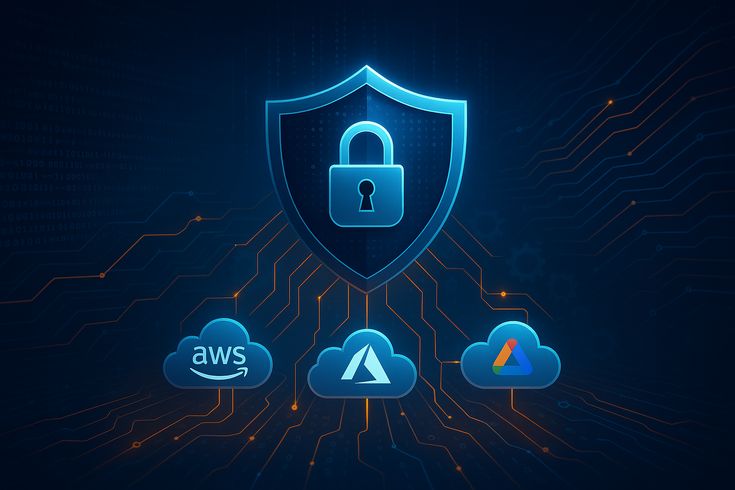
More Nigerian firms now use more than one cloud platform at once. A firm may run its main app on AWS, store files on Google Cloud, and use Azure for a Microsoft-linked tool, all within the same wider setup.
This mix is often called multi-cloud. It brings real gains. But it also brings safety risks that a single-platform setup never has to face in the same way. This guide breaks down how to guard a multi-cloud setup well.
Lagos Data School made this guide as part of our cloud course. Multi-cloud work forms a growing part of what we teach, as more Nigerian firms spread their work across more than one cloud platform. So let’s break this down with care.
What Is Multi-Cloud, and Why Do Firms Choose It?
Multi-cloud means a firm uses two or more cloud platforms together, rather than putting all its work on just one. This differs from a hybrid setup, which mixes cloud tools with a firm’s own in-house servers.

Nigerian firms pick multi-cloud for a few clear reasons. Some want to dodge full reliance on one single cloud firm, in case that firm faces an outage or a sharp price hike. Others pick the platform that fits each task best, rather than force every task onto one tool that may not fit each job well.
Also, some firms grow into a multi-cloud setup by chance, not by a clear plan. A merger, a new team’s own platform pick, or a client’s clear ask can all lead a firm to end up running more than one cloud platform with no full, set plan behind it.
Why Multi-Cloud Brings New Safety Risk
Each cloud platform builds its own safety tools, its own settings, and its own way of doing things. A firm that runs just one platform can grow great skill in that one system’s own quirks and tools.
However, a firm that runs three platforms at once must grasp three split systems, each with its own login tools, its own safety settings, and its own way to show alerts. This spreads a team’s focus thin. Thin focus often leads to missed gaps.
Also, as covered in other guides on cloud risk, a lack of clear sight across platforms ranks among the top threats firms face in 2025. This holds since few firms check across platforms in a joined-up, shared way.
Core Challenges in Multi-Cloud Security
Lagos Data School points to a few core hard points that nearly every Nigerian firm with a multi-cloud setup must face and plan around.
Mixed Identity Rules
Each cloud platform has its own way to handle user logins and access rights. With no shared plan, your firm may end up running split, cut-off login systems for each platform, which doubles both work and risk.
Split Sight
Each platform gives its own screen and its own alerts. With no shared view, your safety team must check a few split screens. This raises the chance that a real, true issue slips through unseen between the cracks.
Mixed Rule Use
A safety rule set well on AWS may not move over on its own to your Azure or Google Cloud setup. Each platform needs its own version of that same rule, built and kept up on its own. This leaves real room for gaps to grow over time.
Skill Gaps Across Platforms
Few staff members hold great, true skill across all major cloud platforms at once. This can leave some platforms under-watched, simply since no one on the team feels fully sure they can run that one system well.
Building a Multi-Cloud Security Plan
Lagos Data School teaches a clear, set path for Nigerian firms that want to guard their multi-cloud setups well.
Step 1: Map Your Full Cloud Footprint
Before you can guard a thing, know just what you have. List each cloud account, each platform, and each team with access. Many firms find old, forgotten accounts or tools no one uses during this first map step alone.
Step 2: Build One Shared Identity Plan
Use one central identity tool that works across platforms. This lets staff log in once, rather than juggle split logins for each cloud firm. It cuts both friction for staff and the true risk tied to weak, spread-out keys.
Step 3: Pick a Multi-Cloud Sight Tool
Use a tool built just to pull safety facts from AWS, Azure, and Google Cloud into one shared screen. This gives your team one place to check, rather than a few split screens spread across platforms.
Step 4: Set the Same Rules Where You Can
Set your core safety rules once, then turn them into each platform’s own true form. The exact tech steps will shift a bit by platform, but the true aim and the true mark should stay the same across all of them.
Step 5: Build Skill Across the Team
Rather than leave each platform to one lone staff member who may one day leave the firm, build at least a base skill level across your team for each platform you use. This cuts the risk tied to one person holding sole care for a key system.
Step 6: Name a Clear Owner
Name a clear owner for the full multi-cloud safety plan, not just for each lone platform on its own. Someone must hold the full, joined-up view across all platforms at once.
Comparing Native Safety Tools Across Platforms
Each big cloud firm gives its own built-in safety tools. Knowing how they roughly match up helps Nigerian teams move through a multi-cloud setup with more ease.
| Job | AWS | Azure | Google Cloud |
| Identity rules | IAM | Azure AD | Cloud IAM |
| Threat watch | GuardDuty | Microsoft Defender | Security Command Center |
| Posture checks | Security Hub | Defender for Cloud | Security Command Center |
| Act logs | CloudTrail | Azure Monitor | Cloud Audit Logs |
| Network firewall | Security Groups | Network Security Groups | VPC Firewall Rules |
While these tools do like jobs, their own true settings, names, and ways of working shift a fair bit by platform. Lagos Data School trains students to spot these like patterns, since this skill speeds up learning a new platform a great deal.
Outside Tools for Multi-Cloud Security
Past each platform’s own built-in tools, a few outside tools exist just to run safety across many cloud platforms at once.
- Wiz gives strong, shared visibility across AWS, Azure, and Google Cloud
- Prisma Cloud gives wide cover that fits larger, mixed multi-cloud setups
- Orca Security zooms in on scans that need no extra agent across cloud setups
- Datadog joins watch work and safety sight across cloud platforms and apps
Many of these tools need a real, ongoing spend. So Lagos Data School asks firms to start with built-in tools and plain steps first, before they pay for an outside platform, unless their size and tangle truly call for that added cost.
Multi-Cloud Security and the Shared Duty Model
The shared duty model, covered in full in another Lagos Data School guide, grows more tangled within a multi-cloud setup, since your firm must track a split duty line for each platform in use.
Each firm draws the line between their duty and your duty a bit differently, based on the true tool used. Keeping these lines clear across many platforms takes a real, set write-down, not just a loose, vague grasp held by the team.
Cost Points in Multi-Cloud Security
Past the tech tangle, multi-cloud setups carry real cost points for Nigerian firms that need close, early thought.
Running built-in safety tools across many platforms often means you pay on each one for like jobs, rather than pay one shared cost. Outside, shared tools can cut this split cost, but they bring their own license fee in trade.
Lagos Data School asks Nigerian firms to weigh this full cost view with care next to the true gains multi-cloud brings, since some firms take up multi-cloud with no full grasp of this added cost and tangle up front.
Common Multi-Cloud Security Mistakes
Lagos Data School sees a steady set of slips among Nigerian firms new to multi-cloud setups.
Assuming Like Defaults Across Platforms
A setting that starts safe on one platform may start less safe on the next one. Never just assume the same; check each platform’s true start state by hand.
Skipping Less-Used Platforms
Teams often spend their close care on their main, most-used platform, while they skip smaller, side cloud accounts that still hold real, true data and need the same close care.
Doubling Work With No Need
Some teams build fully split, cut-off steps for each platform, rather than seek true joining where it truly can be done. This wastes time and raises the true chance of gaps that creep in over time.
Multi-Cloud Security for Growing Nigerian Firms
As Nigerian firms grow and pick up more multi-cloud setups, the plan points in this guide grow more key to face with clear thought, not just react to once an issue hits.
Larger firms often gain from a set cloud safety team or one named role just for cross-platform steady use, rather than leave this task loose and split across lone platform teams who may not talk closely with each other.
Lagos Data School works with growing Nigerian firms to help set up just this kind of named, cross-platform safety role as their cloud spread grows past what one plain, all-round team can run well on its own.
A Real Example: A Nigerian Bank’s Multi-Cloud Path
Picture a mid-size Nigerian bank that began on AWS for its core bank systems. It then picked up Azure for staff tools after a wider Microsoft deal, and last took on Google Cloud for a new data work plan.
At first, each platform sat with a split, cut-off team with little talk between them. This built real blind spots; this covers mixed password rules and a few old test accounts left live with more reach than meant.
After a safety check showed these gaps, the bank set up one shared cloud safety team to hold sight and rule-use across all three platforms, while each platform team still kept their own day-to-day work. This fix closed the main sight gaps within a few months, with no need for the bank to drop any of its current platform spend.
Lagos Data School shares stories like this with students, since real multi-cloud safety often grows through better talk and shape, not through cutting back the count of platforms in use.
Building a Multi-Cloud Skills Plan for Your Team
Beyond tools and process, real multi-cloud safety rests on the skills your team holds across each platform. Build a clear plan for how staff will learn each system over time.
Start by picking one staff member to lead each platform, while still asking that the wider team gain at least base skill in all platforms used. This way, no one platform sits fully reliant on just one person’s own head.
Lagos Data School trains students across all three major platforms for just this reason. Most grads will step into a firm that runs more than one cloud platform, not just a single, clean one.
Recommended External Resource
For a clear, firm-neutral guide on multi-cloud safety, visit the Cloud Security Alliance’s own guidance page: https://cloudsecurityalliance.org/research/guidance
Disaster Recovery in a Multi-Cloud World
One real plus of a multi-cloud setup is the chance to spread your backup plan across more than one firm. If one cloud platform faces a major outage, your firm may still keep working through a second, fully split platform.
However, this plus only holds if you plan for it well ahead of time. A firm that runs on AWS but stores its sole backup on AWS too gains little real safety from this kind of weak, false split.
Lagos Data School advises Nigerian firms to test their cross-platform backup plan now and then, not just trust it works based on paper plans alone. A real test run, even a small one, often shows gaps that a plan on paper would never reveal.
Training Staff Across Multiple Cloud Platforms
Building team skill across several cloud platforms takes real, set time and care, much more than training a team on just one single system.
Lagos Data School structures our cloud course to give hands-on time across AWS, Azure, and Google Cloud together, rather than train deeply on just one and leave students unsure how to work the other two well.
This wide, cross-platform training matters greatly for Nigerian firms hiring new staff, since a graduate who can work confidently across all three platforms brings far more flexible, lasting value to a growing, multi-cloud firm than one trained narrowly on just one system alone.
Multi-Cloud Security in a Growing Nigerian Startup Scene
As Nigeria’s startup scene keeps growing, more young firms find themselves drifting into a multi-cloud setup earlier than expected, often well before they have built the team and skill to manage it with full care.
Lagos Data School advises early-stage founders to think carefully before adding a second or third cloud platform purely out of habit or convenience. Each new platform adds real, lasting complexity that a small team must then carry forward for years.
If a second platform truly does serve a clear, strong business need, build the same careful habits covered in this guide from day one, rather than waiting until the complexity has already grown unmanageable to start applying real structure.
Lagos Data School works with many Nigerian startups at exactly this early decision point, helping founders weigh the real tradeoffs before committing to a multi-cloud path that will shape their technical operations for years to come.
A Multi-Cloud Security Readiness Self-Check
Before you close this guide, run through this short self-check to see how ready your firm truly stands to run multi-cloud risk well.
- Do you hold a full, fresh map of each cloud account your firm runs?
- Does your team use one shared identity plan across platforms?
- Do you have one screen that gives sight across all your cloud platforms?
- Are your core safety rules set the same way across each platform in use?
- Does one clear, named person hold care for your full multi-cloud plan?
If you said no to two or more of these, treat multi-cloud safety as a near-term task for your firm. Lagos Data School built this self-check from real gaps we see often among Nigerian firms that run more than one cloud platform.
About Lagos Data School
Lagos Data School is Nigeria’s top school for cybersecurity, data science, cloud, and analytics. Every idea in this guide is part of our hands-on course.
Our teachers are real security pros, not just classroom staff. So you learn from people who guard live networks every day.
We run classes on weekdays, weekends, and online. So no matter your time, we have a slot for you. Beyond skills, we also give you a real certificate and links to job partners.
Visit Lagos Data School today to view our courses and join the next class.
Manage risk across every cloud. Train with Lagos Data School.