Web Application Penetration Testing: Complete 2026 Guide

Web applications are the most common attack target in Nigeria today. Furthermore, every fintech app, bank portal, and government system is at risk.

Lagos Data School teaches web application pen testing in its live cybersecurity course. Therefore, this guide explains the full methodology in clear, practical steps.

Also, Nigerian examples and free tools are included throughout. By the end, you will know how to conduct a professional web app assessment.


What Is Web Application Penetration Testing?

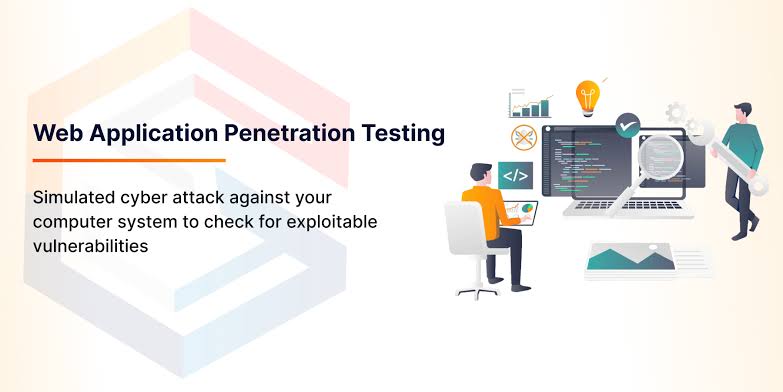
Web application penetration testing is a structured security assessment. Furthermore, it simulates real attacks on websites, APIs, and web portals. The goal is to find vulnerabilities before malicious attackers exploit them. Also, every finding is documented in a professional pen test report.
Guide for Web Application Penetration Testing

Consequently, the organisation fixes real security gaps with clear guidance. In short, web app pen testing protects Nigerian users and business data.


Why Nigerian Web Applications Are Vulnerable

Many Nigerian web applications are built quickly without security reviews. Furthermore, developers often prioritise features over secure coding practices. Also, third-party libraries are frequently outdated and carry known vulnerabilities.

Consequently, Nigerian fintech, e-commerce, and government portals face real risk. Therefore, every Nigerian web application needs regular professional pen testing.


The OWASP Top 10: The Foundation of Web App Pen Testing

The OWASP Top 10 is the global standard reference for web vulnerabilities. Visit OWASP.org for the full list. Furthermore, it lists the ten most critical web application security risks. Every professional web app pen test covers the OWASP Top 10 completely.

Also, Nigerian clients expect an OWASP-aligned report from every security firm. Consequently, mastering the OWASP Top 10 is the foundation of this entire field.


The Top Five OWASP Risks Nigerian Ethical Hackers Must Know

Several OWASP risks appear most frequently on Nigerian web applications. Furthermore, each risk has its own testing technique and remediation approach.


  • Injection flaws: SQL, NoSQL, and command injection attack input fields.
  • Broken authentication: Weak login systems allow unauthorised account access.
  • Sensitive data exposure: Unencrypted data leaks through APIs or pages.
  • Insecure design flaws: Structural weaknesses that cannot be patched alone.
  • Security misconfiguration: Default settings leave servers and apps exposed.


In short, these five risks account for most Nigerian web app breaches. Consequently, testing for them first delivers the highest value to clients.


Tools Used in Web Application Penetration Testing

Professional web app pen testers rely on a core set of tools. Furthermore, each tool targets a different layer of the web application.


  • Burp Suite: Intercepts and modifies HTTP traffic between client and server.
  • OWASP ZAP: Free automated scanner for common web vulnerabilities.
  • SQLmap automates: Detection and exploitation of SQL injection flaws.
  • Nikto scans: Web servers for thousands of known misconfigurations.
  • Dirsearch finds: Hidden directories and files on web servers quickly.


Also, Burp Suite is the most essential tool on every web pen test. Consequently, Nigerian ethical hackers must master Burp Suite above all others.


The Step-by-Step Web App Pen Testing Methodology


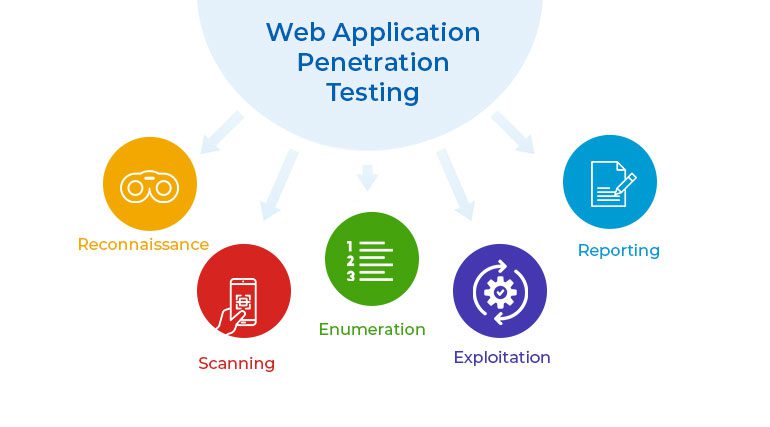
Step 1: Pre-Engagement and Scope Agreement

Every professional web app pen test starts with a written scope agreement. Furthermore, the scope lists every URL, API, and function that can be tested. Also, out-of-scope items are listed explicitly to prevent legal issues.

Consequently, the ethical hacker is legally protected throughout the engagement. Therefore, never begin any testing before the scope document is signed.


Step 2: Passive Reconnaissance

Passive reconnaissance gathers information without directly touching the target. Furthermore, WHOIS records, DNS lookups, and Google dorking are used.

Also, Shodan is searched for exposed services linked to the target domain. Consequently, the ethical hacker builds a full picture of the target environment. Therefore, passive recon always precedes any active scanning or testing.


Step 3: Active Scanning and Enumeration

Active scanning sends requests directly to the target web application. Furthermore, Nikto and OWASP ZAP run automated scans on all pages.

Also, Dirsearch and Gobuster discover hidden directories and backup files. Consequently, a comprehensive list of attack surfaces is mapped completely. Therefore, active scanning reveals what passive recon cannot see at all.


Step 4: Manual Testing for OWASP Top 10 Vulnerabilities

Manual testing goes deeper than any automated scanner can reach. Furthermore, automated tools miss business logic flaws and complex IDOR bugs. Also, Burp Suite is used to intercept and manipulate every HTTP request.

Consequently, Nigerian ethical hackers find vulnerabilities that tools cannot detect. Therefore, manual testing is the most important phase of any web assessment.


How to Test for SQL Injection Manually

SQL injection testing starts with identifying every input field on the app. Furthermore, a single quote (‘) is entered in each input to test for errors. Also, an SQL error message in the response confirms a potential injection point.

Consequently, SQLmap is used to exploit confirmed injection points automatically. Therefore, every text field and search box must be tested for SQL injection.


How to Test for Cross-Site Scripting (XSS)

XSS testing injects JavaScript payloads into input fields and URL parameters. Furthermore, a simple payload like script>alert(1)/script reveals reflected XSS.

Also, stored XSS persists in the database and fires on every page load. Consequently, XSS vulnerabilities put every Nigerian user of the app at risk. Therefore, all text inputs and URL parameters must be tested for XSS carefully.


How to Test for Insecure Direct Object Reference (IDOR)

IDOR vulnerabilities allow access to other users’ data without authorisation. Furthermore, they are found by changing user IDs in URLs and API requests.

Also, Burp Suite’s Repeater tool makes IDOR testing fast and systematic. Consequently, Nigerian banking and fintech apps are frequently vulnerable to IDOR. Therefore, every user-specific endpoint must be tested for IDOR flaws.


Step 5: Authentication and Session Testing

Authentication testing verifies that login mechanisms are secure and robust. Furthermore, default credentials, brute-force resistance, and MFA are all tested.

Also, session tokens are inspected for randomness and proper expiry settings. Consequently, weak session management is one of the most commonly found flaws. Therefore, every Nigerian web app must have strong authentication and sessions.


Step 6: API Security Testing

Modern Nigerian web applications rely heavily on APIs for all data exchange. Furthermore, APIs often expose more data than the visible front end does.

Also, unauthenticated API endpoints are a very common Nigerian vulnerability. Consequently, all API endpoints must be enumerated and tested completely. Therefore, API testing is now as important as front-end web testing.


Step 7: Reporting and Remediation Guidance

Every web app pen test ends with a detailed, professional written report. Furthermore, findings are rated using CVSS scores from Critical to Informational.

Also, each finding includes clear steps to reproduce and fix the vulnerability. Consequently, Nigerian clients understand both the risk and the required action. Therefore, the report is the most valuable deliverable of the entire engagement.


A Nigerian Web App Pen Test Example

A Lagos e-commerce platform hires an ethical hacker for a full assessment. Furthermore, the scope covers the checkout flow, user accounts, and product API.

Passive recon reveals three subdomains not listed on the main website. Also, active scanning finds an exposed admin panel on one subdomain. Consequently, the ethical hacker accesses the panel using default credentials.

Next, a full OWASP Top 10 manual test reveals four additional vulnerabilities. Finally, a Critical report is delivered with a prioritised fix list. As a result, the client patches all findings within 30 days of receipt.


Web App Pen Testing Deliverables Every Nigerian Client Expects

Report Section Content
Executive Summary High-level overview for management and board
Scope and Methodology URLs tested, tools used, and assessment approach
Findings Summary Count of Critical, High, Medium, Low, and Info findings
Detailed Findings Each vulnerability with CVSS, evidence, and exploit steps
Remediation Guidance Specific fix recommendations ordered by risk priority
Re-test Schedule Timeline for verifying all fixes have been applied


Free Resource: OWASP Web Security Testing Guide

Lagos Data School recommends the OWASP Web Security Testing Guide as the definitive free reference. Furthermore, it covers every web vulnerability with detailed testing procedures.

Also, it is updated regularly by the global OWASP community. Consequently, Nigerian ethical hackers always have access to current testing guidance.


How Lagos Data School Teaches Web App Pen Testing

Lagos Data School covers the full web app pen testing methodology in its live course. Students practise every phase using Burp Suite, SQLmap, and OWASP ZAP. Furthermore, every lab exercise uses deliberately vulnerable Nigerian-style web apps.

Consequently, graduates conduct professional web app assessments from day one.

Visit the Lagos Data School training page to enrol today.

Frequently Asked Questions

Q1: How long does a web app pen test take in Nigeria?

A basic web app assessment takes three to five working days. Furthermore, complex applications with many endpoints take one to two weeks.

Also, the re-test phase adds an additional one to three days after fixes. Therefore, plan for one to three weeks total for a complete engagement.


Q2: Which certification covers web app pen testing best?

The OSCP and CEH both cover web application security testing in depth. Furthermore, PortSwigger’s free Web Security Academy is excellent preparation.

Also, the eWPT (eLearnSecurity Web Application Penetration Tester) is a specialist cert. Therefore, pursue eWPT if you want to specialise in web security specifically.


Q3: Can I practise web app pen testing for free?

Yes. DVWA, OWASP Juice Shop, and WebGoat are all free practice apps. Furthermore, PortSwigger Web Security Academy offers free guided web security labs.

Also, TryHackMe has dedicated web security learning paths for free. Consequently, Nigerian beginners have abundant free practice resources available.


Q4: Do Nigerian companies need web app pen tests?

Yes. The CBN and NITDA both require regular web security assessments. Furthermore, any Nigerian company storing customer data online has a legal obligation.

Also, international payment card standards (PCI DSS) mandate regular web pen tests. Consequently, web app pen testing is both a legal and a business necessity.


Q5: What is the difference between a web app scan and a pen test?

An automated scan identifies potential vulnerabilities without confirming exploitation. However, a pen test manually exploits and proves each vulnerability found.

Also, pen tests find business logic flaws and IDOR bugs that scanners miss. Therefore, a pen test always delivers more value than a scan alone.


Master Web App Pen Testing with Lagos Data School

Web application security is the most in-demand ethical hacking skill in Nigeria. Furthermore, every Nigerian company with a website needs this service regularly.

Lagos Data School trains you with live labs, real web app targets, and report writing.

Visit Lagos Data School and enrol in the cybersecurity course today.
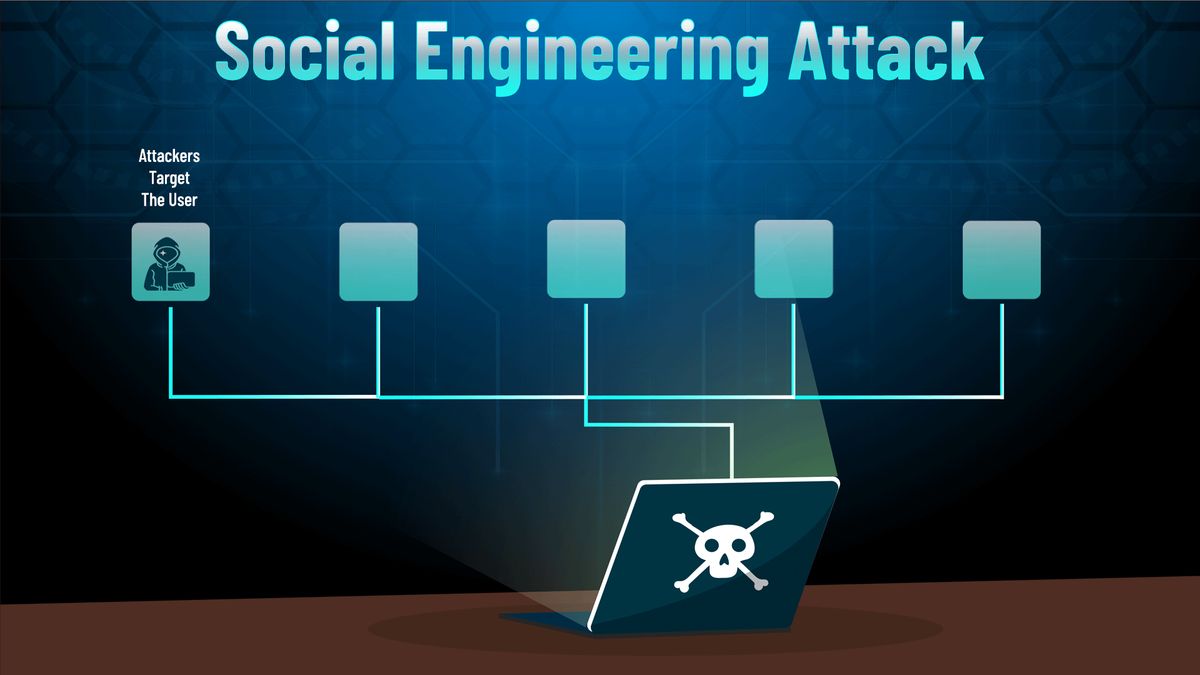
Social Engineering Attacks: How Hackers Exploit Human Psychology

Most Nigerian cyberattacks begin with a human mistake, not a technical flaw. Furthermore, hackers know that people are easier to trick than computer systems.

Lagos Data School trains Nigerian professionals to recognise and resist social engineering. Therefore, this guide explains every major social engineering technique clearly.

Also, real Nigerian examples are used in every section. By the end, you will know how to protect yourself and your organisation.


What Is Social Engineering?

Social engineering is the art of manipulating people into revealing information. Furthermore, attackers exploit trust, fear, authority, and urgency to succeed. No technical hacking skill is required to run a social engineering attack.

This may contain: the word social engineering surrounded by hand drawn icons

Also, it is the most cost-effective attack method available to cybercriminals. Consequently, social engineering accounts for over 85% of all Nigerian cyberattacks. In short, the human mind is the most vulnerable system in any organisation.


Why Social Engineering Works So Well in Nigeria

Nigerian culture places high value on respect for authority and seniority. Furthermore, attackers exploit this by impersonating bosses and regulators.

Also, urgency tactics are effective in fast-paced Lagos work environments. Consequently, employees act before thinking when pressure is applied correctly. Therefore, social engineering defence must address Nigerian cultural dynamics.


The Six Principles Attackers Use to Manipulate Nigerians

Social engineers rely on six well-documented psychological principles. Furthermore, understanding these principles helps Nigerian staff resist manipulation.


  • Authority trigger: Impersonating a boss, regulator, or senior officer.
  • Urgency pressure: ‘Act now or your account will be closed immediately.’
  • Scarcity messaging: ‘Only you can approve this payment today.’
  • Social proof tactic: ‘Everyone else in your department already submitted.’
  • Liking exploitation: Building rapport before making a deceptive request.
  • Reciprocity trap: Doing a small favour first to create obligation.


In short, all six principles bypass rational thinking through emotion. Consequently, Nigerian staff make decisions they would never make calmly.


Type 1: Phishing Attacks

Phishing is the most common social engineering attack in Nigeria. Furthermore, deceptive emails are sent to trick recipients into acting. Links in phishing emails lead to fake login pages that steal credentials.

Also, attachments in phishing emails install malware on the victim’s device. Consequently, one successful phishing email can compromise an entire Nigerian bank. Therefore, every Nigerian professional must learn to identify phishing emails.


How to Recognise a Phishing Email in Nigeria

Several red flags appear in most phishing emails targeting Nigerian professionals. Furthermore, each flag is a learnable signal once you know what to look for.


  • Sender mismatch: The display name differs from the actual email address.
  • Urgency language: Phrases like ‘act immediately’ or ‘within 24 hours.’
  • Generic greeting: Emails start with ‘Dear Customer,’ not your real name.
  • Suspicious link: Hover over links; the URL looks wrong or misspelled.
  • Unexpected attachment: You receive a file you were not expecting at all.


Also, Nigerian banks and the EFCC never request passwords by email at all. Consequently, any email asking for credentials should be treated as phishing.


Real Nigerian Phishing Example: The Fake CBN Email

A fake email claiming to be from the CBN lands in a Lagos banker’s inbox. Furthermore, the email says: ‘Your BVN has been flagged — verify immediately.’

The link leads to a fake CBN portal that captures login credentials. Also, the email is sent from cbn-verify@gmail.com — not a real CBN domain.

Consequently, the banker’s credentials are stolen within minutes of clicking. Therefore, always check the sender domain before clicking any link at all.


Type 2: Spear Phishing

Spear phishing is a targeted version of regular phishing attacks. Furthermore, the attacker researches the victim on LinkedIn before attacking.

Also, the email references real names, projects, and Nigerian colleagues. Consequently, victims trust the email because it feels personally relevant. Therefore, spear phishing is far more dangerous than generic phishing attacks.


Nigerian Spear Phishing Example

A Nigerian CFO receives an email appearing to come from the CEO. Furthermore, the email says: ‘Please transfer ₦50m to our new vendor account. Also, the email references a real ongoing project the CFO is familiar with.

Consequently, the CFO transfers the funds without calling to verify the request. Therefore, this Business Email Compromise attack costs the company ₦50 million.


Type 3: Vishing (Voice Phishing)

Vishing attacks use phone calls instead of emails to deceive victims. Furthermore, attackers impersonate bank staff, EFCC officers, or IT support. Also, a spoofed caller ID makes the call appear to come from a real organisation.

Consequently, Nigerian victims share OTPs and passwords over the phone willingly. Therefore, never share passwords or OTPs on any unsolicited phone call.


Real Nigerian Vishing Example

A Nigerian POS merchant receives a call from ‘his bank’s fraud team.’ Furthermore, the caller says his card has been compromised and needs verification.

Also, the caller asks for his full card number and the OTP just sent. Consequently, the merchant shares both, and ₦200,000 is withdrawn immediately. Therefore, banks never call to ask for OTPs — hang up if this happens.


Type 4: Pretexting

Pretexting is creating a fabricated scenario to manipulate a target. Furthermore, the attacker builds a believable false identity before calling. Also, pretexts often claim authority — ‘I am from the Head Office IT team.’

Consequently, victims cooperate because the scenario feels entirely plausible. Therefore, Nigerian staff must verify any unusual request through official channels.


Pretexting in Nigerian Corporate Environments

An attacker calls a Nigerian bank’s helpdesk pretending to be the IT Director. Furthermore, he says a server is down and needs the admin password urgently.

Also, he references real internal system names to sound completely convincing. Consequently, the helpdesk agent resets and shares the admin password. Therefore, no password should ever be shared verbally over a phone call.


Type 5: Baiting

Baiting leaves infected USB drives in places Nigerian victims will find them. Furthermore, USB drives are labelled ‘Salary Spreadsheet Q3’ to tempt curiosity.

Also, plugging the drive installs keyloggers and remote access malware. Consequently, attackers gain access to the entire computer network silently. Therefore, Nigerian professionals should never plug in unverified USB drives.


Type 6: Tailgating and Physical Social Engineering

Tailgating is physically following an authorised person through a secure door. Furthermore, attackers dress professionally and carry large boxes to seem legitimate.

Also, Nigerian office staff hold doors open as a sign of politeness. Consequently, attackers gain physical access to Nigerian server rooms and offices. Therefore, always verify identity before allowing anyone through a secure door.


Social Engineering Attack Summary Table

Attack Type Method Nigerian Example Prevention
Phishing Fake email with malicious link Fake CBN BVN verification email Check sender domain — never click blindly
Spear Phishing Targeted email using personal data CEO fraud targeting Lagos CFO Verify large transfers via phone call
Vishing Phone call impersonation Bank fraud call requesting OTP Never share OTPs on any phone call
Pretexting Fabricated identity scenario IT Director impersonation at helpdesk Verify all requests through official channels
Baiting Infected physical media left as bait USB drive labelled ‘Salary Sheet Q3’ Never plug in unverified USB devices
Tailgating Physical entry through secure door Attacker follows staff into server room Always check identity at secure entry points


How Nigerian Organisations Defend Against Social Engineering

Defence requires both training and technical controls working together. Furthermore, neither alone is sufficient to stop determined attackers.


  • Security awareness training: Regular Nigerian staff training reduces click rates by 70%.
  • Phishing simulations: Controlled fake campaigns test real staff resilience.
  • Verify-before-you-act policy: All unusual requests need a second channel check.
  • Multi-factor authentication: MFA stops credential theft from succeeding fully.
  • Physical access controls: Tailgating is prevented with badge-only door access.


In short, a security-aware Nigerian workforce is the strongest defence. Consequently, training investment always delivers a measurable return in security.


Free Resource: SANS Social Engineering Defence Resources

Lagos Data School recommends the SANS Security Awareness resources as a free reference. Furthermore, they cover phishing defence, training programmes, and metrics.

Also, the SANS posters and tip sheets are free and available in PDF format. Consequently, Nigerian organisations can start staff training today at no cost.


How Lagos Data School Teaches Social Engineering Defence

Lagos Data School covers social engineering attack and defence in its cybersecurity course. Students learn to identify phishing, vishing, and pretexting techniques. Furthermore, live phishing simulation exercises are run in every cohort.

Consequently, graduates recognise social engineering attacks in their real workplaces.

Visit the Lagos Data School training page to enrol today.

Frequently Asked Questions

Q1: Is social engineering illegal in Nigeria?

Yes. Social engineering attacks are criminal offences under the Cybercrimes Act 2015. Furthermore, identity theft and financial fraud carry significant prison sentences.

Also, the EFCC actively prosecutes social engineering fraud in Lagos and Abuja. Therefore, Nigerian professionals must report suspected attacks to their IT team.


Q2: How can Nigerian staff recognise phishing emails?

Check the sender’s email domain carefully against the official company website. Furthermore, hover over every link before clicking to see the real URL.

Also, any email creating urgency about payments or accounts should be verified. Consequently, a simple two-second check prevents most successful phishing attacks.


Q3: Are Nigerian banks doing enough against social engineering?

Most tier-one Nigerian banks now run regular security awareness programmes. Furthermore, the CBN mandates cybersecurity training for all financial institution staff.

Also, SMS OTP notifications alert customers to suspicious account activity. Consequently, banks continue improving defences as attack techniques evolve.


Q4: What should a Nigerian employee do if they fall for a phishing attack?

Report the incident to your IT security team immediately without delay. Furthermore, change all passwords from a clean, uninfected device right away.

Also, alert your bank if financial accounts may have been compromised. Consequently, fast reporting limits the damage significantly for everyone involved.


Q5: Can social engineering be tested ethically in Nigeria?

Yes. Authorised social engineering tests — called red team exercises — are legal. Furthermore, Nigerian organisations use these to measure real employee resilience.

Also, Lagos Data School trains ethical hackers to conduct these tests professionally. Consequently, authorised testing identifies weaknesses before criminals exploit them.


Protect Your Nigerian Organisation with Lagos Data School

Social engineering is the number one entry point for Nigerian cyberattacks. Furthermore, technology alone cannot stop an attack that targets human trust.

Lagos Data School trains you to identify, test, and defend against every social engineering technique.

Visit Lagos Data School and enrol in the cybersecurity course today.

How to Conduct a Vulnerability Assessment in Nigeria

Every Nigerian business with a digital system faces security risks daily. Furthermore, these risks grow larger with every new device added to the network.

Lagos Data School trains Nigerian professionals to conduct professional vulnerability assessments. Therefore, this guide explains the full process in clear, practical steps.

Also, Nigerian business examples and free tools are included throughout. By the end, you will know how to run a complete vulnerability assessment.


What Is a Vulnerability Assessment?

A vulnerability assessment is a systematic review of security weaknesses. Furthermore, it identifies, classifies, and prioritises vulnerabilities in a system. Unlike penetration testing, it finds weaknesses without actively exploiting them. Also, the output is a prioritised report of all identified security gaps.

Story pin image

Consequently, Nigerian businesses can fix the highest-risk issues first. In short, a vulnerability assessment tells you what is broken before attackers find it.


Vulnerability Assessment vs Penetration Testing: Key Difference

Factor Vulnerability Assessment Penetration Testing
Goal Identify and list all vulnerabilities Exploit vulnerabilities to prove impact
Depth Wide and comprehensive coverage Deep and targeted on specific systems
Exploitation No exploitation — identification only Active exploitation is performed
Output Prioritised vulnerability list Full attack narrative with evidence
Duration Hours to two days typically Days to weeks depending on scope
Cost Lower — ideal for regular assessments Higher — comprehensive and detailed
Nigerian use Quarterly SME security health check Annual deep test for banks and fintechs


Why Every Nigerian Business Needs a Vulnerability Assessment

Nigerian cybercrime losses exceed hundreds of billions of naira every year. Furthermore, SMEs are now the primary target because their defences are weaker. Also, the CBN and NITDA require regular security assessments for regulated sectors.

Consequently, running a vulnerability assessment is both smart and legally required. Therefore, Nigerian businesses that skip this step take unnecessary risks.


Nigerian Industries That Require Regular Vulnerability Assessments

Several Nigerian sectors face mandatory security assessment requirements. Furthermore, each regulator sets its own frequency and scope requirements.


  • Banking sector: CBN requires quarterly vulnerability assessments for all banks.
  • Fintech companies: CBN digital finance guidelines mandate regular security reviews.
  • Healthcare providers: NDPR requires hospitals to assess patient data systems regularly.
  • Telecoms operators: NCC mandates security assessments for all licenced operators.
  • Government agencies: NITDA requires federal agencies to assess their ICT systems.


In short, regulatory compliance now drives most Nigerian security investment. Consequently, non-compliance carries significant financial and reputational penalties.


Tools Used in Vulnerability Assessment

Several tools are used to scan and assess Nigerian business systems. Furthermore, each tool specialises in a different type of assessment.


  • Nessus scanner: Industry-leading vulnerability scanner for networks and systems.
  • OpenVAS is free: Open-source alternative to Nessus for smaller Nigerian businesses.
  • Nmap discovers: Open ports and services across the entire network.
  • Nikto scans: Web servers for thousands of known vulnerabilities automatically.
  • Qualys cloud: SaaS-based scanner ideal for Nigerian remote assessments.


Also, OpenVAS is the most popular free tool for Nigerian SME assessments. Consequently, any Nigerian business can run a basic assessment at zero tool cost.


The Step-by-Step Vulnerability Assessment Process


Step 1: Define the Scope

Start by listing every system, device, and network segment to be assessed. Furthermore, include servers, laptops, printers, routers, and cloud services. Also, web applications and APIs that connect to the business must be included.

Consequently, a clear scope prevents important systems from being overlooked. Therefore, scope definition is the most important step before any scanning begins.


Step 2: Asset Discovery

Asset discovery finds every device currently connected to the Nigerian business network. Furthermore, Nmap is used to scan IP ranges and list all active hosts. Also, undocumented devices such as personal phones and rogue routers are revealed.

Consequently, the full attack surface of the Nigerian business becomes visible. Therefore, asset discovery always reveals more devices than IT staff expect.


Step 3: Vulnerability Scanning

Vulnerability scanning sends probes to every discovered asset automatically. Furthermore, OpenVAS or Nessus is configured with the full asset list. Also, both tools compare findings against databases of thousands of known vulnerabilities.

Consequently, a detailed list of security gaps is generated for every asset. Therefore, the scan report becomes the raw material for risk prioritisation.


Step 4: Vulnerability Analysis and Risk Prioritisation

Not all vulnerabilities are equally dangerous for a Nigerian business. Furthermore, each finding is rated using the CVSS scoring system. Also, CVSS scores range from 0.0 (none) to 10.0 (critical).

Consequently, Critical and High findings are addressed before Medium and Low ones. Therefore, risk prioritisation ensures the most dangerous gaps are fixed first.


CVSS Score Ranges and Nigerian Business Action Priorities

CVSS Score Severity Level Nigerian Business Action Target Fix Time
9.0–10.0 Critical Fix immediately, escalate to senior management Within 24–48 hours
7.0–8.9 High Fix urgently, assign to IT lead this week Within 7 days
4.0–6.9 Medium Schedule fix in the next sprint or patch cycle Within 30 days
0.1–3.9 Low Add to backlog and fix during next maintenance Within 90 days
0.0 None Informational, document for awareness only No action required


Step 5: Reporting

The assessment report is the most important deliverable for Nigerian clients. Furthermore, it must be clear enough for both technical teams and management. Also, every finding must include a description, CVSS score, and fix recommendation.

Consequently, Nigerian executives understand the risk and approve the required budget. Therefore, a well-written report converts a technical scan into a business decision.


Step 6: Remediation and Re-Assessment

The IT team works through the prioritised fix list after the report. Furthermore, a re-scan is run after fixes are applied to confirm success. Also, the re-assessment closes the loop on the full vulnerability management cycle.

Consequently, Nigerian businesses can show auditors and regulators that fixes work. Therefore, always schedule a re-scan within 30 days of delivering the report.


Nigerian Business Vulnerability Assessment Example

A Lagos SME with 50 staff hires a security consultant for an assessment. Furthermore, the scope covers 50 laptops, three servers, and a web application. Asset discovery reveals two personal mobile hotspots connected to the network.

Also, the vulnerability scan finds 12 Critical findings across the servers. Consequently, the report is delivered within two business days of the scan.

Next, the IT team patches all Critical findings within 48 hours. Finally, a re-scan confirms all 12 Critical findings have been resolved. As a result, the business is ready for its next CBN compliance review.


Vulnerability Assessment Checklist for Nigerian Businesses

This checklist ensures no step is missed during a Nigerian business assessment. Furthermore, each item maps to a phase in the process described above.


  • Scope defined: All systems, networks, and apps are listed clearly.
  • Asset inventory: Every network device is discovered and documented.
  • Scanner configured: OpenVAS or Nessus is set up with the full scope.
  • Scan completed: Full scan runs without errors on all assets.
  • Results analysed: All findings are rated and prioritised by CVSS score.
  • Report delivered: Both executive and technical sections are included.
  • Re-scan scheduled: A follow-up scan is booked within 30 days.


In short, completing all seven checklist items delivers a professional assessment. Consequently, Nigerian businesses have a repeatable, auditable security process.


Free Resource: OpenVAS (Greenbone Community Edition)

Lagos Data School recommends OpenVAS Greenbone Community Edition as a free scanning tool. Furthermore, it provides enterprise-grade scanning at zero cost for Nigerian SMEs.

Also, detailed documentation covers installation and configuration on Linux systems. Consequently, any Nigerian IT professional can start scanning today for free.


How Lagos Data School Teaches Vulnerability Assessment

Lagos Data School covers vulnerability assessment in its live cybersecurity course. Students run OpenVAS and Nessus scans in guided lab environments.

Furthermore, report writing and risk prioritisation are practised in every session. Consequently, graduates conduct professional assessments for Nigerian clients from day one.

Visit the Lagos Data School training page to enrol.


Frequently Asked Questions

Q1: How often should a Nigerian business run a vulnerability assessment?

Most Nigerian businesses should run assessments at least quarterly. Furthermore, regulated sectors like banking and telecoms may require monthly scans.

Also, run an assessment immediately after any major system change or deployment. Therefore, quarterly scanning combined with continuous monitoring is the gold standard.


Q2: How much does a vulnerability assessment cost in Nigeria?

A basic SME assessment costs between ₦200,000 and ₦800,000 in Nigeria. Furthermore, enterprise assessments covering many systems cost significantly more.

Also, using free tools like OpenVAS reduces the cost of self-conducted assessments. Therefore, Nigerian SMEs can run basic assessments at very low internal cost.


Q3: Can a Nigerian SME run its own vulnerability assessment?

Yes. OpenVAS and Nmap are free and can be used by trained IT staff. Furthermore, Lagos Data School trains Nigerian IT professionals to run these tools.

Also, self-conducted assessments are valuable between external professional reviews. Consequently, a combination of internal and external assessments provides best coverage.


Q4: Is vulnerability assessment the same as a security audit?

No. A security audit reviews policies, procedures, and compliance against a standard. However, a vulnerability assessment focuses on technical weaknesses in systems.

Also, both are complementary and many Nigerian organisations run both annually. Therefore, schedule both an assessment and an audit for comprehensive security coverage.


Q5: What happens if critical vulnerabilities are found in Nigeria?

Critical findings must be escalated to senior management immediately. Furthermore, a remediation plan with a 48-hour fix deadline is created.

Also, the affected systems may need to be isolated until the fix is applied. Consequently, fast, decisive action limits the risk of exploitation during the window.


Start Protecting Your Nigerian Business with Lagos Data School

A vulnerability assessment is the first step in protecting any Nigerian business. Furthermore, it gives management a clear, prioritised picture of security risks.

Lagos Data School trains you to run professional assessments and deliver client-ready reports.

Visit Lagos Data School and enrol in the cybersecurity course today.
OWASP Top 10 Vulnerabilities: What Every Dev Must Know

Web application security is a critical skill for every Nigerian developer. Furthermore, insecure code puts millions of Nigerian users at daily risk.

Lagos Data School trains Nigerian developers and ethical hackers to understand the OWASP Top 10. Therefore, this guide explains every vulnerability in plain, clear language.

Also, Nigerian examples and fix recommendations are included for every risk. By the end, you will know how to find, fix, and prevent all ten vulnerabilities.


What Is the OWASP Top 10?

The OWASP Top 10 is the global standard list of web application security risks. Furthermore, it is published free at owasp.org and updated every few years. OWASP stands for Open Web Application Security Project. Also, it is a non-profit foundation that publishes free security guidance.

This may contain: the logo for application security on a dark background with blue and white circles around it

Consequently, the OWASP Top 10 is referenced in every professional web security assessment. In short, it is the baseline that every Nigerian web developer must master.


Why the OWASP Top 10 Matters for Nigerian Developers

Nigerian web applications handle payments, health records, and government data. Furthermore, any of these systems can be compromised through OWASP vulnerabilities. Also, NITDA’s NDPR requires Nigerian organisations to protect user data actively.

Consequently, developers who understand OWASP build more secure products. Therefore, OWASP knowledge is now a professional requirement for every Nigerian dev.


OWASP A01: Broken Access Control

Broken access control is the number one web vulnerability in 2025. Furthermore, it allows users to perform actions beyond their permitted level.

Also, IDOR (Insecure Direct Object Reference) is the most common subtype. Consequently, a Nigerian user can access another user’s account or data.


Nigerian Example: IDOR in a Lagos Fintech App

A Lagos payment app shows account details at this URL: /account?id=1001. Furthermore, changing 1001 to 1002 reveals another customer’s account data.

Also, no authorisation check verifies that the logged-in user owns id=1002. Consequently, any customer can access every other customer’s data easily.


How to Fix A01: Broken Access Control

Implement server-side access checks on every protected resource. Furthermore, deny access by default — allow only what is explicitly permitted.

Also, log all access control failures and alert security teams immediately. Consequently, IDOR attacks are blocked before they reach sensitive data.


OWASP A02: Cryptographic Failures

Cryptographic failures expose sensitive data due to weak or missing encryption. Furthermore, passwords, credit card numbers, and health records are most at risk.

Also, transmitting sensitive data over HTTP instead of HTTPS is a common example. Consequently, Nigerian attackers intercept data in transit on unsecured networks.


How to Fix A02: Cryptographic Failures

Enforce HTTPS across every page of the Nigerian web application. Furthermore, use strong, modern encryption algorithms like AES-256 for data at rest.

Also, hash passwords using bcrypt or Argon2, never MD5 or SHA-1. Consequently, stolen data remains unreadable to attackers without the encryption key.


OWASP A03: Injection Attacks

Injection attacks occur when untrusted data is sent to an interpreter. Furthermore, SQL injection, command injection, and LDAP injection are all included.

Also, Nigerian fintech apps with legacy codebases are highly vulnerable to injection. Consequently, attackers read, modify, or delete entire databases through injection flaws.


How to Fix A03: Injection

Use parameterised queries for every database interaction in your application. Furthermore, input validation and whitelisting block most injection attempts.

Also, deploy a Web Application Firewall for an additional detection layer. Consequently, injection attacks become significantly harder to execute successfully.


OWASP A04: Insecure Design

Insecure design represents fundamental flaws in the application’s architecture. Furthermore, these flaws cannot be fixed by patching — they require redesign.

Also, missing rate limiting on OTP endpoints is a common Nigerian example. Consequently, attackers brute-force OTPs and bypass two-factor authentication.


How to Fix A04: Insecure Design

Apply threat modelling during the design phase of every Nigerian application. Furthermore, use security design patterns like defence-in-depth from day one.

Also, review every user flow for security implications before building starts. Consequently, architectural security flaws are caught before code is written.


OWASP A05: Security Misconfiguration

Security misconfiguration is the most commonly found issue on Nigerian web servers. Furthermore, default credentials, open cloud storage, and verbose error messages cause it.

Also, unnecessary admin panels left accessible on production servers are common. Consequently, attackers access backend systems through basic misconfiguration alone.


How to Fix A05: Security Misconfiguration

Remove all default credentials and rename or hide admin portals. Furthermore, disable verbose error messages that reveal stack traces to users.

Also, configure cloud storage buckets as private by default in all Nigerian deployments. Consequently, the attack surface shrinks significantly with basic hardening applied.


OWASP A06: Vulnerable and Outdated Components

Using outdated libraries introduces known vulnerabilities into Nigerian applications. Furthermore, npm packages, WordPress plugins, and PHP libraries age quickly.

Also, many Nigerian developers never update dependencies after initial deployment. Consequently, attackers exploit publicly disclosed vulnerabilities in outdated components.


How to Fix A06: Vulnerable Components

Run dependency scans using tools like OWASP Dependency-Check regularly. Furthermore, update all libraries and frameworks as soon as patches are released.

Also, remove unused dependencies and plugins from every Nigerian application. Consequently, the attack surface created by third-party components is minimised.


OWASP A07: Identification and Authentication Failures

Authentication failures allow attackers to impersonate legitimate Nigerian users. Furthermore, weak passwords, missing MFA, and broken session management cause them.

Also, session tokens that never expire are a very common Nigerian vulnerability. Consequently, attackers hijack sessions and access accounts without any password.


How to Fix A07: Authentication Failures

Enforce multi-factor authentication for all Nigerian user accounts by default. Furthermore, implement account lockout after five consecutive failed login attempts.

Also, set session tokens to expire after 15–30 minutes of inactivity. Consequently, session hijacking and brute-force attacks become far less effective.


OWASP A08: Software and Data Integrity Failures

Integrity failures occur when code or data is used without verification. Furthermore, insecure software update pipelines are a growing Nigerian threat.

Also, deserialisation of untrusted data can allow remote code execution attacks. Consequently, attackers tamper with updates to install malware on Nigerian systems.


How to Fix A08: Integrity Failures

Verify the digital signature of every software update before installation. Furthermore, use a trusted CI/CD pipeline with integrity checks at every stage.

Also, avoid deserialisation of data from untrusted sources in your Nigerian application. Consequently, supply chain attacks and data tampering are detected before damage occurs.


OWASP A09: Security Logging and Monitoring Failures

Insufficient logging means Nigerian breaches go undetected for weeks or months. Furthermore, without logs, the source of an attack cannot be investigated.

Also, most Nigerian SMEs have no centralised log management or alerting system. Consequently, attackers operate freely inside Nigerian systems without detection.


How to Fix A09: Logging Failures

Log all login attempts, access control failures, and input validation errors. Furthermore, set up automated alerts for critical log events in real time.

Also, store logs in a separate, tamper-proof location outside the main server. Consequently, Nigerian security teams detect and respond to attacks in hours.


OWASP A10: Server-Side Request Forgery (SSRF)

SSRF allows attackers to make the server send requests to unintended locations. Furthermore, cloud-hosted Nigerian applications are particularly vulnerable to SSRF.

Also, attackers use SSRF to access internal services behind firewalls. Consequently, AWS metadata endpoints and internal APIs are exposed to attackers.


How to Fix A10: SSRF

Validate and sanitise all server-side URL inputs against an allowlist. Furthermore, disable HTTP redirects in all server-to-server communications.

Also, use network segmentation to isolate internal services from public servers. Consequently, SSRF attacks are blocked before they reach internal Nigerian systems.


OWASP Top 10 Quick Reference for Nigerian Developers

OWASP Risk Common Nigerian Example Primary Fix
A01: Broken Access Control IDOR on fintech account IDs Server-side authorisation on every endpoint
A02: Cryptographic Failures HTTP used for payment pages Enforce HTTPS and bcrypt password hashing
A03: Injection SQL injection in search forms Parameterised queries and input validation
A04: Insecure Design No OTP rate limiting on login Threat model before coding begins
A05: Misconfiguration Default admin panel credentials Hardening and removing all defaults
A06: Outdated Components Old WordPress plugins with known CVEs Regular dependency scanning and updates
A07: Auth Failures Sessions that never expire MFA and session timeout enforcement
A08: Integrity Failures Unverified software update packages Digital signature verification on updates
A09: Logging Failures No centralised log management Centralised logging with real-time alerts
A10: SSRF Cloud metadata endpoint exposure Allowlist validation on all server URL inputs


Free Resource: OWASP Web Security Testing Guide

Lagos Data School recommends the OWASP Web Security Testing Guide as the essential free reference. Furthermore, it provides detailed testing procedures for all ten OWASP risks.

Also, code-level fix examples are included for most vulnerability types. Consequently, Nigerian developers and ethical hackers have everything they need in one place.


How Lagos Data School Teaches the OWASP Top 10

Lagos Data School covers all ten OWASP vulnerabilities in its live cybersecurity course. Students find and exploit each vulnerability on DVWA and OWASP Juice Shop. Furthermore, fix recommendations and secure coding practices are taught in every module.

Consequently, graduates build and test Nigerian web applications securely from day one.

Visit the Lagos Data School training page to enrol.


Frequently Asked Questions

Q1: How often is the OWASP Top 10 updated?

The OWASP Top 10 is updated approximately every three to four years. Furthermore, the 2021 edition is the current reference used in 2025 in Nigeria.

Also, OWASP publishes interim guidance on emerging threats between editions. Therefore, always check owasp.org for the most current version of the list.


Q2: Do Nigerian frameworks like Laravel protect against OWASP risks?

Yes. Laravel protects against injection, CSRF, and some authentication failures by default. Furthermore, raw query functions and disabled CSRF protection bypass these protections.

Also, framework protection does not cover access control or business logic flaws. Therefore, Nigerian developers must understand OWASP even when using modern frameworks.


Q3: Is OWASP knowledge tested in ethical hacking certifications?

Yes. The CEH heavily tests OWASP Top 10 knowledge across multiple domains. Furthermore, the OSCP exam includes multiple machines with OWASP vulnerabilities.

Also, bug bounty programmes specifically reward OWASP-category vulnerability reports. Therefore, OWASP mastery directly improves both exam performance and earning potential.


Q4: Can I practise OWASP testing for free in Nigeria?

Yes. DVWA and OWASP Juice Shop are free, deliberately vulnerable practice apps.m. Furthermore, PortSwigger Web Security Academy offers free, guided OWASP labs online.

Also, TryHackMe has dedicated OWASP learning paths available on a free account. Consequently, Nigerian beginners can practise every OWASP vulnerability at zero cost.


Q5: Which OWASP vulnerability is most dangerous for Nigerian businesses?

Broken access control (A01) causes the most Nigerian business incidents. Furthermore, it is the easiest to exploit and the hardest to fully prevent.

Also, injection (A03) causes the most serious financial damage when exploited. Therefore, prioritise fixing A01 and A03 above all other OWASP vulnerabilities.


Master the OWASP Top 10 with Lagos Data School

Every Nigerian web developer and ethical hacker must know the OWASP Top 10. Furthermore, it is the foundation of every web security assessment in Nigeria.

Lagos Data School teaches you to find, exploit, and fix every OWASP vulnerability professionally.

Visit Lagos Data School and enrol in the cybersecurity course today.

What Is Ethical Hacking: Complete Guide

What Is Ethical Hacking? A Plain Guide for Nigerian Beginners

Cybercrime is rising fast across Nigeria every year. Furthermore, Nigerian banks and fintechs lose billions of naira annually. Lagos Data School trains Nigerians to fight back with ethical hacking skills.

Story pin image

Therefore, this guide explains ethical hacking from the very beginning. Also, it covers careers, tools, certifications, and Nigerian salary data. By the end, you will understand this field clearly and completely.


What Is Ethical Hacking?

Ethical hacking is the authorised practice of attacking computer systems. Furthermore, the goal is to find security gaps before criminals do. Ethical hackers use the same tools as malicious hackers.

However, they always have written permission from the system owner. Also, they report every vulnerability they discover to the organisation. In short, ethical hacking is legal, planned, and purpose-driven security testing.


Why the Word ‘Ethical’ Matters

The word ‘ethical’ separates this practice from criminal hacking. Furthermore, ethical hackers follow a strict professional code. Organizations hire them to improve security, not to cause harm.

Consequently, the field is both lucrative and completely legal in Nigeria. Therefore, ethical hacking is one of the safest tech careers to pursue.


Ethical Hacking vs Malicious Hacking: The Key Differences

Factor Ethical Hacking Malicious Hacking
Permission Always written and formal None — completely unauthorised
Intent Find and fix vulnerabilities Steal data or cause damage
Reporting Full report given to the owner Hidden — damage is concealed
Legal status Legal with written permission Criminal offence in Nigeria
Outcome Stronger, more secure systems Financial and reputational loss
Nigerian law Protected under written agreement Prosecuted under Cybercrimes Act 2015


The Three Types of Hackers

Hackers are classified by their intent and authorisation level. Furthermore, knowing these types helps you position your career.


White Hat Hackers

White hat hackers are ethical professionals with full written authorisation. Furthermore, they are hired to test and improve organisational security. Every finding is documented and handed to the client team.

Consequently, Nigerian companies hire white hats to protect customer data. Therefore, white hat hacking is the most in-demand cybersecurity career here.


Black Hat Hackers

Black hat hackers attack systems without any permission at all. Furthermore, their goal is financial gain or deliberate disruption. They are responsible for most Nigerian cybercrime incidents.

Consequently, they face prosecution under the Cybercrimes Act 2015. In short, black hat hacking is illegal and causes enormous damage.


Grey Hat Hackers

Grey hat hackers operate between the two extremes above. Furthermore, they may probe systems without explicit permission. Often, they disclose findings publicly rather than exploiting them.

Consequently, their legal status remains unclear and sometimes contested. Therefore, Nigerian professionals must always operate strictly as white hats.


What Do Ethical Hackers Actually Do?

Ethical hackers run structured security assessments on digital systems. Furthermore, these assessments follow a well-defined five-phase methodology.

Every engagement is governed by a signed scope-of-work contract. Consequently, both the hacker and the client are protected legally.


The Five Phases of Ethical Hacking

Here are the five core phases every ethical hacker follows. Furthermore, each phase builds on the findings of the previous one.


  • Phase 1 — Reconnaissance: Legal information gathering about the target.
  • Scanning: Open ports and services are mapped carefully.
  • Access phase: Weaknesses are exploited in a controlled way.
  • Persistence testing: Depth of the breach is measured realistically.
  • Report phase: All findings are documented with fix recommendations.


Also, every phase produces documented evidence for the final report. Consequently, the client receives a clear, prioritised list of actions.


Nigerian Example: Ethical Hacking in a Lagos Bank

A Lagos tier-one bank hires an ethical hacker for a full review. Furthermore, written permission covers the mobile banking app specifically.

Reconnaissance reveals three exposed API endpoints in the system. Also, the hacker exploits one endpoint and accesses test accounts safely.

Next, a detailed report covers all three vulnerabilities found. Finally, the bank patches every issue within two weeks of receiving it. As a result, customer data stays protected from real attackers.


Why Ethical Hacking Is a High-Demand Career in Nigeria

Nigeria is Africa’s largest and fastest-growing digital economy. Furthermore, Nigerian banks process billions of naira in transactions daily. Government agencies store sensitive citizen data across digital platforms.

Also, every new fintech app creates a new potential security target. Consequently, ethical hackers are needed in every Nigerian industry. Therefore, demand for trained security professionals rises every single year.


Sectors That Hire Ethical Hackers in Nigeria

Several industries actively recruit ethical hackers across Nigeria. Furthermore, each sector faces unique cybersecurity challenges.


  • Banking: Fintechs and tier-one banks protect customer transactions daily.
  • Telecoms sector: MTN and Airtel guard critical subscriber network data.
  • Government bodies: NITDA and NIMC employ dedicated cybersecurity specialists.
  • Oil companies: Firms protect operational technology and SCADA systems.
  • Security consultancies: Lagos firms hire hackers for client penetration projects.


In short, cybersecurity roles exist across every major Nigerian industry. Consequently, a certified ethical hacker is employable in multiple sectors simultaneously.


Ethical Hacking Salaries in Nigeria

Role Experience Level Annual Salary (Nigeria)
Junior Ethical Hacker 0–2 years ₦3,500,000 – ₦6,000,000
Mid-Level Ethical Hacker 2–5 years ₦6,000,000 – ₦11,000,000
Senior Ethical Hacker 5–8 years ₦11,000,000 – ₦18,000,000
Lead Penetration Tester 8–12 years ₦18,000,000 – ₦28,000,000
CISO / Security Director 12+ years ₦28,000,000 – ₦50,000,000+


Key Technical Skills Nigerian Ethical Hackers Need

Technical skills form the foundation of every ethical hacking career. Furthermore, each skill builds on the previous one logically.


  • Networking knowledge: TCP/IP, DNS, and HTTP must be understood deeply.
  • Linux proficiency: Kali Linux runs most professional hacking tools.
  • Scripting basics: Python and Bash automate reconnaissance tasks efficiently.
  • Web app security: OWASP Top 10 is tested on nearly every engagement.
  • Scanning tools: Nmap, Wireshark, and Metasploit are daily essentials.


Also, non-technical skills like report writing and communication matter greatly. Consequently, Nigerian ethical hackers who communicate well get promoted faster.


Top Ethical Hacking Tools Nigerian Professionals Use

Tool Purpose Cost
Kali Linux Full ethical hacking OS with 600+ tools Free
Nmap Network scanning and port discovery Free
Metasploit Vulnerability exploitation framework Free + Paid
Wireshark Network packet capture and analysis Free
Burp Suite Web application security testing Free + Paid
Nikto Web server vulnerability scanner Free
John the Ripper Password cracking and strength testing Free


Legal Framework: Ethical Hacking in Nigeria

Ethical hacking must always be authorised in writing first. Furthermore, the Cybercrimes Act 2015 governs all computer activities.

Unauthorised access to any Nigerian system is a criminal offence. Also, a signed scope-of-work agreement protects both the hacker and client. Consequently, Nigerian ethical hackers must always secure written permission. Therefore, never test any system without a formal legal agreement.


What the Nigerian Cybercrimes Act 2015 Covers

The Act creates clear boundaries for Nigerian cybersecurity professionals. Furthermore, it defines specific offences and penalties for each.


  • Section 6: Unauthorised access carries a three-year prison term.
  • Section 8 covers: Intercepting electronic communications is criminal.
  • Identity theft: Section 14 makes electronic identity theft prosecutable.
  • Section 22 targets: Cyberstalking carries significant financial penalties.


In short, always work within a written, legally binding agreement. Consequently, legal compliance protects your career and your client’s business.


Top Ethical Hacking Certifications for Nigerian Professionals

Certification Offered By Level Cost (USD)
CEH EC-Council Intermediate $950–$1,200
CompTIA Security+ CompTIA Beginner $370
OSCP Offensive Security Advanced $1,499
eJPT eLearnSecurity Beginner $200
CompTIA PenTest+ CompTIA Intermediate $370


Three Common Myths About Ethical Hacking in Nigeria


Myth 1: You Must Be a Programmer First

Many Nigerian beginners think coding is mandatory from day one. However, networking and Linux skills matter more at the beginner level. Scripting is learned gradually as your career naturally advances. Therefore, start with networking and Linux — not programming courses.


Myth 2: Only Young People Can Learn Hacking

Career changers of all ages succeed in Nigerian cybersecurity roles. Furthermore, many professionals enter this field in their 30s and 40s. Analytical thinking and patience matter far more than age alone. Consequently, age is never a barrier to starting this career path.


Myth 3: A Computer Science Degree Is Required

No degree is required for ethical hacking roles in Nigeria. Furthermore, certifications and practical lab skills impress employers far more.

Many top Nigerian ethical hackers come from non-technical backgrounds. Therefore, certifications and a strong portfolio open Nigerian career doors faster.


Free Resource: OWASP Top 10

Lagos Data School recommends the OWASP Top 10 as your free first reference. Furthermore, it lists the ten most critical web application security risks. Every ethical hacker in Nigeria must understand these vulnerabilities deeply. Also, it is updated regularly to reflect the latest attack trends.


How Lagos Data School Trains Nigerian Ethical Hackers

Lagos Data School delivers live ethical hacking training across Nigeria. Students practise on real lab environments using Kali Linux and Metasploit.

Furthermore, every session uses Nigerian cybersecurity case studies specifically. Consequently, graduates are ready for real security assessments from day one.

Visit the Lagos Data School training page to enrol today.


Frequently Asked Questions

Q1: Is ethical hacking legal in Nigeria?

Yes. Ethical hacking is completely legal with written permission. Furthermore, the Cybercrimes Act 2015 protects authorised security testing.

Also, a signed scope-of-work protects both parties legally. Therefore, always secure written authorisation before any testing begins.


Q2: How long does it take to start in Nigeria?

Most Nigerian professionals reach entry level within six to twelve months. Furthermore, dedicated lab practice speeds up this timeline significantly.

Also, structured training programmes shorten the learning curve greatly. Therefore, Lagos Data School’s course is the fastest Nigerian entry path.


Q3: Can I study ethical hacking online from Nigeria?

Yes. Many top courses are fully accessible online. Furthermore, TryHackMe offers free browser-based hacking labs.  Also, Lagos Data School delivers live online sessions for Nigerian professionals. Consequently, your location in Nigeria is never a barrier here.


Q4: Which certification should I get first?

Start with CompTIA Security+ or eJPT for a beginner-friendly entry. Furthermore, both are affordable and recognised by Nigerian employers. Also, the CEH is a strong intermediate step after your first cert. Therefore, plan a certification path of at least two to three credentials.


Q5: Do Nigerian banks hire ethical hackers?

Yes. Most tier-one Nigerian banks have dedicated in-house security teams. Furthermore, many outsource penetration testing to certified consultants. Also, Lagos fintech companies hire ethical hackers for product security. Consequently, banking and fintech are the top two sectors for these jobs.


Start Your Ethical Hacking Journey with Lagos Data School

Ethical hacking is one of the most exciting careers in Nigerian tech today. Furthermore, demand is growing, and salaries are rising every single year. Lagos Data School gives you live training and real labs to build these skills.

Visit Lagos Data School and enrol in the cybersecurity course today.
Hi, How Can We Help You?
Welcome To
Lagos Data School

Artificial Intelligence (AI), Machine Learning and Robotics Programmes Are Now Available!!!

Enroll Now!

Thank You
100% secure website.