How to Run an Agile Retrospective That Actually Improves Your Team

How to Run an Agile Retrospective That Works

Most Nigerian teams hold retrospectives but gain nothing from them. However, a well-run retrospective changes a team every sprint. Lagos Data School teaches Nigerian teams to run retrospectives correctly. Therefore, this guide explains every step of a great retrospective.

Also, it covers the most popular formats and real Nigerian examples. By the end, your next retrospective will produce real results.


What Is an Agile Retrospective?

A retrospective is a team meeting held after every sprint. Furthermore, it focuses on how the team works — not what they built. The team answers three simple questions in every retrospective.

This may contain: a hand is pointing to sticky notes on a whiteboard with words written on it

Also, each answer leads to a clear, actionable improvement. Consequently, the team gets better with every single sprint. In short, the retrospective is Agile’s most powerful improvement tool.


The Three Core Retrospective Questions

  • What went well? Celebrate wins so the team repeats what worked.
  • What did not go well? Name problems honestly so they can be fixed.
  • What will we improve? Commit to one or two specific actions for next sprint.


Why Most Nigerian Team Retrospectives Fail

Many Nigerian teams skip the retrospective when they are busy. However, that is exactly when it is needed most.

Also, some teams hold retrospectives but never act on the outputs. Consequently, team members stop engaging and the meeting loses value. Furthermore, some facilitators dominate the discussion rather than listen. Therefore, the retrospective becomes a complaint session instead of a solution session.


The Three Most Common Retrospective Mistakes

Mistake Why It Happens How to Fix It
No action items Team talks but nobody commits to change End every retro with 1–2 written actions
Same problems repeat Actions from last retro are never reviewed Open each retro by reviewing last sprint’s actions
One person dominates Facilitator talks too much Use sticky notes so everyone contributes equally


Step-by-Step: How to Run a Great Retrospective


Step 1: Set the Stage (5 Minutes)

Start by creating a safe space for honest feedback. Furthermore, remind the team that all feedback stays in the room. Also, set a timer so the meeting stays within the agreed time box. In short, a good start leads to better contributions throughout.


Step 2: Review Last Sprint’s Action Items (5 Minutes)

Open the retrospective by checking last sprint’s commitments. Furthermore, mark each action as done, in progress, or dropped.

Also, discuss why any item was not completed. Consequently, the team learns accountability rather than repeating old habits.


Step 3: Gather Data — What Happened This Sprint? (10 Minutes)

Give every team member sticky notes, physical or digital. Furthermore, ask them to write one idea per note.

Also, cover both positive and negative observations from the sprint. In addition, silent writing avoids groupthink and draws out quieter voices. Therefore, every team member’s experience is captured — not just the loudest.


Step 4: Group and Discuss Themes (10 Minutes)

Cluster the sticky notes into common themes on the board. Furthermore, give each cluster a short label.

Also, ask the team to vote on the top two or three themes to discuss. Consequently, the team focuses on what matters most rather than everything at once.


Step 5: Decide on Action Items (10 Minutes)

Pick one or two improvements to implement in the next sprint. Furthermore, write each action as a clear, specific task.

Also, assign each action to a named team member with a due date. In short, vague actions never happen but specific ones do.


Step 6: Close the Retrospective (5 Minutes)

Thank the team for their honesty and engagement. Furthermore, read the action items aloud so everyone hears them.

Also, add the action items to the sprint backlog immediately. Consequently, they will be tracked and reviewed in the next retrospective.


Popular Retrospective Formats for Nigerian Teams


Format 1: Start, Stop, Continue

Each team member writes what to start, stop, and continue doing. Furthermore, this format is simple and works for any team size. Also, it takes less than forty minutes from start to finish. Therefore, it is ideal for busy Nigerian teams with limited time.


Format 2: 4Ls — Liked, Learned, Lacked, Longed For

Teams reflect on four areas: what they liked, learned, lacked, and longed for. Furthermore, this format produces richer insights than the basic three questions.

Also, the 4Ls work well for teams completing a long or complex sprint. Consequently, it reveals deeper team feelings and unspoken needs.


Format 3: Mad, Sad, Glad

Team members write what made them mad, sad, or glad this sprint. Furthermore, this emotional format builds strong team empathy.

Also, it surfaces team morale issues that data alone cannot show. Therefore, use Mad Sad Glad when team motivation seems low.


Nigerian Example: A Lagos Fintech Team Retrospective

A Lagos fintech team ran a retrospective after a difficult sprint. Furthermore, three members felt blocked by unclear requirements. Also, two developers said daily stand-ups were running too long. Consequently, the team committed to two actions for the next sprint.

First, the Product Owner agreed to write clearer acceptance criteria. Second, the Scrum Master set a strict ten-minute stand-up timer. As a result, the next sprint ran more smoothly for everyone.


Free Resource: Retromat

Lagos Data School recommends Retromat as a free retrospective format generator. Furthermore, it offers over a hundred retrospective activities.

Also, filters help you find formats for specific team sizes and maturity levels.


How Lagos Data School Teaches Retrospectives

Lagos Data School runs live retrospective practice sessions in its Agile course. Students facilitate mock retrospectives using real Nigerian team scenarios. Furthermore, they practise all three core formats in group exercises.

Consequently, graduates facilitate effective retrospectives from day one.

Visit the Lagos Data School training page to enrol.

Also, see what graduates have achieved at the Lagos Data School student portfolio.


Frequently Asked Questions

Q1: How long should a retrospective last?

A standard retrospective lasts 45 to 90 minutes. Furthermore, longer sprints need longer retrospectives. Also, keep it within the agreed time box or energy drops fast.


Q2: What if team members are afraid to speak up?

Use anonymous sticky notes to gather honest input. Furthermore, the facilitator must set a safe, blame-free tone at the start. Also, celebrate every piece of feedback — positive or negative.


Q3: How many action items should a retrospective produce?

Commit to one or two action items per retrospective. However, too many actions overwhelm the team and none get done. Therefore, focus on the highest-impact change for the next sprint only.


Run Better Retrospectives with Lagos Data School

A great retrospective makes every sprint better than the last. Furthermore, it builds trust, honesty, and accountability on Nigerian teams.

Lagos Data School teaches you to facilitate retrospectives that drive real change.

Visit Lagos Data School and enrol in the Agile course today.

Agile Sprint Planning: A Step-by-Step Guide for New Teams

Agile Sprint Planning Made Simple for Nigerian Teams

Sprint planning is the engine of every Agile project. However, many Nigerian teams get it wrong from the start. Lagos Data School teaches teams to plan sprints with clarity and confidence. Therefore, this guide walks through every step of sprint planning.

Also, it uses Nigerian project examples to make each step practical. By the end, your team will plan its first sprint correctly.


What Is Sprint Planning?

Sprint planning is a meeting held at the start of every sprint. Furthermore, the whole Scrum team attends this meeting together. The team agrees on a sprint goal and selects backlog items to complete.

Story pin image

Also, tasks are broken down into work that can be done in the sprint. Consequently, everyone leaves the meeting knowing exactly what to build. In short, sprint planning turns the backlog into a clear delivery commitment.


Who Attends Sprint Planning?

  • Product Owner: Explains backlog priorities and acceptance criteria.
  • Scrum Master: Facilitates the meeting and keeps it within the time box.
  • Development team: Estimates effort and commits to the sprint goal.


How Long Should Sprint Planning Last?

A two-week sprint uses a two-hour sprint planning meeting. Furthermore, a four-week sprint uses up to four hours. Also, the meeting should never exceed eight hours for any sprint length. Therefore, keep planning focused and within the agreed time box.


Before Sprint Planning: Three Things to Prepare


1. A Groomed Product Backlog

The backlog must be prioritised before sprint planning starts. Furthermore, each item at the top must be clear and ready to work on. Also, the Product Owner should write acceptance criteria for each item. Consequently, the team knows exactly when each item is done.


2. Team Capacity

Calculate how many working days the team has in the sprint. Furthermore, subtract leave, public holidays, and non-project meetings. Also, each team member’s availability percentage should be noted. Therefore, the sprint commitment matches real capacity — not wishful thinking.


3. Sprint Velocity

Velocity is the average amount of work completed per sprint.Furthermore, it is measured in story points or task counts. Also, use the last three sprints to calculate a reliable average. Consequently, the team commits to a realistic sprint goal every time.


Step-by-Step: How to Run Sprint Planning


Step 1: Set the Sprint Goal (15 Minutes)

The Product Owner presents the sprint goal first. Furthermore, the sprint goal states the business outcome for this sprint. For example: ‘Users can register and log in to the Lagos payment app.’ Also, the team discusses and agrees on the goal together. Therefore, everyone is aligned on the purpose before selecting tasks.


Step 2: Review the Top Backlog Items (20 Minutes)

The Product Owner presents the highest-priority backlog items. Furthermore, each item must meet the team’s Definition of Ready before it enters the sprint. Also, the team asks questions to clarify any unclear requirements. Consequently, no ambiguous work enters the sprint backlog.


Step 3: Estimate Each Item (30 Minutes)

The team estimates the effort needed for each backlog item. Furthermore, Planning Poker is the most popular estimation technique. Each team member votes privately on the effort using a card deck. Also, large differences in votes trigger a team discussion. Consequently, the team reaches a shared, honest estimate for every item.


Step 4: Select Items That Fit the Sprint (15 Minutes)

The team selects items that fit within the sprint’s capacity. Furthermore, total story points must not exceed the team’s velocity. Also, the team pulls items from the top of the backlog downward. Therefore, the highest-priority work is always delivered first.


Step 5: Break Items into Tasks (20 Minutes)

Each selected item is broken into smaller daily tasks. Furthermore, each task should take no more than one day.

Also, tasks are assigned to specific team members during this step. Consequently, every team member knows their first task before leaving the meeting.


Step 6: Confirm the Sprint Commitment

The team confirms it can achieve the sprint goal. Furthermore, the Scrum Master asks if anyone foresees a risk.

Also, the Product Owner confirms the sprint goal is still the priority. Therefore, the sprint starts with full team alignment and confidence.


Nigerian Sprint Planning Example

A Lagos e-commerce team planned a two-week sprint. Furthermore, their sprint goal was: ‘Customers can check out using Paystack.’

Also, the team had eight working days and a velocity of thirty points. Consequently, they selected six backlog items totalling twenty-eight points. In addition, each item was broken into daily tasks in the final thirty minutes. Therefore, every developer left the meeting with a clear first task.


Common Sprint Planning Mistakes Nigerian Teams Make

Mistake What Goes Wrong How to Fix It
No sprint goal Team works without direction Always define a one-sentence sprint goal first
Overcommitting Team misses the sprint goal every time Use velocity to cap the sprint commitment
Ungroomed backlog Items are unclear at planning time Groom the backlog two days before sprint planning
Skipping estimation Tasks take longer than expected Use Planning Poker for every backlog item
No task breakdown Items stall mid-sprint Break every item into sub-one-day tasks


Free Resource: The Scrum Guide

Lagos Data School recommends the free Scrum Guide as the official sprint planning reference. Furthermore, it covers the sprint planning event in full detail. Also, it explains Definition of Ready and Definition of Done clearly.


How Lagos Data School Teaches Sprint Planning

Lagos Data School runs live sprint planning exercises in its Agile course. Students estimate backlog items, set sprint goals, and build sprint boards. Furthermore, every exercise uses real Nigerian project backlogs. Consequently, graduates run sprint planning meetings confidently from day one.

Visit the Lagos Data School training page to enrol. Also, see our graduates’ work at the Lagos Data School student portfolio.


Frequently Asked Questions

Q1: What is a Definition of Ready in sprint planning?

A Definition of Ready is a checklist each backlog item must meet. Furthermore, it ensures items are clear, estimated, and accepted criteria written. Also, only items that meet the Definition of Ready enter the sprint.


Q2: What if the team runs out of work mid-sprint?

The team pulls the next item from the backlog with Product Owner approval. Furthermore, this is a healthy sign that the team is moving fast. Also, it means velocity was underestimated and should be updated.


Q3: What is Planning Poker?

Planning Poker is a group estimation technique using numbered cards. Furthermore, each team member votes privately on an item’s difficulty. Also, votes are revealed together to avoid anchoring bias. Consequently, estimates are more accurate and more agreed-upon.


Plan Your First Sprint with Lagos Data School

Sprint planning is the skill that makes every Agile project work. Furthermore, teams that plan well deliver well — every single sprint. Lagos Data School gives you the live practice and coaching to plan sprints right.

Visit Lagos Data School and start your Agile journey today.

How to Create a Product Roadmap Using Agile Principles

How to Create an Agile Product Roadmap

Every Nigerian product team needs a clear roadmap. However, many teams confuse a roadmap with a task list. Lagos Data School trains Nigerian teams to build roadmaps the Agile way. Therefore, this guide walks you through every step.

Also, it includes Nigerian examples and free tool recommendations. By the end, your team will have a working Agile roadmap.


What Is an Agile Product Roadmap?

A product roadmap is a high-level plan for your product. Furthermore, it shows what you will build and roughly when. However, an Agile roadmap is not a fixed project plan. Instead, it is a living document that changes every quarter.

This may contain: what is an agile product roadmap?

Also, it focuses on outcomes and goals rather than specific tasks. Consequently, the team stays focused on value rather than features.


Agile Roadmap vs Traditional Roadmap

Feature Traditional Roadmap Agile Roadmap
Planning style Fixed dates and features Flexible goals and outcomes
Update frequency Once per year Every sprint or quarter
Focus What to build Why to build it
Change response Changes cause disruption Changes are expected and welcomed
Nigerian example Annual IT plan in a Lagos bank Quarterly roadmap in a fintech startup


Why Nigerian Teams Need an Agile Roadmap

Nigerian markets shift fast. Also, customer needs change with every new regulation or competitor. A fixed roadmap becomes outdated within weeks in Nigeria. Consequently, teams waste sprints building features nobody wants. However, an Agile roadmap adapts quickly to new information. Therefore, Nigerian teams that use Agile roadmaps stay relevant longer.


The Five Elements of an Agile Product Roadmap


1. Product Vision

The vision is a one-sentence statement of the product’s purpose. For example: ‘Help Lagos SMEs accept payments in under sixty seconds.’ Also, the vision anchors every roadmap decision for the whole team. Therefore, write the vision before anything else on the roadmap.


2. Goals and Outcomes

Goals replace feature lists on an Agile roadmap. Furthermore, each goal describes a measurable business outcome. For example: ‘Increase checkout success rate from 70% to 90%. Also, goals are tied to specific sprints or quarters. Consequently, every sprint delivers toward a clear business result.


3. Epics and Features

Epics are large pieces of work grouped under each goal. Furthermore, each epic is broken into smaller user stories later. For example, the goal above may have epics like ‘Payment Error Handling.’

Also, epics sit on the roadmap at the quarter or month level. Therefore, the roadmap shows direction without locking in every detail.


4. Timeframes

Agile roadmaps use timeframes rather than fixed dates. Furthermore, timeframes are labelled Now, Next, and Later.

Also, ‘Now’ covers this quarter, and ‘Next’ the following quarter. Consequently, the roadmap stays flexible while still showing sequence. However, dates can be added for external commitments or launch events.


5. Metrics and Success Criteria

Every goal on the roadmap needs a measurable success metric. For example, track active users, revenue, or error rates per sprint.

Also, review metrics at the end of each sprint. Therefore, the team knows whether the roadmap is delivering real value.


Step-by-Step: How to Build Your Agile Roadmap


Step 1: Write Your Product Vision

Gather the product team and stakeholders in one room. Furthermore, align on a one-sentence vision everyone agrees on.

Also, test the vision by asking: ‘Does every roadmap goal serve this?’ Therefore, a strong vision filters out low-value feature requests.


Step 2: Define Your Quarterly Goals

Set two to four measurable goals for the next three months. Furthermore, each goal should connect to a real user or business need.

Also, avoid goals like ‘Build feature X’ — focus on outcomes instead. Consequently, the team builds the right things rather than just more things.


Step 3: Add Epics Under Each Goal

Break each goal into three to five epics. Furthermore, each epic represents a major area of product work.

Also, epics should be independent enough to deliver in one sprint. Therefore, the team can release value every sprint without waiting for the whole epic.


Step 4: Prioritise Using the MoSCoW Method

Rate each epic as Must Have, Should Have, Could Have, or Won’t Have. Furthermore, Must Haves go into the current quarter first.

Also, Could Haves and Won’t Haves move to the Next or Later columns. Consequently, the team focuses on what matters most right now.


Step 5: Review and Update Every Sprint

The roadmap is reviewed at every sprint review meeting. Furthermore, new market information, user feedback, or priorities are added.

Also, items that no longer serve the vision are removed immediately. Therefore, the roadmap stays accurate and useful at all times.


Free Agile Roadmap Tools for Nigerian Teams

  • Trello: Use columns for Now, Next, and Later. Totally free.
  • Notion: Build a roadmap database with goal and epic fields.
  • Miro: A free online whiteboard perfect for visual roadmap workshops.
  • ProductPlan: A dedicated roadmap tool with a free trial.


Free Resource: Roman Pichler’s Product Vision Board

Lagos Data School recommends Roman Pichler’s free Product Vision Board template. Furthermore, it helps Nigerian product teams define vision and goals quickly.

Also, it is free to download and works with any Agile roadmap process.


How Lagos Data School Teaches Agile Roadmapping

Lagos Data School covers Agile product roadmaps in its live product management module. Students build real roadmaps for Nigerian startup and fintech scenarios. Furthermore, they practise the MoSCoW method and Now-Next-Later framing. Consequently, graduates leave with a working roadmap they can use immediately.

Visit the Lagos Data School training page to enrol. Also, see graduates’ work at the Lagos Data School student portfolio.


Frequently Asked Questions

Q1: How often should a Nigerian team update its roadmap?

Update the roadmap at the end of every sprint review. Also, do a deeper quarterly roadmap review with all stakeholders. Therefore, the roadmap always reflects the latest priorities.


Q2: Who owns the product roadmap?

The Product Owner owns and maintains the roadmap. However, the whole team contributes to roadmap discussions. Also, stakeholders and clients review the roadmap each quarter. Therefore, the roadmap is a shared tool — not a solo document.


Q3: Should a roadmap have fixed delivery dates?

Avoid fixed dates unless you have an external commitment. Furthermore, fixed dates create pressure that damages sprint quality. Instead, use Now-Next-Later timeframes for most roadmap items. Consequently, the team delivers consistently without unrealistic pressure.


Build Your Agile Roadmap with Lagos Data School

An Agile roadmap keeps Nigerian teams focused on real value. Furthermore, it gives stakeholders confidence without locking in every detail. Lagos Data School teaches you to build and manage roadmaps the Agile way.

Visit Lagos Data School and enrol in the product management course today.

Velocity in Agile: What It Means and How to Track It

Velocity in Agile: A Plain Guide for Nigerian Teams

Velocity is one of the most useful Agile metrics. However, many Nigerian teams misuse or misunderstand it. Lagos Data School helps Nigerian teams track velocity correctly. Therefore, this guide explains what velocity is and how to use it.

This may contain: the agile cycle is shown in this graphic

Also, it covers how to calculate, track, and improve velocity over time. By the end, your team will use velocity to plan sprints with confidence.


What Is Velocity in Agile?

Velocity is the amount of work a team completes in one sprint. Furthermore, it is measured in story points. Story points represent the size and complexity of a backlog item.

Also, they are not the same as hours or days of work. Consequently, velocity shows how much a team can deliver reliably. In short, velocity is your team’s delivery power per sprint.


What Are Story Points?

Story points are a relative measure of effort. Furthermore, teams assign points using a scale like Fibonacci: 1, 2, 3, 5, 8, 13. A simple task gets 1 or 2 points.

Also, a complex task may get 8 or 13 points. Consequently, points capture complexity, risk, and effort together. Therefore, they are more accurate than estimating in hours alone.


Simple Nigerian Example

A Lagos fintech team completes the following in Sprint 1. Furthermore, each item has a story point value assigned.

Backlog Item Story Points Status
User registration form 3 Done
Email verification flow 5 Done
Password reset feature 3 Done
Paystack payment integration 8 Done
Profile update screen 5 Done


The team completed all five items. Also, the total story points completed equal 24. Therefore, this team’s velocity for Sprint 1 is 24 story points.


How to Calculate Your Team’s Velocity

Velocity is calculated at the end of every sprint. Furthermore, only fully completed items count toward velocity. Items that are started but not finished are not counted.

Also, partially completed items carry zero points. Consequently, the team has a strong incentive to finish work fully. Therefore, avoid half-done items at the end of every sprint.


How to Calculate Average Velocity

Use the last three to five sprints to calculate average velocity. Furthermore, add the story points from each sprint together. Then, divide the total by the number of sprints.

Also, use the average, not the highest sprint, for planning. Consequently, sprint commitments stay realistic and achievable.


Nigerian Example: Average Velocity Calculation

Sprint Story Points Completed Notes
Sprint 1 24 First sprint — team still learning
Sprint 2 28 Team improved after retrospective
Sprint 3 30 Strong sprint, no blockers
Sprint 4 27 One team member was on leave
Sprint 5 31 New tools adopted this sprint
Average 28 Use 28 points for future sprint planning


How to Use Velocity for Sprint Planning

Use your average velocity to set your sprint commitment. Furthermore, do not commit to more points than your average.

Also, reduce the commitment when team members are on leave. Consequently, sprint goals are met consistently rather than missed. However, do not use velocity to push the team to go faster. Therefore, treat velocity as a planning tool — not a performance target.


How to Track Velocity Over Time


Use a Velocity Chart

A velocity chart shows story points completed for each sprint. Furthermore, it reveals trends over time at a glance.

Also, rising velocity shows a team that is improving. However, a sudden drop signals a problem that needs investigation. Consequently, review the velocity chart at every sprint planning session.


Use a Sprint Burndown Chart

A burndown chart tracks work remaining during the sprint. Furthermore, it shows whether the team is on track day by day.

Also, Jira and ClickUp generate burndown charts automatically. Consequently, problems are spotted mid-sprint rather than at the end. Therefore, use both the velocity chart and the burndown chart together.


Common Velocity Mistakes Nigerian Teams Make

Mistake What Happens Fix
Comparing teams Team A feels inferior to Team B Never compare velocity across teams
Counting incomplete items Velocity looks higher than it is Count only fully done items
Ignoring leave days Team overcommits every sprint Subtract leave from capacity first
Using velocity as a target Team rushes and cuts quality Use velocity for planning only
Changing story point scale Historical data becomes useless Keep the same scale for all sprints


How to Improve Velocity Over Time

Improve velocity by removing blockers faster each sprint. Furthermore, better backlog grooming reduces rework mid-sprint.

Also, consistent retrospectives fix process problems that slow the team. Consequently, velocity rises naturally when teamwork improves. However, never force velocity up by reducing quality standards. Therefore, sustainable improvement always beats short-term speed.


Free Resource: Atlassian Velocity Guide

Lagos Data School recommends the Atlassian Agile Velocity Guide as a free reference. Furthermore, it explains velocity charts with clear visual examples.

Also, it covers how to use Jira to track velocity automatically.


How Lagos Data School Teaches Agile Velocity

Lagos Data School teaches sprint velocity in its live Agile project management course. Students calculate velocity, build sprint plans, and read velocity charts. Furthermore, every exercise uses real Nigerian team sprint data. Consequently, graduates track and apply velocity correctly from day one.

Visit the Lagos Data School training page to enrol. Also, see our graduates’ Agile work in the Lagos Data School student portfolio.


Frequently Asked Questions

Q1: Is a higher velocity always better?

No. Higher velocity only matters if quality stays the same. Furthermore, rushing to increase velocity often leads to more bugs. Therefore, a stable, predictable velocity is more valuable than a fast one.


Q2: What is a good velocity for a Nigerian team?

There is no universal good velocity. Also, velocity depends on team size, complexity, and story point scale. Therefore, compare your team’s velocity only to its own past sprints.


Q3: Can non-tech Nigerian teams use velocity?

Yes. Any team that uses story points or task counts can track velocity. Furthermore, Lagos marketing and HR teams use task-count velocity effectively. Therefore, velocity is useful for any Nigerian team that delivers work in cycles.


Track Velocity Confidently with Lagos Data School

Velocity turns sprint data into reliable delivery forecasts. Furthermore, it helps Nigerian teams plan better and commit honestly. Lagos Data School teaches you to track and use velocity on any Agile team.

Visit Lagos Data School and enrol in the Agile course today.

What Is Scrum? A Plain-English Guide for Beginners

What Is Scrum? Everything Nigerian Beginners Need to Know

Scrum is the most popular Agile framework in the world. However, many Nigerian professionals still find it confusing. Lagos Data School explains Scrum in plain, simple English. Therefore, this guide covers everything a beginner needs to know.

This may contain: the word scrum is surrounded by gears and cogwheels, which are connected to

Also, it uses Nigerian examples to make every concept clear. By the end, you will understand Scrum well enough to use it.


The One-Sentence Definition of Scrum

Scrum is a framework for delivering work in short, focused cycles. Furthermore, each cycle is called a sprint and lasts one to four weeks. Also, the team reviews progress at the end of every sprint. Consequently, the product improves with every single cycle. In short, Scrum replaces guesswork with a clear, repeating rhythm.


Where Did Scrum Come From?

Scrum was created by Ken Schwaber and Jeff Sutherland in 1995. Furthermore, its official rules are documented in the free Scrum Guide. Also, it is used by millions of teams across every industry. Consequently, Nigerian tech companies, banks, and NGOs all use Scrum today. Therefore, learning Scrum opens doors across every Nigerian career sector.


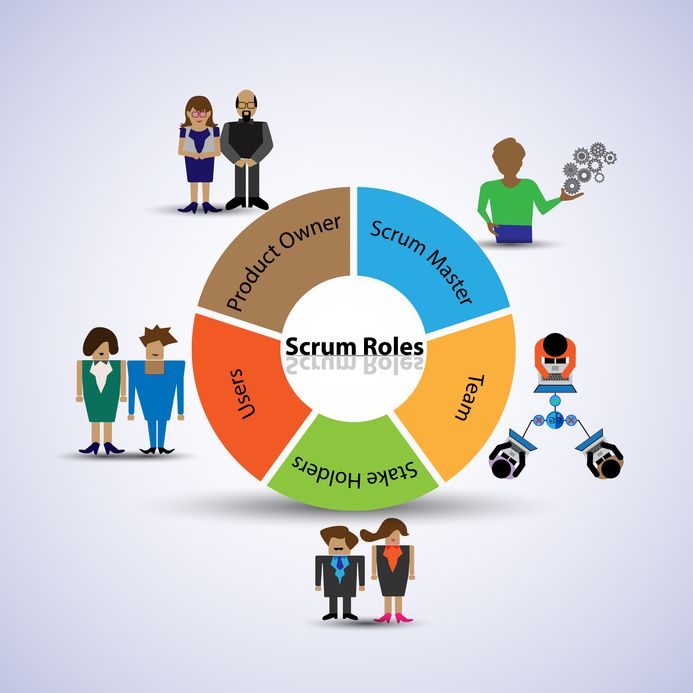
The Three Scrum Roles

Scrum defines three roles and three roles only. Furthermore, each role has a clear and distinct responsibility.


Role 1: Product Owner

The Product Owner decides what the team builds and in what order. Furthermore, they manage the product backlog every day.

Also, they represent the voice of the customer inside the team. Consequently, the team always works on the most valuable items first. In Nigeria, the Product Owner is often the founder, PM, or client lead.


Role 2: Scrum Master

The Scrum Master is the servant-leader of the Scrum team. Furthermore, they remove blockers that slow the team down. Also, they facilitate all four Scrum ceremonies every sprint. Consequently, the team follows the Scrum process correctly and consistently. In short, the Scrum Master protects the team and the process.


Role 3: Developers

Developers are all the people who build the product. Furthermore, this includes designers, testers, and engineers. Also, developers self-organise and plan their own sprint tasks. Consequently, the team takes ownership of its commitments fully. Therefore, Scrum developers are accountable to the sprint goal — not to a manager.


The Three Scrum Artefacts

Scrum uses three artefacts to manage and track work. Furthermore, each artefact serves a specific purpose in the framework.


Artefact 1: Product Backlog

The product backlog is a prioritised list of all work to be done. Furthermore, the Product Owner owns and updates it continuously. Also, every new feature, fix, or improvement goes into the backlog. Consequently, the team always has a clear list of what to build next.


Artefact 2: Sprint Backlog

The sprint backlog contains the items selected for the current sprint. Furthermore, it is created during sprint planning. Also, it shows every task the team has committed to this sprint. Consequently, the sprint backlog is the team’s daily to-do list.


Artefact 3: Product Increment

The increment is the working product delivered at the end of each sprint. Furthermore, it must meet the team’s Definition of Done. Also, the increment is potentially shippable — ready for users. Therefore, every sprint adds real, tested value to the product.


The Four Scrum Ceremonies

Scrum uses four ceremonies to create its delivery rhythm. Furthermore, each ceremony has a fixed time box and a clear purpose.

Ceremony When Time Box Purpose
Sprint Planning Start of sprint 2 hrs per week of sprint Set sprint goal and select backlog items
Daily Scrum Every day 15 minutes Sync the team and surface blockers
Sprint Review End of sprint 1 hr per week of sprint Demo the increment to stakeholders
Retrospective End of sprint 45 mins per week Improve the team process next sprint


How a Scrum Sprint Works: Day by Day


Day 1: Sprint Planning

The team meets to set the sprint goal and select backlog items. Furthermore, each item is broken into tasks for the week ahead. Also, the team confirms it has enough capacity to meet the goal. Consequently, the sprint starts with full clarity and team alignment.


Days 2–13: Daily Scrum and Sprint Work

Every morning, the team holds a fifteen-minute stand-up. Furthermore, each member answers three simple questions.

First: what did I finish yesterday?

Second: what will I do today?

Third: what is blocking me?

Also, the Scrum Master resolves blockers as soon as they surface. Consequently, the team stays on track toward the sprint goal daily.


Day 14: Sprint Review and Retrospective

The team demos the working increment to stakeholders. Furthermore, feedback is gathered and added to the product backlog. Also, the retrospective follows immediately after the review. Consequently, the next sprint is planned with both fresh feedback and process improvements.


Nigerian Teams Using Scrum Right Now

  • Lagos fintech teams: Run two-week sprints to release payment features continuously.
  • Abuja government IT teams: Use Scrum to deliver digital service portals in phases.
  • Port Harcourt software agencies: Manage client projects with sprint reviews every two weeks.
  • Nigerian edtech startups: Update course content and platform features every sprint.


Scrum vs Agile: Are They the Same Thing?

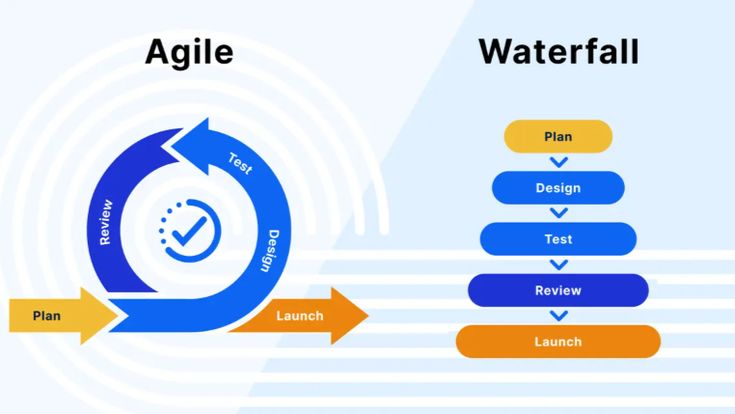
No. Agile is a mindset and a set of values. Furthermore, Scrum is one specific framework for applying Agile. Also, other Agile frameworks like Kanban and XP exist alongside Scrum.

Consequently, all Scrum teams are Agile, but not all Agile teams use Scrum. In short, Scrum is the most popular way to practise Agile in Nigeria.


Free Resource: The Official Scrum Guide

Lagos Data School recommends the free Scrum Guide as the first thing every beginner should read. Furthermore, it is short, clear, and written by Scrum’s two founders.

Also, it is available in over thirty languages for free download. Therefore, every Nigerian Scrum beginner should read it this week.


How Lagos Data School Teaches Scrum

Lagos Data School delivers live Scrum training for Nigerian professionals. Students run full sprint simulations using real Nigerian project scenarios.

Furthermore, they practise all four Scrum ceremonies in every course module. Consequently, graduates step into Scrum roles with practical confidence.

Visit the Lagos Data School training page to enrol today. Also, explore our graduates’ Scrum projects at the Lagos Data School student portfolio.


Frequently Asked Questions

Q1: Do I need a certification to use Scrum in Nigeria?

No. Any team can start using Scrum without a certification. However, a CSM or PSM I certification proves your knowledge to employers. Also, Lagos Data School prepares students for both certifications. Therefore, certification is strongly recommended for career growth.


Q2: How long does it take to learn Scrum?

You can learn Scrum basics in one to two days of structured training. Furthermore, practical sprint experience builds real confidence quickly. Also, most Nigerian professionals feel comfortable with Scrum after two sprints. Therefore, start practising immediately after your first training session.


Q3: Can Scrum work for teams outside tech in Nigeria?

Yes. Nigerian marketing, HR, operations, and events teams all use Scrum. Furthermore, the ceremonies and artefacts apply to any work delivered in cycles. Also, Lagos Data School trains non-tech Nigerian professionals in Scrum regularly. Consequently, Scrum is a universal tool — not just a developer framework.


Q4: What is the biggest benefit of Scrum for Nigerian teams?

The biggest benefit is early and frequent delivery of real results. Furthermore, Nigerian clients see working products every two weeks. Also, problems are caught in sprint one rather than at the final deadline. Consequently, Nigerian Scrum teams earn client trust much faster than waterfall teams.


Start Your Scrum Journey with Lagos Data School

Scrum is the most practical Agile framework for Nigerian teams. Furthermore, it works across tech, banking, NGOs, and beyond. Lagos Data School gives you the live training and practice to master Scrum.

Visit Lagos Data School and enrol in the Scrum course today.

Hi, How Can We Help You?
Welcome To
Lagos Data School

Artificial Intelligence (AI), Machine Learning and Robotics Programmes Are Now Available!!!

Enroll Now!

Thank You
100% secure website.