Scrum Master Certification in Nigeria: Your Complete Guide

CSM vs PSM: Which Scrum Master Cert Is Right for You in Nigeria?

Two certifications dominate the Nigerian Scrum Master market. Furthermore, both the CSM and the PSM are widely respected by employers.

Lagos Data School helps Nigerian professionals choose between them clearly. Therefore, this guide compares both certifications across every key factor. Also, Nigerian salary data and employer preferences are included. By the end, you will know exactly which certification to pursue first.


Why Scrum Master Certification Matters in Nigeria

Many Nigerian professionals work as Scrum Masters without any certification. However, certified Scrum Masters earn significantly more in Lagos and Abuja.

Furthermore, certification proves your knowledge to Nigerian hiring managers. Also, many Nigerian tech companies now list CSM or PSM on job descriptions.

Consequently, getting certified gives you a clear competitive advantage. Therefore, the return on investment from either certification is strong.


What Is the CSM (Certified ScrumMaster)?

The CSM is offered by the Scrum Alliance. Furthermore, visit the Scrum Alliance website for full details. Also, the CSM is the most popular Scrum Master certification in Nigeria.

Consequently, it is widely recognised by Nigerian fintech, banking, and tech companies. In short, the CSM is the go-to entry-level Scrum certification for Nigerians.


CSM Requirements

  • Training: Attend a two-day live course from a Certified Scrum Trainer (CST).
  • Exam: 50 questions online after the course. Pass mark is 74%.
  • Experience needed: The CSM is open to complete beginners.
  • Renewal: Every two years with 20 Scrum Education Units (SEUs).
  • Cost: $500–$1,000 USD including the two-day course.


Who Should Get the CSM in Nigeria?

The CSM suits any Nigerian professional starting their Scrum journey. Furthermore, it is ideal for developers, PMs, and team leads. Also, HR professionals and operations managers pursue the CSM regularly. Consequently, it is the most versatile Scrum entry credential in Nigeria.


What Is the PSM (Professional Scrum Master)?

The PSM is offered by Scrum.org. Furthermore, visit Scrum.org for exam details and pricing. Also, the PSM comes in three levels: PSM I, PSM II, and PSM III.

Consequently, it offers a longer learning and career path than the CSM alone. In short, the PSM is fully online and requires no mandatory training course.


PSM I Requirements

  • Training: No mandatory training required — fully self-study.
  • Exam: 80 questions in 60 minutes. Pass mark is 85%.
  • Experience needed: But Lagos Data School strongly recommends preparation.
  • Renewal: PSM I does not expire — a lifetime credential.
  • Cost: $150 USD per exam attempt.


Who Should Get the PSM I in Nigeria?

The PSM I suits self-motivated Nigerian learners who prefer self-study. Furthermore, it is a cost-effective alternative to the CSM. Also, developers and engineers in Lagos often prefer the PSM I. Consequently, the lower cost and online-only format make it highly accessible.


CSM vs PSM: A Direct Comparison for Nigerian Professionals

Factor CSM (Scrum Alliance) PSM I (Scrum.org)
Offering body Scrum Alliance Scrum.org
Training required Yes — 2-day live course No — fully self-study
Exam questions 50 questions 80 questions
Pass mark 74% 85% (harder pass mark)
Cost (USD) $500–$1,000 incl. course $150 exam only
Renewal needed Yes — every 2 years No — lifetime credential
Nigerian recognition Very high in fintech and banks High in tech and startups
Best for Nigeria Beginners wanting live training Self-learners on a budget
Salary impact ₦1m–₦3m increase ₦1m–₦2.5m increase
Exam location Online after live course Fully online anytime


Which Certification Should Nigerian Professionals Choose First?


Choose the CSM If…

You prefer structured, live classroom training. Also, you want a coach to guide you through Scrum concepts. Furthermore, you are applying for Scrum Master roles in Nigerian banks or fintechs. Consequently, the CSM gives you both a credential and a training experience.


Choose the PSM I If…

You are comfortable with self-study and independent preparation. Also, you want a lower-cost certification with a lifetime validity. Furthermore, you prefer to take the exam at your own pace from Nigeria. Consequently, the PSM I is the most budget-friendly Scrum certification available.


Should You Get Both Certifications?

Yes, many Nigerian Scrum Masters eventually hold both. Furthermore, the CSM builds your foundation through live training.

Also, the PSM I validates your knowledge with a rigorous online exam. Consequently, holding both makes your CV very strong in any Nigerian hiring process. Therefore, start with the CSM and add the PSM I within twelve months.


How to Prepare for the PSM I in Nigeria

First, read the Scrum Guide three times from start to finish. Furthermore, visit Scrum.org and take all free open assessments. Also, practise with PSM I mock exams until you score above 90% consistently.

Consequently, the 85% pass mark feels comfortable rather than stressful. Therefore, spend at least four weeks preparing before booking the exam.


Free Resource: The Scrum Guide

Lagos Data School recommends the free Scrum Guide as the primary study resource for both exams. Furthermore, both the CSM and PSM I exams are based on its content.

Also, it is free to download and works well on Nigerian mobile devices.


How Lagos Data School Prepares You for CSM and PSM I

Lagos Data School delivers live Scrum Master certification training in Nigeria. Students receive Scrum Guide walkthroughs, mock exams, and exam strategy coaching.

Furthermore, every session uses Nigerian project scenarios for practice. Consequently, graduates pass their exams with real confidence.

Visit the Lagos Data School training page to enrol. Also, see certified graduates’ work at the Lagos Data School student portfolio.


Frequently Asked Questions

Q1: Can I take the PSM I exam from Nigeria?

Yes. The PSM I is fully online and available from any location in Nigeria. Furthermore, you only need a stable internet connection and a webcam.

Also, the exam is available 24 hours a day, seven days a week. Therefore, Nigerian professionals can sit the exam at the most convenient time.


Q2: How long does CSM certification training take?

The mandatory CSM course runs over two full days. Furthermore, pre-course reading adds two to four extra hours.

Also, the online exam is taken after the course is completed. Therefore, most Nigerian professionals complete the full CSM process in one week.


Q3: Which certification do Nigerian employers recognise more?

The CSM has stronger brand recognition in Nigerian banking and fintech sectors. However, the PSM I is equally respected in Nigerian tech startups and agencies.

Also, international tech companies hiring Nigerians recognise both equally. Therefore, either certification opens strong doors in the Nigerian job market.


Get Certified with Lagos Data School

Scrum Master certification is one of the best investments for Nigerian professionals. Furthermore, demand for certified Scrum Masters grows every quarter in Nigeria.

Lagos Data School prepares you with live training, mock exams, and expert coaching.

Visit Lagos Data School and start your certification journey today.

Project Management for IT Teams in Lagos: Complete Guide

Why IT Teams in Lagos Need Strong Project Management

Lagos is Nigeria’s tech hub. Hundreds of startups, fintechs, and enterprise IT teams operate here. Yet many Lagos tech projects still miss deadlines and blow budgets.

The reason is simple. Most Lagos IT teams are technically strong but lack project management structure. They write great code but struggle with scope, timelines, and stakeholder updates.

Lagos Data School trains professionals to fix exactly that. This guide shares the best practices every Lagos IT team must adopt today.


Best Practice 1: Define the Scope Before You Write a Line of Code

Scope creep kills Lagos IT projects faster than any technical bug. New features get added mid-sprint without a formal change request. The project expands and the deadline slips.

Every IT project needs a clear scope statement before development starts. List every feature that is in scope. Then list everything that is out of scope.

Use a project charter to document and approve the scope. Get sign-off from the sponsor before any work begins. This one step saves weeks of rework.


Use a Scope Change Request Process

When stakeholders ask for new features, do not say yes immediately. Ask them to submit a formal change request. Review the impact on budget and timeline first.

This protects the project. It also teaches stakeholders to prioritise. Not every idea belongs in the current sprint.


Best Practice 2: Adopt Agile Sprints for Lagos IT Projects

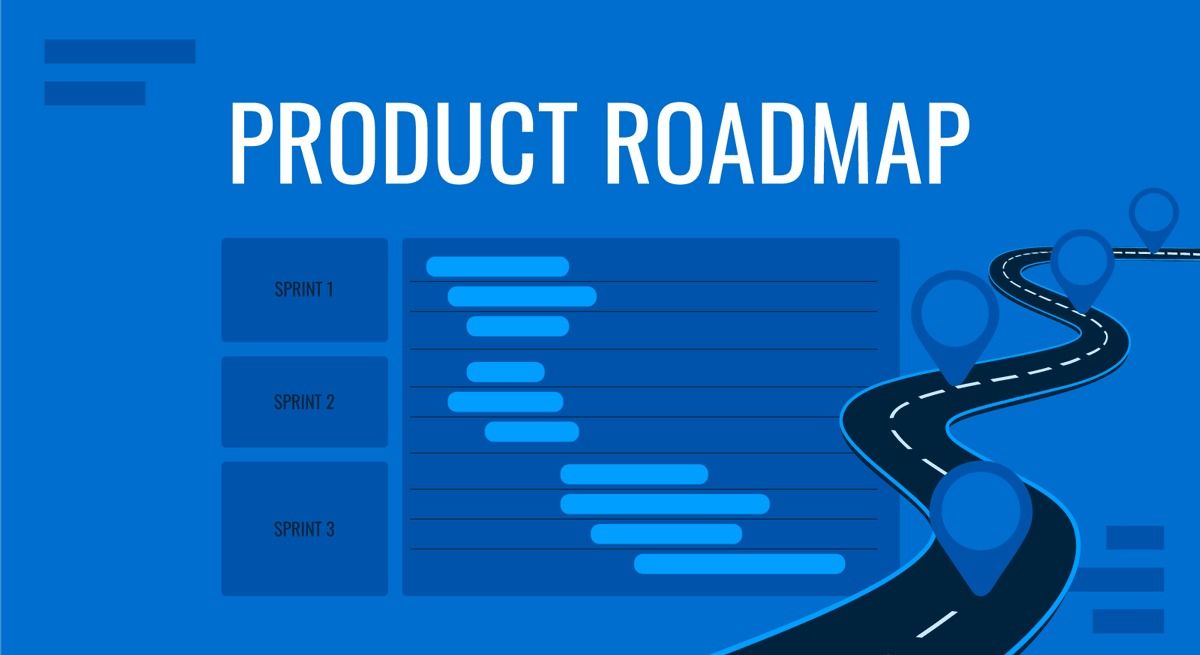
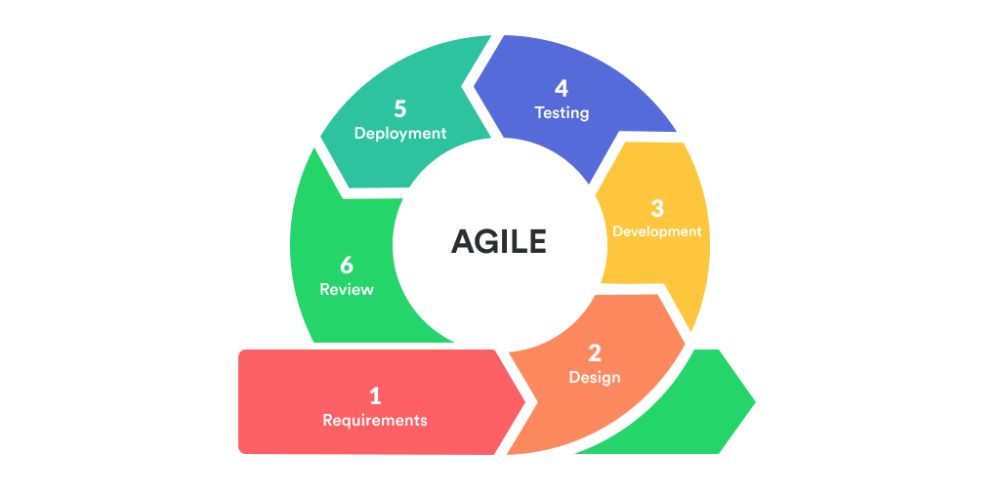
Waterfall works for construction. For IT projects in Lagos, Agile delivers better results. Agile breaks the project into short, focused sprints of one to four weeks.

Each sprint produces working software. The team reviews it, the client approves it, and the next sprint begins. Problems surface early, not at delivery.

The Scrum Guide defines the Scrum framework, which is the most popular Agile approach used by Lagos IT teams. It is free and available online.


Run a Sprint Planning Meeting Every Sprint

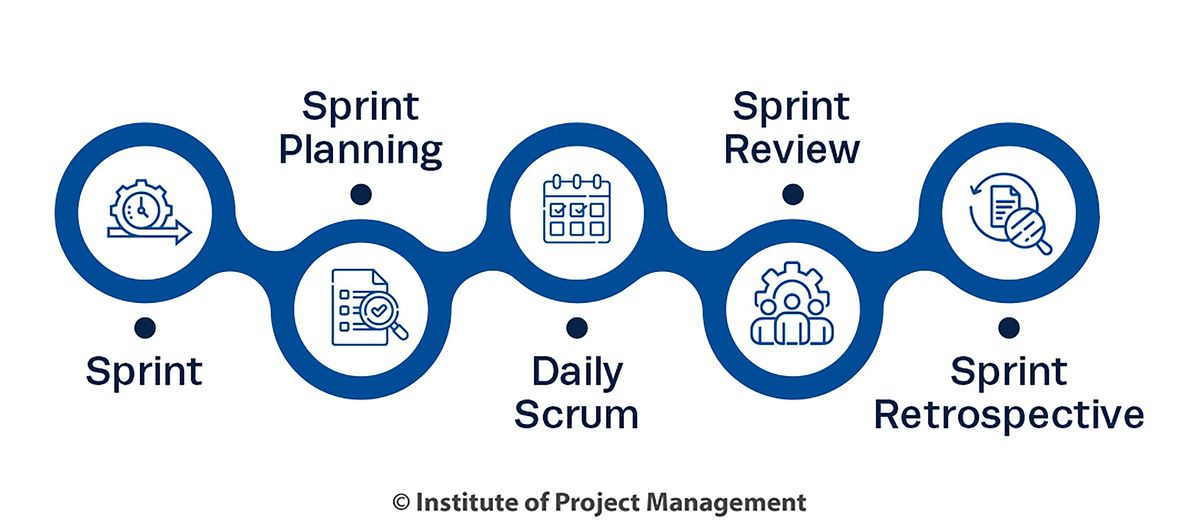
At the start of each sprint, the team meets to plan. They select tasks from the product backlog and commit to delivering them by the sprint end date.

This meeting keeps everyone aligned. It gives the project manager visibility into what the team is working on. It also surfaces blockers before they become delays.


Hold Daily Stand-Ups

A daily stand-up is a 15-minute team meeting. Each person answers three questions: What did I finish yesterday? What will I finish today? What is blocking me?

Stand-ups keep the team accountable. Blockers surface within 24 hours. The project manager resolves them before they cascade into multi-day delays.


Best Practice 3: Use the Right Project Management Tools

Many Lagos IT teams track work in WhatsApp groups or Excel sheets. This creates confusion. Tasks are missed, and nobody has a clear view of project status.

Professional project management tools solve this problem. The table below shows the most popular tools used by Lagos IT teams:


Tool Best For Cost
Trello Simple task boards for small Lagos IT teams Free tier available
Jira Agile sprint management for larger teams Paid, widely used in Lagos
Asana Task tracking across cross-functional teams Free and paid tiers
Microsoft Project Formal Gantt scheduling and reporting Paid, used in enterprise
Notion Documentation and project wikis Free and paid tiers


Pick one tool and stick to it. Changing tools mid-project destroys momentum and confuses the team.


Best Practice 4: Communicate Progress to Stakeholders Weekly

Stakeholders in Lagos want regular updates. They do not want to read a 10-page status report. Keep it short and visual.

Send a weekly update every Friday. Include three things: what the team completed this week, what they plan next week, and any risks or blockers.

A simple one-page email or WhatsApp summary works well for most Lagos IT projects. Consistency matters more than format.


Build a RACI Matrix for Every Project

A RACI matrix defines who is Responsible, Accountable, Consulted, and Informed for each task. Many Lagos IT conflicts happen because roles are unclear.

Build the RACI matrix in the first week of the project. Share it with everyone. Refer to it whenever a decision needs to be made.


Best Practice 5: Track Velocity and Improve Every Sprint

Velocity is the amount of work a Lagos IT team completes in one sprint. Track it after each sprint. Over time, the team sees patterns. Some sprints are fast. Others are slow.

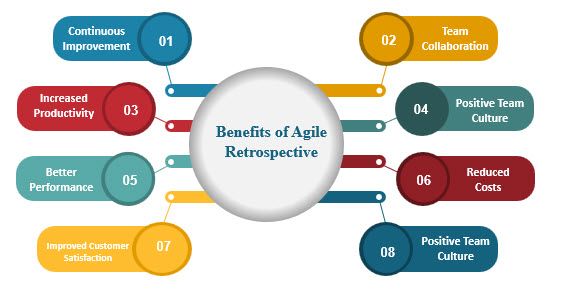
Use retrospectives to understand why. At the end of each sprint, the team discusses three things: what worked well, what went wrong, and what to change next sprint.

Teams that run retrospectives consistently improve their delivery speed over time.


A Nigerian Analogy: Building an Aso-Oke vs Buying One

Managing an IT project without structure is like trying to weave aso-oke without a pattern or a loom. You have the thread, the skill, and the time. But without structure, the fabric will not hold.

On the other hand, a weaver who follows a clear pattern and uses the right tools produces a consistent, beautiful result every time. Therefore, Lagos IT teams that adopt project management best practices deliver consistent, high-quality software.


How Lagos Data School Trains IT Project Managers

Lagos Data School offers live project management training designed for Lagos tech professionals. The curriculum covers Agile, Scrum, Gantt charts, stakeholder management, and risk planning. Every session uses real Nigerian IT project scenarios.

Students leave with the skills to manage IT sprints, write project charters, and communicate clearly with Lagos tech stakeholders.

Enrol today at Lagos Data School. See what our graduates achieve at the Lagos Data School student portfolio.


Frequently Asked Questions

Q1: Do Lagos IT Teams Need Formal Project Management?

Yes. Every IT project, no matter how small, benefits from a defined scope, a timeline, and clear roles. Without structure, even a two-person team runs into miscommunication and missed deadlines.

Q2: Is Agile Better Than Waterfall for Lagos IT Teams?

Agile suits most Lagos IT projects because it delivers working software quickly and adapts to changing requirements. Waterfall suits projects with a fixed, well-defined scope. In short, choose based on the project type, not personal preference.

Q3: What Certification Should Lagos IT Project Managers Pursue?

The PMP from PMI is the most recognised certification globally. CAPM is ideal for those just starting. For Agile teams, a Certified Scrum Master (CSM) certification is highly valued by Lagos tech employers.


Start Managing IT Projects Better Today

Great technology means nothing without great project management. Lagos IT teams that master scope control, Agile sprints, stakeholder communication, and retrospectives deliver more, faster, and with less conflict.

Take the next step. Visit Lagos Data School and enrol in the project management course. Your Lagos tech career will never look the same.


© 2026 Lagos Data School  |  www.lagosdataschool.com

How Nigerian SMEs Can Use Project Management to Scale Faster: Complete 2026 Guide

Why Nigerian SMEs Struggle to Scale

Most Nigerian SMEs start strong. The founder has a great idea, a hungry market, and enough energy to run three businesses at once.

Then growth stalls. Orders increase, but deliveries become unreliable. Staff grows in number but accountability shrinks. Revenue rises, but profit falls.

The root cause is almost always the same: no project management structure. Lagos Data School helps Nigerian SMEs fix this problem through practical, live project management training.


What Project Management Means for a Nigerian SME

Project management is not just for big corporates. Every Nigerian SME runs projects daily, whether they recognise them or not.

Launching a new product is a project. Opening a new branch in Abuja is a project. Running a product promotional campaign is a project. Hiring and onboarding five new staff is a project.

The difference between SMEs that scale and those that plateau is whether those projects are managed with structure or with hope.


Benefit 1: Project Management Creates Accountability

Accountability is the biggest challenge in most Nigerian SMEs. Everyone is busy, but nobody owns the outcome. Deadlines are set, but nobody tracks them.

Project management assigns a task to a named person with a named deadline. Every team member knows what they own and when it is due.

This simple change transforms team culture. People stop waiting for the founder to chase them. They start managing their own deliverables proactively.


Use a Task Tracker, Not a WhatsApp Group

WhatsApp groups bury decisions in chat history. Tasks get forgotten within hours. Use a proper task tracker instead.

Free tools like Trello or Asana give every SME team member a clear board of tasks, deadlines, and owners. Setup takes 30 minutes. The clarity it creates lasts for years.


Benefit 2: Project Management Reduces Wasted Money

Nigerian SMEs lose money on rework, duplicate effort, and rushed purchases. These problems trace back to poor planning.

Project management builds a budget plan before money is spent. It identifies what is needed, when it is needed, and how much it costs. As a result, spending becomes predictable.

The table below shows how project management reduces SME cost waste:


SME Problem Without Project Management With Project Management
Budget overruns Costs discovered after money is spent Budget planned and approved upfront
Rework Tasks redone because requirements were unclear Scope defined before work starts
Late delivery No timeline set, so no deadline respected Milestones tracked weekly
Staff confusion Everyone working on different priorities RACI matrix assigns clear ownership
Supplier delays No lead time planned for procurement Procurement scheduled in advance


Benefit 3: Project Management Helps SMEs Win Bigger Clients

Large Nigerian corporates and international partners hesitate to work with unstructured SMEs. They want to see project plans, timelines, and status reports.

An SME that presents a professional project charter and a Gantt chart wins contracts over competitors who pitch verbally. Structure signals competence.

The Project Management Institute reports that organisations with structured project management waste 28 times less money than those without it. This applies directly to Nigerian SMEs competing for corporate contracts.


Create a Simple Project Template for Repeat Work

Most Nigerian SMEs repeat the same types of projects. A catering business runs events. A logistics firm manages delivery routes. A construction SME builds residential units.

Create a project template for your most common project type. Include the standard tasks, durations, and roles. Reuse the template every time. This reduces planning time by up to 70%.


Benefit 4: Project Management Frees the Founder

Most Nigerian SME founders are the project manager, the accountant, the HR manager, and the salesperson all at once. This is not sustainable.

Project management creates documented processes that other team members can follow. Tasks are assigned, tracked, and escalated through a system, not through the founder’s phone.

When the system works, the founder focuses on strategy instead of daily firefighting. This is how Nigerian SMEs move from survival mode to growth mode.


Benefit 5: Project Management Supports Investor Readiness

Nigerian investors and development finance institutions want to see that a business can execute. A pitch deck is not enough.

An SME that presents a structured implementation plan, a risk register, and a milestone tracker signals that the team can deliver. This builds investor confidence faster than a polished presentation alone.


A Nigerian Analogy: The Buka That Became a Restaurant Chain

Think of a popular Lagos buka that grows into a chain. The owner cooks brilliantly. But as branches multiply, the food quality drops and orders get mixed up.

The solution is not more cooks. It is a structured operations system: standardised recipes, assigned roles, and a daily checklist for each branch. This is project management applied to food service.

Therefore, Nigerian SMEs that build project management into their operations scale faster and with fewer growing pains.


How Lagos Data School Trains SME Leaders

Lagos Data School offers practical project management training built for Nigerian SME owners, team leads, and operations managers. The curriculum covers project charters, task tracking, budgeting, risk management, and team accountability. All sessions use Nigerian SME case studies.

Participants leave with ready-to-use templates, tools, and the confidence to manage growth projects independently.

Enrol today at Lagos Data School. See what our graduates achieve at the Lagos Data School student portfolio.


Frequently Asked Questions

Q1: Does a Small Nigerian Business Need a Dedicated Project Manager?

Not necessarily. Many Nigerian SMEs assign project management responsibilities to an existing operations lead or team lead. The important thing is that someone owns the planning and tracking function. Leaving it to chance means no one does it.

Q2: What Is the Easiest Project Management Tool for a Nigerian SME?

Trello is the easiest starting point. It uses a simple card-and-board system that any team can learn in one hour. It is free for small teams and works on mobile, which matters in a Nigerian business environment.

Q3: How Long Does It Take to See Results from Project Management?

Most Nigerian SMEs see measurable improvements within 30 days of applying basic project management. Task completion rates go up, meeting time goes down, and founder stress decreases significantly.


Scale Your Nigerian SME Faster Starting Today

Project management is the missing system in most Nigerian SMEs. It creates accountability, reduces waste, attracts bigger clients, frees the founder, and builds investor confidence.

Start today. Visit Lagos Data School and enrol in the project management course built for Nigerian entrepreneurs and SME teams.


© 2025 Lagos Data School | www.lagosdataschool.com

Project Management in Construction: Your Complete Guide

Why Construction Projects in Nigeria Need Strong Project Management

Nigeria builds at scale. Federal highways, housing estates, hospitals, bridges, and commercial towers go up across all 36 states every year.

Yet many of these projects run over budget, miss their completion dates, or stall mid-construction. Poor project management is behind most of those failures.

Lagos Data School trains Nigerian construction professionals to fill every project management role with competence and confidence. This guide explains those roles clearly.


Role 1: The Project Sponsor

The project sponsor is the executive who authorises and funds the construction project. In Nigerian government projects, this is often a minister, commissioner, or agency director. In private construction, it is typically the developer or property owner.

The sponsor signs the project charter. They approve the budget. They make final decisions on scope changes and escalated risks.

A good sponsor stays available but does not micromanage. They trust the project manager to deliver and step in only when needed.


Role 2: The Construction Project Manager

The construction project manager leads the entire project from initiation to handover. This person owns the schedule, the budget, and the stakeholder relationships.

On Nigerian construction projects, the PM produces the programme of work, chairs site meetings, reviews progress against the baseline, and reports to the sponsor weekly.

The PM also manages the contract. They raise variations, certify payments, and issue instructions to the contractor. This role demands both technical knowledge and strong communication skills.


Key Competencies for Nigerian Construction Project Managers

Every Nigerian construction PM needs these skills:

  • Schedule management: Build and maintain a Gantt chart in Microsoft Project or Primavera P6.
  • Cost control: Track actual spend against the approved budget and flag variances immediately.
  • Risk management: Identify site risks early and prepare response plans before problems escalate.
  • Stakeholder communication: Report clearly to the sponsor, the client, regulators, and the community.
  • Contract administration: Manage FIDIC, NEC, or local contract conditions correctly.


Role 3: The Site Manager

The site manager is the on-ground leader who runs daily construction activities. While the project manager focuses on the big picture, the site manager focuses on what happens on site every single day.

They ensure workers arrive on time, materials are available, equipment is operational, and safety standards are observed. In Nigeria, the site manager also manages the relationship between permanent staff and daily-hire labour.

Strong site managers are the reason projects stay on schedule. A weak site manager can erase weeks of planning in days.


Role 4: The Quantity Surveyor

The quantity surveyor, or QS, manages the financial side of the construction project. They prepare bills of quantities, value completed work, certify contractor payments, and assess the cost of variations.

In Nigeria, the QS also monitors material pricing fluctuations. Cement, steel, and aggregate prices can change significantly within a single project. The QS tracks these changes and advises on budget implications early.


Role 5: The Structural and Civil Engineer

Engineers design and certify the technical components of the project. The structural engineer ensures the building can carry its loads safely. The civil engineer manages earthworks, drainage, and road components.

On Nigerian projects, engineers also work closely with COREN and local planning authorities. They certify that construction meets approved drawings and Nigerian building codes.


Role 6: The Health and Safety Officer

Every Nigerian construction site needs a dedicated health and safety officer. This person enforces PPE usage, conducts toolbox talks, investigates incidents, and maintains the site safety register.

The International Labour Organization reports that construction is one of the most dangerous industries globally. In Nigeria, many site fatalities happen on projects with no structured safety management. Therefore, the HSE officer role is not optional.


Roles Summary Table

Role Primary Responsibility Reports To
Project Sponsor Authorise, fund, and set strategic direction Board / Developer
Project Manager Plan, execute, control, and close the project Project Sponsor
Site Manager Manage daily on-site construction activities Project Manager
Quantity Surveyor Control costs, certify payments, value variations Project Manager
Structural Engineer Certify structural design and construction compliance Project Manager
HSE Officer Enforce safety standards and manage site risk Project Manager


A Nigerian Analogy: The Oga and the Foreman

Think of the construction project manager as the Oga at the top. They set the direction, manage the money, and deal with clients. The site manager is the foreman on the ground. They make sure every block is laid correctly and every worker shows up.

Both roles are essential. Without the OGA, there is no strategy. Without the foreman, the strategy never becomes a building. Therefore, Nigerian construction projects need both roles filled by competent professionals.


How Lagos Data School Trains Construction Project Managers

Lagos Data School delivers live project management training for Nigerian construction professionals. The curriculum covers scheduling, cost control, risk management, contract administration, and stakeholder engagement. Every session uses real Nigerian construction case studies.

Graduates leave qualified to manage housing, infrastructure, and commercial construction projects across Nigeria.

Enrol today at Lagos Data School. See what our graduates achieve at the Lagos Data School student portfolio.


Frequently Asked Questions

Q1: Does a Construction Project Manager Need an Engineering Degree?

Not always. Many successful Nigerian construction project managers come from engineering, architecture, or quantity surveying backgrounds. Others transition from general project management. What matters most is project management training, field experience, and a professional certification like PMP or PRINCE2.

Q2: What Is the Difference Between a Project Manager and a Site Manager?

The project manager oversees the entire project: scope, schedule, budget, risks, and stakeholders. The site manager focuses exclusively on daily on-site activities and construction quality. On smaller Nigerian projects, one person may handle both roles. On larger projects, both roles must be separated.

Q3: What Certifications Do Nigerian Construction PMs Need?

The PMP from PMI is the global gold standard. PRINCE2 is also widely recognised, especially on World Bank and donor-funded Nigerian construction projects. Additionally, a Certificate in Construction Project Management from any accredited Nigerian or international institution adds strong value.


Build a Construction Management Career at Lagos Data School

Nigerian construction needs more qualified project managers. Every federal road, housing estate, and hospital that gets delivered on time, on budget, and safely represents a project manager who did their job well.

Start your journey today. Visit Lagos Data School and enrol in the construction project management programme.


© 2025 Lagos Data School  |  www.lagosdataschool.com

Healthcare Project Management: Things You Should Know in 2026

Why Healthcare Project Management Matters in Nigeria

Nigeria’s healthcare system needs transformation. New hospitals are being built. Digital health systems are being deployed. Vaccine programmes roll out across 36 states. Donor-funded health projects arrive from the World Bank, USAID, and GAVI.

Every single one of these initiatives is a project. Each one needs a qualified project manager to plan it, execute it, and deliver it to the people who need it.

Lagos Data School trains Nigerian health professionals to step into these roles with confidence. This guide explains the skills and certifications that matter most.


What Makes Healthcare Project Management Different

Healthcare project management follows the same principles as any other field. You plan, execute, monitor, and close. But the stakes are higher.

A delayed IT project costs money. A delayed vaccination programme costs lives. A poorly managed hospital construction project results in unsafe facilities serving real patients.

Therefore, Nigerian healthcare project managers must combine strong project management skills with an understanding of how health systems work.


Skill 1: Stakeholder Management in a Complex Health System

Healthcare projects in Nigeria involve many stakeholders. Federal and state ministries of health must be engaged. The NPHCDA, NAFDAC, NMA, and donor organisations all have requirements.

Community health workers, primary health centres, hospitals, and patients are also stakeholders. Each group has different needs and different levels of power.

A skilled healthcare PM maps all stakeholders early. They build an engagement plan for each group. They communicate in formats and frequencies that each stakeholder expects.


Skill 2: Budget Management Under Donor Constraints

Most large Nigerian healthcare projects receive donor funding from organisations like the World Bank, USAID, the Global Fund, or GAVI. Each donor has strict financial reporting requirements.

Healthcare project managers must track expenditure against approved budgets in real time. Variance reports must be submitted on schedule. Procurement must follow donor guidelines.

Failure to comply with donor financial rules can result in grant clawbacks. In Nigeria, this has halted major health programmes. Therefore, budget management is a non-negotiable skill.


Use Cost Management Software

Spreadsheets are not enough for multi-million naira health budgets. Use project management software with built-in cost tracking. Microsoft Project, Oracle Primavera, and Smartsheet all support cost management for large Nigerian health programmes.


Skill 3: Risk Management in Nigerian Healthcare Projects

Healthcare projects face unique risks in Nigeria. Drug supply chain disruptions are common. Cold chain failures affect vaccine programmes. Community resistance can halt immunisation campaigns.

Political changes between federal and state governments affect project funding and timelines. These risks are real and recurring.

Build a risk register at the start of every healthcare project. Score each risk by probability and impact. Assign a risk owner. Review the register at every project meeting.


Skill 4: Monitoring and Evaluation (M&E)

Health sector funders demand evidence. They want to see that the project delivered what it promised. This is where Monitoring and Evaluation skills are critical.

Every Nigerian healthcare PM must know how to define indicators, set baselines, collect data, and report results against targets. M&E is built into the project plan from day one, not added at the end.


Skill 5: Regulatory and Compliance Knowledge

Nigerian healthcare projects must comply with Ministry of Health guidelines, NAFDAC regulations, and WHO standards where applicable. Non-compliance creates delays, funding suspension, and reputational damage.

Every healthcare PM must understand the regulatory landscape for their specific project type. Building a new clinic requires different compliance steps from deploying a health information system.


Certifications for Nigerian Healthcare Project Managers

Certification Issuing Body Why It Matters for Nigerian Healthcare PMs
PMP (Project Management Professional) PMI Global gold standard. Recognised by all major health donors in Nigeria.
CAPM (Certified Associate in Project Management) PMI Entry-level PM certification. Ideal for health professionals new to project management.
PRINCE2 Foundation / Practitioner Axelos Used on World Bank and UK government-funded Nigerian health projects.
MSP (Managing Successful Programmes) Axelos Suited for large national health programmes spanning multiple projects.
Certified Health Education Specialist (CHES) NCHEC Adds health behaviour and programme design knowledge for public health PMs.


A Nigerian Analogy: The Ward Sister Who Plans Everything

Think of the best ward sister you know. She knows every patient, every medication schedule, every staff rota, and every supply order at the same time.

Now scale that skill to a 200-bed hospital construction project or a national immunisation drive. The same discipline, the same attention to detail, and the same stakeholder management — structured into a formal project plan. That is healthcare project management in Nigeria.


How Lagos Data School Trains Healthcare Project Managers

Lagos Data School delivers live project management training built for Nigerian health professionals. The curriculum covers PMP exam preparation, stakeholder engagement, risk registers, donor budget management, and M&E frameworks. Sessions use Nigerian health sector case studies, including NPHCDA programmes and World Bank health projects.

Graduates are qualified to manage federal and state health projects, NGO programmes, and donor-funded initiatives across Nigeria.

Enrol today at Lagos Data School. See what our graduates achieve at the Lagos Data School student portfolio.


Frequently Asked Questions

Q1: Can a Nurse or Doctor Become a Healthcare Project Manager in Nigeria?

Yes. Clinical professionals make excellent healthcare project managers because they understand how health systems work from the inside. Adding project management training and a certification like PMP or CAPM bridges the gap between clinical expertise and project execution skills.

Q2: What Is the Salary of a Healthcare Project Manager in Nigeria?

Salaries vary widely depending on the funder and project scale. NGO and donor-funded healthcare PMs in Nigeria typically earn between ₦500,000 and ₦2,000,000 per month. International organisation contracts can pay significantly higher rates.

Q3: Do Nigerian Healthcare PMs Need M&E Certification?

M&E is not always a separate certification. However, many donors and Nigerian health agencies expect PMs to demonstrate M&E competence. Short courses in M&E from institutions like the African Evaluation Association add strong credibility to a healthcare PM’s profile.


Launch Your Healthcare Project Management Career at Lagos Data School

Nigeria’s health sector needs qualified, certified project managers now. Every donor programme, every new hospital, and every public health campaign needs a professional at the helm.

Start building that career today. Visit Lagos Data School and enrol in the project management course.


© 2026 Lagos Data School  |  www.lagosdataschool.com

Hi, How Can We Help You?
Welcome To
Lagos Data School

Artificial Intelligence (AI), Machine Learning and Robotics Programmes Are Now Available!!!

Enroll Now!

Thank You
100% secure website.