
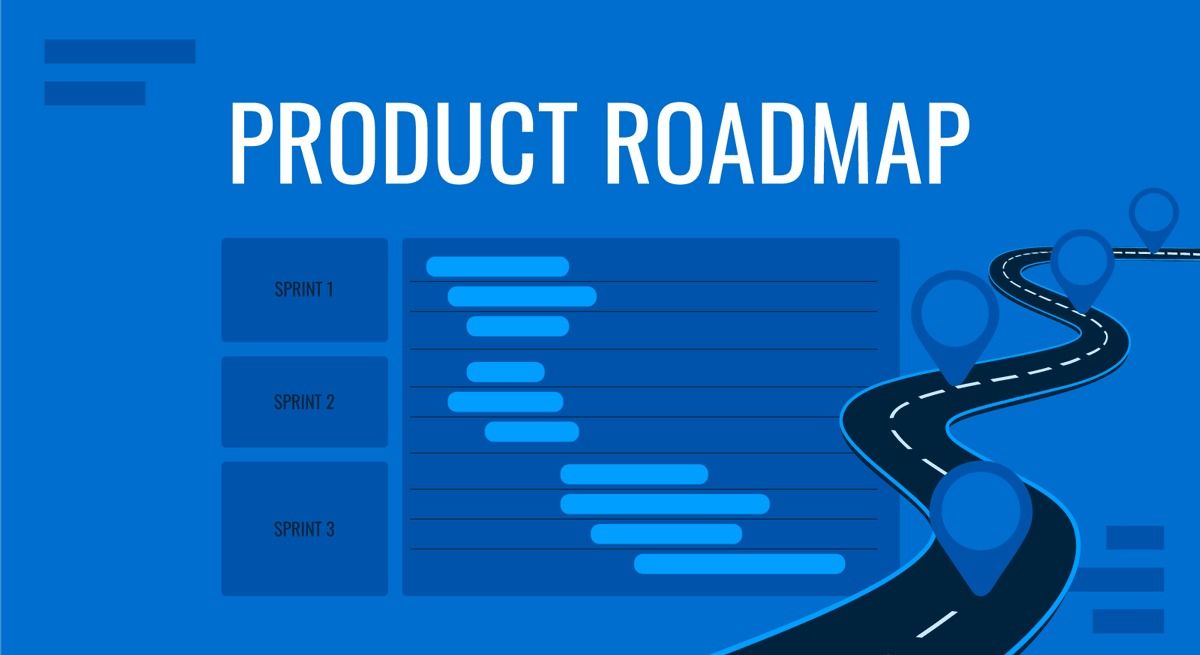
How to Create an Agile Product Roadmap
Every Nigerian product team needs a clear roadmap. However, many teams confuse a roadmap with a task list. Lagos Data School trains Nigerian teams to build roadmaps the Agile way. Therefore, this guide walks you through every step.
Also, it includes Nigerian examples and free tool recommendations. By the end, your team will have a working Agile roadmap.
What Is an Agile Product Roadmap?
A product roadmap is a high-level plan for your product. Furthermore, it shows what you will build and roughly when. However, an Agile roadmap is not a fixed project plan. Instead, it is a living document that changes every quarter.

Also, it focuses on outcomes and goals rather than specific tasks. Consequently, the team stays focused on value rather than features.
Agile Roadmap vs Traditional Roadmap
| Feature | Traditional Roadmap | Agile Roadmap |
| Planning style | Fixed dates and features | Flexible goals and outcomes |
| Update frequency | Once per year | Every sprint or quarter |
| Focus | What to build | Why to build it |
| Change response | Changes cause disruption | Changes are expected and welcomed |
| Nigerian example | Annual IT plan in a Lagos bank | Quarterly roadmap in a fintech startup |
Why Nigerian Teams Need an Agile Roadmap
Nigerian markets shift fast. Also, customer needs change with every new regulation or competitor. A fixed roadmap becomes outdated within weeks in Nigeria. Consequently, teams waste sprints building features nobody wants. However, an Agile roadmap adapts quickly to new information. Therefore, Nigerian teams that use Agile roadmaps stay relevant longer.
The Five Elements of an Agile Product Roadmap
1. Product Vision
The vision is a one-sentence statement of the product’s purpose. For example: ‘Help Lagos SMEs accept payments in under sixty seconds.’ Also, the vision anchors every roadmap decision for the whole team. Therefore, write the vision before anything else on the roadmap.
2. Goals and Outcomes
Goals replace feature lists on an Agile roadmap. Furthermore, each goal describes a measurable business outcome. For example: ‘Increase checkout success rate from 70% to 90%. Also, goals are tied to specific sprints or quarters. Consequently, every sprint delivers toward a clear business result.
3. Epics and Features
Epics are large pieces of work grouped under each goal. Furthermore, each epic is broken into smaller user stories later. For example, the goal above may have epics like ‘Payment Error Handling.’
Also, epics sit on the roadmap at the quarter or month level. Therefore, the roadmap shows direction without locking in every detail.
4. Timeframes
Agile roadmaps use timeframes rather than fixed dates. Furthermore, timeframes are labelled Now, Next, and Later.
Also, ‘Now’ covers this quarter, and ‘Next’ the following quarter. Consequently, the roadmap stays flexible while still showing sequence. However, dates can be added for external commitments or launch events.
5. Metrics and Success Criteria
Every goal on the roadmap needs a measurable success metric. For example, track active users, revenue, or error rates per sprint.
Also, review metrics at the end of each sprint. Therefore, the team knows whether the roadmap is delivering real value.
Step-by-Step: How to Build Your Agile Roadmap
Step 1: Write Your Product Vision
Gather the product team and stakeholders in one room. Furthermore, align on a one-sentence vision everyone agrees on.
Also, test the vision by asking: ‘Does every roadmap goal serve this?’ Therefore, a strong vision filters out low-value feature requests.
Step 2: Define Your Quarterly Goals
Set two to four measurable goals for the next three months. Furthermore, each goal should connect to a real user or business need.
Also, avoid goals like ‘Build feature X’ — focus on outcomes instead. Consequently, the team builds the right things rather than just more things.
Step 3: Add Epics Under Each Goal
Break each goal into three to five epics. Furthermore, each epic represents a major area of product work.
Also, epics should be independent enough to deliver in one sprint. Therefore, the team can release value every sprint without waiting for the whole epic.
Step 4: Prioritise Using the MoSCoW Method
Rate each epic as Must Have, Should Have, Could Have, or Won’t Have. Furthermore, Must Haves go into the current quarter first.
Also, Could Haves and Won’t Haves move to the Next or Later columns. Consequently, the team focuses on what matters most right now.
Step 5: Review and Update Every Sprint
The roadmap is reviewed at every sprint review meeting. Furthermore, new market information, user feedback, or priorities are added.
Also, items that no longer serve the vision are removed immediately. Therefore, the roadmap stays accurate and useful at all times.
Free Agile Roadmap Tools for Nigerian Teams
- Trello: Use columns for Now, Next, and Later. Totally free.
- Notion: Build a roadmap database with goal and epic fields.
- Miro: A free online whiteboard perfect for visual roadmap workshops.
- ProductPlan: A dedicated roadmap tool with a free trial.
Free Resource: Roman Pichler’s Product Vision Board
Lagos Data School recommends Roman Pichler’s free Product Vision Board template. Furthermore, it helps Nigerian product teams define vision and goals quickly.
Also, it is free to download and works with any Agile roadmap process.
How Lagos Data School Teaches Agile Roadmapping
Lagos Data School covers Agile product roadmaps in its live product management module. Students build real roadmaps for Nigerian startup and fintech scenarios. Furthermore, they practise the MoSCoW method and Now-Next-Later framing. Consequently, graduates leave with a working roadmap they can use immediately.
Visit the Lagos Data School training page to enrol. Also, see graduates’ work at the Lagos Data School student portfolio.
Frequently Asked Questions
Q1: How often should a Nigerian team update its roadmap?
Update the roadmap at the end of every sprint review. Also, do a deeper quarterly roadmap review with all stakeholders. Therefore, the roadmap always reflects the latest priorities.
Q2: Who owns the product roadmap?
The Product Owner owns and maintains the roadmap. However, the whole team contributes to roadmap discussions. Also, stakeholders and clients review the roadmap each quarter. Therefore, the roadmap is a shared tool — not a solo document.
Q3: Should a roadmap have fixed delivery dates?
Avoid fixed dates unless you have an external commitment. Furthermore, fixed dates create pressure that damages sprint quality. Instead, use Now-Next-Later timeframes for most roadmap items. Consequently, the team delivers consistently without unrealistic pressure.
Build Your Agile Roadmap with Lagos Data School
An Agile roadmap keeps Nigerian teams focused on real value. Furthermore, it gives stakeholders confidence without locking in every detail. Lagos Data School teaches you to build and manage roadmaps the Agile way.
Visit Lagos Data School and enrol in the product management course today.