Agile Frameworks Compared: Complete 2026 Guide

Agile Has Many Frameworks. Which One Is Right for Your Nigerian Team?

Agile is not a single method. In fact, it is an umbrella of several different frameworks. Lagos Data School helps Nigerian project managers choose the right one. Therefore, this guide compares the four most popular Agile frameworks.

In addition, each framework is explained with a Nigerian use case. By the end, you will know which framework fits your team, project, and industry.


Framework 1: Scrum

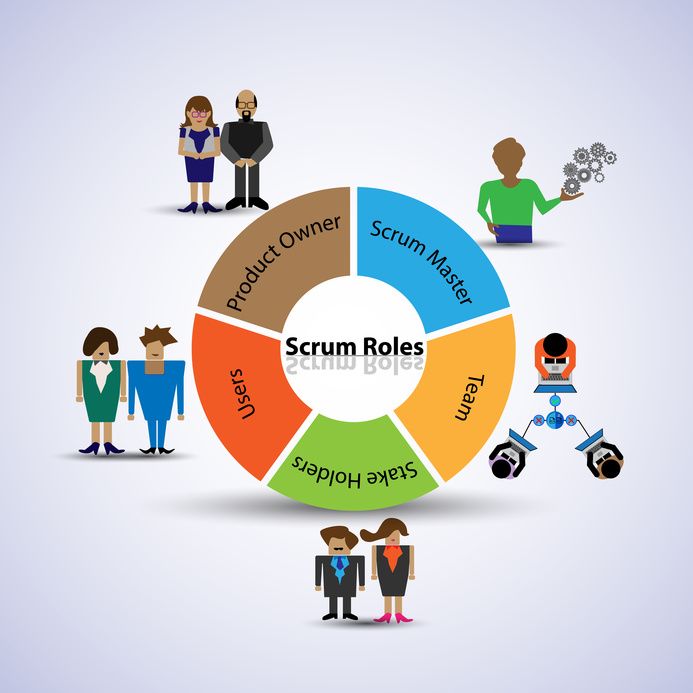
Scrum is the most popular Agile framework in the world. Furthermore, it is the most widely used framework in Nigerian tech companies today. Scrum organises work into sprints of one to four weeks. In addition, it defines three clear roles: Product Owner, Scrum Master, and Development Team.

This may contain: the word scrum surrounded by icons and symbols in blue, orange, yellow and white


How Scrum Works in Nigeria

The Product Owner manages and prioritises the product backlog. Therefore, the team always works on the most valuable tasks first. Moreover, the Scrum Master facilitates the process and removes blockers.

The team delivers a working product at the end of every sprint. Consequently, Nigerian clients see real results every two weeks rather than months later.


Best Nigerian Use Cases for Scrum

  • Fintech apps: Lagos fintech teams use Scrum to release payment features in fortnightly sprints.
  • E-commerce platforms: Nigerian online stores use Scrum to add new features based on customer feedback.
  • Software agencies: Lagos development agencies use Scrum to manage client projects transparently.


Scrum Strengths and Weaknesses

Scrum gives teams a clear, predictable structure. However, it requires daily discipline and a dedicated Scrum Master to work well.

Also, Scrum can feel too rigid for teams that receive work unpredictably. In short, Scrum is best for teams building a defined product over several months.


Framework 2: Kanban

Kanban is a visual, flow-based Agile framework. Work items are placed on a board with columns: To Do, In Progress, and Done. Furthermore, there are no fixed sprints in Kanban. Instead, new work enters the board continuously as items are completed.

Consequently, teams handle unpredictable work streams far better than Scrum allows.

This may contain: the words kanban to do, doing and one written on sticky notes


How Kanban Works in Nigeria

Each task card moves across the board from left to right. Therefore, every team member sees the status of every task at a glance. Moreover, Kanban sets Work-in-Progress (WIP) limits for each column.

These limits stop the team from starting too many tasks at once. As a result, focus improves, and tasks get completed faster.


Best Nigerian Use Cases for Kanban

  • IT support teams: Lagos IT helpdesks use Kanban to manage tickets as they arrive.
  • HR and recruitment: Abuja HR teams use Kanban boards to track candidates through hiring stages.
  • Marketing teams: Nigerian marketing agencies use Kanban for continuous content publishing workflows.


Kanban Strengths and Weaknesses

Kanban is highly flexible and needs no fixed roles or ceremonies. However, without WIP limits, the board can become overloaded quickly.

Also, Kanban lacks the structured feedback loops that Scrum provides. Therefore, Kanban is best for operational, support, or continuous delivery teams.


Framework 3: SAFe (Scaled Agile Framework)

SAFe is an Agile framework designed for large organisations. Furthermore, it coordinates multiple Agile teams working on the same product. SAFe organises teams into Agile Release Trains (ARTs) with a shared delivery schedule. Therefore, hundreds of people can work in an Agile way without losing alignment.

This may contain: safe certified logo on a white background


How SAFe Is Used in Nigeria

SAFe is used by Nigerian banks, telecoms, and large government agencies. For example, a Nigerian bank running fifteen development teams uses SAFe to keep them aligned. Moreover, SAFe introduces a Program Increment (PI) — a ten-to-twelve-week planning cycle. Consequently, all teams plan together and commit to shared quarterly goals. In addition, SAFe includes roles like Release Train Engineer and Product Management.


SAFe Strengths and Weaknesses

SAFe scales Agile across large Nigerian organisations effectively. However, it is complex and requires significant training to implement correctly. Also, small Nigerian teams do not need SAFe — it is designed for enterprise scale.

Therefore, SAFe is only suitable when more than fifty people are working on one product.


Framework 4: XP (Extreme Programming)

XP is an Agile framework built specifically for software engineering teams. In fact, it focuses on technical practices that improve code quality and delivery speed.

Furthermore, XP introduced popular practices like Test-Driven Development (TDD) and Pair Programming. Therefore, Nigerian developers who master XP consistently produce better software.

This may contain: the logo for an extreme programming program


How XP Is Used in Nigerian Tech Teams

XP requires developers to write tests before writing any code. Consequently, bugs are caught at the moment they are introduced rather than later. Also, Pair Programming means two developers write code together on one computer.

Therefore, knowledge is shared constantly, and code quality improves with every session. Moreover, XP uses very short release cycles — sometimes daily delivery.


XP Strengths and Weaknesses

XP produces some of the highest-quality code of any Agile framework. However, it requires highly skilled developers and strong team discipline.

Also, not all Nigerian tech companies have the engineering culture XP demands. Therefore, XP works best inside mature Nigerian tech teams that prioritise code quality.


Scrum vs Kanban vs SAFe vs XP: Side-by-Side Comparison

Use this table to choose the right Agile framework for your Nigerian team.


Factor Scrum Kanban SAFe XP
Team size 3–9 people Any size 50+ people 3–12 devs
Work style Sprints Continuous flow Programme Increments Short releases
Key roles PO, SM, Team Team only RTE, PM, Team Coach, Customer
Ceremonies 4 per sprint None required PI Planning, ART Daily, Weekly
Best for Product dev Ops, support Enterprise Engineering
Nigerian fit Fintech, agencies HR, marketing, IT Banks, telecoms Senior dev teams
Complexity Medium Low High Medium-high


How to Choose the Right Framework for Your Nigerian Team

Start with the simplest framework that fits your context. For example, if you are a small Lagos startup, start with Scrum.

However, if your work arrives unpredictably, Kanban is a better fit. Also, if you are in a large Nigerian bank with multiple dev teams, consider SAFe.

Finally, if your team consists of experienced developers, explore XP practices. Therefore, let your team size, work type, and industry guide your choice.


Free Resources for Nigerian Agile Teams

Lagos Data School recommends the Scrum Guide as the official free Scrum reference. Furthermore, the Kanban Guide is a free, concise reference for Kanban teams.

Also, the Scaled Agile website offers free SAFe overview articles.


How Lagos Data School Teaches Agile Frameworks

Lagos Data School covers Scrum, Kanban, SAFe, and XP in its live Agile training. Students compare all four frameworks using real Nigerian project scenarios.

Moreover, practical sprint exercises are run for Scrum and Kanban in every session. Therefore, graduates confidently choose and apply the right framework on any Nigerian project.

Visit the Lagos Data School training page to enrol. Also, see our graduates’ work at the Lagos Data School student portfolio.


Frequently Asked Questions

Q1: Which Agile framework is most popular in Nigeria?

Scrum is the most widely used Agile framework in Nigerian tech companies today. However, Kanban is growing fast in Nigerian support, HR, and marketing teams.

Therefore, learning Scrum first gives you the widest range of job opportunities in Nigeria.


Q2: Can a team mix Scrum and Kanban?

Yes. This combination is called Scrumban. Furthermore, Scrumban is popular in Nigerian teams that have both sprint work and continuous tasks.

Therefore, mixing the two is perfectly valid as long as the team agrees on a clear process.


Q3: Is SAFe too complex for Nigerian companies?

SAFe can be overwhelming without proper training. However, it is the right choice for large Nigerian organisations coordinating multiple teams.

Consequently, Lagos Data School teaches SAFe awareness to students at the advanced level.


Learn All Four Frameworks at Lagos Data School

Scrum, Kanban, SAFe, and XP are all valuable tools for Nigerian project managers. Furthermore, the best professionals know when to use each one.

Lagos Data School teaches you all four in its live, practical Agile course.

Visit Lagos Data School and enrol today.
How to Become an Agile Coach in Nigeria: Roadmap + Salaries

How to Become an Agile Coach in Nigeria

Agile coaching is one of the fastest-growing careers in Nigeria. Furthermore, Nigerian companies are adopting Agile faster than ever.

Lagos Data School trains Nigerian professionals to become confident Agile Coaches. Therefore, this guide gives you the full roadmap — from beginner to certified coach. In addition, it covers the top certifications and real Nigerian salary figures. By the end, you will know exactly what to do next to start this career.


What Does an Agile Coach Do?

An Agile Coach helps teams and organisations adopt Agile correctly. However, they do more than just teach Agile principles. Furthermore, they observe team behaviour and give feedback in real time.

This may contain: the agile cycle is shown with arrows pointing in different directions, including plan, design and launch

Also, they coach leaders on how to support Agile teams effectively. Consequently, the whole organisation moves from old habits to Agile thinking. In short, an Agile Coach is the person who makes Agile transformation actually stick.


Agile Coach vs Scrum Master: What Is the Difference?

Many Nigerian professionals confuse Agile Coaches with Scrum Masters. However, the two roles are different in scope and seniority.

Area Scrum Master Agile Coach
Scope One Scrum team Multiple teams or whole organisation
Focus Sprint ceremonies and blockers Culture, mindset, and transformation
Seniority Mid-level Senior or principal level
Reporting to Product Owner or PM C-suite or transformation lead
Nigerian salary ₦3m–₦6m per year ₦8m–₦18m per year


Why Agile Coaching Is a Strong Career Choice in Nigeria

Nigerian banks, telecoms, and tech firms all run Agile transformation programmes. Furthermore, each of these organisations needs trained coaches to guide the change.

Also, international development organisations like the World Bank run Agile programmes in Nigeria. Consequently, demand for skilled Nigerian Agile Coaches is growing every year.

In addition, Agile Coaches in Nigeria often work as independent consultants. Therefore, the earning potential goes well beyond a standard full-time salary.


The Step-by-Step Roadmap to Becoming an Agile Coach in Nigeria


Step 1: Build a Foundation in Project Management

Start by learning core project management principles. Furthermore, understanding both Waterfall and Agile gives you a strong foundation.

Lagos Data School‘s project management course covers both methods in depth. Therefore, begin here before moving into specialist Agile coaching training.


Step 2: Get Hands-On Agile Experience

You cannot coach Agile without first practising it. Therefore, join or lead an Agile team in your current role. For example, volunteer to become a Scrum Master on a Lagos tech project.

Also, facilitate sprint planning, daily stand-ups, and retrospectives regularly. Consequently, you build the practical experience that coaching certifications require.


Step 3: Get a Scrum Master Certification

The CSM or PSM I certification should come before any coaching credential. Furthermore, the Scrum Guide is the official free study reference for both exams. Also, Scrum Master experience is a prerequisite for most coaching certifications. Therefore, complete this step before applying for an Agile coaching programme.


Step 4: Pursue the ICP-ACC Certification

The ICP-ACC is the most respected Agile coaching certification in Nigeria. Furthermore, it is offered by ICAgile. Visit ICAgile.com for full details. The course covers coaching mindset, active listening, and team facilitation skills. Consequently, graduates leave with both a credential and real coaching techniques. Also, the ICP-ACC is widely recognised by Nigerian banks, fintechs, and consultancies.


Step 5: Coach Your First Team

After certification, find a Nigerian team to coach, even on a voluntary basis first. Moreover, each coaching engagement builds your portfolio and your confidence.

Therefore, document every team’s progress and outcomes as case studies. In addition, these case studies become your strongest selling point to future clients.


Step 6: Build a Consulting Profile

Most senior Nigerian Agile Coaches eventually move into consulting. Furthermore, consultants earn significantly more than in-house coaches per project. Therefore, build a LinkedIn profile that showcases your coaching history and outcomes. Also, join Nigerian tech and project management communities to grow your network.


Agile Coach Salaries in Nigeria: What to Expect

Here are the current salary ranges for Agile coaching roles in Nigeria.


Role Experience Level Annual Salary (Nigeria)
Junior Agile Coach 1–2 years ₦4,000,000 – ₦6,000,000
Mid-Level Agile Coach 3–5 years ₦7,000,000 – ₦12,000,000
Senior Agile Coach 5–10 years ₦13,000,000 – ₦18,000,000
Principal Agile Coach 10+ years ₦20,000,000 – ₦30,000,000+
Freelance Agile Coach Any ₦500,000 – ₦2,000,000 per engagement


Key Skills Every Nigerian Agile Coach Must Have

  • Active listening: Great coaches hear what teams are not saying out loud.
  • Facilitation: Teams need guidance in retrospectives, PI planning, and workshops.
  • Conflict resolution: Agile coaches resolve team conflicts without taking sides.
  • Deep Agile knowledge: You must know Scrum, Kanban, SAFe, and XP well.
  • Nigerian business context: Understanding local culture and workplace dynamics is essential.


Free Resource: ICAgile Learning Roadmap

Lagos Data School recommends the ICAgile Learning Roadmap as a free reference. Furthermore, it maps out every Agile certification path from beginner to expert. Also, it shows exactly which certifications lead to the ICP-ACC and beyond.


How Lagos Data School Prepares Nigerian Agile Coaches

Lagos Data School offers live Agile coaching preparation for Nigerian professionals. Students practise facilitation, team coaching, and retrospective design in every session. Moreover, every module uses real Nigerian workplace scenarios. Consequently, graduates are ready to coach real teams from day one after training.

Visit the Lagos Data School training page to enrol. Also, see coaching success stories at the Lagos Data School student portfolio.


Frequently Asked Questions

Q1: How long does it take to become an Agile Coach in Nigeria?

Most professionals reach junior coach level in one to two years. However, senior Agile Coach status typically takes five or more years of practice. Therefore, start early and accumulate as many coaching engagements as possible.


Q2: Can I become an Agile Coach without a tech background?

Yes. Many successful Nigerian Agile Coaches come from HR, finance, and operations. Furthermore, coaching skills matter more than technical knowledge in this role. Consequently, any Nigerian professional with strong people skills can build this career.


Q3: Do Nigerian companies hire freelance Agile Coaches?

Yes. Nigerian banks, telecoms, and NGOs regularly hire freelance Agile Coaches. Furthermore, freelance engagements often pay more than full-time roles per day. Therefore, building a freelance coaching practice is a smart career move in Nigeria.


Start Your Agile Coaching Career with Lagos Data School

Agile coaching is one of the most rewarding careers in Nigerian project management. Furthermore, demand is growing and salaries are rising year on year. Lagos Data School gives you the training, certification prep, and mentorship to succeed.

Visit Lagos Data School and take the first step today.

CSM vs PMI-ACP: The Ultimate Guide for Nigerian Professionals

PMI-ACP vs CSM: The Agile Certification Dilemma for Nigerian Professionals

Two certifications come up most often in Nigerian Agile career conversations. Furthermore, both the PMI-ACP and the CSM carry real weight with Nigerian employers.

Lagos Data School helps Nigerian professionals choose between them clearly. Therefore, this guide compares both certifications across every factor that matters. In addition, Nigerian salary data and employer preferences are included. By the end, you will know exactly which certification to pursue first.


What Is the PMI-ACP?

The PMI-ACP stands for PMI Agile Certified Practitioner. Furthermore, it is offered by the Project Management Institute — a globally respected body.

Story pin image

Also, the PMI-ACP covers multiple Agile frameworks, not just Scrum. Consequently, it is the broadest Agile certification available to Nigerian professionals. In fact, it tests knowledge of Scrum, Kanban, Lean, XP, and hybrid approaches.


PMI-ACP Requirements at a Glance

  • Education: Secondary school certificate or higher.
  • General project experience: 2,000 hours of project management work.
  • Agile experience: 1,500 hours of Agile project work within the last three years.
  • Agile training: 21 contact hours of Agile-specific education.
  • Exam: 120 questions in three hours. Online or at a test centre.


PMI-ACP Exam Cost in Nigeria

The exam costs $435 USD for PMI members and $495 for non-members. Furthermore, PMI membership costs $139 per year.

However, membership saves $60 on the exam fee and gives access to free PMI resources. Therefore, joining PMI before registering is the smarter financial decision. Also, the exam can be taken fully online from any location in Nigeria.


What Is the CSM?

This may contain: the scrum alliance logo is shown in an orange circle with white dots on it

The CSM stands for Certified ScrumMaster. Furthermore, it is offered by the Scrum Alliance — the world’s largest Scrum body. Also, the CSM is the most popular entry-level Agile certification in Nigeria. Consequently, Nigerian job posts for Scrum Master roles frequently list CSM as preferred. In short, the CSM proves that you understand and can facilitate the Scrum framework.


CSM Requirements at a Glance

  • Training: Attend a two-day live CSM course from a Certified Scrum Trainer (CST).
  • Exam: 50 questions with a 74% pass mark. Taken online after the course.
  • No prior experience required: The CSM is open to complete beginners.
  • Renewal: Must be renewed every two years with 20 Scrum Education Units (SEUs).


CSM Cost in Nigeria

The two-day CSM course and exam combined cost between $500 and $1,000 USD. Furthermore, the cost varies by training provider and location. Also, some Nigerian training providers offer the course in naira with local payment options. Consequently, the CSM is accessible to a wider range of Nigerian professionals.


PMI-ACP vs CSM: A Direct Comparison for Nigerian Professionals

Use this table to compare both certifications side by side.


Factor PMI-ACP CSM
Offering body Project Management Institute (PMI) Scrum Alliance
Level Intermediate to Advanced Beginner to Intermediate
Experience needed 3,500 hours total project experience None required
Frameworks covered Scrum, Kanban, Lean, XP, hybrid Scrum only
Exam questions 120 questions in 3 hours 50 questions online after course
Pass mark Not publicly disclosed 74%
Cost (USD) $435–$495 $500–$1,000 (incl. course)
Renewal Every 3 years (PDUs required) Every 2 years (SEUs required)
Nigerian employer preference Senior PM and tech roles Scrum Master and team lead roles
Salary impact (Nigeria) ₦2m–₦5m increase ₦1m–₦3m increase


Which Certification Should You Choose First in Nigeria?


Choose the CSM If…

You are new to Agile and want a beginner-friendly credential. Furthermore, you are applying for Scrum Master or team lead roles in Nigeria. Also, you prefer a structured two-day course over self-study preparation. In addition, you want to get certified within the next four to eight weeks. Consequently, the CSM is the fastest path into a Nigerian Agile career.


Choose the PMI-ACP If…

You already have project management experience of three years or more. Furthermore, you want a certification that covers multiple Agile frameworks.

Also, you are applying for senior Agile roles or project management positions in Nigeria. In addition, you already hold a PMP and want to add an Agile credential. Consequently, the PMI-ACP gives senior Nigerian professionals the broadest credential available.


Should You Get Both?

Many top Nigerian Agile professionals hold both the CSM and the PMI-ACP. Furthermore, the CSM builds your Scrum foundation early in your career. Then, the PMI-ACP deepens and broadens that knowledge at the senior level. Consequently, holding both certifications makes your CV the strongest in any Nigerian hiring process. Therefore, plan to get the CSM first and then pursue the PMI-ACP within two to three years.


What Nigerian Employers Say About PMI-ACP vs CSM

Nigerian fintech companies generally prefer the CSM for Scrum Master roles. However, banks and large corporates often list PMI-ACP for senior project positions. Furthermore, international NGOs and development partners in Nigeria respect both equally. Also, consulting firms in Lagos increasingly ask for either certification on Agile contracts. Consequently, both certifications open real doors in the Nigerian job market.


Free Resources to Help You Prepare

Lagos Data School recommends the Agile Practice Guide from PMI as free PMI-ACP preparation. Furthermore, the Scrum Guide is the official free CSM and PSM study reference. Also, both resources work well on Nigerian mobile devices and are free to download.


How Lagos Data School Prepares You for Both Certifications

Lagos Data School delivers live training for both PMI-ACP and CSM in Nigeria. Students complete mock exams, exam strategy sessions, and group study exercises. Moreover, every session uses Nigerian project scenarios to make theory practical.

Therefore, graduates approach their exams with real confidence rather than guesswork. Visit the Lagos Data School training page to enrol today. Also, explore our certified graduates’ work at the Lagos Data School student portfolio.


Frequently Asked Questions: PMI-ACP vs CSM Nigeria

Q1: Which exam is harder — PMI-ACP or CSM?

The PMI-ACP is significantly harder because it covers multiple Agile frameworks. However, the CSM requires thorough understanding of Scrum to pass comfortably. Therefore, both exams reward disciplined preparation rather than last-minute cramming.


Q2: Can I take both exams online from Nigeria?

Yes. Both the PMI-ACP and the CSM can be taken fully online from Nigeria. Furthermore, a stable internet connection and a webcam are the only technical requirements. Consequently, your location in Nigeria does not affect your ability to get certified.


Q3: Which certification is more valuable in Nigerian tech startups?

The CSM is more commonly recognised in Nigerian tech startups and small Agile teams. However, PMI-ACP holders are preferred when startups scale up and hire senior project leads. Therefore, start with the CSM and add the PMI-ACP as your career progresses.


Make the Right Certification Choice with Lagos Data School

Choosing the right Agile certification is one of the best career decisions you can make. Furthermore, both the PMI-ACP and CSM open strong doors in the Nigerian job market. Lagos Data School helps you prepare, practise, and pass whichever exam you choose.

Visit Lagos Data School and start your certification journey today.

What Is Scrum? A Plain-English Guide for Beginners

What Is Scrum? Everything Nigerian Beginners Need to Know

Scrum is the most popular Agile framework in the world. However, many Nigerian professionals still find it confusing. Lagos Data School explains Scrum in plain, simple English. Therefore, this guide covers everything a beginner needs to know.

This may contain: the word scrum is surrounded by gears and cogwheels, which are connected to

Also, it uses Nigerian examples to make every concept clear. By the end, you will understand Scrum well enough to use it.


The One-Sentence Definition of Scrum

Scrum is a framework for delivering work in short, focused cycles. Furthermore, each cycle is called a sprint and lasts one to four weeks. Also, the team reviews progress at the end of every sprint. Consequently, the product improves with every single cycle. In short, Scrum replaces guesswork with a clear, repeating rhythm.


Where Did Scrum Come From?

Scrum was created by Ken Schwaber and Jeff Sutherland in 1995. Furthermore, its official rules are documented in the free Scrum Guide. Also, it is used by millions of teams across every industry. Consequently, Nigerian tech companies, banks, and NGOs all use Scrum today. Therefore, learning Scrum opens doors across every Nigerian career sector.


The Three Scrum Roles

Scrum defines three roles and three roles only. Furthermore, each role has a clear and distinct responsibility.


Role 1: Product Owner

The Product Owner decides what the team builds and in what order. Furthermore, they manage the product backlog every day.

Also, they represent the voice of the customer inside the team. Consequently, the team always works on the most valuable items first. In Nigeria, the Product Owner is often the founder, PM, or client lead.


Role 2: Scrum Master

The Scrum Master is the servant-leader of the Scrum team. Furthermore, they remove blockers that slow the team down. Also, they facilitate all four Scrum ceremonies every sprint. Consequently, the team follows the Scrum process correctly and consistently. In short, the Scrum Master protects the team and the process.


Role 3: Developers

Developers are all the people who build the product. Furthermore, this includes designers, testers, and engineers. Also, developers self-organise and plan their own sprint tasks. Consequently, the team takes ownership of its commitments fully. Therefore, Scrum developers are accountable to the sprint goal — not to a manager.


The Three Scrum Artefacts

Scrum uses three artefacts to manage and track work. Furthermore, each artefact serves a specific purpose in the framework.


Artefact 1: Product Backlog

The product backlog is a prioritised list of all work to be done. Furthermore, the Product Owner owns and updates it continuously. Also, every new feature, fix, or improvement goes into the backlog. Consequently, the team always has a clear list of what to build next.


Artefact 2: Sprint Backlog

The sprint backlog contains the items selected for the current sprint. Furthermore, it is created during sprint planning. Also, it shows every task the team has committed to this sprint. Consequently, the sprint backlog is the team’s daily to-do list.


Artefact 3: Product Increment

The increment is the working product delivered at the end of each sprint. Furthermore, it must meet the team’s Definition of Done. Also, the increment is potentially shippable — ready for users. Therefore, every sprint adds real, tested value to the product.


The Four Scrum Ceremonies

Scrum uses four ceremonies to create its delivery rhythm. Furthermore, each ceremony has a fixed time box and a clear purpose.

Ceremony When Time Box Purpose
Sprint Planning Start of sprint 2 hrs per week of sprint Set sprint goal and select backlog items
Daily Scrum Every day 15 minutes Sync the team and surface blockers
Sprint Review End of sprint 1 hr per week of sprint Demo the increment to stakeholders
Retrospective End of sprint 45 mins per week Improve the team process next sprint


How a Scrum Sprint Works: Day by Day


Day 1: Sprint Planning

The team meets to set the sprint goal and select backlog items. Furthermore, each item is broken into tasks for the week ahead. Also, the team confirms it has enough capacity to meet the goal. Consequently, the sprint starts with full clarity and team alignment.


Days 2–13: Daily Scrum and Sprint Work

Every morning, the team holds a fifteen-minute stand-up. Furthermore, each member answers three simple questions.

First: what did I finish yesterday?

Second: what will I do today?

Third: what is blocking me?

Also, the Scrum Master resolves blockers as soon as they surface. Consequently, the team stays on track toward the sprint goal daily.


Day 14: Sprint Review and Retrospective

The team demos the working increment to stakeholders. Furthermore, feedback is gathered and added to the product backlog. Also, the retrospective follows immediately after the review. Consequently, the next sprint is planned with both fresh feedback and process improvements.


Nigerian Teams Using Scrum Right Now

  • Lagos fintech teams: Run two-week sprints to release payment features continuously.
  • Abuja government IT teams: Use Scrum to deliver digital service portals in phases.
  • Port Harcourt software agencies: Manage client projects with sprint reviews every two weeks.
  • Nigerian edtech startups: Update course content and platform features every sprint.


Scrum vs Agile: Are They the Same Thing?

No. Agile is a mindset and a set of values. Furthermore, Scrum is one specific framework for applying Agile. Also, other Agile frameworks like Kanban and XP exist alongside Scrum.

Consequently, all Scrum teams are Agile, but not all Agile teams use Scrum. In short, Scrum is the most popular way to practise Agile in Nigeria.


Free Resource: The Official Scrum Guide

Lagos Data School recommends the free Scrum Guide as the first thing every beginner should read. Furthermore, it is short, clear, and written by Scrum’s two founders.

Also, it is available in over thirty languages for free download. Therefore, every Nigerian Scrum beginner should read it this week.


How Lagos Data School Teaches Scrum

Lagos Data School delivers live Scrum training for Nigerian professionals. Students run full sprint simulations using real Nigerian project scenarios.

Furthermore, they practise all four Scrum ceremonies in every course module. Consequently, graduates step into Scrum roles with practical confidence.

Visit the Lagos Data School training page to enrol today. Also, explore our graduates’ Scrum projects at the Lagos Data School student portfolio.


Frequently Asked Questions

Q1: Do I need a certification to use Scrum in Nigeria?

No. Any team can start using Scrum without a certification. However, a CSM or PSM I certification proves your knowledge to employers. Also, Lagos Data School prepares students for both certifications. Therefore, certification is strongly recommended for career growth.


Q2: How long does it take to learn Scrum?

You can learn Scrum basics in one to two days of structured training. Furthermore, practical sprint experience builds real confidence quickly. Also, most Nigerian professionals feel comfortable with Scrum after two sprints. Therefore, start practising immediately after your first training session.


Q3: Can Scrum work for teams outside tech in Nigeria?

Yes. Nigerian marketing, HR, operations, and events teams all use Scrum. Furthermore, the ceremonies and artefacts apply to any work delivered in cycles. Also, Lagos Data School trains non-tech Nigerian professionals in Scrum regularly. Consequently, Scrum is a universal tool — not just a developer framework.


Q4: What is the biggest benefit of Scrum for Nigerian teams?

The biggest benefit is early and frequent delivery of real results. Furthermore, Nigerian clients see working products every two weeks. Also, problems are caught in sprint one rather than at the final deadline. Consequently, Nigerian Scrum teams earn client trust much faster than waterfall teams.


Start Your Scrum Journey with Lagos Data School

Scrum is the most practical Agile framework for Nigerian teams. Furthermore, it works across tech, banking, NGOs, and beyond. Lagos Data School gives you the live training and practice to master Scrum.

Visit Lagos Data School and enrol in the Scrum course today.

Scrum Roles Explained: Complete 2026 Guide

Scrum Roles Explained for Nigerian Professionals

Scrum defines exactly three roles, no more, no less. Furthermore, each role has a clear and distinct purpose. Lagos Data School teaches every Scrum role in its live Agile course. Therefore, this guide explains all three roles in plain English.

This may contain: three men holding signs with the words three main scrum roles

Also, Nigerian examples are used throughout to make each role practical. By the end, you will know exactly which role fits your career.


Why Scrum Defines Only Three Roles

Traditional project teams have many job titles and layers. However, Scrum keeps things simple on purpose. Fewer roles mean fewer silos and faster decisions.

Also, every person on the team knows their responsibility clearly. Consequently, Nigerian Scrum teams move faster than traditional teams. Therefore, Scrum’s three-role structure is a deliberate design choice.


Role 1: The Product Owner

The Product Owner decides what the team builds. Furthermore, they decide the order in which items are built.

Also, they manage the product backlog every single day. Consequently, the team always works on the most valuable item first. In short, the Product Owner is the voice of the customer inside the team.


What the Product Owner Does Every Sprint

  • Writes user stories: Each backlog item is described from the user’s point of view.
  • Sets priorities: High-value items sit at the top of the backlog always.
  • Defines acceptance criteria: Each item has a clear pass or fail condition.
  • Attends sprint review: Feedback from stakeholders is gathered every sprint.
  • Updates the backlog: New ideas and feedback are added after every sprint review.


The Product Owner in Nigerian Teams

In Nigerian startups, the Product Owner is often the founder. Furthermore, in Nigerian banks, this role is often a digital product manager.

Also, NGOs in Nigeria assign this role to the programme lead. Consequently, the Product Owner role exists in every Nigerian industry. Therefore, learning this role opens doors across every Nigerian sector.


What Makes a Great Nigerian Product Owner?

A great Product Owner understands both the business and the users. Also, they make fast, clear decisions under pressure. Furthermore, they say no to low-value requests without hesitation. Consequently, the team builds fewer features but each one matters more.


Role 2: The Scrum Master

The Scrum Master is the team’s servant-leader and coach. Furthermore, they protect the team from outside distractions.

Also, they remove blockers that slow the team down. Consequently, the team focuses on sprint work rather than internal politics. In short, the Scrum Master serves the team — not the other way around.


What the Scrum Master Does Every Sprint

  • Facilitates ceremonies: Planning, stand-ups, reviews, and retrospectives are all run by the Scrum Master.
  • Removes blockers: Any obstacle slowing the team is escalated and resolved fast.
  • Coaches the team: Agile principles and Scrum practices are taught continuously.
  • Shields the team: Unplanned work and stakeholder interference are blocked during the sprint.
  • Tracks progress: Burndown charts and velocity data are monitored every day.


The Scrum Master in Nigerian Teams

Many Nigerian companies promote a developer into the Scrum Master role. However, the Scrum Master is a coaching role — not a technical one. Furthermore, the best Nigerian Scrum Masters are patient and process-focused.

Also, they coach managers and executives on how to support Agile teams. Consequently, the Scrum Master role is one of the most impactful in Nigeria.


Scrum Master vs Project Manager: Key Difference

Area Scrum Master Project Manager
Authority No formal authority over the team Authority to assign tasks
Focus Team process and Agile principles Scope, budget, and timeline
Style Servant-leader and coach Planner and director
Planning Guides sprint planning only Owns the full project plan
Nigerian salary ₦3m – ₦8m per year ₦4m – ₦12m per year


Role 3: The Developers (Development Team)

Developers are all the people who build the product. Furthermore, this includes designers, testers, writers, and engineers.

Also, the term ‘developer’ in Scrum means anyone who creates the product. Consequently, non-programmers are also called developers in Scrum. Therefore, the word ‘developer’ is broader than most Nigerians assume.


What Makes the Scrum Development Team Unique?

Scrum teams self-organise without a manager assigning tasks. Furthermore, each developer decides their own daily work.

Also, the team takes shared ownership of the sprint goal. Consequently, accountability sits with the whole team — not just one person. In addition, Scrum teams are cross-functional — each member brings a different skill.


The Right Size for a Nigerian Scrum Team

A Scrum team works best with three to nine developers. Furthermore, smaller teams move faster but carry more risk.

Also, larger teams need more coordination and can slow down. Therefore, five to seven developers is the sweet spot for most Nigerian teams.


How All Three Roles Work Together

Situation Product Owner Does Scrum Master Does Dev Team Does
Sprint Planning Presents top backlog items Facilitates the meeting Estimates and commits
Daily Stand-up Listens and notes blockers Runs the 15-min meeting Updates progress daily
Sprint Review Accepts or rejects the demo Organises the event Demos the increment
Retrospective Participates as a team member Facilitates improvement actions Raises honest feedback


Free Resource: The Official Scrum Guide

Lagos Data School recommends the free Scrum Guide as the first reference for all three roles. Furthermore, it defines every role, event, and artefact in detail.

Also, it is written by Scrum’s founders and available in many languages.


How Lagos Data School Teaches Scrum Roles

Lagos Data School covers all three Scrum roles in its live Agile course. Students practise each role in sprint simulations using Nigerian scenarios. Furthermore, role-play exercises build real confidence before the workplace. Consequently, graduates step into any Scrum role from day one of their new job.

Visit the Lagos Data School training page to enrol today. Also, see our graduates’ Scrum work at the Lagos Data School student portfolio.


Frequently Asked Questions

Q1: Can one person hold two Scrum roles?

The Product Owner and Scrum Master roles must always be separate people. However, a developer can also serve as Scrum Master on very small teams. Also, the Scrum Guide discourages this for teams larger than five people. Therefore, keep the three roles separate as the team grows.


Q2: Which Scrum role pays most in Nigeria?

Senior Product Owners typically earn the most in Nigerian tech. Furthermore, Scrum Masters at senior level earn competitively in banks and fintechs. Also, experienced developers with Scrum skills earn premium salaries in Lagos. Therefore, all three roles offer strong earning potential in Nigeria.


Q3: Do I need certification for a Scrum role in Nigeria?

No certification is required to start in a Scrum role. However, a CSPO, CSM, or PSM I certification improves your job prospects. Also, Lagos Data School prepares students for all three certifications. Therefore, certification accelerates your entry into Nigerian Scrum roles.


Start Your Scrum Role Journey with Lagos Data School

Every great Scrum team needs a strong Product Owner, Scrum Master, and Dev Team. Furthermore, Nigerian companies are hiring for all three roles right now. Lagos Data School gives you the training to fill any Scrum role with confidence.

Visit Lagos Data School and enrol in the Scrum course today.

Hi, How Can We Help You?
Welcome To
Lagos Data School

Artificial Intelligence (AI), Machine Learning and Robotics Programmes Are Now Available!!!

Enroll Now!

Thank You
100% secure website.