What Is Scrum? Everything Nigerian Beginners Need to Know
Scrum is the most popular Agile framework in the world. However, many Nigerian professionals still find it confusing. Lagos Data School explains Scrum in plain, simple English. Therefore, this guide covers everything a beginner needs to know.

Also, it uses Nigerian examples to make every concept clear. By the end, you will understand Scrum well enough to use it.
The One-Sentence Definition of Scrum
Scrum is a framework for delivering work in short, focused cycles. Furthermore, each cycle is called a sprint and lasts one to four weeks. Also, the team reviews progress at the end of every sprint. Consequently, the product improves with every single cycle. In short, Scrum replaces guesswork with a clear, repeating rhythm.
Where Did Scrum Come From?
Scrum was created by Ken Schwaber and Jeff Sutherland in 1995. Furthermore, its official rules are documented in the free Scrum Guide. Also, it is used by millions of teams across every industry. Consequently, Nigerian tech companies, banks, and NGOs all use Scrum today. Therefore, learning Scrum opens doors across every Nigerian career sector.
The Three Scrum Roles
Scrum defines three roles and three roles only. Furthermore, each role has a clear and distinct responsibility.
Role 1: Product Owner
The Product Owner decides what the team builds and in what order. Furthermore, they manage the product backlog every day.
Also, they represent the voice of the customer inside the team. Consequently, the team always works on the most valuable items first. In Nigeria, the Product Owner is often the founder, PM, or client lead.
Role 2: Scrum Master
The Scrum Master is the servant-leader of the Scrum team. Furthermore, they remove blockers that slow the team down. Also, they facilitate all four Scrum ceremonies every sprint. Consequently, the team follows the Scrum process correctly and consistently. In short, the Scrum Master protects the team and the process.
Role 3: Developers
Developers are all the people who build the product. Furthermore, this includes designers, testers, and engineers. Also, developers self-organise and plan their own sprint tasks. Consequently, the team takes ownership of its commitments fully. Therefore, Scrum developers are accountable to the sprint goal — not to a manager.
The Three Scrum Artefacts
Scrum uses three artefacts to manage and track work. Furthermore, each artefact serves a specific purpose in the framework.
Artefact 1: Product Backlog
The product backlog is a prioritised list of all work to be done. Furthermore, the Product Owner owns and updates it continuously. Also, every new feature, fix, or improvement goes into the backlog. Consequently, the team always has a clear list of what to build next.
Artefact 2: Sprint Backlog
The sprint backlog contains the items selected for the current sprint. Furthermore, it is created during sprint planning. Also, it shows every task the team has committed to this sprint. Consequently, the sprint backlog is the team’s daily to-do list.
Artefact 3: Product Increment
The increment is the working product delivered at the end of each sprint. Furthermore, it must meet the team’s Definition of Done. Also, the increment is potentially shippable — ready for users. Therefore, every sprint adds real, tested value to the product.
The Four Scrum Ceremonies
Scrum uses four ceremonies to create its delivery rhythm. Furthermore, each ceremony has a fixed time box and a clear purpose.
| Ceremony | When | Time Box | Purpose |
| Sprint Planning | Start of sprint | 2 hrs per week of sprint | Set sprint goal and select backlog items |
| Daily Scrum | Every day | 15 minutes | Sync the team and surface blockers |
| Sprint Review | End of sprint | 1 hr per week of sprint | Demo the increment to stakeholders |
| Retrospective | End of sprint | 45 mins per week | Improve the team process next sprint |
How a Scrum Sprint Works: Day by Day
Day 1: Sprint Planning
The team meets to set the sprint goal and select backlog items. Furthermore, each item is broken into tasks for the week ahead. Also, the team confirms it has enough capacity to meet the goal. Consequently, the sprint starts with full clarity and team alignment.
Days 2–13: Daily Scrum and Sprint Work
Every morning, the team holds a fifteen-minute stand-up. Furthermore, each member answers three simple questions.
First: what did I finish yesterday?
Second: what will I do today?
Third: what is blocking me?
Also, the Scrum Master resolves blockers as soon as they surface. Consequently, the team stays on track toward the sprint goal daily.
Day 14: Sprint Review and Retrospective
The team demos the working increment to stakeholders. Furthermore, feedback is gathered and added to the product backlog. Also, the retrospective follows immediately after the review. Consequently, the next sprint is planned with both fresh feedback and process improvements.
Nigerian Teams Using Scrum Right Now
- Lagos fintech teams: Run two-week sprints to release payment features continuously.
- Abuja government IT teams: Use Scrum to deliver digital service portals in phases.
- Port Harcourt software agencies: Manage client projects with sprint reviews every two weeks.
- Nigerian edtech startups: Update course content and platform features every sprint.
Scrum vs Agile: Are They the Same Thing?
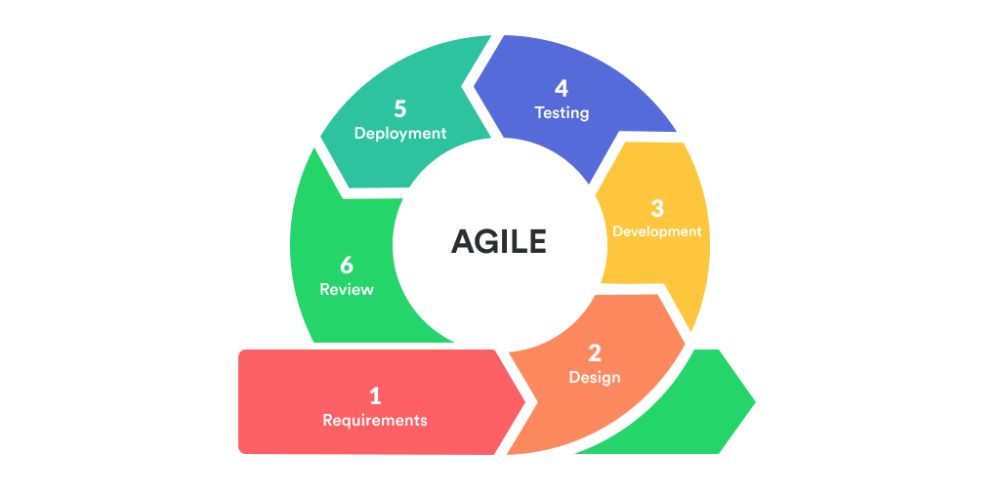
No. Agile is a mindset and a set of values. Furthermore, Scrum is one specific framework for applying Agile. Also, other Agile frameworks like Kanban and XP exist alongside Scrum.
Consequently, all Scrum teams are Agile, but not all Agile teams use Scrum. In short, Scrum is the most popular way to practise Agile in Nigeria.
Free Resource: The Official Scrum Guide
Lagos Data School recommends the free Scrum Guide as the first thing every beginner should read. Furthermore, it is short, clear, and written by Scrum’s two founders.
Also, it is available in over thirty languages for free download. Therefore, every Nigerian Scrum beginner should read it this week.
How Lagos Data School Teaches Scrum
Lagos Data School delivers live Scrum training for Nigerian professionals. Students run full sprint simulations using real Nigerian project scenarios.
Furthermore, they practise all four Scrum ceremonies in every course module. Consequently, graduates step into Scrum roles with practical confidence.
Visit the Lagos Data School training page to enrol today. Also, explore our graduates’ Scrum projects at the Lagos Data School student portfolio.
Frequently Asked Questions
Q1: Do I need a certification to use Scrum in Nigeria?
No. Any team can start using Scrum without a certification. However, a CSM or PSM I certification proves your knowledge to employers. Also, Lagos Data School prepares students for both certifications. Therefore, certification is strongly recommended for career growth.
Q2: How long does it take to learn Scrum?
You can learn Scrum basics in one to two days of structured training. Furthermore, practical sprint experience builds real confidence quickly. Also, most Nigerian professionals feel comfortable with Scrum after two sprints. Therefore, start practising immediately after your first training session.
Q3: Can Scrum work for teams outside tech in Nigeria?
Yes. Nigerian marketing, HR, operations, and events teams all use Scrum. Furthermore, the ceremonies and artefacts apply to any work delivered in cycles. Also, Lagos Data School trains non-tech Nigerian professionals in Scrum regularly. Consequently, Scrum is a universal tool — not just a developer framework.
Q4: What is the biggest benefit of Scrum for Nigerian teams?
The biggest benefit is early and frequent delivery of real results. Furthermore, Nigerian clients see working products every two weeks. Also, problems are caught in sprint one rather than at the final deadline. Consequently, Nigerian Scrum teams earn client trust much faster than waterfall teams.
Start Your Scrum Journey with Lagos Data School
Scrum is the most practical Agile framework for Nigerian teams. Furthermore, it works across tech, banking, NGOs, and beyond. Lagos Data School gives you the live training and practice to master Scrum.
Visit Lagos Data School and enrol in the Scrum course today.