VPN vs Zero Trust Network: Complete 2026 Guide

Remote work is now a permanent part of Nigerian business life. Employees log in from homes in Lekki, client sites in Abuja, and cafes in Port Harcourt. So protecting remote access has become one of the biggest security challenges organizations face.

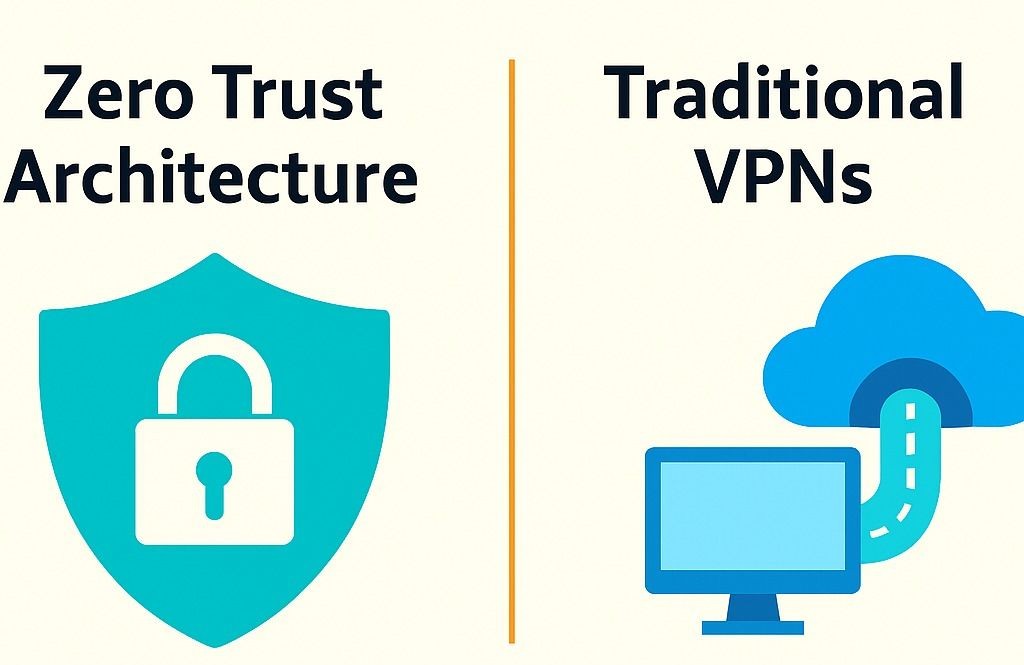
Two solutions dominate this conversation: VPN and Zero Trust Network Access (ZTNA). Both aim to secure remote connections. However, they work in very different ways. Choosing the wrong one could leave your organization dangerously exposed.

Fortunately, this guide makes the decision clear. First, you will learn what a VPN is and how it works. Then, you will explore Zero Trust and its core principles. Next, you will see a direct comparison of both models. After that, you will get real Nigerian business scenarios to guide your choice. Finally, you will learn how to transition from one to the other if needed.

Lagos Data School produced this article as part of our cybersecurity training series. Indeed, both VPN and Zero Trust are covered in depth in our program. So let us break it all down.


The Problem: Why Remote Access Security Is Hard

Traditional network security relied on a simple idea called the perimeter model. Everything inside your office network was trusted. Everything outside was treated as dangerous. So a strong firewall at the boundary was enough.

However, that model no longer works. Today, employees access company systems from many locations. They use personal devices on home internet connections. Furthermore, many business applications have moved from office servers to cloud platforms like AWS and Microsoft Azure.

As a result, the old network perimeter has dissolved. There is no longer a clear inside and outside. Attackers know this. So they target remote workers, stolen credentials, and cloud misconfigurations instead of trying to break through a firewall directly.

Therefore, organizations need a new approach to securing access. That is where VPN and Zero Trust come in. Both try to solve the same problem — but in very different ways.


What Is a VPN?

A Virtual Private Network (VPN) creates an encrypted tunnel between a remote user’s device and the company’s internal network. When you connect through a VPN, your device behaves as if it is sitting inside the office, regardless of where you actually are.

Story pin image

VPNs have been the standard remote access solution for over twenty years. They are widely used across Nigerian banks, law firms, government agencies, and multinational companies. Moreover, they are relatively easy to set up and affordable for small teams.

How a VPN Works

The process works in a few clear steps. First, the user installs a VPN client on their device. Second, they enter their credentials to connect to the company’s VPN server. Third, an encrypted tunnel opens between the device and the server. Finally, all traffic from the device passes through that tunnel and appears to come from the internal network.

Once connected, users typically gain broad access to internal resources. This is both the strength and the weakness of VPN. It is convenient for users. However, it creates serious security risks if any account is compromised.

Strengths of VPN

  • Encrypts all data between the user and the network
  • Hides the user’s real IP address from outside observers
  • Simple to deploy — most teams can set it up quickly
  • Affordable — suitable for small and medium-sized businesses
  • Works on most devices without complex configuration

Weaknesses of VPN

VPN’s main weakness is their all-or-nothing access model. Once a user is authenticated, they often get access to far more than they need. So if an attacker steals one set of credentials, they gain the same broad access as the real user.

Furthermore, VPNs offer limited visibility into what users do once connected. Security teams cannot easily monitor or control activity inside the tunnel. As a result, insider threats and compromised accounts can go undetected for weeks.

Additionally, VPNs struggle to scale at an enterprise level. Managing hundreds of concurrent connections can slow performance and create bottlenecks. That is why many large Nigerian organizations are looking for alternatives.


What Is Zero Trust Network Access (ZTNA)?

Zero Trust Network Access is built on one powerful idea: never trust, always verify. Unlike VPN, ZTNA does not grant broad network access after a single login. Instead, it checks every access request individually every time.

Story pin image

The Zero Trust model was first described by cybersecurity analyst John Kindervag in 2010. Since then, it has been adopted by Microsoft, Google, the US government, and the UK’s National Cyber Security Centre. Moreover, it is increasingly being discussed by Nigerian banking regulators and enterprise security teams.

How Zero Trust Works

Zero Trust verifies every access request using multiple factors at once. These factors include:

  • Who is making the request?, verified through strong identity authentication
  • What device they are using; is it managed, patched, and compliant?
  • Where the request is coming from; is this location normal for this user?
  • What resource is being requested; is this user authorized for this specific app?
  • When the request is made, is this a normal time for this type of access?

Only when all factors check out is access granted, and only to the specific resource being requested, not the whole network. Furthermore, verification continues throughout the session. So if anything changes mid-session, access can be revoked instantly.

Strengths of Zero Trust

  • Least-privilege access, users only reach what they need
  • Continuous verification, not just once at login
  • Full traffic visibility, security teams can see and control everything
  • Strong insider threat protection, even trusted users are verified constantly
  • Cloud-native, built for modern cloud and hybrid environments
  • Micro-segmentation, limits how far any breach can spread

Weaknesses of Zero Trust

Zero Trust is more complex to implement than VPN. It requires careful planning, the right tools, and staff training. Moreover, the upfront cost is higher. So smaller Nigerian businesses may find it challenging to adopt all at once.

However, the long-term security gains far outweigh the initial investment, especially for organizations in regulated industries.


VPN vs Zero Trust: Full Comparison


Criteria VPN Zero Trust (ZTNA)
Core Idea Encrypted tunnel to the network Never trust, always verify
Access Model Broad network access after login Per-session, per-app access only
User Verification Once at login Continuous and context-aware
Traffic Visibility Limited inside the tunnel Full inspection of all traffic
Insider Threat Protection Weak — users have wide access Strong — least-privilege enforced
Cloud Compatibility Designed for on-premise networks Built for cloud environments
Scalability Difficult at enterprise scale Scales easily with cloud growth
Setup Complexity Simple and fast to deploy Requires careful planning
Cost Lower upfront investment Higher setup, lower long-term risk
Best For SMBs, small remote teams Enterprises, regulated industries


Real Nigerian Business Scenarios

The comparison table gives you the facts. But how do these models apply in real Nigerian workplaces? Here are three common scenarios that Lagos Data School uses in our training program:

Scenario 1: A Small Marketing Agency in Lagos

A twenty-person agency has staff working from home three days a week. They access a shared file server, a project tool, and an accounting app. The IT team is just one person. The budget is tight.

In this case, VPN is likely the right choice. It is quick to deploy and affordable. Moreover, the data sensitivity is moderate, so the broad-access limitation is less of a concern. However, the agency should still enforce MFA and train staff on phishing. So even a basic VPN needs good security habits around it.

Scenario 2: A Commercial Bank in Lagos

A mid-tier bank has five hundred employees across multiple branches. Relationship managers work from client sites. IT staff access sensitive infrastructure. The bank is subject to CBN cybersecurity guidelines.

Here, Zero Trust is the right direction. The bank needs granular control over who accesses what. A junior teller should not be able to reach the core banking system. Furthermore, CBN audits require detailed access logs and evidence of least-privilege controls. So Zero Trust directly meets those regulatory needs.

Scenario 3: A Fast-Growing Fintech

A fintech startup has grown from ten to eighty staff in two years. The team is cloud-native, running on AWS. Half the engineers work remotely. The company plans to open offices in Abuja and Port Harcourt soon.

This company should start building Zero Trust now before scaling makes it harder. Because their infrastructure is already cloud-based, integrating a ZTNA solution is straightforward. Moreover, building Zero Trust principles into the architecture early is far easier than retrofitting them later.


How to Transition from VPN to Zero Trust

A full Zero Trust implementation does not happen overnight. For many Nigerian organizations, a phased approach is the most practical path. Here is the three-phase strategy that Lagos Data School recommends:

Phase 1: Strengthen Your Existing VPN

Start by hardening what you already have. Enforce MFA for all VPN users. Apply network segmentation so VPN users only reach the resources they need. Enable detailed logging and review logs regularly. This alone reduces your risk significantly. So do not wait for a full Zero Trust rollout before improving your VPN security.

Phase 2: Apply Zero Trust to Your Most Critical Systems

Next, identify your most sensitive assets: financial databases, customer PII, infrastructure controls. Apply Zero Trust access controls to these first. Even before a full ZTNA rollout, you can enforce least-privilege access and continuous verification for your highest-risk systems. As a result, your most valuable data gets protected first.

Phase 3: Expand Zero Trust Across the Organization

Finally, extend Zero Trust to all systems and users over time. As your team gains experience and your tools mature, a full Zero Trust architecture becomes achievable. At this stage, your reliance on VPN reduces naturally. Moreover, your overall security posture becomes far stronger than it ever was with VPN alone.

This phased approach lets Nigerian organizations balance security improvement with budget and operational realities. In fact, most successful Zero Trust deployments globally follow a similar path. So do not try to do everything at once; instead, build consistently over time.


Which One Should You Choose?

Here is a simple decision guide based on what Lagos Data School teaches in our cybersecurity program:

Choose VPN if you:

  • Run a small or medium-sized business with a limited IT budget
  • Have a small, well-known team that is easy to manage
  • Need remote access deployed quickly with minimal complexity
  • Handle moderate-sensitivity data with basic compliance requirements

Choose Zero Trust if you:

  • Operate in banking, healthcare, telecoms, or government
  • Handle sensitive customer data or regulated personal information
  • Have a large or distributed workforce across multiple locations
  • Are cloud-native or currently migrating your systems to the cloud
  • Have experienced breaches, credential theft, or insider incidents
  • Want to future-proof your security for the next five to ten years

Regardless of which model you choose, the underlying principle stays the same. Access to your network must be controlled, verified, and logged at all times. Both VPN and Zero Trust can support this goal. However, Zero Trust does it more completely and with stronger protection against modern threats.


Recommended External Resource

For the authoritative guide on Zero Trust Architecture, visit NIST SP 800-207: https://csrc.nist.gov/publications/detail/sp/800-207/final.


About Lagos Data School

Lagos Data School is Nigeria’s leading institution for cybersecurity, data science, cloud computing, and analytics training. Every concept in this article, from VPN setup to Zero Trust architecture, is part of our hands-on curriculum.

Moreover, all our instructors are practicing security professionals. So students learn from people who design and manage real access control systems in Nigerian banks, fintechs, and telecoms companies every day.

We offer weekday, weekend, and online learning formats. Furthermore, our programs are open to both beginners and experienced IT professionals looking to advance their careers. Besides technical training, we also provide career coaching, CV reviews, and direct introductions to hiring partners.

Visit Lagos Data School today to explore our cybersecurity program and register for the next cohort. Your cybersecurity career starts here — and we will support you every step of the way.

Your cybersecurity career starts at Lagos Data School.
What Is Ethical Hacking: Complete Guide

What Is Ethical Hacking? A Plain Guide for Nigerian Beginners

Cybercrime is rising fast across Nigeria every year. Furthermore, Nigerian banks and fintechs lose billions of naira annually. Lagos Data School trains Nigerians to fight back with ethical hacking skills.

Story pin image

Therefore, this guide explains ethical hacking from the very beginning. Also, it covers careers, tools, certifications, and Nigerian salary data. By the end, you will understand this field clearly and completely.


What Is Ethical Hacking?

Ethical hacking is the authorised practice of attacking computer systems. Furthermore, the goal is to find security gaps before criminals do. Ethical hackers use the same tools as malicious hackers.

However, they always have written permission from the system owner. Also, they report every vulnerability they discover to the organisation. In short, ethical hacking is legal, planned, and purpose-driven security testing.


Why the Word ‘Ethical’ Matters

The word ‘ethical’ separates this practice from criminal hacking. Furthermore, ethical hackers follow a strict professional code. Organizations hire them to improve security, not to cause harm.

Consequently, the field is both lucrative and completely legal in Nigeria. Therefore, ethical hacking is one of the safest tech careers to pursue.


Ethical Hacking vs Malicious Hacking: The Key Differences

Factor Ethical Hacking Malicious Hacking
Permission Always written and formal None — completely unauthorised
Intent Find and fix vulnerabilities Steal data or cause damage
Reporting Full report given to the owner Hidden — damage is concealed
Legal status Legal with written permission Criminal offence in Nigeria
Outcome Stronger, more secure systems Financial and reputational loss
Nigerian law Protected under written agreement Prosecuted under Cybercrimes Act 2015


The Three Types of Hackers

Hackers are classified by their intent and authorisation level. Furthermore, knowing these types helps you position your career.


White Hat Hackers

White hat hackers are ethical professionals with full written authorisation. Furthermore, they are hired to test and improve organisational security. Every finding is documented and handed to the client team.

Consequently, Nigerian companies hire white hats to protect customer data. Therefore, white hat hacking is the most in-demand cybersecurity career here.


Black Hat Hackers

Black hat hackers attack systems without any permission at all. Furthermore, their goal is financial gain or deliberate disruption. They are responsible for most Nigerian cybercrime incidents.

Consequently, they face prosecution under the Cybercrimes Act 2015. In short, black hat hacking is illegal and causes enormous damage.


Grey Hat Hackers

Grey hat hackers operate between the two extremes above. Furthermore, they may probe systems without explicit permission. Often, they disclose findings publicly rather than exploiting them.

Consequently, their legal status remains unclear and sometimes contested. Therefore, Nigerian professionals must always operate strictly as white hats.


What Do Ethical Hackers Actually Do?

Ethical hackers run structured security assessments on digital systems. Furthermore, these assessments follow a well-defined five-phase methodology.

Every engagement is governed by a signed scope-of-work contract. Consequently, both the hacker and the client are protected legally.


The Five Phases of Ethical Hacking

Here are the five core phases every ethical hacker follows. Furthermore, each phase builds on the findings of the previous one.


  • Phase 1 — Reconnaissance: Legal information gathering about the target.
  • Scanning: Open ports and services are mapped carefully.
  • Access phase: Weaknesses are exploited in a controlled way.
  • Persistence testing: Depth of the breach is measured realistically.
  • Report phase: All findings are documented with fix recommendations.


Also, every phase produces documented evidence for the final report. Consequently, the client receives a clear, prioritised list of actions.


Nigerian Example: Ethical Hacking in a Lagos Bank

A Lagos tier-one bank hires an ethical hacker for a full review. Furthermore, written permission covers the mobile banking app specifically.

Reconnaissance reveals three exposed API endpoints in the system. Also, the hacker exploits one endpoint and accesses test accounts safely.

Next, a detailed report covers all three vulnerabilities found. Finally, the bank patches every issue within two weeks of receiving it. As a result, customer data stays protected from real attackers.


Why Ethical Hacking Is a High-Demand Career in Nigeria

Nigeria is Africa’s largest and fastest-growing digital economy. Furthermore, Nigerian banks process billions of naira in transactions daily. Government agencies store sensitive citizen data across digital platforms.

Also, every new fintech app creates a new potential security target. Consequently, ethical hackers are needed in every Nigerian industry. Therefore, demand for trained security professionals rises every single year.


Sectors That Hire Ethical Hackers in Nigeria

Several industries actively recruit ethical hackers across Nigeria. Furthermore, each sector faces unique cybersecurity challenges.


  • Banking: Fintechs and tier-one banks protect customer transactions daily.
  • Telecoms sector: MTN and Airtel guard critical subscriber network data.
  • Government bodies: NITDA and NIMC employ dedicated cybersecurity specialists.
  • Oil companies: Firms protect operational technology and SCADA systems.
  • Security consultancies: Lagos firms hire hackers for client penetration projects.


In short, cybersecurity roles exist across every major Nigerian industry. Consequently, a certified ethical hacker is employable in multiple sectors simultaneously.


Ethical Hacking Salaries in Nigeria

Role Experience Level Annual Salary (Nigeria)
Junior Ethical Hacker 0–2 years ₦3,500,000 – ₦6,000,000
Mid-Level Ethical Hacker 2–5 years ₦6,000,000 – ₦11,000,000
Senior Ethical Hacker 5–8 years ₦11,000,000 – ₦18,000,000
Lead Penetration Tester 8–12 years ₦18,000,000 – ₦28,000,000
CISO / Security Director 12+ years ₦28,000,000 – ₦50,000,000+


Key Technical Skills Nigerian Ethical Hackers Need

Technical skills form the foundation of every ethical hacking career. Furthermore, each skill builds on the previous one logically.


  • Networking knowledge: TCP/IP, DNS, and HTTP must be understood deeply.
  • Linux proficiency: Kali Linux runs most professional hacking tools.
  • Scripting basics: Python and Bash automate reconnaissance tasks efficiently.
  • Web app security: OWASP Top 10 is tested on nearly every engagement.
  • Scanning tools: Nmap, Wireshark, and Metasploit are daily essentials.


Also, non-technical skills like report writing and communication matter greatly. Consequently, Nigerian ethical hackers who communicate well get promoted faster.


Top Ethical Hacking Tools Nigerian Professionals Use

Tool Purpose Cost
Kali Linux Full ethical hacking OS with 600+ tools Free
Nmap Network scanning and port discovery Free
Metasploit Vulnerability exploitation framework Free + Paid
Wireshark Network packet capture and analysis Free
Burp Suite Web application security testing Free + Paid
Nikto Web server vulnerability scanner Free
John the Ripper Password cracking and strength testing Free


Legal Framework: Ethical Hacking in Nigeria

Ethical hacking must always be authorised in writing first. Furthermore, the Cybercrimes Act 2015 governs all computer activities.

Unauthorised access to any Nigerian system is a criminal offence. Also, a signed scope-of-work agreement protects both the hacker and client. Consequently, Nigerian ethical hackers must always secure written permission. Therefore, never test any system without a formal legal agreement.


What the Nigerian Cybercrimes Act 2015 Covers

The Act creates clear boundaries for Nigerian cybersecurity professionals. Furthermore, it defines specific offences and penalties for each.


  • Section 6: Unauthorised access carries a three-year prison term.
  • Section 8 covers: Intercepting electronic communications is criminal.
  • Identity theft: Section 14 makes electronic identity theft prosecutable.
  • Section 22 targets: Cyberstalking carries significant financial penalties.


In short, always work within a written, legally binding agreement. Consequently, legal compliance protects your career and your client’s business.


Top Ethical Hacking Certifications for Nigerian Professionals

Certification Offered By Level Cost (USD)
CEH EC-Council Intermediate $950–$1,200
CompTIA Security+ CompTIA Beginner $370
OSCP Offensive Security Advanced $1,499
eJPT eLearnSecurity Beginner $200
CompTIA PenTest+ CompTIA Intermediate $370


Three Common Myths About Ethical Hacking in Nigeria


Myth 1: You Must Be a Programmer First

Many Nigerian beginners think coding is mandatory from day one. However, networking and Linux skills matter more at the beginner level. Scripting is learned gradually as your career naturally advances. Therefore, start with networking and Linux — not programming courses.


Myth 2: Only Young People Can Learn Hacking

Career changers of all ages succeed in Nigerian cybersecurity roles. Furthermore, many professionals enter this field in their 30s and 40s. Analytical thinking and patience matter far more than age alone. Consequently, age is never a barrier to starting this career path.


Myth 3: A Computer Science Degree Is Required

No degree is required for ethical hacking roles in Nigeria. Furthermore, certifications and practical lab skills impress employers far more.

Many top Nigerian ethical hackers come from non-technical backgrounds. Therefore, certifications and a strong portfolio open Nigerian career doors faster.


Free Resource: OWASP Top 10

Lagos Data School recommends the OWASP Top 10 as your free first reference. Furthermore, it lists the ten most critical web application security risks. Every ethical hacker in Nigeria must understand these vulnerabilities deeply. Also, it is updated regularly to reflect the latest attack trends.


How Lagos Data School Trains Nigerian Ethical Hackers

Lagos Data School delivers live ethical hacking training across Nigeria. Students practise on real lab environments using Kali Linux and Metasploit.

Furthermore, every session uses Nigerian cybersecurity case studies specifically. Consequently, graduates are ready for real security assessments from day one.

Visit the Lagos Data School training page to enrol today.


Frequently Asked Questions

Q1: Is ethical hacking legal in Nigeria?

Yes. Ethical hacking is completely legal with written permission. Furthermore, the Cybercrimes Act 2015 protects authorised security testing.

Also, a signed scope-of-work protects both parties legally. Therefore, always secure written authorisation before any testing begins.


Q2: How long does it take to start in Nigeria?

Most Nigerian professionals reach entry level within six to twelve months. Furthermore, dedicated lab practice speeds up this timeline significantly.

Also, structured training programmes shorten the learning curve greatly. Therefore, Lagos Data School’s course is the fastest Nigerian entry path.


Q3: Can I study ethical hacking online from Nigeria?

Yes. Many top courses are fully accessible online. Furthermore, TryHackMe offers free browser-based hacking labs.  Also, Lagos Data School delivers live online sessions for Nigerian professionals. Consequently, your location in Nigeria is never a barrier here.


Q4: Which certification should I get first?

Start with CompTIA Security+ or eJPT for a beginner-friendly entry. Furthermore, both are affordable and recognised by Nigerian employers. Also, the CEH is a strong intermediate step after your first cert. Therefore, plan a certification path of at least two to three credentials.


Q5: Do Nigerian banks hire ethical hackers?

Yes. Most tier-one Nigerian banks have dedicated in-house security teams. Furthermore, many outsource penetration testing to certified consultants. Also, Lagos fintech companies hire ethical hackers for product security. Consequently, banking and fintech are the top two sectors for these jobs.


Start Your Ethical Hacking Journey with Lagos Data School

Ethical hacking is one of the most exciting careers in Nigerian tech today. Furthermore, demand is growing, and salaries are rising every single year. Lagos Data School gives you live training and real labs to build these skills.

Visit Lagos Data School and enrol in the cybersecurity course today.

How to Become an Ethical Hacker in Nigeria: Step-by-Step Roadmap

How to Become an Ethical Hacker in Nigeria: The Full Roadmap

Ethical hacking is one of Nigeria’s fastest-growing tech careers. Furthermore, Nigerian banks, fintechs, and telecoms are actively recruiting. Lagos Data School trains Nigerian professionals to enter this field confidently.

This may contain: the title for the book, ethical hacking guide

Therefore, this guide gives you the complete step-by-step action plan. Also, it covers skills, certifications, tools, and real salary data. By the end, you will have a clear plan to follow from tomorrow.


Why Ethical Hacking Is One of Nigeria’s Best Career Choices

Cybercrime cost Nigeria over ₦650 billion in losses in 2023 alone. Furthermore, this number grows with every new digital service launched.

Nigeria’s digital economy expands rapidly across all industries. Also, every new app and government portal needs proper security testing.

Consequently, ethical hackers are in urgent demand across all sectors. Therefore, this career offers job security, strong pay, and global opportunity.


Quick Facts About Ethical Hacking Jobs in Nigeria

Several facts highlight why this career is worth pursuing right now. Furthermore, the numbers tell a compelling story for Nigerian professionals.


  • Demand is growing: Cybersecurity job posts in Lagos grew 40% in 2024.
  • Salaries are strong: Entry-level hackers earn ₦3.5m–₦6m yearly.
  • Certifications go global: CEH and OSCP are recognised worldwide.
  • Remote work is common: Many Nigerians work for international clients online.
  • Sectors are diverse: Banking, oil, telecoms, and government all recruit.


In short, this career path offers both local and international opportunities. Consequently, Nigerian ethical hackers often earn in foreign currency remotely.


The Step-by-Step Roadmap: Eight Clear Steps


Step 1: Build a Strong Networking Foundation

Networking is the backbone of all ethical hacking knowledge. Furthermore, you must understand how data travels across networks.

Learn TCP/IP, DNS, HTTP, HTTPS, and firewall basics thoroughly. Also, the CompTIA Network+ certification validates these core concepts well.

Consequently, you will understand exactly what you attack and defend. Therefore, start with networking before touching any hacking tool at all.


Step 2: Learn Linux, Especially Kali Linux

Most ethical hacking tools run exclusively on Linux systems. Furthermore, Kali Linux is the standard hacker operating system globally. It ships pre-loaded with over 600 security testing tools. Also, download it free at kali.org and install it today.

Consequently, Nigerian beginners must master the Linux command line confidently. Therefore, spend at least four weeks practising Linux commands every day.


Step 3: Get Your First Security Certification

Start with an entry-level certification to validate your foundation knowledge.

Furthermore, CompTIA Security+ is the most recognised beginner cert in Nigeria. Additionally, eJPT (eLearnSecurity Junior Penetration Tester) is practical and cheap. Also, both exams are taken fully online from anywhere in Nigeria.

Consequently, your first certification proves readiness to Nigerian employers. Therefore, aim to complete your first certification within three months.


Step 4: Learn Web Application Security

Web apps are the most common ethical hacking target in Nigeria. Furthermore, the OWASP Top 10 covers the most critical web vulnerabilities. Also, visit OWASP.org for free web security resources today.

Consequently, SQL injection, XSS, and CSRF knowledge becomes essential. In addition, Burp Suite Community Edition is the free tool for web testing. Therefore, dedicate at least one month to web application security practice.


Step 5: Build a Home Lab and Practise Every Day

Theory without daily practice never produces skilled ethical hackers. Furthermore, a home lab lets you attack systems safely and legally. Also, TryHackMe offers free browser-based labs for Nigerian beginners.

Consequently, you build real hands-on skills without buying expensive equipment. In addition, VirtualBox with vulnerable machines creates a local practice environment. Therefore, practise for at least one hour every single day without exception.


Step 6: Pursue the CEH Certification

The CEH is the most recognised mid-level credential in Nigeria. Furthermore, it is offered by EC-Council at eccouncil.org. Also, it covers all five ethical hacking phases in structured depth.

Consequently, CEH holders are preferred candidates for Nigerian security jobs. In addition, the exam covers 125 questions across twenty hacking domains. Therefore, plan three to six months of dedicated preparation before exam day.


Step 7: Build Your Security Portfolio

A portfolio proves your skills far beyond any single certification. Furthermore, document every lab exercise and CTF challenge you complete. Also, write short pen test reports for each completed exercise you do.

Consequently, Nigerian employers see real, verifiable proof of your skills. In addition, a GitHub profile hosting your scripts strengthens your application. Therefore, treat every lab session as a real client engagement always.


Step 8: Apply for Nigerian Cybersecurity Roles

Start applying after completing your first two certifications confidently. Furthermore, target junior penetration tester and security analyst roles first.

Also, Nigerian cybersecurity firms like Sysops offer entry-level opportunities. Consequently, your first role builds experience for senior positions later.

In addition, LinkedIn and Jobberman list Nigerian cybersecurity vacancies daily. Therefore, apply consistently and follow up on every application you submit.


The Full Eight-Step Roadmap at a Glance

Step Action Timeline
1 Learn networking: TCP/IP, DNS, HTTP, firewalls Month 1–2
2 Install Kali Linux and practise the Linux command line Month 2–3
3 Get CompTIA Security+ or eJPT certification Month 3–5
4 Study OWASP Top 10 and web application security Month 4–6
5 Build a home lab — use TryHackMe daily Month 5–8
6 Pursue the CEH certification Month 8–12
7 Build a portfolio with lab write-ups and pentest reports Ongoing
8 Apply for junior security analyst or penetration tester roles Month 12+


Essential Tools Every Nigerian Ethical Hacker Must Know

Tools are the daily weapons of every professional ethical hacker. Furthermore, mastering these seven tools builds a strong technical foundation.


  • Kali Linux: The hacker OS — pre-loaded with 600+ tools.
  • Nmap scans: Discovers open ports and running network services.
  • Metasploit exploits: Tests and exploits known system vulnerabilities.
  • Burp Suite tests: Finds OWASP Top 10 flaws in web apps.
  • Wireshark captures: Analyses live network traffic in real time.
  • Aircrack-ng tests: Audits wireless network security and WPA strength.
  • Hydra brute-forces: Tests login page password policy robustness.


Also, each tool has a free version available for Nigerian students. Consequently, you can build full tool proficiency at zero cost initially.


Certification Path for Nigerian Ethical Hackers

Stage Certification Cost (USD) Study Time
Beginner CompTIA Security+ $370 2–3 months
Beginner eJPT $200 1–2 months
Intermediate CEH $950–1,200 3–6 months
Intermediate CompTIA PenTest+ $370 2–4 months
Advanced OSCP $1,499 6–12 months
Advanced GPEN (GIAC) $2,000+ 6–12 months


Nigerian Ethical Hacking Communities Worth Joining

Communities accelerate learning faster than solo study ever does. Furthermore, Nigerian cybersecurity groups share job leads and resources regularly.


  • CyberSafe Foundation: A Nigerian NGO promoting cybersecurity awareness nationally.
  • NCS membership: Nigeria Computer Society connects ICT practitioners professionally.
  • ISACA Nigeria: Links security and IT audit professionals across Nigeria.
  • TryHackMe Discord: Global community where Nigerians share hacking tips freely.


In short, joining one community multiplies your learning speed significantly. Consequently, you gain mentors, job leads, and practice partners quickly.


Free Resource: TryHackMe Learning Paths

Lagos Data School recommends TryHackMe as the best free platform for Nigerian beginners. Furthermore, the Pre-Security and Jr Penetration Tester paths are completely free. Every lab runs in a browser — no downloads or local setup required. Also, Nigerian professionals in any city can practise ethical hacking today.


How Lagos Data School Prepares Nigerian Ethical Hackers

Lagos Data School delivers live cybersecurity training across Nigeria. Students practise in real lab environments using Kali Linux and Metasploit.

Furthermore, CEH exam preparation is embedded throughout every module. Consequently, graduates leave with practical skills and full certification readiness.

Visit the Lagos Data School training page to enrol.


Frequently Asked Questions

Q1: Do I need a degree to start in Nigeria?

No. A degree is not required for ethical hacking roles. Furthermore, certifications and practical skills matter far more to employers. Also, many top Nigerian ethical hackers started without any degree at all. Therefore, focus on certifications and lab practice — not formal education.


Q2: How much does ethical hacking training cost in Nigeria?

Training costs range from ₦50,000 to ₦500,000 depending on the programme. Furthermore, Lagos Data School offers structured courses at competitive rates. Also, free platforms like TryHackMe reduce overall self-study costs significantly. Therefore, a combination of paid training and free labs is the smartest investment.


Q3: Can I work as a freelance ethical hacker in Nigeria?

Yes. Many Nigerian ethical hackers work as independent security consultants. Furthermore, bug bounty programmes on HackerOne pay in USD for valid discoveries. Also, freelance engagements typically pay more per project than full-time roles. Consequently, a freelance practice is a smart long-term Nigerian career strategy.


Q4: What is the best first step for a complete beginner?

Install Kali Linux and complete TryHackMe’s free Pre-Security path first. Furthermore, read the CompTIA Security+ study guide at the same time.

Also, join Lagos Data School’s cybersecurity cohort for live structured guidance. Therefore, combining free labs with live training is the fastest Nigerian path.


Q5: Is the OSCP worth pursuing for Nigerians?

Yes. The OSCP is the most respected hands-on hacking certification globally. Furthermore, it demonstrates real practical skill rather than just book knowledge. Also, OSCP holders in Nigeria command the highest salaries in the security field. Therefore, target it after gaining at least two to three years of experience.


Build Your Career with Lagos Data School

Ethical hacking offers Nigeria’s clearest path into premium tech careers. Furthermore, demand, salaries, and remote work options all grow every year. Lagos Data School gives you training, labs, and certification prep to succeed.

Visit Lagos Data School and enrol in the cybersecurity course today.

Penetration Testing vs Ethical Hacking: Complete 2026 Guide

Penetration Testing vs Ethical Hacking: What Is the Real Difference?

Many Nigerian professionals use these two terms interchangeably. However, they are not the same thing at all. Lagos Data School explains both terms clearly and completely here. Therefore, this guide covers definitions, differences, types, and careers.

Also, Nigerian examples and salary data are included throughout. By the end, you will use both terms correctly in any workplace.


Defining Ethical Hacking

Ethical hacking is the broad practice of attacking systems with permission. Furthermore, it covers all forms of authorised offensive security work.

Story pin image

Also, it includes penetration testing, vulnerability assessments, and red teaming. Consequently, ethical hacking is the umbrella term for all legal security testing. In short, if you have written permission to test a system, that is ethical hacking.


Defining Penetration Testing

Penetration testing is one specific type of ethical hacking engagement. Furthermore, it simulates a real cyberattack on a defined target system.

Story pin image

Also, the goal is to see how far an attacker could realistically penetrate. Consequently, a penetration test always produces a detailed vulnerability report. In short, pen testing is ethical hacking with a narrow, well-defined scope.


The Core Difference: Scope and Structure

Ethical hacking is broad and may include many different security activities. However, penetration testing is narrow and follows a specific methodology. Furthermore, pen tests have a defined start date, end date, and agreed scope.

Also, ethical hacking can be an ongoing, open-ended security team role. Consequently, a security professional may do ethical hacking every single day. Therefore, penetration testing is one tool within the ethical hacking toolkit.


Penetration Testing vs Ethical Hacking: Side-by-Side

Factor Ethical Hacking Penetration Testing
Scope Broad — covers all security testing areas Narrow — specific target defined
Duration Ongoing role or long-term contract Fixed time box — days to weeks
Methodology Flexible and exploratory Structured and formally documented
Goal Improve overall security posture broadly Find and exploit specific vulnerabilities
Report May include many types of outputs Always produces a formal pen test report
Nigerian use In-house teams at Nigerian banks Hired firm tests a specific app
Common certs CEH, Security+ OSCP, GPEN, CompTIA PenTest+


What Is a Vulnerability Assessment?

A vulnerability assessment is a third term that causes confusion in Nigeria. Furthermore, it is different from both ethical hacking and pen testing.

Also, it identifies weaknesses but does not attempt to exploit any of them. Consequently, it tells you what vulnerabilities exist — not how far they reach. Therefore, a pen test always goes deeper than a vulnerability assessment alone.


The Three Levels of Nigerian Security Testing

Level Name What It Does Nigerian Example
1 Vulnerability Assessment Scans and flags weaknesses only Bank runs a quarterly server scan
2 Penetration Testing Exploits weaknesses to test real impact Firm tests the mobile banking app
3 Red Team Exercise Full simulated attack on the whole org Military-style attack drill on a telecom


Types of Penetration Testing Used in Nigeria


Network Penetration Testing

Network pen testing attacks internal and external network infrastructure. Furthermore, it finds misconfigured firewalls and weak protocols. Nigerian banks use this to protect core banking servers and switches.

Also, vulnerabilities in routers and VPNs are found and reported. Consequently, the entire network perimeter becomes stronger after each test.


Web Application Penetration Testing

Web app pen testing focuses on websites, APIs, and web portals. Furthermore, OWASP Top 10 vulnerabilities are tested on every engagement. Nigerian fintech apps and e-commerce platforms are common targets here.

Also, SQL injection, XSS, and broken authentication flaws are identified. Consequently, web app security improves significantly after each pen test.


Mobile Application Penetration Testing

Mobile pen testing targets Android and iOS applications directly. Furthermore, it checks data storage, API calls, and authentication. Nigerian banking apps are tested this way before every major release.

Also, insecure data storage and weak encryption are commonly found. Consequently, mobile security flaws are caught before customers are affected.


Social Engineering Testing

Social engineering tests the human element of organisational security. Furthermore, phishing emails and phone scams are simulated on real staff. Many Nigerian cybersecurity incidents start with a phishing attack first.

Also, training staff to spot phishing is as important as patching software. Consequently, human-layer security improves significantly after social testing.


Physical Penetration Testing

Physical pen testing tests physical access controls and security measures. Furthermore, testers attempt to enter server rooms without proper authorisation. Nigerian data centres use this test to find physical security weaknesses.

Also, tailgating attacks and badge cloning are simulated during these tests. Consequently, physical security gaps are identified and corrected quickly.


The Five-Phase Penetration Testing Methodology

Professional pen testing follows a structured methodology on every engagement. Furthermore, this protects both the tester and client throughout.


Phase 1: Pre-Engagement

Scope, rules of engagement, and legal agreements are defined here. Furthermore, start and end dates are agreed by all parties involved. Also, specific systems that can be tested are listed clearly in writing. Consequently, both the tester and the client are legally protected.


Phase 2: Reconnaissance

The tester gathers information using open-source intelligence tools. Furthermore, Maltego and Shodan are used for passive information gathering. Active scanning only begins after the pre-engagement agreement is signed.

Also, the tester builds a detailed picture of the target environment. Consequently, the attack phase is informed by solid prior intelligence.


Phase 3: Scanning and Enumeration

Nmap discovers open ports and identifies all running services. Furthermore, service versions are matched against known vulnerability databases.

Also, web directories and exposed login pages are enumerated carefully. Consequently, a prioritised list of attack vectors is compiled.


Phase 4: Exploitation

Identified vulnerabilities are exploited in a fully controlled manner. Furthermore, Metasploit and manual techniques are both commonly used.

Also, every successful exploit is documented with clear screenshots. Consequently, the evidence package becomes the basis for the final report.


Phase 5: Post-Exploitation and Reporting

The tester assesses what data could have been accessed after the breach. Furthermore, privilege escalation and lateral movement are tested here.

Also, a detailed report covering every finding is written and delivered. Consequently, the Nigerian client receives a clear, prioritised fix list.


What a Professional Pen Test Report Includes

Section Content
Executive Summary High-level overview for Nigerian management and board
Scope and Methodology Systems tested, engagement dates, and approach used
Findings Summary Count of Critical, High, Medium, and Low findings
Detailed Findings Each vulnerability with CVSS score and exploit evidence
Remediation Guidance Specific fix recommendations ordered by risk priority
Re-test Schedule Recommended timeline for verifying that fixes work


Career Paths: Ethical Hacker vs Penetration Tester in Nigeria

Area Ethical Hacker Career Penetration Tester Career
Work style Broad security role across many areas Specialist focused on testing only
Employment In-house team or broad consultancy Specialist firm or freelance
Key certs CEH, Security+, CISSP OSCP, GPEN, PenTest+
Nigerian salary ₦4m–₩18m per year ₩6m–₩28m per year
Best employers Banks, fintechs, telecoms Security firms, international clients


Which Nigerian Regulations Require Penetration Testing?

Nigerian regulators now require regular security testing across many industries. Furthermore, compliance is driving demand for pen testers rapidly.


  • CBN Framework: Requires regular security assessments for all Nigerian banks.
  • NDPR regulation: NITDA mandates organisations test their data systems regularly.
  • NCC requirements: Telecoms must conduct security testing under NCC guidelines.
  • Pension regulator: PenCom requires cybersecurity audits for pension fund administrators.


In short, regulatory compliance is the biggest driver of pen testing demand. Consequently, Nigerian pen testers with OSCP or CEH are actively sought after.


Free Resource: PTES Standard

Lagos Data School recommends the PTES Standard as a free methodology reference. Furthermore, it defines every phase of a professional penetration test.

Also, it is used as the baseline methodology by Nigerian security consultancies. Consequently, understanding PTES makes every Nigerian pen tester more credible.


How Lagos Data School Teaches Pen Testing and Ethical Hacking

Lagos Data School covers both disciplines in its live cybersecurity course. Students practise web, network, and mobile pen testing in every session. Furthermore, the complete five-phase methodology is applied on live lab systems. Consequently, graduates write professional pen test reports from day one.

Visit the Lagos Data School training page to enrol.


Frequently Asked Questions

Q1: Is penetration testing in high demand in Nigeria?

Yes. It is one of the fastest-growing services in Nigerian cybersecurity. Furthermore, CBN and NITDA regulations now mandate regular bank pen tests.

Also, international firms operating in Nigeria require local security assessments. Consequently, OSCP or CEH-certified Nigerians are actively sought across sectors.


Q2: How much does a penetration test cost in Nigeria?

A basic web app pen test costs ₦500,000 to ₦2,000,000 in Nigeria. Furthermore, comprehensive network tests for large organisations cost more.

Also, price depends on scope, duration, and the consultant’s certification level. Therefore, certified Nigerian pen testers command premium rates from clients.


Q3: Can Nigerian freelancers do penetration testing remotely?

Yes. Freelance penetration testing is growing rapidly across Nigeria. Furthermore, Nigerian pen testers work for global clients through online platforms.

Also, bug bounty programmes pay Nigerians in USD for valid vulnerability discoveries. Consequently, freelance pen testing offers strong foreign exchange earning potential.


Q4: What is the OSCP and why does it matter for Nigerians?

The OSCP is Offensive Security Certified Professional — the most respected pen cert globally. Furthermore, it is offered by Offensive Security at offensive-security.com.

Also, passing requires completing a gruelling 24-hour hands-on hacking exam. Consequently, OSCP holders in Nigeria command the highest cybersecurity salaries here.


Q5: What is the difference between a red team and a pen test?

A pen test is scoped, structured, and delivered within a fixed time box. Furthermore, a red team exercise simulates a full, unrestricted adversary attack.

Also, red teams use deception, physical intrusion, and social engineering together. Consequently, red teaming is more expensive and more comprehensive than pen testing.


Master Pen Testing and Ethical Hacking with Lagos Data School

Both disciplines offer rewarding, well-paying careers in Nigerian tech. Furthermore, regulatory demand, growing threats, and rising salaries make this field exceptional.

Lagos Data School trains you with live labs, real methodology, and CEH preparation.

Visit Lagos Data School and enrol in the cybersecurity programme today.

10 Hands-On Hacking Tools to Master for a Cyber Security Career

Top 10 Ethical Hacking Tools Every Nigerian Security Pro Needs in 2026

The right tools separate effective ethical hackers from ineffective ones. Furthermore, Nigerian cybersecurity professionals use these tools daily.

Lagos Data School teaches every tool in its live cybersecurity training. Therefore, this guide reviews the top ten tools for 2026 in detail.

Also, each tool is explained with a Nigerian security use case. By the end, you will know which tools to master and why.


Why Tool Mastery Matters for Nigerian Ethical Hackers

Ethical hacking tools automate repetitive security tasks reliably. Furthermore, they find vulnerabilities that manual testing would easily miss. Nigerian clients expect professional tools and professional reports.

Story pin image

Also, tool proficiency signals seriousness to hiring managers in Lagos. Consequently, mastering the top ten tools fast-tracks your Nigerian career. Therefore, start with the free tools and gradually build up to paid ones.


Tool 1: Kali Linux

Kali Linux is the operating system of choice for ethical hackers worldwide. Furthermore, it is available free at kali.org. It ships with over 600 pre-installed security testing tools.

Also, it runs on laptops, virtual machines, and Raspberry Pi devices. Consequently, Nigerian ethical hackers use it as their daily working environment. In short, Kali Linux is the non-negotiable foundation of this entire toolkit.


How Nigerian Security Teams Use Kali Linux

Nigerian security consultants boot Kali Linux from a USB drive on client sites. Furthermore, they run assessments without installing anything on client hardware.

Also, Kali’s live boot feature keeps client systems completely clean. Consequently, the engagement is clean, professional, and legally defensible.


Tool 2: Nmap (Network Mapper)

Nmap is the most widely used network scanning tool in the world. Furthermore, download it for free at nmap.org. It discovers open ports, running services, and operating system details.

Also, Nmap scans entire networks in minutes with a single command. Consequently, Nigerian ethical hackers map target environments before attacking. Therefore, Nmap is always the first tool used on any Nigerian engagement.


Common Nmap Commands Nigerian Hackers Use

Several Nmap commands are used in almost every security engagement in Nigeria. Furthermore, each command reveals different layers of network information.


  • The first one is the nmap -sV: Detects service versions on every open port found.
  • Second is the nmap -O flag: Identifies the operating system of the target host.
  • Third is the nmap -A option: Runs an aggressive scan with OS, version, and scripts.
  • Fourth is the nmap -p- option: Checks all 65,535 ports for hidden services.


Also, Nmap’s scripting engine runs automated vulnerability checks. Consequently, a single scan reveals a detailed picture of the target network.


Tool 3: Metasploit Framework

Metasploit is the world’s most popular exploitation framework. Furthermore, it contains thousands of pre-built exploits for known vulnerabilities. Nigerian penetration testers use it to demonstrate real security risks.

Also, download the free community edition at metasploit.com. Consequently, even junior Nigerian ethical hackers can demonstrate serious breaches. Therefore, Metasploit is essential for any Nigerian penetration testing engagement.


How Metasploit Is Used on Nigerian Engagements

A Lagos security consultant identifies an unpatched Windows server. Furthermore, Metasploit is used to exploit the EternalBlue vulnerability on it. Access is gained and documented with full screenshots as evidence.

Also, the finding is rated Critical in the final penetration test report. Consequently, the client patches the server within 48 hours of the report.


Tool 4: Burp Suite

Burp Suite is the go-to tool for web application security testing. Furthermore, it is available at portswigger.net with a free community edition. It intercepts, inspects, and modifies HTTP traffic between browsers and servers.

Also, it tests for SQL injection, XSS, CSRF, and other OWASP vulnerabilities. Consequently, every Nigerian fintech app assessment uses Burp Suite heavily. Therefore, it is the most important web security tool in this entire list.


Key Burp Suite Features Nigerian Hackers Rely On

Several Burp Suite features are used on almost every web engagement. Furthermore, each feature targets a different layer of web application security.


  • Proxy intercept: Captures and modifies live HTTP requests in real time.
  • Scanner module: Automatically finds common OWASP vulnerabilities quickly.
  • Repeater tool: Replays modified requests to test exploitation scenarios.
  • Intruder function: Automates brute-force attacks on login pages efficiently.


In short, Burp Suite covers the entire OWASP Top 10 testing workflow. Consequently, Nigerian ethical hackers cannot afford to skip learning this tool.


Tool 5: Wireshark

Wireshark captures and analyses network traffic in real time. Furthermore, it is free and available at wireshark.org. Nigerian ethical hackers use it to inspect unencrypted network data.

Also, it reveals credentials, session tokens, and sensitive data in transit. Consequently, weak encryption is identified and documented with clear evidence. Therefore, Wireshark is essential for any Nigerian network security assessment.


Tool 6: Aircrack-ng

Aircrack-ng tests the security of wireless networks comprehensively. Furthermore, it captures WPA handshakes and tests password strength. Nigerian security teams use it to audit office Wi-Fi networks.

Also, it reveals weak WPA passwords within minutes on most networks. Consequently, Nigerian organisations upgrade weak wireless security after audits. Therefore, Aircrack-ng is the standard tool for all wireless pen testing.


Tool 7: John the Ripper

John the Ripper tests password strength by cracking hashed passwords. Furthermore, it supports hundreds of hash formats, including MD5 and SHA. Nigerian ethical hackers use it to test Active Directory password policies.

Also, it reveals weak passwords that users reuse across multiple systems. Consequently, organisations strengthen password policies after every John test. Therefore, password security audits in Nigeria rely heavily on this tool.


Tool 8: Nikto

Nikto scans web servers for thousands of known vulnerabilities automatically. Furthermore, it checks for outdated software, misconfigurations, and open files. Nigerian ethical hackers run Nikto before every web application engagement.

Also, it identifies exposed admin panels and default login pages quickly. Consequently, low-hanging fruit vulnerabilities are caught in the very first scan. Therefore, Nikto is the fastest first-pass tool for any Nigerian web assessment.


Tool 9: SQLmap

SQLmap automates the detection and exploitation of SQL injection vulnerabilities. Furthermore, it is free and available at sqlmap.org. Nigerian fintech portals and e-commerce sites frequently carry SQL injection risks.

Also, SQLmap extracts database contents to demonstrate the full impact. Consequently, clients understand the severity of SQL injection through live evidence. Therefore, SQLmap is a must-have tool for every Nigerian web pen tester.


Tool 10: Hydra

Hydra performs fast brute-force attacks against login services. Furthermore, it supports SSH, FTP, HTTP forms, and dozens of other protocols. Nigerian ethical hackers use it to test weak authentication controls.

Also, it reveals accounts using simple passwords like ‘123456’ or ‘password’. Consequently, organisations enforce stronger password and lockout policies after. Therefore, Hydra completes the core toolkit every Nigerian ethical hacker needs.


All Ten Tools at a Glance

Tool Primary Use Cost Nigerian Use Case
Kali Linux Full ethical hacking OS Free Daily working environment for assessments
Nmap Network scanning Free Maps ports and services on target networks
Metasploit Vulnerability exploitation Free+Paid Demonstrates real breach impact to clients
Burp Suite Web application testing Free+Paid Tests OWASP Top 10 on Nigerian fintech apps
Wireshark Packet capture and analysis Free Reveals unencrypted data on office networks
Aircrack-ng Wireless security testing Free Audits office Wi-Fi password strength
John the Ripper Password cracking Free Tests Active Directory password policies
Nikto Web server scanning Free First-pass scan before web app testing
SQLmap SQL injection automation Free Tests Nigerian fintech portal databases
Hydra Brute-force login testing Free Tests weak authentication on web services


How to Build Your Nigerian Ethical Hacking Lab in 2025

A home lab lets you practise all ten tools safely and legally. Furthermore, you do not need expensive equipment to get started.


  • Install VirtualBox: Free virtualisation software runs multiple OS instances.
  • Download Kali Linux: Boot it as a virtual machine on your laptop.
  • Add Metasploitable: A vulnerable Linux VM designed for safe practice.
  • Try DVWA app: A deliberately vulnerable web app for Burp practice.
  • Join TryHackMe: Free browser-based labs need no local setup at all.


In short, your entire lab can be built for zero cost today. Consequently, Nigerian beginners can start practising all ten tools immediately.


Free Resource: Kali Linux Tools Documentation

Lagos Data School recommends the Kali Linux Tools Documentation as a free reference. Furthermore, it covers every pre-installed tool with usage examples.

Also, the documentation is updated with every new Kali Linux release. Consequently, Nigerian professionals always have access to current tool guidance.


How Lagos Data School Teaches These Tools

Lagos Data School covers all ten tools in its live cybersecurity training. Students practise in real lab environments with guided exercises. Furthermore, every session uses Nigerian security scenarios specifically. Consequently, graduates leave confident to use these tools on day one.

Visit the Lagos Data School training page to enrol today.


Frequently Asked Questions

Q1: Which tool should I learn first as a Nigerian beginner?

Start with Kali Linux and Nmap; they are the foundation of everything. Furthermore, both are free and well-documented online.

Also, Nmap teaches you network thinking before any exploitation occurs. Therefore, spend two to four weeks on Kali and Nmap before moving on.


Q2: Are these tools legal to use in Nigeria?

Yes. All ten tools are legal when used with written permission. Furthermore, the Nigerian Cybercrimes Act 2015 protects authorised testing.

Also, using them without permission is a criminal offence in Nigeria. Therefore, always secure a signed scope-of-work before any testing begins.


Q3: Does Burp Suite require coding knowledge?

No. The community edition needs no coding to use effectively. Furthermore, the GUI makes it accessible to complete Nigerian beginners.

Also, Burp Suite’s web academy offers free guided learning labs online. Consequently, Nigerian professionals can master it without prior coding skills.


Q4: Can I use these tools on a regular Nigerian laptop?

Yes. All ten tools run on basic laptops with 4GB of RAM or more. Furthermore, Kali Linux works on older machines with limited specifications.

Also, browser-based platforms like TryHackMe need no local installation. Therefore, hardware is never a barrier for Nigerian ethical hacking students.


Q5: How long does it take to learn all ten tools?

Basic proficiency across all ten tools takes three to six months. Furthermore, advanced Metasploit and Burp Suite mastery requires deeper practice.

Also, tool learning never stops; new features are released regularly. Consequently, treat tool learning as an ongoing part of your career.


Master All Ten Tools with Lagos Data School

Tool mastery is what separates theoretical knowledge from real security skill. Furthermore, Nigerian employers test tool competence in every interview.

Lagos Data School gives you live lab access to all ten tools in Nigeria.

Visit Lagos Data School and enrol in the cybersecurity course today.

Hi, How Can We Help You?
Welcome To
Lagos Data School

Artificial Intelligence (AI), Machine Learning and Robotics Programmes Are Now Available!!!

Enroll Now!

Thank You
100% secure website.